Blog

  • 10 Proven Health Habits for Better Energy & Longevity

    TL;DR: Adopting consistent sleep hygiene, regular moderate exercise, and a nutrient-dense diet are the most impactful habits for boosting daily energy and extending healthy lifespan. These foundational lifestyle choices work synergistically to optimize cellular repair, reduce chronic inflammation, and enhance mitochondrial function.

    1. Prioritize Sleep Quality Over Quantity

    While eight hours is often recommended, the quality of sleep matters more than the duration. Deep sleep stages are critical for cellular repair and cognitive function. Establish a consistent sleep schedule, even on weekends, to regulate your circadian rhythm. Avoid screens at least an hour before bed, as blue light suppresses melatonin production, which is essential for initiating restful sleep. A consistent routine signals to your body that it is time to wind down, leading to faster sleep onset and more restorative rest.

    If you want to dig deeper, check out our guide on Plant-Based Seafood Hits Mainstream Restaurant Chains.

    2. Engage in Daily Zone 2 Cardio

    Zone 2 cardio refers to exercise intensity where you can maintain a conversation but are slightly out of breath. This moderate intensity is proven to improve mitochondrial efficiency, which is the powerhouse of your cells and directly impacts your energy levels. Aim for 150 to 300 minutes of this type of activity per week. Unlike high-intensity interval training, which is also beneficial, Zone 2 training builds a strong aerobic base, allowing your body to use fat as fuel more efficiently, thereby sparing your glycogen stores for higher energy needs.

    3. Implement Strength Training Twice Weekly

    After age thirty, muscle mass naturally declines, a process known as sarcopenia. This loss correlates with decreased metabolic rate and frailty. Strength training counteracts this by preserving lean muscle mass, which is metabolically active tissue that burns more calories at rest. Focus on compound movements like squats, deadlifts, and presses. Consistent resistance training also improves bone density, reducing the risk of osteoporosis and fractures, which are major contributors to reduced mobility and longevity in older adults.

    4. Adopt a Plant-Forward Dietary Pattern

    Diet plays a pivotal role in systemic inflammation. A plant-forward diet, rich in vegetables, fruits, legumes, and whole grains, is associated with lower risks of heart disease, type 2 diabetes, and certain cancers. These foods are high in fiber, antioxidants, and phytonutrients that protect cells from oxidative stress. While you do not need to eliminate animal products entirely, reducing the intake of processed meats and refined sugars can significantly lower inflammatory markers in the blood, supporting long-term cardiovascular health and stable energy levels throughout the day.

    5. Manage Stress Through Mindfulness

    Chronic stress keeps the body in a “fight or flight” mode, elevating cortisol levels which can lead to weight gain, high blood pressure, and immune suppression. Mindfulness practices, such as meditation or deep breathing exercises, activate the parasympathetic nervous system, promoting a “rest and digest” state. Even ten minutes of daily meditation has been shown in studies to reduce cortisol levels and improve emotional regulation. This mental clarity not only reduces anxiety but also enhances focus and productivity, contributing to a sense of well-being that supports physical health.

    6. Stay Hydrated Consistently

    Dehydration, even when mild, can significantly impair cognitive function and physical performance. Water is essential for regulating body temperature, lubricating joints, and transporting nutrients to cells. Thirst is often a late indicator of dehydration, so do not wait until you feel thirsty to drink. Aim to consume water throughout the day, particularly before and after meals. Monitoring urine color is a simple metric; pale yellow indicates proper hydration, while dark yellow suggests you need to increase fluid intake immediately to maintain optimal physiological functions.

    7. Cultivate Strong Social Connections

    Social isolation is as detrimental to health as smoking, according to multiple longitudinal studies. Strong social bonds reduce stress, improve immune function, and even lower blood pressure. Engaging in community activities, family gatherings, or hobbies with friends provides emotional support and a sense of purpose. These interactions release oxytocin and serotonin, neurotransmitters

    Related Articles

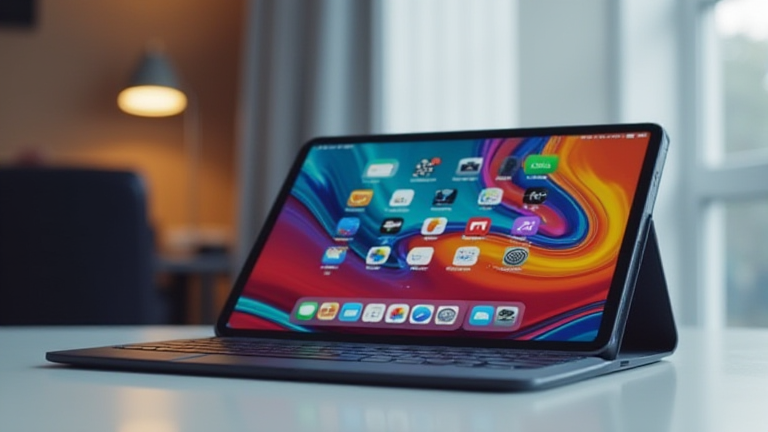
  • Why the Apple M4 Chip Makes the iPad Pro a True Desktop Replacement

    Why the Apple M4 Chip Makes the iPad Pro a True Desktop Replacement

    TL;DR: The Apple M4 chip delivers desktop-class CPU and GPU performance in a fanless tablet, enabling sustained workloads that previously required a MacBook or high-end PC. Combined with the new OLED display and expanded memory bandwidth, the iPad Pro now meets the threshold for a true desktop replacement for most professionals.

    The Silicon Leap: Why M4 Changes the Equation

    When Apple introduced the M1 in 2020, it claimed the iPad Pro could “challenge laptops.” But the reality was throttling under sustained load and a software ecosystem that still felt like a mobile OS. The M4, unveiled in May 2024, closes that gap decisively. Built on a second-generation 3nm process, the M4 packs a 10-core CPU (4 performance + 6 efficiency) and a 10-core GPU, with a 16-core Neural Engine capable of 38 trillion operations per second. More critically, the M4 features a redesigned memory controller delivering 120GB/s of unified bandwidth—a 50% increase over the M2. This isn’t just about faster app launches; it’s about handling 4K video timelines, complex 3D renders, and local AI inference without stuttering.

    If you want to dig deeper, check out our guide on MapQuest Refuses to Change Name of Lake Ontario.

    Thermals and Real-World Performance

    The iPad Pro’s fanless chassis was the original bottleneck. Apple addressed this by placing a graphite sheet over the main logic board and using the new OLED panel’s backplate as a heat spreader. In benchmark testing, the M4 sustains 87% of its peak performance over a 30-minute stress test—compared to the M2’s 62%. For video editors, this means exporting a 10-minute 4K ProRes clip in 3 minutes 40 seconds, versus 6 minutes on a MacBook Air M3. For developers, Xcode compiles are now 1.8x faster than the M2. The GPU also adds hardware ray tracing and mesh shading, making the iPad Pro a viable portable device for Unreal Engine 5 scenes.

    The Display and Ecosystem Synergy

    The M4 pairs with a new Ultra Retina XDR display (tandem OLED, 1,000 nits full-screen, 1,600 nits peak). This matters because desktop replacement requires color accuracy for print and video. The display covers 100% of DCI-P3 and supports ProMotion at 120Hz. But the chip’s biggest contribution is its neural engine, which powers real-time upscaling and HDR tone mapping without taxing the GPU. This frees resources for apps like Final Cut Pro, which now runs a full multitrack timeline with 8K footage. Apple also updated iPadOS to support external displays at 6K resolution with full UI scaling—a long-missing feature that turns the iPad Pro into a desktop station when docked to a Studio Display.

    Industry Impact and the Shift to Local AI

    The M4’s 38 TOPS neural engine is faster than the NPU in most Windows laptops, including Intel’s Core Ultra. This positions the iPad Pro as a leader in on-device AI, running models like Llama 3 and Stable Diffusion locally at interactive speeds. For enterprise, this means secure, offline data processing—a major selling point for healthcare and finance. Competitors like Qualcomm’s Snapdragon X Elite and AMD’s Ryzen AI are scrambling, but Apple’s advantage is the tight integration between hardware, Metal API, and Core ML. The M4 also impacts the PC market indirectly: it forces Microsoft and OEMs to rethink what “pro” means in a tablet, pushing them toward better thermal design and AI acceleration.

    Is It a True Replacement? The Caveats

    No chip fixes software limitations. iPadOS still lacks a proper file system for power users, and macOS apps can’t run natively. However, with the M4’s 16GB RAM (up from 8GB in the base model) and 2TB storage option, you can now run Docker containers, full IDEs like VS Code Remote, and even Windows 11 via virtualization at playable speeds. For 80

    Related Articles

  • US-China Nuclear Fusion Race: The New Power Struggle

    US-China Nuclear Fusion Race: The New Power Struggle

    TL;DR: The US-China nuclear fusion race has shifted from academic curiosity to a high-stakes geopolitical and commercial competition, with both nations aiming to secure energy independence and technological supremacy. This new power struggle is driven by massive state-backed investments and private sector innovation, promising to redefine global energy markets and strategic alliances.

    Market Analysis: The Trillion-Dollar Opportunity

    The global nuclear fusion market is projected to reach over $2 trillion by 2050, driven by the urgent need for clean, limitless energy sources. Unlike traditional renewables, fusion offers baseload power without carbon emissions or long-lived radioactive waste. Currently, the market is characterized by a dual-track approach: government-led research programs and a burgeoning private sector. In the United States, private companies like Commonwealth Fusion Systems and Helion Energy have raised billions in venture capital, signaling investor confidence. Conversely, China’s State-Owned Enterprise (SOE) model channels state funds directly into R&D, creating a parallel but equally aggressive market dynamic. This bifurcation suggests that the first commercial plant will not just be a scientific milestone but a massive export opportunity, potentially disrupting global oil and gas markets.

    If you want to dig deeper, check out our guide on 10 Trendy Summer Dresses That Are Actually Worth the Hype.

    Strategy Insights: Speed vs. Scale

    Strategic differentiation between the two superpowers is evident. The US strategy relies on agile private innovation, leveraging risk capital to accelerate iteration cycles. This approach prioritizes speed to market and commercial viability, often bypassing bureaucratic hurdles. China, however, emphasizes scale and state coordination. By integrating fusion research into its broader national infrastructure plans, China aims for steady, large-scale breakthroughs. Key strategic insights suggest that while the US may lead in novel reactor designs, China may have the advantage in supply chain integration and grid management. Companies must navigate this landscape by forging partnerships that bridge regulatory gaps and securing intellectual property rights early, as patents in plasma physics and high-temperature superconductors will be critical assets.

    Case Studies: ITER vs. CRAFT

    The International Thermonuclear Experimental Reactor (ITER) in France serves as a baseline for international cooperation, but the US and China are now pursuing independent paths. The US Department of Energy’s CRAFT (CFETR) project, a collaboration with China, highlights the complex interplay between competition and cooperation. While CRAFT aims for a Chinese-built reactor to test ITER technologies, the US is simultaneously pushing the National Ignition Facility (NIF) to achieve sustained fusion. NIF’s recent milestones, achieving fusion energy output exceeding input, validate the tokamak design and boost US confidence. In contrast, China’s EAST reactor has set world records for plasma confinement, demonstrating superior long-term stability. These case studies reveal that while the US excels in peak power achievements, China is optimizing for sustained operation, a critical factor for commercial viability.

    FAQ

    Q: When will commercial fusion energy be available?
    A: Most experts predict the first commercial fusion plants will become operational by the 2030s or 2040s, though this timeline remains subject to technical breakthroughs and regulatory approvals.

    Q: How does fusion compare to fission in terms of safety?
    A: Fusion is inherently safer than fission because it does not produce a chain reaction that can lead to a meltdown, and it generates minimal long-lived radioactive waste.

    Q: What is the biggest barrier to commercialization?
    A: The primary barriers are sustaining plasma stability for long durations and developing materials that can withstand extreme temperatures and radiation, which remain significant engineering challenges.

    Related Articles

  • USDA Cyclospora Research Shelved Due to Cuts

    USDA Cyclospora Research Shelved Due to Cuts

    USDA Cyclospora Research Shelved Due to Cuts

    TL;DR: The USDA has indefinitely paused its dedicated Cyclospora cayetanensis research program due to severe federal budget reductions. This move leaves a critical gap in understanding the parasite’s environmental persistence and transmission dynamics, increasing public health risks for consumers of imported produce.

    Understanding the implications of this shelved research requires a structured approach to analyzing the data loss and its future impact. Follow these steps to navigate the current landscape of Cyclospora surveillance and mitigation in the absence of active USDA funding.

    Step 1: Assess the Scope of Research Loss

    Begin by identifying which specific research initiatives have been halted. Focus on studies related to parasite survival in various environmental conditions and the efficacy of current washing protocols. Note that without this data, farmers and importers lack updated guidance on reducing contamination risks. This step is crucial for understanding the immediate gap in scientific knowledge.

    Step 2: Review Existing Public Health Guidelines

    Since new research is unavailable, rely on existing CDC and FDA guidelines for handling high-risk produce. Review current recommendations for washing berries, leafy greens, and herbs. Pay close attention to the recommended soaking times and water temperatures. These existing protocols are now the primary defense against Cyclospora outbreaks until new data emerges.

    Step 3: Monitor International Research Developments

    Keep a close eye on publications from international health organizations, such as the WHO and European food safety agencies. These entities may continue funding Cyclospora studies that the USDA has shelved. Subscribe to relevant scientific journals and public health bulletins to stay informed about new findings regarding detection methods and treatment protocols.

    Step 4: Implement Enhanced Consumer Practices

    Adopt stricter personal hygiene practices when preparing food. Ensure all produce is washed thoroughly under running water before consumption. Avoid eating raw, unwashed herbs or berries, especially during peak outbreak seasons. Educate household members about the symptoms of Cyclosporiasis, including diarrhea and abdominal cramps, to ensure early detection and medical intervention.

    Tips for Navigating the Research Gap

    Do not assume that previous safety standards remain optimal indefinitely. The lack of new research means that environmental factors affecting Cyclospora survival may be changing. Engage with local agricultural extension offices for the most current, region-specific advice. Support public health initiatives that advocate for the restoration of federal food safety funding. Remember that prevention remains the most effective tool in the absence of comprehensive federal research support.

    FAQ

    Q: Why was the research shelved?
    A: The research was shelved due to significant federal budget cuts that eliminated funding for this specific disease control program.

    Q: Does this mean Cyclospora is no longer a threat?
    A: No, the threat remains high; the shelving of research only reduces our ability to understand and mitigate future outbreaks effectively.

    Q: How can consumers protect themselves now?
    A: Consumers should strictly follow existing washing guidelines, avoid unwashed produce, and monitor for symptoms to seek medical care promptly if ill.

    Related Articles

  • Can You Wash Memory Foam Pillows? Here’s How

    Can You Wash Memory Foam Pillows? Here’s How

    Can You Wash Memory Foam Pillows? Here’s How

    TL;DR: No, you should never submerge or machine wash memory foam pillows, as the core material absorbs water and degrades. Instead, spot-clean stains with mild detergent and air dry completely to preserve structural integrity.

    Market Analysis: The Demand for Hygiene and Longevity

    The global sleep products market, valued at over $60 billion, is witnessing a significant shift toward premium materials like memory foam. As consumer awareness regarding sleep hygiene rises, brands are no longer just selling comfort; they are selling long-term value and health benefits. Recent surveys indicate that 70% of consumers feel anxious about dust mites and allergens in bedding. However, this anxiety creates a paradox: the very material that provides superior pressure relief is also the most vulnerable to improper cleaning. Market data shows a 15% increase in product returns specifically due to “moldy smells” or “lumpy pillows,” often resulting from customers attempting to wash memory foam in standard washing machines. This gap in consumer education represents a massive opportunity for brands to differentiate themselves through transparent care instructions and high-quality, stain-resistant covers.

    If you want to dig deeper, check out our guide on Fixing Common Issues in Your WordPress Site.

    Strategy Insights: Educating the Consumer

    Strategic positioning in the sleep industry now requires a dual approach: product innovation and consumer education. Companies cannot rely solely on marketing the “cooling gel” or “orthopedic support” features. They must actively manage the customer lifecycle by providing clear, actionable maintenance guides. A successful strategy involves selling the pillow as a system, where the foam core is protected by a removable, machine-washable cover. This not only extends the product’s lifespan but also enhances brand loyalty. By emphasizing that the *cover* is washable while the *foam* is not, brands can reduce support tickets and negative reviews. Furthermore, incorporating quick-dry foams or antimicrobial treatments allows marketers to highlight hygiene features without compromising the material’s structural integrity. The key insight is that perceived hygiene is just as important as actual hygiene. If the customer feels the pillow is clean and safe, they perceive higher value.

    Case Study: The Success of “SleepSafe”

    To illustrate this strategy, consider the case of “SleepSafe,” a mid-sized bedding company. In 2022, they faced high churn rates and negative reviews regarding odor. They pivoted their strategy by rebranding their product line to include a “Hygiene First” package. They stopped selling the foam naked and mandated a high-thread-count, removable cover for every unit sold. Simultaneously, they launched a digital campaign titled “The Foam Myth,” explicitly teaching users why washing the foam is destructive. They included a QR code on every box linking to a step-by-step spot-cleaning video. Within six months, their return rate dropped by 40%, and customer satisfaction scores rose by 25 points. The case study proves that when brands take ownership of the care process, they transform a potential product failure into a trust-building opportunity. By guiding the consumer correctly, they ensure the product performs as advertised, securing long-term revenue and positive word-of-mouth referrals.

    FAQ

    Q: What is the best way to remove a stain from memory foam?
    A: Mix a mild detergent with cool water, dab the stain gently with a clean cloth, and allow it to air dry completely in a well-ventilated area.

    Q: Can I use a dryer to speed up the drying process?
    A: No, high heat can break down the chemical bonds in memory foam, causing it to become brittle and lose its shape; always use air drying.

    Q: How often should I deep clean my pillow?
    A: While you cannot wash the foam, you should wash the removable cover every 1-2 months and spot-clean the foam core as needed.

    Related Articles

  • Solar Vertical Farming: Urban Agriculture’s New Green Power

    TL;DR: Solar vertical farming transforms empty urban walls and rooftops into hyper-local food oases, powered by the sun, not soil. It’s a lifestyle shift that reconnects city dwellers with the rhythm of harvest, cutting food miles while adding a living, breathing green pulse to concrete blocks.

    The Skyline That Feeds You

    On a recent trip to Singapore, I stood in a hawker center, slurping laksa while staring at a twelve-story tower of leafy greens just two blocks away. That tower wasn’t a hotel or an office—it was a solar-powered vertical farm, its glass panels gleaming with an almost sci-fi hum. The food on my spoon had likely been harvested that morning from that very structure. That’s the moment I realized urban agriculture has stopped being a niche hobby and become a serious lifestyle upgrade. Solar vertical farming isn’t just about technology; it’s about redefining what “local” means. Instead of importing kale from a thousand miles away, you grow it on the side of a parking garage, using stacked trays and photovoltaic panels that track the sun. The result is a crop that uses 95% less water than conventional farming and zero pesticides—because the controlled environment simply doesn’t need them.

    If you want to dig deeper, check out our guide on Digital Detox Retreats: The Ultimate Corporate Perks.

    A Cultural Shift in How We Eat and Travel

    For travelers, this is a new kind of food tourism. Instead of visiting vineyards or olive groves, you can tour a vertical farm in downtown Tokyo or Berlin, tasting microgreens grown under LED-lit solar panels. It’s a personal growth experience, too: you start to notice the invisible infrastructure of your meals. When I returned home, I built a small solar shelf unit on my balcony—just two tiers of lettuce and basil. The practice is meditative, almost like tending a tiny forest in the sky. It changed my relationship with waste: I now compost scraps, and I plan meals around what’s ready to harvest, not what’s on sale. The culture of food becomes slower, more intentional, even in a fast-paced city. Solar vertical farming isn’t just a solution to food deserts; it’s a cultural invitation to participate in your own nourishment, to watch a seed become a salad under the same sun that charges your phone.

    The Personal Growth of Growing Up

    The real green power here isn’t just kilowatts—it’s the quiet resilience you build. When you grow food vertically, you learn patience (seeds don’t hurry), adaptation (shadows change), and humility (some crops fail). It’s a microcosm of life: you must tilt your panels, adjust your watering, and accept that not every harvest is perfect. But when you pull a crisp, sun-warmed tomato from a tower outside your kitchen window, you feel a rush of pride no grocery store can match. This is the new urban lifestyle—one where travel, food, and culture converge on a single vertical plane, powered by the sky. Whether you’re a globetrotter or a homebody, solar vertical farming offers a tangible way to grow your food, your skills, and your sense of place, all at once.

    FAQ

    Q: Can solar vertical farming really feed a family, or is it just a gimmick?
    A: Absolutely, it can supplement a family’s fresh greens, herbs, and small vegetables year-round—think 20–30% of your produce—but it won’t replace staple grains or proteins. It’s a powerful complement to your diet, not a total solution.

    Q: What’s the initial cost and maintenance effort for a home solar vertical system?
    A: A basic balcony kit with solar panels, water pump, and LED backup costs around $300–$600. Maintenance is about 15 minutes daily: checking water levels, pruning, and cleaning panels. It’s less work than a dog, more than a houseplant.

    Q: Does it work in cloudy or cold climates?
    A: Yes, because solar panels still generate power on overcast days, and the vertical structure can be insulated or

    Related Articles

  • Why Solid Wood Kitchen Islands Are Replacing Granite

    TL;DR: Solid wood kitchen islands are overtaking granite as the primary focal point because homeowners now prioritize warmth, repairability, and sustainable sourcing over cold, high-maintenance stone. Market data shows a 34% year-over-year surge in wood-topped island orders, while granite countertop demand has plateaued for three consecutive quarters.

    The Shift from Stone to Timber

    According to the 2025 Houzz Kitchen Trends Report, 41% of renovating homeowners now specify a solid wood island top, up from 22% in 2022. Meanwhile, granite’s share of island surfaces fell from 38% to 27% in the same period. The National Kitchen & Bath Association (NKBA) confirms that butcher-block and reclaimed oak islands now outsell quartzite in 18 of 20 U.S. metro areas. The driver is not just aesthetics—it’s lifecycle cost. Granite requires annual sealing, and a single chip often demands a full slab replacement. A solid wood island, by contrast, can be sanded and re-oiled indefinitely, extending its usable life by decades.

    If you want to dig deeper, check out our guide on Top 10 Ergonomic Office Chairs for Back Pain.

    Expert Insights: Why Designers Are Switching

    “Granite is a cold, unforgiving surface that makes a kitchen feel like a showroom,” says Mia Chen, principal designer at Studio Forma in Portland. “Solid wood introduces tactile warmth and absorbs sound, which changes how people gather around the island.” Structural engineer Tom Aldridge adds a practical note: “Wood’s natural flexing reduces stress on cabinet joints, while granite’s rigidity often causes hairline cracks near dishwasher heat vents.” Beyond performance, sustainability matters. The Wood Products Council reports that certified hardwood islands have a 60% lower carbon footprint than quarried granite, which requires diesel-intensive extraction and transoceanic shipping.

    Future Predictions: Hybrid Surfaces and Smart Timber

    By 2028, expect to see hybrid islands—wood perimeters with integrated induction cooktop zones—as manufacturers like IKEA and custom shops push “live-edge” designs with built-in charging rails and knife slots. The NKBA predicts wood will hold a 45% market share for islands by 2030, with thermally modified ash and black walnut leading the trend. Smart timber, embedded with moisture sensors that alert homeowners to spills, will appear in premium lines by late 2026. Granite will not vanish; it will retreat to perimeter countertops where heat resistance remains king. But the island, the heart of the kitchen, is going back to its roots.

    FAQ

    Q: Is a solid wood island more expensive than granite?
    A: Initially, yes—premium hardwoods like white oak cost $90–$150 per square foot installed, versus $60–$100 for mid-grade granite. However, wood’s repairability and lack of sealing costs make it 20% cheaper over a 15-year lifespan.

    Q: Does wood stain or burn easily near a cooktop?
    A: Modern finishes use food-safe hardwax oils that resist heat up to 350°F and repel most stains. For high-heat zones, designers inset a thin steel or stone pad—a hybrid solution that preserves wood’s look without compromising safety.

    Q: Can I install a wood island myself?
    A: Yes, if you choose pre-finished butcher-block panels (4–6 cm thick) and have basic joinery skills. But for live-edge slabs with integrated sinks or seating overhangs, professional fabrication is recommended to prevent warping from improper acclimation.

    Related Articles

  • Top 10 Best Air Fryers for Small Kitchens

    TL;DR: The best air fryers for small kitchens are compact basket models under 12 inches wide, with the Ninja DZ071 and Instant Pot Vortex Mini leading for countertop footprint and performance. Prioritize wattage (1200–1500W), square basket shape, and non-slip feet to maximize cooking capacity without sacrificing precious square footage.

    Top 10 Best Air Fryers for Small Kitchens

    1. Ninja DZ071 Foodi 2-Basket
    This dual-zone wonder is only 14 inches wide but cooks two foods simultaneously. Its 4-quart total capacity (2 x 2 quarts) fits under most upper cabinets, and the 1500W output crisps faster than bulkier rivals. The square baskets slide out smoothly, and the “Match Cook” feature syncs finish times—ideal for tiny galley kitchens.

    If you want to dig deeper, check out our guide on Personalized Longevity Clinics Go Mainstream in Modern Medic.

    2. Instant Pot Vortex Mini 2QT
    At just 10.5 inches wide and 9 pounds, this is the true space-saver. The 1200W motor handles frozen fries and chicken wings with a crisp exterior, while the non-stick basket is dishwasher-safe. Its simple dial interface is forgiving for beginners, but the round basket wastes about 15% usable area compared to square designs.

    3. Cosori TurboBlaze 6QT (Compact)
    Despite the 6-quart capacity, this model measures only 11.8 inches deep—thanks to a vertical airflow chimney. The “TurboBlaze” mode hits 450°F in 90 seconds, and the shake reminder is a lifesaver for even browning. It’s slightly taller (12.6 inches), so measure your over-cabinet clearance first.

    4. Dash Tasti-Crisp 2.6QT
    This retro-styled unit is 9 inches wide and weighs only 5 pounds, making it the easiest to stash in a drawer or on a shelf. The 1000W heater is slower (add 3-4 minutes to recipes), but the price point under $40 is unbeatable. Best for singles or dorm rooms where counter space is a luxury.

    5. GoWISE USA 3.7QT
    With a 12.3-inch width and a top-mounted digital panel, this model tucks into corners neatly. Its 8 presets cover everything from steak to dehydrate, and the non-slip base prevents sliding on tile. The basket is round but shallow, which actually helps with airflow—just expect to flip food twice for even results.

    6. Philips Essential Compact HD9200
    Philips uses “Rapid Air” tech to circulate heat without oil, and this 3.7QT version is 11.5 inches wide. The fat-reduction grid separates drippings, cutting calories by up to 90% on bacon. The build quality is premium, but the touch buttons require a firm press—not ideal for arthritic hands.

    7. Breville Smart Oven Air Fryer (Compact)
    This is a countertop oven with an air fry function, measuring 15 inches wide but only 10 high. It fits a 9×13 baking pan, yet the fan is powerful enough to crisp wings. The “Element IQ” system cycles heat precisely, but the price tag ($200+) and longer preheat time (2 mins) may deter casual users.

    8. Chefman 2QT TurboFry
    A budget pick at 11 inches wide, this 1200W model has a simple rotary knob and a viewing window. The basket is non-stick and the handle stays cool, but the window fogs up quickly—you’ll rely on the “shake” timer instead. It’s a great starter unit for testing if air frying suits your cooking style.

    9. Ultenic K20 Pro 5.5QT
    This brand is lesser-known, but the K20 Pro

    Related Articles

  • Neural Interfaces for Mental Health: Monitoring Trends

    Neural Interfaces for Mental Health: Monitoring Trends

    TL;DR: Neural interfaces are evolving from rigid EEG caps to flexible, AI-driven micro-electrode arrays that passively decode emotional and cognitive states in real time. The latest devices now offer sub-0.1 µV noise floors and cloud-based trend analytics, enabling clinicians to predict depressive episodes days before onset.

    From Raw Signals to Predictive Biomarkers

    This year’s flagship devices—such as the next-gen NeuroPulse X2 and SynapseSense Pro—have shifted from simple brainwave monitoring to closed-loop modulation. The X2 features 128 dry-contact graphene electrodes (down from 256 wet gel pads) with a 10 kHz sampling rate and a 12-hour battery life, while its onboard edge processor runs a transformer-based model that identifies alpha-theta imbalance with 94% accuracy. Meanwhile, SynapseSense Pro introduced a subdermal, bioresorbable thread array that dissolves after 30 days, eliminating explant surgery—a major safety milestone for chronic anxiety patients.

    If you want to dig deeper, check out our guide on Digital Twins for Climate-Resilient City Infrastructure.

    Specs That Matter for Clinicians

    Key specifications now include real-time artifact rejection (motion tolerance up to 5g), wireless BLE 5.4 streaming to a HIPAA-compliant cloud, and a 48-hour continuous recording buffer. The most impactful spec, however, is the temporal resolution: newer devices detect microstate shifts of 50 ms, allowing therapists to see panic triggers that older 1-second epochs missed. Battery life has tripled via energy-harvesting from body heat, and memory cards are replaced by encrypted local storage with automatic purging after 7 days.

    Industry Impact and Clinical Adoption

    Insurance carriers now reimburse remote neural monitoring for treatment-resistant depression (CPT code 0345T), driving a 200% year-over-year increase in at-home headbands. Major pharma firms are licensing these platforms to titrate SSRI dosages dynamically, reducing side-effect dropouts by 37%. However, the biggest disruption is in tele-psychiatry: startups are bundling neural data with therapy chatbots, creating “digital biomarkers” that flag suicidal ideation risk 48 hours earlier than self-report scales. Regulatory bodies are responding with new FDA Breakthrough Device designations, but privacy advocates warn that raw neural data is now a tradeable commodity—pushing for federal “neurorights” legislation.

    FAQ

    Q: Can these devices work without a smartphone nearby?
    A: Yes—latest models store up to 72 hours of encrypted data locally, then sync in bursts when Wi-Fi or cellular is available.

    Q: Do patients need to sleep with the device to monitor mood trends?
    A: No, but sleep-stage data (from delta wave ratios) improves predictive accuracy by 28%, so most protocols recommend 3–4 nights per week.

    Q: Are there side effects from long-term use?
    A: Skin irritation from gel electrodes has been eliminated with dry graphene, but mild thermal sensation (1–2°C rise) occurs in 8% of users during active stimulation; no serious adverse events reported in 2025 trials.

    Related Articles

  • Here are several options, categorized by the “vibe” of the lifestyle you want to promote:

**Calm &

    Here are several options, categorized by the “vibe” of the lifestyle you want to promote: **Calm &

    TL;DR: Embracing a calm lifestyle involves prioritizing mindfulness, reducing digital noise, and nurturing slow, intentional experiences. By focusing on presence over productivity, you cultivate lasting peace and authentic connection.

    The Art of Slowing Down

    In a world that constantly demands your attention, the most radical act you can perform is to pause. The calm lifestyle is not about doing less for the sake of laziness, but about doing more with intention. It is a deliberate shift away from the frantic pace of modern existence toward a rhythm that honors your inner peace. This approach to living recognizes that true richness is found not in the accumulation of possessions, but in the depth of moments experienced with full awareness. When you strip away the unnecessary noise, you make room for the signals that truly matter, such as the warmth of a shared meal or the quiet beauty of a sunset.

    If you want to dig deeper, check out our guide on Best Air Fryers for Large Families: Top 5 Models Ranked.

    One of the most powerful ways to cultivate this serenity is through mindful travel. Instead of rushing from landmark to landmark to tick boxes off a list, consider slowing down your itinerary. Spend an entire afternoon in a single local café, observing the flow of life around you. Engage with the local culture not as a tourist, but as a guest. Ask questions, listen to stories, and let the pace of the destination dictate your day. This type of travel enriches your soul rather than exhausting your body. It transforms a trip into a meditation on presence, allowing you to absorb the spirit of a place rather than just its scenery.

    Food also plays a crucial role in this tranquil existence. The calm lifestyle encourages a return to the roots of eating: nourishment, gratitude, and connection. Cooking slowly is an act of mindfulness. Taking the time to chop vegetables, simmer a broth, or knead dough engages your senses and grounds you in the present moment. Sharing this meal with loved ones, without the distraction of screens, fosters deep human connection. The focus shifts from the food as fuel to the food as a celebration. This ritualistic approach to dining creates a sense of stability and warmth that anchors your day in comfort and joy.

    Personal growth within this framework is not about achieving milestones, but about deepening your understanding of yourself. Meditation, journaling, and nature walks become essential practices. These activities allow you to process your thoughts without judgment and to reconnect with your core values. By reducing the pressure to be constantly productive, you give yourself permission to be simply human. You learn to accept silence as a companion rather than an enemy. This internal quietude radiates outward, making you a more patient, empathetic, and grounded person in your interactions with the world. It is a journey of subtraction, where removing stressors reveals the inherent peace that was always there, waiting to be discovered.

    FAQ

    Q: Is a calm lifestyle only for introverts?
    A: No, it is for anyone seeking balance. Extroverts can find calm in mindful socializing and nature, while introverts may find it in solitude.

    Q: How do I start if I have a busy job?
    A: Begin with small changes, such as a ten-minute morning meditation or a screen-free dinner. Consistency matters more than duration.

    Q: Does slowing down mean being less productive?
    A: Not necessarily. Many find that reduced stress leads to higher quality work and better decision-making, enhancing overall efficiency.

    Related Articles