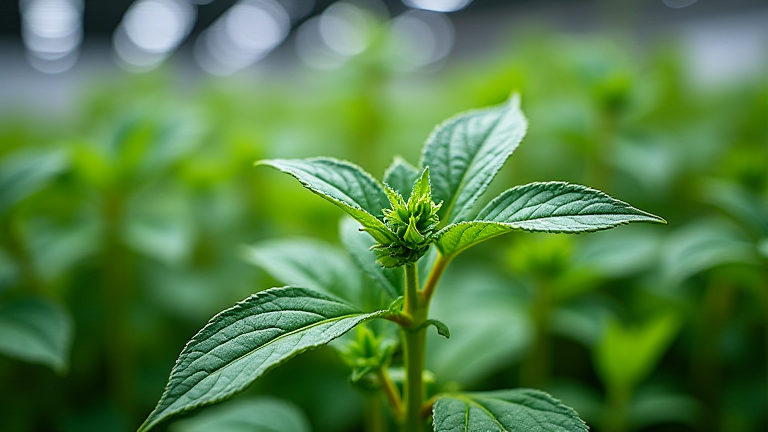
USDA Cyclospora Research Shelved Due to Cuts
TL;DR: The USDA has indefinitely paused its dedicated Cyclospora cayetanensis research program due to severe federal budget reductions. This move leaves a critical gap in understanding the parasite’s environmental persistence and transmission dynamics, increasing public health risks for consumers of imported produce.
Understanding the implications of this shelved research requires a structured approach to analyzing the data loss and its future impact. Follow these steps to navigate the current landscape of Cyclospora surveillance and mitigation in the absence of active USDA funding.
Step 1: Assess the Scope of Research Loss
Begin by identifying which specific research initiatives have been halted. Focus on studies related to parasite survival in various environmental conditions and the efficacy of current washing protocols. Note that without this data, farmers and importers lack updated guidance on reducing contamination risks. This step is crucial for understanding the immediate gap in scientific knowledge.
Step 2: Review Existing Public Health Guidelines
Since new research is unavailable, rely on existing CDC and FDA guidelines for handling high-risk produce. Review current recommendations for washing berries, leafy greens, and herbs. Pay close attention to the recommended soaking times and water temperatures. These existing protocols are now the primary defense against Cyclospora outbreaks until new data emerges.
Step 3: Monitor International Research Developments
Keep a close eye on publications from international health organizations, such as the WHO and European food safety agencies. These entities may continue funding Cyclospora studies that the USDA has shelved. Subscribe to relevant scientific journals and public health bulletins to stay informed about new findings regarding detection methods and treatment protocols.
Step 4: Implement Enhanced Consumer Practices
Adopt stricter personal hygiene practices when preparing food. Ensure all produce is washed thoroughly under running water before consumption. Avoid eating raw, unwashed herbs or berries, especially during peak outbreak seasons. Educate household members about the symptoms of Cyclosporiasis, including diarrhea and abdominal cramps, to ensure early detection and medical intervention.
Tips for Navigating the Research Gap
Do not assume that previous safety standards remain optimal indefinitely. The lack of new research means that environmental factors affecting Cyclospora survival may be changing. Engage with local agricultural extension offices for the most current, region-specific advice. Support public health initiatives that advocate for the restoration of federal food safety funding. Remember that prevention remains the most effective tool in the absence of comprehensive federal research support.
FAQ
Q: Why was the research shelved?
A: The research was shelved due to significant federal budget cuts that eliminated funding for this specific disease control program.
Q: Does this mean Cyclospora is no longer a threat?
A: No, the threat remains high; the shelving of research only reduces our ability to understand and mitigate future outbreaks effectively.
Q: How can consumers protect themselves now?
A: Consumers should strictly follow existing washing guidelines, avoid unwashed produce, and monitor for symptoms to seek medical care promptly if ill.
Leave a Reply