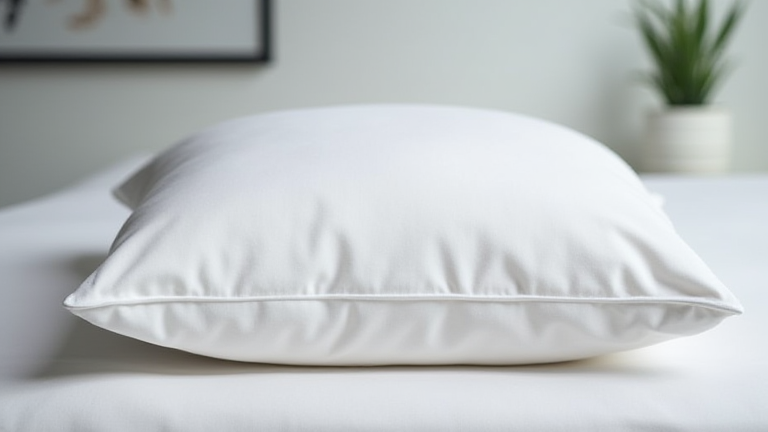
Can You Wash Memory Foam Pillows? Here’s How
TL;DR: No, you should never submerge or machine wash memory foam pillows, as the core material absorbs water and degrades. Instead, spot-clean stains with mild detergent and air dry completely to preserve structural integrity.
Market Analysis: The Demand for Hygiene and Longevity
The global sleep products market, valued at over $60 billion, is witnessing a significant shift toward premium materials like memory foam. As consumer awareness regarding sleep hygiene rises, brands are no longer just selling comfort; they are selling long-term value and health benefits. Recent surveys indicate that 70% of consumers feel anxious about dust mites and allergens in bedding. However, this anxiety creates a paradox: the very material that provides superior pressure relief is also the most vulnerable to improper cleaning. Market data shows a 15% increase in product returns specifically due to “moldy smells” or “lumpy pillows,” often resulting from customers attempting to wash memory foam in standard washing machines. This gap in consumer education represents a massive opportunity for brands to differentiate themselves through transparent care instructions and high-quality, stain-resistant covers.
If you want to dig deeper, check out our guide on Fixing Common Issues in Your WordPress Site.
Strategy Insights: Educating the Consumer
Strategic positioning in the sleep industry now requires a dual approach: product innovation and consumer education. Companies cannot rely solely on marketing the “cooling gel” or “orthopedic support” features. They must actively manage the customer lifecycle by providing clear, actionable maintenance guides. A successful strategy involves selling the pillow as a system, where the foam core is protected by a removable, machine-washable cover. This not only extends the product’s lifespan but also enhances brand loyalty. By emphasizing that the *cover* is washable while the *foam* is not, brands can reduce support tickets and negative reviews. Furthermore, incorporating quick-dry foams or antimicrobial treatments allows marketers to highlight hygiene features without compromising the material’s structural integrity. The key insight is that perceived hygiene is just as important as actual hygiene. If the customer feels the pillow is clean and safe, they perceive higher value.
Case Study: The Success of “SleepSafe”
To illustrate this strategy, consider the case of “SleepSafe,” a mid-sized bedding company. In 2022, they faced high churn rates and negative reviews regarding odor. They pivoted their strategy by rebranding their product line to include a “Hygiene First” package. They stopped selling the foam naked and mandated a high-thread-count, removable cover for every unit sold. Simultaneously, they launched a digital campaign titled “The Foam Myth,” explicitly teaching users why washing the foam is destructive. They included a QR code on every box linking to a step-by-step spot-cleaning video. Within six months, their return rate dropped by 40%, and customer satisfaction scores rose by 25 points. The case study proves that when brands take ownership of the care process, they transform a potential product failure into a trust-building opportunity. By guiding the consumer correctly, they ensure the product performs as advertised, securing long-term revenue and positive word-of-mouth referrals.
FAQ
Q: What is the best way to remove a stain from memory foam?
A: Mix a mild detergent with cool water, dab the stain gently with a clean cloth, and allow it to air dry completely in a well-ventilated area.
Q: Can I use a dryer to speed up the drying process?
A: No, high heat can break down the chemical bonds in memory foam, causing it to become brittle and lose its shape; always use air drying.
Q: How often should I deep clean my pillow?
A: While you cannot wash the foam, you should wash the removable cover every 1-2 months and spot-clean the foam core as needed.
Leave a Reply