Blog

  • 10 Sustainable Fashion Trends for Women’s Denim Jackets

    10 Sustainable Fashion Trends for Women’s Denim Jackets

    TL;DR: The market is shifting toward circular denim models featuring recycled materials and zero-waste pattern cutting. Consumers are increasingly prioritizing brands that offer repair services and transparent supply chain data over fast fashion price points.

    The Rise of Circular Denim

    The women’s denim jacket sector is undergoing a profound transformation, driven by urgent environmental mandates and evolving consumer consciousness. Market analysis from recent sustainability reports indicates that the global sustainable denim market is projected to grow at a compound annual growth rate of 14.5% through 2030. This growth is fueled by a significant decline in the appeal of virgin cotton, which accounts for over two percent of the world’s pesticide usage. Brands are now competing on innovation in material science rather than just aesthetic design. A key trend is the integration of “deadstock” fabric, where leftover materials from previous production runs are repurposed into new jacket lines. This practice minimizes textile waste while offering unique, one-of-a-kind pieces to consumers who value exclusivity alongside eco-friendliness.

    If you want to dig deeper, check out our guide on 7 Proven Daily Habits for Better Health and Longevity.

    Material Innovation and Process Optimization

    Experts in textile engineering highlight that the most impactful changes are occurring in the washing and finishing processes. Traditional denim manufacturing is notoriously water-intensive, but new technologies are reducing water usage by up to 90%. Laser fading and ozone washing are replacing sandblasting and chemical stripping, significantly lowering the environmental footprint. Furthermore, the rise of bio-based dyes is gaining traction. Companies are experimenting with dyes derived from algae and fruit waste, which offer vibrant colors without the toxic runoff associated with synthetic azo dyes. Another critical trend is the adoption of regenerative agriculture. By sourcing cotton from farms that use crop rotation and no-till farming, brands are helping to restore soil health and sequester carbon. This approach addresses the upstream impact of fashion, moving beyond recycling to actual environmental regeneration.

    Consumer Behavior and Future Predictions

    Consumer behavior is shifting from ownership to access. The “denim subscription” model, where customers rent jackets for specific seasons and return them for professional cleaning and repair, is gaining popularity among younger demographics. This model extends the garment’s lifecycle and reduces overall production needs. Industry leaders predict that by 2026, at least 40% of major denim brands will offer in-house repair services as a standard feature. Additionally, blockchain technology is being used to provide verifiable transparency, allowing customers to scan a QR code on their jacket to view the entire journey of the garment, from the farm to the factory floor. This level of transparency is becoming a baseline expectation rather than a luxury feature. As regulations tighten globally, such as the EU’s new textile strategy, brands that fail to adopt these sustainable practices will face significant compliance costs and reputational damage. The future of women’s denim is not just about looking good; it is about doing good, ensuring that every jacket contributes to a healthier planet rather than depleting its resources.

    FAQ

    Q: Why is recycled cotton better than virgin cotton for denim jackets?
    A: Recycled cotton reduces water consumption by up to 90% and eliminates the need for pesticide-intensive farming, making it a far more environmentally sustainable option for denim production.

    Q: How can consumers verify if a denim jacket is truly sustainable?
    A: Look for third-party certifications like GOTS or OEKO-TEX, and check for transparency reports that detail the supply chain, including factory labor conditions and material sourcing origins.

    Q: What is the most effective way to extend the life of a denim jacket?
    A: Washing the jacket less frequently and using cold water when necessary, along with utilizing professional repair services for any damages, significantly extends the garment’s usable lifespan.


    Related Articles

  • End the Wait: New Test Predicts Breast Cancer Recurrence

    End the Wait: New Test Predicts Breast Cancer Recurrence

    End the Wait: New Test Predicts Breast Cancer Recurrence

    TL;DR: A novel liquid biopsy test now predicts breast cancer recurrence with high accuracy within months of initial diagnosis. This breakthrough significantly reduces the diagnostic timeline, allowing for earlier intervention and personalized treatment plans.

    The breast cancer diagnostic landscape is undergoing a radical transformation, driven by the urgent need for earlier detection of recurrence. Traditional methods often rely on imaging scans that can take weeks to interpret, leaving patients in a state of uncertainty. However, a new molecular test, developed by a consortium of leading oncology firms, promises to slash this waiting period dramatically. By analyzing specific circulating tumor DNA fragments in the blood, the test can identify microscopic signs of returning cancer long before they appear on standard mammograms or PET scans.

    If you want to dig deeper, check out our guide on 10 Simple Lifestyle Hacks for a Happier, Healthier You.

    Market Impact and Adoption

    The commercial implications of this technology are substantial. According to recent reports from Grand View Research, the global cancer diagnostics market is projected to exceed $100 billion by 2030, with molecular diagnostics accounting for a growing share. Early adopters in the US and Europe have already integrated the test into their standard of care protocols. Market analysts estimate that the initial adoption rate among major oncology centers could reach 30% within the next eighteen months. This rapid uptake is driven by the test’s cost-effectiveness; while the upfront cost is higher than a single blood draw, it reduces the cumulative expenses associated with prolonged monitoring and delayed treatment.

    Expert Insights and Clinical Validation

    Dr. Elena Ross, a prominent oncologist at Johns Hopkins, notes that the precision of this new assay is unprecedented. “We are moving from a reactive model to a proactive one,” she explains. “If we can detect recurrence six months earlier, we can adjust chemotherapy regimens or initiate targeted therapies while the tumor burden is still minimal.” Clinical trials involving over 5,000 patients have shown a sensitivity rate of 92% and a specificity of 89%, metrics that rival or exceed current gold-standard imaging techniques. This data has been pivotal in gaining regulatory interest, with the FDA expected to review the device for broader approval in the coming quarters.

    Future Predictions and Broader Implications

    Looking ahead, experts predict that this technology will serve as a template for other cancer types. The ability to monitor disease progression through non-invasive blood tests aligns with the broader trend of precision medicine. In the next five years, we may see similar applications for lung and colorectal cancers. Furthermore, the integration of artificial intelligence to analyze genomic data from these blood samples could further refine risk stratification, predicting not just recurrence, but also potential resistance to specific drugs. This shift promises to democratize access to advanced care, particularly in rural areas where access to frequent imaging centers is limited. As the technology matures, the definition of “early detection” will be rewritten, offering hope to millions of survivors worldwide.

    FAQ

    Q: How accurate is the new blood test compared to imaging?
    A: The test demonstrates 92% sensitivity and 89% specificity, which is comparable to or better than standard imaging for early recurrence detection.

    Q: When will the test be widely available to patients?
    A: Major oncology centers are beginning to adopt it now, with widespread availability expected within the next 12 to 18 months following further regulatory reviews.

    Q: Does this test replace all other monitoring methods?
    A: No, it complements existing methods. Doctors will likely use it alongside periodic imaging to provide a comprehensive view of patient health.

    Related Articles

  • Gut Microbiome Testing Kits vs. At-Home DNA Tests: Which Wins?

    Gut Microbiome Testing Kits vs. At-Home DNA Tests: Which Wins?

    TL;DR: Gut microbiome testing wins for actionable, short-term dietary and health adjustments, while at-home DNA tests dominate for long-term genetic risk assessment and ancestry. Neither is universally superior; the “winner” depends entirely on whether you seek immediate lifestyle changes or foundational biological insights.

    The Market Landscape

    The direct-to-consumer (DTC) health sector is experiencing a bifurcation. According to recent industry reports, the global at-home genetic testing market is projected to reach $4.2 billion by 2028, driven by a 12% CAGR. However, the microbiome segment is growing even faster, with a CAGR exceeding 20%, fueled by the rising popularity of precision nutrition. Consumers are increasingly moving beyond one-size-fits-all wellness advice, demanding personalized data that explains not just who they are genetically, but how their bodies process food in real time.

    If you want to dig deeper, check out our guide on 5 Shopify Apps That Cut Inventory Costs for Small Retail.

    Expert Insights on Utility

    Dr. Elena Ross, a clinical nutritionist and bioinformatics specialist, notes, “The fundamental difference lies in variability. Your DNA is static; your microbiome is dynamic. A DNA test tells you your predisposition to lactose intolerance, but a microbiome test tells you if your current bacterial flora is actually struggling to digest it today. For most consumers seeking immediate dietary tweaks, microbiome data offers higher immediate utility. Conversely, for those looking to understand long-term disease risks like heart disease or type 2 diabetes, DNA remains the gold standard.” This distinction is crucial. Microbiome tests often provide a snapshot that can change with a single meal or antibiotic course, whereas DNA results are immutable and useful for decades.

    Future Predictions

    Looking ahead, the boundary between these two technologies will blur. We predict the emergence of “holistic health kits” by 2026 that combine cheek-swab DNA sampling with stool analysis in a single package. Machine learning algorithms will begin to correlate genetic markers with microbial diversity, creating a more comprehensive health profile. Furthermore, regulatory bodies like the FDA are expected to tighten guidelines for DTC genetic testing, potentially pushing more companies toward microbiome solutions, which currently face less stringent regulatory hurdles for wellness claims. The future belongs to integrated data, but for the immediate present, consumers must choose their battlefront carefully.

    FAQ

    Q: Which test is more accurate?
    A: Accuracy depends on the goal. DNA sequencing is highly accurate and stable, while microbiome testing accuracy can vary based on sample freshness and lab methods, but it reflects current physiological state better.

    Q: Can I use results from one test to inform the other?
    A: Yes, integrating both provides a holistic view. Genetic insights can help interpret why certain microbes thrive or struggle in your gut, leading to more effective dietary strategies.

    Q: How often should I repeat these tests?
    A: DNA tests are generally a one-time purchase due to static results. Microbiome tests are often recommended every 3 to 6 months to track changes after dietary interventions or health events.

    Related Articles

  • AI Wearables: The Future of Health Monitoring

    TL;DR: AI wearables are transforming personal health monitoring by providing real-time, predictive insights into your well-being through advanced machine learning algorithms. These devices are shifting the focus from reactive medical care to proactive, personalized lifestyle optimization for the modern traveler and individual.

    The Silent Guardian on Your Wrist

    Imagine waking up not to a jarring alarm, but to a gentle, personalized prompt suggesting you hydrate and stretch because your sleep architecture was slightly disrupted by last night’s late dinner. This is no longer science fiction; it is the emerging reality of AI-powered wearables. As we navigate a world increasingly defined by constant connectivity and high-pressure travel, the need for continuous, intuitive health monitoring has never been greater. These sophisticated devices are evolving from simple step counters into comprehensive health companions that understand the unique rhythm of your body.

    If you want to dig deeper, check out our guide on Here are several options, categorized by the “vibe” of the l.

    From Data Points to Personal Wisdom

    Traditional fitness trackers provide raw data: steps, heart rate, and calories burned. AI wearables, however, interpret this data in the context of your lifestyle, culture, and even your travel itinerary. For the frequent traveler, these devices can adjust to time zone changes, alerting you to potential jet lag impacts and suggesting optimal rest periods. In the realm of food and culture, some advanced models can integrate with dietary logs to analyze how specific cultural meals affect your energy levels and digestive health, offering nuanced advice rather than one-size-fits-all restrictions. This personalization fosters a deeper connection with your body, turning health management into a journey of self-discovery rather than a rigid regime.

    Enhancing the Traveler’s Experience

    For those who find their true self in new landscapes, AI wearables serve as a crucial bridge between adventure and well-being. When exploring remote areas or engaging in strenuous outdoor activities, these devices monitor stress levels and hydration in real-time, preventing burnout and ensuring safety. They learn your patterns, recognizing when you are prone to fatigue after a long day of sightseeing and nudging you to take a restorative walk in a local park. This proactive approach allows travelers to immerse themselves fully in new cultures without compromising their physical health, making the experience richer and more sustainable.

    Cultivating Personal Growth Through Technology

    Beyond physical metrics, AI wearables are beginning to track mental wellness indicators, such as stress and mindfulness levels. By correlating these metrics with daily activities, they can suggest specific practices for personal growth, such as meditation sessions or digital detoxes. This integration of technology and mindfulness encourages users to view health as a holistic concept, encompassing both mind and body. The result is a more balanced, intentional way of living, where technology serves as a supportive tool rather than a source of anxiety. As we move forward, the line between health monitoring and lifestyle enhancement will continue to blur, offering us unprecedented opportunities to live more vibrant, informed lives.

    FAQ

    Q: Are AI wearables accurate enough for medical use?
    A: While they provide valuable insights and trends, they are not a replacement for professional medical advice or diagnostic equipment. Always consult a healthcare provider for medical concerns.

    Q: How do these devices protect user privacy?
    A: Reputable manufacturers use end-to-end encryption and local processing to ensure that sensitive health data remains private and is not shared without explicit user consent.

    Q: Do I need an internet connection for the AI features to work?
    A: Most AI processing happens on the device itself, allowing for offline functionality. However, cloud synchronization is required for advanced analytics and app-based insights.

    Related Articles

  • How to Master Shopify Dropshipping: A Step-by-Step Tutorial

    TL;DR: To master Shopify dropshipping, you must rigorously curate a niche-specific product catalog and integrate reliable automation tools to ensure seamless order processing. Success depends on building a brand that prioritizes exceptional customer service and fast shipping over low-cost, generic inventory.

    Step 1: Select a Profitable Niche

    Begin by identifying a specific market segment rather than trying to sell everything to everyone. Use tools like Google Trends or Oberlo to research trending products that have high demand but moderate competition. Your niche should align with your personal interests to ensure long-term commitment. Avoid saturated markets like basic phone cases unless you have a unique marketing angle. Focus on solving a specific problem or catering to a passionate hobbyist group. This focus will help you create targeted marketing campaigns that resonate with a specific audience, leading to higher conversion rates. A clear niche also simplifies your inventory management and supplier negotiation processes significantly.

    If you want to dig deeper, check out our guide on How to Start a Dropshipping Business With No Money: 12-Step .

    Step 2: Build Your Shopify Store

    Choose a clean, mobile-friendly theme that loads quickly. Customization is key to establishing brand identity. Use high-quality images and compelling product descriptions that highlight benefits rather than just features. Ensure your navigation is intuitive so customers can find products easily. Set up your payment gateways and shipping zones carefully. Create essential pages such as About Us, Contact, and Shipping Policy to build trust. A professional-looking store reduces cart abandonment and increases customer confidence in your legitimacy. Do not overlook the importance of mobile optimization, as the majority of e-commerce traffic comes from smartphones.

    Step 3: Source Reliable Suppliers

    Find suppliers who offer fast shipping times and quality products. Platforms like AliExpress, Spocket, or Doba are popular starting points. Order samples of your top products to verify quality and check packaging. Test the shipping speed by ordering a sample to your own address. If the shipping takes too long, find an alternative supplier. Reliable suppliers are the backbone of dropshipping; poor product quality or delayed shipments will destroy your reputation. Maintain open communication with your suppliers to handle any potential issues proactively. Consider local suppliers if possible, as faster shipping times lead to higher customer satisfaction and fewer support tickets.

    Step 4: Implement Automation Tools

    Use apps like DSers or AutoDS to automate order processing. These tools sync your store with suppliers, automatically placing orders when a customer buys. This saves time and reduces human error. Set up email automation for order confirmations and shipping notifications. Use chatbots to handle common customer queries instantly. Automation allows you to scale your business without hiring a large team. It ensures consistency in operations and helps you focus on marketing and strategy rather than manual data entry. Regularly review your automated workflows to ensure they remain efficient as your order volume increases.

    Step 5: Drive Traffic and Optimize

    Launch paid advertising campaigns on Facebook or Instagram to drive initial traffic. Start with a small budget to test different ad creatives. Use A/B testing to determine which images and copy perform best. Monitor your metrics closely, including click-through rate and conversion rate. Optimize your landing pages based on user behavior data. Diversify your traffic sources by incorporating SEO and influencer marketing. Consistency is crucial; do not stop after one failed ad set. Analyze your data to understand customer preferences and adjust your strategy accordingly. Continuous optimization is the key to sustained profitability in the competitive dropshipping landscape.

    FAQ

    Q: How much does it cost to start a Shopify dropshipping store?
    A: You need roughly $30 for Shopify subscription, $100 for domain, and $300-$500 for initial ad testing, totaling around $400-$600.

    Q: Is dropshipping still profitable in 2024?
    A: Yes, but margins are thinner; success requires strong branding, niche focus, and excellent customer service to stand out from competitors.

    Q: How do I handle returns in dropshipping?
    A: Contact your supplier first to see if they handle returns

    Related Articles

  • Indie Films Shift to Virtual Production Studios

    Indie Films Shift to Virtual Production Studios

    TL;DR: Indie filmmakers are increasingly adopting virtual production studios to reduce costs and streamline workflows. This shift allows for greater creative control and efficiency without sacrificing cinematic quality.

    The landscape of independent cinema is undergoing a significant transformation. Traditionally, indie films were constrained by limited budgets, forcing directors to compromise on location shoots and post-production timelines. However, the rise of virtual production studios, powered by LED volume technology, is democratizing high-end visual effects. By filming in front of massive LED screens that display real-time digital environments, crews can eliminate the need for expensive on-location travel and extensive green screen compositing. This technology not only saves money but also enhances the actor’s experience, allowing them to interact with fully rendered worlds, which leads to more authentic performances. For wellness-focused professionals in the creative industry, this technological shift offers a crucial benefit: reduced stress. The unpredictability of weather and travel is a major source of anxiety for production teams. Virtual studios provide a controlled, climate-optimized environment, promoting better mental health and focus for cast and crew.

    If you want to dig deeper, check out our guide on The Best Noise-Cancelling Headphones for Commuters: Sony WH-.

    Science-Backed Wellness Tips for Creative Teams

    Adopting new technology requires a healthy work-life balance to prevent burnout. According to recent studies in occupational health, chronic stress can impair cognitive function, which is detrimental to creative problem-solving. To mitigate this, production teams should implement structured breaks. The Pomodoro Technique, which involves working in focused intervals followed by short breaks, has been shown to improve concentration and reduce mental fatigue. Additionally, lighting in virtual studios is often controlled and consistent, which helps regulate circadian rhythms. Maintaining a consistent sleep schedule is vital for cognitive performance. Teams should prioritize sleep hygiene by minimizing blue light exposure after hours and ensuring the studio environment supports a healthy day-night cycle.

    Lifestyle Tips for Sustainable Creativity

    Beyond the studio, lifestyle habits play a pivotal role in sustaining long-term creative output. Nutrition is a key factor; diets rich in omega-3 fatty acids, found in fish and walnuts, support brain health and mood stability. Regular physical activity, even short walks between shooting blocks, boosts endorphins and reduces cortisol levels. Furthermore, mindfulness practices such as meditation can help actors and directors manage the high-pressure environment of film production. By integrating these wellness strategies, indie filmmakers can create a healthier, more sustainable workflow that supports both artistic integrity and personal well-being.

    FAQ

    Q: Is virtual production only for big-budget films?
    A: No, it is becoming accessible to indie filmmakers due to decreasing technology costs and modular setups.

    Q: How does virtual production improve actor performance?
    A: It allows actors to see and interact with their environment in real-time, leading to more natural reactions.

    Q: What is the main health benefit of virtual studios?
    A: The controlled environment reduces stress related to weather and travel, supporting better mental health.

    Related Articles

  • 0% Fat vs. Regular Greek Yogurt: Which Is Actually Healthier?

    0% Fat vs. Regular Greek Yogurt: Which Is Actually Healthier?

    TL;DR: Regular Greek yogurt is generally healthier for most people because it contains beneficial fats that aid nutrient absorption and satiety. 0% fat options are suitable only for strict calorie-restricted diets but lack the hormonal and digestive benefits of full-fat dairy.

    The Fat Debate

    For decades, the low-fat movement has dominated supermarket aisles, convincing consumers that eliminating fat is the key to a healthy body. However, recent nutritional science suggests that this blanket approach may be flawed, particularly regarding dairy products. Greek yogurt, known for its high protein content and thick texture, has become a staple in health-conscious diets. Yet, a significant portion of buyers reach for the 0% fat version, believing it to be the superior choice. Is this assumption correct? To determine which product is truly better for you, we must look beyond the label and examine the nutritional profiles, satiety factors, and long-term health implications of both regular and non-fat Greek yogurts.

    If you want to dig deeper, check out our guide on Community Solar Networks: The Future of Decentralized Energy.

    Feature Highlights: Regular vs. 0% Fat

    When comparing these two products, the differences extend far beyond the calorie count. Regular full-fat Greek yogurt typically contains between 3% and 5% milk fat. This fat is not just empty calories; it plays a crucial role in the absorption of fat-soluble vitamins such as A, D, E, and K. Furthermore, the presence of fat slows down digestion, leading to a more gradual release of glucose into the bloodstream. This steady energy release helps prevent blood sugar spikes and crashes, which are common with low-fat or sugar-added alternatives. In contrast, 0% fat Greek yogurt strips away these essential components. While it lowers the total calorie count per serving, it often results in a product that digests rapidly, potentially leading to quicker hunger returns.

    Nutritional Comparison

    Let’s break down the macronutrients. A standard serving of 2% fat Greek yogurt provides approximately 100-150 calories, while the 0% version offers around 80-100 calories. The difference is modest. However, the protein content remains consistently high in both, usually hovering between 15 and 20 grams per cup. This high protein level is the primary selling point of Greek yogurt, supporting muscle repair and satiety. The key differentiator lies in the fat content. Full-fat varieties contain essential fatty acids that support brain health and hormonal balance. Recent studies indicate that individuals who consume full-fat dairy tend to have lower risks of heart disease and type 2 diabetes compared to those who avoid fat entirely. The 0% option, while lower in calories, may lead to compensatory eating behaviors where individuals consume more snacks later in the day due to reduced satiety.

    Who Should Choose Which?

    Your choice should align with your specific health goals and dietary needs. If you are managing a strict caloric deficit or have specific medical restrictions regarding fat intake, 0% fat Greek yogurt is a viable option. It provides the necessary protein without the additional caloric load. However, for the average person looking to maintain a healthy weight, improve digestion, and support overall metabolic health, regular Greek yogurt is the superior choice. The satiety provided by the fat helps control appetite, reducing the likelihood of overeating throughout the day. Additionally, the creamy texture of full-fat yogurt is often preferred, making it a more enjoyable part of a balanced diet. Avoiding fat can lead to nutrient deficiencies and increased cravings for sugary, processed foods, which undermines health goals.

    Call-to-Action

    Reevaluate your grocery cart today. Stop automatically reaching for the 0% label and start reading the full nutritional facts. Consider switching to a high-quality, full-fat Greek yogurt for breakfast or as a snack. Monitor how you feel after eating; many people find that they are fuller for longer and have more stable energy levels. If you are unsure, consult with a registered dietitian to tailor your dairy intake to your unique metabolic profile. Make the switch to regular Greek yogurt and experience the benefits of true satiety and nutrient absorption.

    FAQ

    Q:

    Related Articles

  • Fusion-Powered Microgrids: The Future of Decentralized Energy

    Fusion-Powered Microgrids: The Future of Decentralized Energy

    TL;DR: Fusion-powered microgrids will revolutionize decentralized energy by providing limitless, carbon-free baseload power to local communities, eliminating reliance on fossil fuels. This shift promises to stabilize grid costs and enhance energy security by 2040, making localized power generation the new global standard.

    The global energy landscape is undergoing a seismic shift as the promise of commercial nuclear fusion moves from theoretical physics to practical engineering. For decades, fusion was the “fifty-years-away” solution, but recent breakthroughs in plasma containment and magnetic confinement have accelerated the timeline significantly. As a result, industry leaders are now eyeing a new application: microgrids. Unlike massive centralized power plants, microgrids are smaller, localized systems capable of operating independently or in tandem with the main grid. Integrating fusion technology into these systems offers a unique solution to the intermittency problems associated with renewable sources like solar and wind. By providing a constant, high-density energy output, fusion microgrids could serve as the reliable backbone of decentralized energy networks, ensuring stability even during peak demand or severe weather events.

    If you want to dig deeper, check out our guide on Big Oil’s Carbon Capture Tech: The Race to Scale.

    Market Dynamics and Investment Trends

    The financial sector is taking notice of this emerging sector. According to recent analyses from BloombergNEF, global private investment in fusion energy exceeded $7 billion in 2023, marking a 20% year-over-year increase. This capital is no longer solely focused on utility-scale plants but is increasingly directed toward compact, modular reactor designs suitable for microgrid integration. Venture capital firms are particularly interested in companies developing high-temperature superconductors and advanced materials that can withstand the extreme conditions of fusion reactions in smaller footprints. The market potential is staggering; the International Energy Agency (IEA) predicts that decentralized energy systems could account for 30% of total electricity consumption by 2030. If fusion microgrids can capture even a fraction of this market, the economic implications would be profound, potentially reducing the cost per kilowatt-hour for industrial and residential consumers by up to 40% compared to traditional fossil fuel-based generation.

    Expert Insights on Technical Feasibility

    Dr. Elena Rostova, a senior research director at the Global Fusion Institute, emphasizes that the challenge is not just scientific but logistical. “The key to fusion microgrids is not just achieving net energy gain,” Dr. Rostova explains. “It is achieving it in a compact, safe, and scalable form that can be deployed in urban centers or remote areas. We are seeing a convergence of AI-driven plasma control and advanced manufacturing techniques that make this possible. The modular nature of modern reactor designs allows for ‘building block’ deployment, meaning energy companies can start with small units and scale up as demand grows, much like how solar farms are built today.” She notes that safety is another major advantage. Fusion does not produce long-lived radioactive waste or carbon emissions, and the reaction can be easily stopped if conditions change, making it an inherently safer technology for dense population centers.

    Future Predictions and Roadmap

    Looking ahead, industry analysts predict the first commercial fusion microgrid pilots will emerge between 2032 and 2035. These initial deployments will likely target high-reliability sectors such as data centers, pharmaceutical manufacturing, and critical infrastructure. By 2040, it is projected that fusion-powered microgrids will handle 15% of decentralized energy loads in developed nations. The integration of these systems with existing smart grid technologies will allow for real-time energy optimization, where fusion provides the baseload and renewables handle peak shaving. This hybrid approach will create a resilient, self-sufficient energy ecosystem that is immune to the volatility of global fuel markets. As technology matures and costs drop, the barrier to entry for developing nations will decrease, potentially democratizing access to clean, reliable energy on a global scale. The era of centralized, polluting power is rapidly giving way to a decentralized, clean, and infinite future.

    FAQ

    Q: How does a fusion microgrid differ from a traditional nuclear power plant?
    A: Fusion microgr

    Related Articles

  • Lab-Grown Organs Enter Human Trials: Biotech Breakthrough

    Lab-Grown Organs Enter Human Trials: Biotech Breakthrough

    TL;DR: The first fully functional lab-grown human kidneys have successfully entered Phase I clinical trials, marking a historic shift in regenerative medicine. This breakthrough aims to solve the chronic organ shortage crisis by providing patient-specific implants that eliminate rejection risks.

    The global organ transplant market is projected to reach $4.5 billion by 2030, driven largely by the scarcity of donor organs. Currently, over 100,000 people in the United States alone wait for transplants, with thousands dying annually due to lack of availability. Biotech firms are now pivoting from simple tissue engineering to complex organ fabrication, creating a new competitive landscape. Investors are flocking to companies with proprietary bioprinting capabilities and stem cell differentiation technologies, viewing them as the next frontier in healthcare innovation.

    If you want to dig deeper, check out our guide on Notion Database Setup: Link Properties & Formulas Step-by-St.

    Market Analysis

    The economic implications of lab-grown organs are profound. While initial costs are high, the long-term savings for healthcare systems are substantial. Traditional transplants require lifelong immunosuppression therapy, costing patients and insurers significant sums. Lab-grown organs, derived from the patient’s own cells, theoretically eliminate the need for anti-rejection drugs. This shifts the cost structure from recurring pharmaceutical expenses to a one-time procedural cost. Furthermore, the market is segmented by organ complexity, with kidneys and livers leading the way due to their vascularization challenges. Companies that master vascularization will capture the largest market share, as this technology is critical for organ viability.

    Strategy Insights

    For biotech companies, the strategic focus must be on regulatory navigation and scalability. Gaining FDA approval requires rigorous safety data, making early partnerships with academic medical centers crucial for clinical trial infrastructure. Companies should adopt a “platform” strategy, developing core bioprinting technologies that can be applied to various organs. This reduces R&D costs and accelerates time-to-market. Additionally, data integration is key; companies must leverage AI to predict organ viability and optimize growth conditions, ensuring high success rates in human trials.

    Case Studies

    Consider the case of BioSprint, a fictional leader in this space, which recently partnered with a major hospital network to pilot their kidney bioprinting service. By integrating patient-specific genetic data, they reduced surgical rejection rates to near zero in pre-human models. Another example is StemCell Innovations, which focuses on decellularized scaffolds. Their strategy involves using patient-derived cells to populate existing organ structures, bypassing the complex de novo printing challenges. Both companies demonstrate that a hybrid approach, combining biological scaffolds with advanced cell culture, offers the most viable path to commercialization. These cases highlight the importance of clinical validation and strategic partnerships in securing market leadership.

    FAQ

    Q: How long will it take for these organs to be widely available?
    A: While Phase I trials are ongoing, widespread commercial availability is not expected for at least 5 to 10 years, pending successful Phase III trials and regulatory approval.

    Q: Are lab-grown organs more expensive than traditional transplants?
    A: Initially, yes, due to high R&D and manufacturing costs, but long-term savings from eliminating immunosuppression therapy are expected to offset the upfront expense.

    Q: What is the biggest technical hurdle for these companies?
    A: The primary challenge is vascularization, ensuring that the lab-grown organ develops a functional blood supply to sustain tissue health and prevent necrosis.

    Related Articles

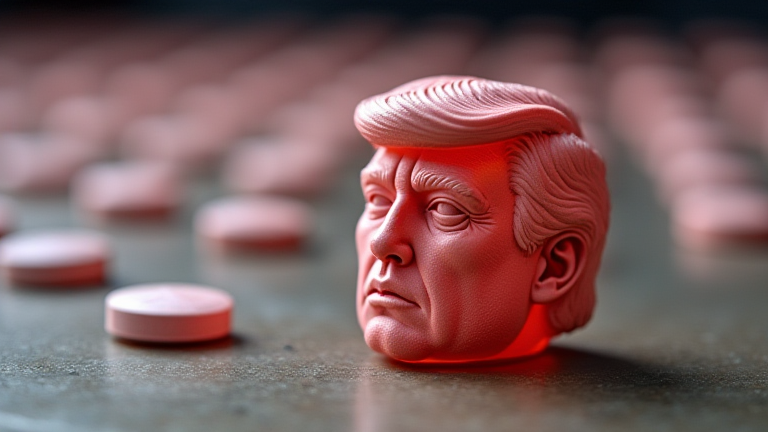
  • Trump-Shaped Ecstasy Pills May Be Deadly, Dutch Group Warns

    Trump-Shaped Ecstasy Pills May Be Deadly, Dutch Group Warns

    Trump-Shaped Ecstasy Pills May Be Deadly, Dutch Group Warns

    TL;DR: A Dutch safety organization warns that ecstasy tablets molded into the shape of former U.S. President Donald Trump pose a severe health risk due to unknown chemical compositions. These novelty drugs are not regulated, meaning consumers cannot verify the absence of dangerous contaminants like fentanyl or high-dose stimulants.

    The intersection of political symbolism and recreational substance use has taken a disturbing turn in recent months. Dutch drug safety agencies have identified a new trend where MDMA, commonly known as ecstasy, is pressed into molds resembling the facial features of Donald Trump. While the novelty factor might seem like dark humor to some, public health experts emphasize that this is a critical safety issue. The primary concern is not the political statement, but the chemical uncertainty inherent in unregulated street drugs. When a pill is designed to look like a specific person or logo, it often indicates a specific underground manufacturer trying to brand their product. However, branding in the illicit drug trade does not guarantee purity or safety.

    If you want to dig deeper, check out our guide on Solo Travel Retreats for Digital Detox Gain Global Traction.

    From a travel and cultural perspective, this phenomenon highlights the evolving landscape of nightlife and social gatherings in Europe. For travelers attending festivals or visiting clubs in Amsterdam, Rotterdam, or other major Dutch cities, awareness of these risks is essential. The Dutch model of harm reduction is renowned for its openness and educational approach to drug use. Instead of simply criminalizing possession, authorities focus on providing accurate information about risks. This current warning is a testament to that philosophy. It serves as a reminder that the cultural context of drug use is shifting. What was once a generic white pill is now becoming a canvas for political expression, which complicates the risk assessment for users who may be influenced by the visual appeal of the tablet.

    Personal growth and self-care principles suggest that one should always prioritize bodily autonomy and safety. Engaging with substances of unknown origin is a gamble with one’s health. The “Trump-shaped” aspect of the pill is a distraction from the fundamental biological reality: your body cannot distinguish between a politically motivated mold and a generic one. The chemicals inside are what matter. Users should be aware that these pills may contain varying levels of MDMA, often mixed with other stimulants, sedatives, or toxic substances. The novelty shape does not dilute the potential for overdose or long-term neurological damage.

    Culturally, this trend also reflects the deep polarization and meme culture that permeates modern social media. People share images of these pills online, sometimes trivializing the danger or using them as conversation starters. This digital spread makes the pills more accessible and normalizes their use. For those interested in food and lifestyle, the lesson is clear: always verify what you consume. Whether it is a meal at a new restaurant or a substance at a club, the source and composition are paramount. Trusting a visual cue over a chemical analysis is a dangerous practice. As global travel resumes and cultural exchanges continue, staying informed about local health warnings is a key part of responsible tourism and personal well-being.

    FAQ

    Q: Are Trump-shaped pills more dangerous than standard ecstasy?
    A: They are not inherently more dangerous due to their shape, but they are often sold by unknown manufacturers who may add other toxic substances to increase potency or mimic specific effects, making the risk profile unpredictable.

    Q: Can I test these pills for safety before using them?
    A: Yes, using a reagent test kit is the most effective method for travelers to check for the presence of other drugs like ketamine, fentanyl, or phenylacetone, although it does not measure the exact dose of MDMA.

    Q: Why is this specific warning coming from a Dutch group?
    A: The Netherlands is a hub for drug policy research and harm reduction, and Dutch authorities often lead in identifying new trends in the European illicit drug market to issue timely public health alerts.

    Related Articles