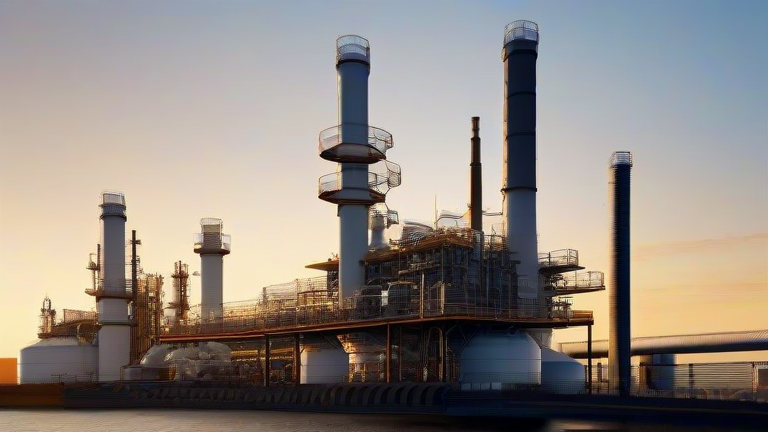
TL;DR: Big Oil is betting billions on carbon capture to offset emissions, but the tech is still too expensive and slow to scale. The real race isn’t just about engineering—it’s about whether we can retrofit a fossil-fuel lifestyle into something sustainable without giving up the travel, food, and cultural rituals we love.
The Carbon Captured Vacation: A New Kind of Guilt-Free Travel
You’re sipping a flat white in a Reykjavík café, watching steam rise from geothermal vents. The barista tells you the coffee beans were roasted using carbon-neutral heat, and the milk came from a farm that feeds its cows seaweed to cut methane. It feels good. But the flight to Iceland? That’s the elephant in the cabin. Enter the carbon capture plant on the edge of town—a maze of silver pipes and fans that sucks CO₂ straight from the air and pumps it into basalt rock, where it mineralizes in two years. It’s the travel industry’s new holy grail: fly now, bury the guilt later.
If you want to dig deeper, check out our guide on Sony WH-1000XM5 vs Bose QC45: Which Noise-Cancelling Headpho.
But here’s the uncomfortable truth: scaling carbon capture is like trying to build a Michelin-star kitchen in a food truck. The technology works—Climeworks, Occidental, and Chevron are all running pilot projects—but the economics are brutal. Capturing one ton of CO₂ costs anywhere from $100 to $600, and the world needs to remove billions of tons annually to make a dent. For every vacation you take, the carbon bill is a hidden tax that no airline has yet passed on. The race isn’t about who builds the biggest fan; it’s about who can cut costs by 90% before the climate bill comes due.
Food’s Carbon Footprint: From Farm to Filter
Now walk into any trendy grocery store. You’ll see “regenerative” beef, “climate-positive” avocados, and “low-carbon” pasta. But the most radical shift is happening behind the scenes. Big Oil is partnering with food giants to capture emissions from fertilizer plants and breweries, turning CO₂ into carbonated drinks or even protein powder. Imagine a burger where the patty was grown using captured carbon from a refinery. It sounds like sci-fi, but it’s already in labs. The catch? These “circular carbon” chains are fragile. If the capture plant breaks down, your sparkling water loses its fizz and your protein shake disappears. Scaling carbon capture means global supply chains get weirdly intimate with oil executives—and that’s a cultural shift we haven’t digested yet.
Personal Growth: Living With a Carbon Budget
The most personal angle? Treating carbon capture like a gym membership for your lifestyle. You don’t skip the workout; you pay for recovery. Similarly, you don’t give up your annual trip to Kyoto or your Sunday roast; you invest in a subscription service that removes the equivalent CO₂. It’s a mindset shift from guilt to accountability. Big Oil wants to sell you this—it’s called “carbon offsets 2.0.” But skeptics call it a license to pollute. The growth opportunity is in learning to read the fine print: what’s permanent, what’s verifiable, and what’s just greenwashing with a fan. The race to scale isn’t just technical; it’s emotional. Can we trust a system that lets us keep our cake and eat it, too?
FAQ
Q: Can carbon capture actually save the travel industry?
A: Only if costs drop by 80% and airlines are forced to buy removal credits—otherwise it’s a luxury add-on for wealthy flyers, not a systemic fix.
Q: Is “carbon-neutral” food a real thing or marketing?
A: It’s real for a few products, but most claims rely on future capture projects that haven’t been built. Look for third-party verification like Puro.earth or Gold Standard.
Q: What can I personally do while Big Oil scales up?
A: Calculate your annual emissions
Leave a Reply