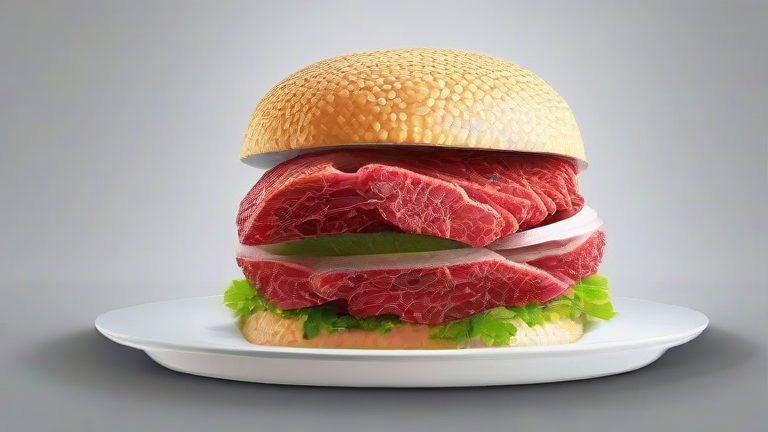
Lab-Grown Meat: How Synthetic Biology Creates the Future of Food
TL;DR: Lab-grown meat utilizes cellular agriculture to produce animal protein without traditional livestock farming, offering a sustainable and ethical alternative. It represents a pivotal shift in food security by decoupling meat production from environmental degradation and animal welfare concerns.
Feature Highlights
At the core of this innovation is the process of cellular agriculture, which involves isolating animal stem cells and cultivating them in a controlled bioreactor environment. This technology allows for the creation of muscle and fat tissues that are biologically identical to conventional meat. A primary feature of this product line is its superior safety profile. Because the growth occurs in sterile, controlled conditions, the risk of zoonotic diseases, antibiotic resistance, and contamination is significantly reduced compared to traditional farming practices. Furthermore, the nutritional content is highly consistent, as the cellular environment can be precisely calibrated to optimize protein, fat, and vitamin levels. Consumers also appreciate the transparency offered by blockchain tracking, which ensures traceability from cell source to final product. The texture and flavor profiles have improved dramatically in recent years, with new formulations mimicking the specific mouthfeel of beef, pork, and poultry with remarkable accuracy. This technological advancement addresses the growing demand for high-quality protein that aligns with modern ethical standards and environmental responsibilities.
If you want to dig deeper, check out our guide on **Banish Gray for Months: Long-Lasting Hair Color That Won’t.
Comparisons
When comparing lab-grown meat to traditional animal farming, the differences in resource efficiency are stark. Producing a kilogram of beef through conventional methods requires approximately 15,000 liters of water and generates significant greenhouse gas emissions. In contrast, cellular agriculture can reduce water usage by up to 90% and land use by 95%. This efficiency makes it a critical solution for global food security in a warming climate. Compared to plant-based meat alternatives, lab-grown meat offers a more authentic sensory experience. Plant-based products rely on complex blends of ingredients to mimic meat, often resulting in a different nutritional profile and texture. Lab-grown meat, however, is actual animal tissue, providing the same amino acid profile and fat structure as traditional meat without the associated environmental costs. While current prices remain higher than conventional meat due to the high cost of bioreactors and media, ongoing scaling efforts are rapidly driving costs down. As production capacity increases, the price gap is expected to close, making this technology accessible to a broader consumer base. The comparison also highlights a shift in supply chain resilience, as bioreactors can be located closer to urban centers, reducing transportation emissions and supply chain vulnerabilities.
Call-to-Action
Join the movement toward a sustainable food future by exploring the latest options in cellular agriculture. Visit our online platform to read detailed nutritional breakdowns, watch educational videos on the production process, and place your pre-order for the upcoming launch batches. By choosing lab-grown meat, you are not just making a dietary choice; you are investing in a healthier planet and a more ethical food system. Share your thoughts and questions in the community forum to help drive the conversation forward. Together, we can redefine what it means to eat well while caring for the world we live in. Take the first step today and be part of the revolution in synthetic biology.
FAQ
Q: Is lab-grown meat safe to eat?
A: Yes, it is produced in sterile, controlled environments that minimize the risk of bacterial contamination and disease transmission, often making it safer than traditionally farmed meat.
Q: How does the taste compare to conventional meat?
A: Modern lab-grown meat closely mimics the texture, flavor, and fat profile of traditional meat, with many blind taste tests showing high consumer acceptance and preference.
Q: Why is the current price higher than regular meat?
A: The higher cost is due to the expensive bioreactors and nutrient media required for cell growth, though prices are decreasing rapidly as production scales up and technology becomes more efficient.
Leave a Reply