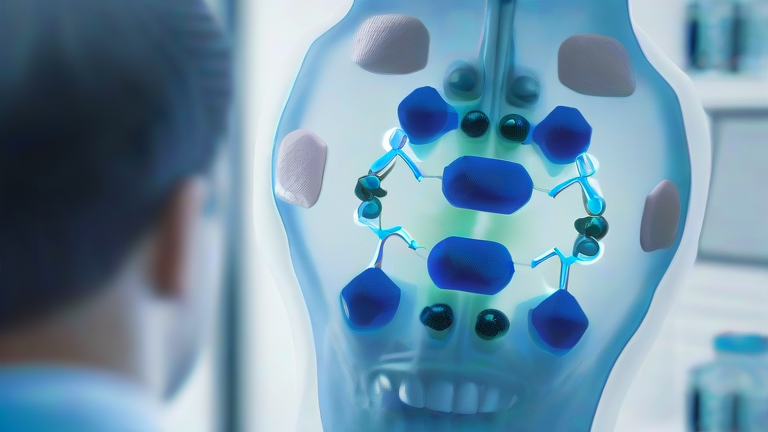
TL;DR: Digital twins—virtual, full-body simulations of individual patients—are now being used to run pre-clinical drug trials, predicting how a specific human body will react before a single pill is swallowed. This means faster, safer, and more personalized medicine, cutting years off traditional animal and early-phase testing.
The New Souvenir: A Simulation of You
Imagine packing for a trip not with a suitcase, but with a digital replica of your own physiology. You’re not heading to Paris or Tokyo; you’re heading to a lab, where a supercomputer runs thousands of drug trials on a “you” that never feels pain, never sleeps, and never ages. This isn’t a plot from a sci-fi novel—it’s the quiet revolution happening in biotech, and it’s about to change how you think about your next prescription.
If you want to dig deeper, check out our guide on 7 Minimalist Home Decor Ideas to Elevate Your Living Room.
For the traveler, the foodie, or the wellness obsessive, the concept is oddly familiar. We use maps before we walk a new city, recipe apps before we bake sourdough, and fitness trackers before we run a marathon. Digital twins are the ultimate pre-flight checklist for your body. They don’t replace the journey—they just let you skip the wrong turns. In clinical research, this means a drug that might fail in a human trial can be “tested” on thousands of virtual bodies—different ages, ethnicities, genetic markers, and even gut microbiomes—before it ever touches a real volunteer.
From Plate to Patient: A Cultural Shift
Think of your favorite street food stall. The vendor doesn’t serve you a raw dish, then ask if you like it. They taste, adjust, and refine. Drug development has been stuck in a “serve raw, hope for the best” mode for decades. Animal models—mice, rats, primates—are like cooking for a friend whose palate you’ve never met. A digital twin is the friend who tells you exactly how much chili they can handle, down to the molecule.
This isn’t just a technical win; it’s a cultural one. It shifts the power dynamic from “wait and see” to “predict and personalize.” For global health, this is a game-changer. A malaria drug tested on a digital twin of a West African child with sickle cell trait behaves differently than on a Nordic adult with high cholesterol. Digital twins let us run “virtual clinical trials” across the entire human spectrum without exploiting a single vulnerable community. It’s ethical travel—no visas, no side effects, just data-driven empathy.
Personal Growth, Digitally Accelerated
On a personal level, this technology whispers a profound truth: your body is a unique ecosystem, not a generic template. The next time you pop an ibuprofen or consider a new supplement, imagine that a digital twin already ran the scenario for you. It could predict liver stress, allergic reactions, or even how your sleep cycle might be altered. This is the ultimate self-care hack—not just “listening to your body,” but running a full diagnostic simulation before you make a choice.
The travel angle is simple: your health journey is the longest trip you’ll ever take. Digital twins don’t erase the adventure of living—they remove the blindfold. They let you walk into a pharmacy, a doctor’s office, or a foreign clinic with the confidence of a local who knows every shortcut. Pre-clinical trials are no longer just for lab coats; they’re for you, your family, and your future self. The next breakthrough isn’t a new molecule—it’s a mirror that runs on code.
FAQ
Q: How is a digital twin different from a regular computer model of a disease?
A: A digital twin is built from an individual’s specific data—genome, microbiome, organ function, lifestyle—not just a generic disease pathway. It’s a living, updating virtual copy of *you*, not a static chart. This allows for highly personalized drug response predictions.
Q: Will this replace animal testing or human trials entirely?
A
Leave a Reply