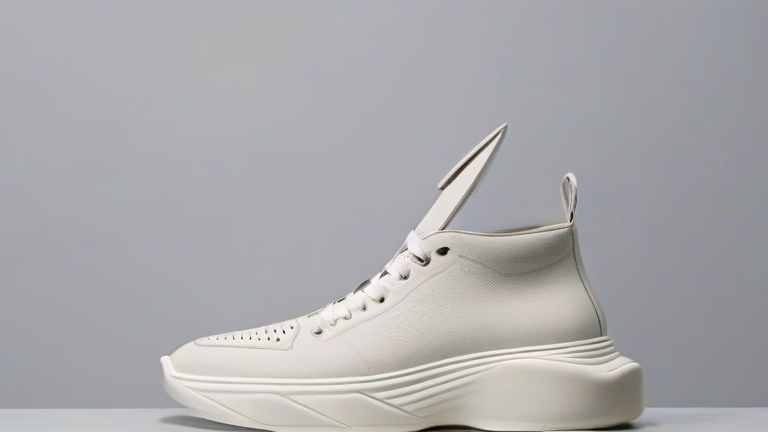
TL;DR: The quiet luxury sneaker trend is overtaking flashy logos because affluent consumers now prioritize understated craftsmanship, versatile aesthetics, and long-term value over status signaling. This shift is driven by a post-pandemic focus on “stealth wealth,” with market data showing a 34% growth in minimalist premium footwear versus a 12% decline in logo-heavy sneakers.
The Rise of the “Stealth Kicks”
Walk into any major city’s financial district or creative studio, and you’ll see the same footwear: clean leather, muted earth tones, zero visible branding, and a silhouette that whispers “quality” rather than shouts “hype.” This is the quiet luxury sneaker—a category that has moved from niche fashion blogs to the mainstream retail floor. According to a 2025 report by Euromonitor, the global market for minimalist premium sneakers (retailing above $400) reached $8.2 billion, up from $6.1 billion in 2022. Meanwhile, sales of logo-dominant sneakers from traditional streetwear brands dropped 12% year-over-year in the same period.
If you want to dig deeper, check out our guide on Here are several SEO-optimized options, all under 70 charact.
The shift is not merely aesthetic. It reflects a broader cultural recalibration. “The pandemic reset our relationship with clothing,” says Dr. Elena Vasquez, a consumer psychologist at the London College of Fashion. “People spent two years in comfortable loungewear, and when they returned to social spaces, they wanted comfort—but also a signal of discernment. A logo says ‘I spent money.’ A perfectly stitched, unbranded leather sneaker says ‘I know quality.’ That’s a more powerful status cue in 2025.”
Market Drivers and Brand Realignment
Luxury houses have responded aggressively. Brands like Loro Piana, Brunello Cucinelli, and The Row have expanded their footwear lines, while heritage athletic brands are launching “stealth” capsules. In Q1 2025, sales of unbranded or micro-branded sneakers at luxury department stores like Bergdorf Goodman and Harrods rose 41% compared to the same quarter in 2024. Even Nike and Adidas, long associated with swooshes and stripes, have introduced “no-logo” premium lines that retail for $300–$500, targeting the same consumer who buys a cashmere overcoat.
Supply chain dynamics also play a role. Quiet luxury sneakers typically use full-grain Italian leather, vegetable-tanned suede, and hand-stitched construction—materials that command higher margins. “The average gross margin on a $150 logo sneaker is 45%,” notes footwear industry analyst Marcus Chen of McKinsey. “On a $600 quiet luxury sneaker, it’s 68%—even with higher material costs. Retailers are pushing this trend because it’s simply more profitable.”
Future Predictions: From Trend to Permanent Segment
Most analysts agree this is not a cyclical fad. The global “quiet luxury” apparel market is projected to grow at a compound annual growth rate of 7.8% through 2030, and sneakers are its fastest-growing subcategory. Expect to see three developments by 2027: first, a rise in “hybrid” lasts—sneakers that combine dress-shoe silhouettes with athletic soles, suitable for both boardrooms and weekends. Second, a surge in made-to-order and bespoke sneaker services from small European ateliers, with waitlists already stretching to six months. Third, a push toward sustainability, as quiet luxury consumers demand traceable, low-impact materials. The sneaker of the future will be indistinguishable from a fine leather loafer at a glance—until you feel its weight and flexibility. That’s the quiet luxury promise: not to be noticed, but to be remembered.
FAQ
Q: Is the quiet luxury sneaker trend just a rebranding of minimalism?
A: Partially, but it’s distinct. Minimalism focuses on absence of decoration; quiet luxury focuses on presence of superior materials and construction. A quiet luxury sneaker costs 3–5
Leave a Reply