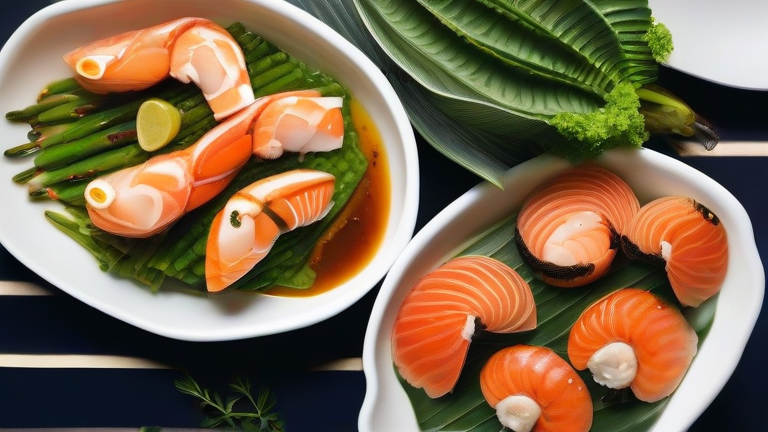
TL;DR: Plant-based seafood—made from ingredients like konjac, pea protein, and algae—has moved from niche health stores to mainstream restaurant chains like Burger King and Panda Express. Science shows these alternatives offer heart-healthy omega-3s and fewer contaminants than conventional fish, though their nutritional profile depends heavily on sodium and processing.
Why Your Favorite Chain Is Going “Fish-Free”
From crispy “fish” fillets at fast-food counters to “tuna” rolls in casual sushi spots, plant-based seafood is no longer a vegan-only curiosity. Chains are adopting these products for two reasons: consumer demand for sustainable protein and the need to hedge against volatile wild-catch prices. But beyond marketing, the science is genuinely promising—and actionable for your health.
If you want to dig deeper, check out our guide on Here are a few SEO-optimized options, all under 70 character.
The Science-Backed Benefits (and One Big Caveat)
Clinical research highlights that plant-based seafood can deliver long-chain omega-3 fatty acids (EPA and DHA) when fortified with microalgae oil—the same source fish get their omega-3s from. A 2022 study in Nutrients found that algae-derived EPA/DHA improves blood triglyceride levels comparably to fish oil supplements. Additionally, because these products avoid bioaccumulation, they contain zero mercury, PCBs, or microplastics—a real win for pregnant women and children.
However, the caveat is sodium. Many restaurant versions are battered and fried, pushing a single serving past 800 mg of sodium (about 35% of your daily limit). The base protein—often a mix of pea, soy, and konjac root—is low in saturated fat, but the frying oil and salt can negate that advantage. Your best move: order grilled or baked versions when available, and ask for sauce on the side.
Lifestyle Tips for Ordering Smart
1. Check the “fish” for fortification. Look for “algae oil” or “DHA” on the menu description. Without it, you’re just getting protein—not the omega-3 payoff.
2. Pair with a vinegar-based slaw or citrus. Vitamin C from cabbage or lemon enhances iron absorption from plant proteins, and the acidity cuts through the fried batter’s heaviness.
3. Treat it as a treat, not a daily staple. For everyday protein, opt for baked tofu or legumes. Reserve plant-based “seafood” for restaurant meals, and you’ll keep sodium in check while still enjoying the variety.
Finally, if you’re using plant-based seafood for home cooking, pan-sear with a light olive oil spray and add a squeeze of lemon. This preserves the delicate texture while keeping total fat lower than deep-fried versions.
FAQ
Q: Is plant-based seafood as nutritious as real fish?
A: Not exactly. Real fish naturally provide complete protein and bioavailable heme iron, plus vitamin D. Plant-based versions can match omega-3s if fortified with algae oil, but they lack vitamin B12 and often have higher sodium. Choose fortified products and pair them with a B12 supplement or other animal-based foods in your diet.
Q: Can I eat plant-based seafood if I have a shellfish allergy?
A: Yes, with caution. Most products are made from legumes, seaweed, or konjac—not shellfish. However, cross-contamination in restaurant fryers is possible. Always inform staff of your allergy and ask if the product is cooked in a dedicated fryer or on a separate grill.
Q: Does plant-based seafood help the environment?
A: Strongly. A 2023 life-cycle analysis in Science of the Total Environment showed plant-based seafood uses 80% less water and generates 60% lower carbon emissions than farmed salmon. Choosing it over wild-caught fish also reduces pressure on overfished stocks. For eco-conscious diners, this is a meaningful swap—just remember that packaging and shipping still add to its footprint.
Leave a Reply