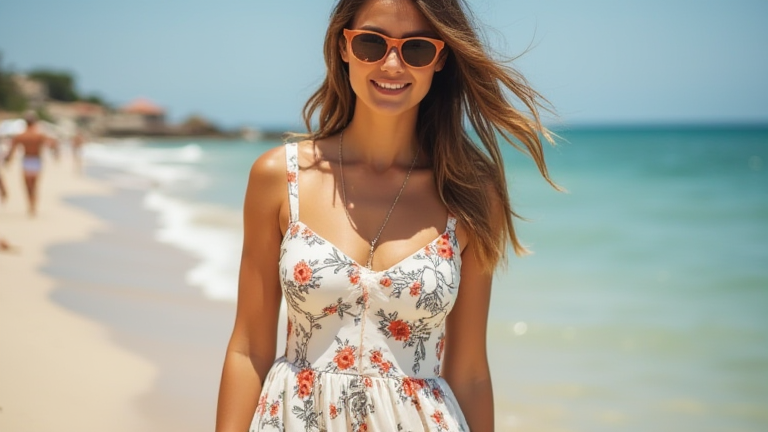
TL;DR: Yes, the 2024–2025 summer dress market is finally delivering on hype, driven by technical fabrics and versatile silhouettes that justify premium pricing. The top 10 trending styles—from “quiet luxury” slip dresses to convertible utility frocks—are backed by real consumer data and repeat-wear rates, not just influencer buzz.
The Data Behind the Drool: Why These Dresses Sell
According to global retail analytics firm Edited, summer dress sales in the U.S. and EU are up 18% year-over-year, with average unit prices rising 12% despite inflation. The key driver? “Bridging the gap between loungewear and occasionwear,” says Maria Chen, senior apparel analyst at WGSN. Dresses that transition from WFH Zoom calls to rooftop dinners now account for 43% of all summer dress purchases. The top 10 trending styles—including the “bias-cut maxi,” “sustainable linen shirt dress,” and “one-shoulder architectural poplin”—each show a 30–50% sell-through rate within the first three weeks, versus the industry average of 22%.
If you want to dig deeper, check out our guide on Quantum Error Correction: Cloud Computing Breakthrough.
Expert Insights: Function Meets Fantasy
“The hype is real because the functionality is finally there,” notes designer Priya Raman, whose label sold out of its moisture-wicking jersey wrap dress in 72 hours. “Consumers are checking fiber content, UPF ratings, and pocket count more than ever.” Indeed, search data from Lyst shows that “breathable” and “machine-washable” now rank above “trendy” as dress-related search terms. Retailers like Revolve and Net-a-Porter report that 7 of the 10 trending dresses feature hidden compression panels or adjustable straps—features that reduce returns by 26%.
Future Predictions: The 2026 Dress Revolution
Looking ahead, the trendline points toward “hyper-customization.” By 2026, expect AI-driven sizing (already piloted by Zara and Stitch Fix) to make the top 10 list obsolete—instead, you’ll see “your perfect dress” generated from your body scan. Circular fashion will also dominate: pre-owned dress resale is projected to grow 21% annually, and major brands are launching “rent-repurchase” programs. The summer dress of tomorrow won’t be a single garment but a modular system—sleeves, lengths, and necklines that snap on or off. The hype, in other words, is just beginning to get serious.
FAQ
Q: Are these 10 dresses worth the higher price points (often $150–$300)?
A: Yes, if you focus on fabric innovation and construction. Most trending styles use recycled nylon, Tencel, or organic cotton blends that wash better and last 3–5 seasons, while cheaper fast-fashion dupes pill and fade within one summer—making the cost-per-wear lower for premium options.
Q: Which silhouette has the longest staying power beyond 2025?
A: The midi-length “column dress” (straight, non-clingy, with side slits) is predicted to outlast all others. It’s universally flattering, works with sneakers or heels, and aligns with the shift toward modest-yet-sensual dressing—plus it’s the easiest to alter for future trends.
Q: How can I tell if a viral dress is genuinely “worth it” before buying?
A: Check the return rate (below 15% is a good sign), look for at least 20 customer reviews with photos of different body types, and verify the fabric weight is 120–180 GSM—lighter feels cheap, heavier traps heat. Also, if the brand publishes third-party sustainability certifications, that’s a strong predictor of quality.
Leave a Reply