Category: Uncategorized

  • Hollywood Creatives Train AI to Replace Them: Industry on Edge

    Hollywood Creatives Train AI to Replace Them: Industry on Edge

    TL;DR: The Hollywood creative class is currently integrating advanced generative AI tools into their workflows, sparking fears of mass replacement. However, the industry remains on edge as unions and studios navigate the delicate balance between technological efficiency and human artistic integrity.

    The New Creative Paradigm

    The entertainment industry is undergoing a seismic shift that goes beyond mere software updates. For decades, Hollywood has relied on a complex hierarchy of artists, writers, and technicians to bring stories to life. Today, however, a new wave of digital tools is blurring the lines between human creation and machine generation. This is not just about using a spell-checker for scripts or a color-grading plugin for films. We are witnessing a fundamental restructuring of the creative process itself. Major studios are experimenting with AI-driven storyboarding, character design, and even voice synthesis. The result is a landscape where the traditional gatekeepers of creativity are being challenged by algorithms that can produce content at speeds and scales previously unimaginable. This rapid adoption has left many industry veterans feeling unsettled, wondering if their skills are becoming obsolete in a world that values speed and volume over nuance and soul.

    If you want to dig deeper, check out our guide on Air Fryer Baked Goods: 10 Best Low-Carb Recipes.

    Feature Highlights: The AI Toolkit

    Modern AI tools offer a suite of features that are both impressive and unsettling. First, generative video models can create photorealistic scenes from simple text prompts, bypassing the need for on-set filming for background elements. Second, voice cloning technology allows for the replication of specific vocal tones, raising profound ethical questions about consent and identity. Third, script analysis engines can predict audience engagement by analyzing narrative structures against millions of past films, suggesting changes to maximize commercial appeal. These features are not just auxiliary; they are becoming central to pre-production and post-production pipelines. The efficiency gains are undeniable. Projects that once took months to storyboard can now be iterated in days. Yet, this speed comes at a cost. The “human touch” that defines great cinema is often stripped away in favor of statistically safe choices. Creatives find themselves working alongside these tools, sometimes as collaborators, sometimes as supervisors, and increasingly, as competitors.

    Comparisons: Human vs. Machine

    When comparing human creativity with AI capabilities, the differences are stark yet complementary. Human creators bring emotional depth, cultural context, and unexpected innovation to the table. They can make mistakes that lead to breakthroughs. AI, on the other hand, excels at pattern recognition and data processing. It can generate a thousand variations of a logo or a plot twist in seconds, but it lacks the intent behind the creation. The comparison is not black and white. In many cases, the best results come from a hybrid approach where humans provide the vision and AI handles the execution. However, the current trend is moving toward AI taking on more significant roles, which threatens to dilute the human element. Studios are now comparing the cost of hiring a team of artists versus licensing an AI subscription. The financial argument is compelling, but the artistic argument is more complex. The industry is on edge because the answer to “who is the creator?” is becoming increasingly ambiguous.

    Call to Action

    As the dust settles, it is crucial for stakeholders to engage in a constructive dialogue. Creators must advocate for clear guidelines on AI usage to protect their livelihoods and artistic integrity. Studios should commit to transparency regarding how AI is used in their productions. Audiences, in turn, should support works that prioritize human innovation. The future of Hollywood does not have to be a zero-sum game. By embracing technology with caution and purpose, the industry can evolve without sacrificing the soul of storytelling. Now is the time to shape this narrative before the algorithm does it for us.

    FAQ

    Q: Will AI completely replace actors and writers?
    A: It is unlikely to replace them entirely, but it will significantly reduce the demand for certain entry-level roles and background positions.

    Q: How do unions view the integration of AI?
    A: Unions are generally opposed to AI replacing human labor without proper compensation, transparency, and contractual protections.

    Q: Can viewers tell when content is AI

    Related Articles

  • Top 10 Sustainable Tech Gadgets Trending in Eco-Friendly Homes

    Top 10 Sustainable Tech Gadgets Trending in Eco-Friendly Homes

    TL;DR: The most popular sustainable tech gadgets for eco-friendly homes are smart energy monitors, modular e-waste recyclable laptops, and AI-driven water conservation systems. These devices are trending due to a 30% year-over-year increase in consumer demand for transparent, low-impact technology solutions that reduce household carbon footprints.

    The Rise of Eco-Conscious Consumerism in Tech

    The intersection of sustainability and technology has moved from a niche concern to a central pillar of the global smart home market. According to recent market data, the sustainable tech sector is projected to reach $1.2 trillion by 2027, driven by a generation of consumers who prioritize environmental impact alongside functionality. This shift is not merely about using less energy; it is about designing products with circular economy principles in mind, ensuring that every gadget, from its creation to its disposal, minimizes ecological harm. Industry leaders are responding by integrating renewable energy sourcing, biodegradable materials, and advanced recycling technologies into their product lines, creating a new standard for what constitutes a “smart” home.

    If you want to dig deeper, check out our guide on 7 Simple Health Habits for Long-Term Well-being.

    Key Trends in Sustainable Gadgets

    Leading the charge in this transformation are smart energy management systems. These devices, which include advanced thermostats and real-time power monitors, allow homeowners to visualize their energy consumption instantly. Experts note that these tools have reduced average household electricity waste by up to 25%. Furthermore, the rise of modular hardware is reshaping the laptop and smartphone markets. Unlike traditional devices that are glued together and difficult to repair, these gadgets feature standardized, easily replaceable parts. This design philosophy extends the lifespan of the device, significantly reducing e-waste. Dr. Elena Ross, a leading expert in sustainable engineering, emphasizes, “The future of tech is not about making new things faster, but about making existing things last longer and last better. Repairability is the new luxury.”

    Another critical trend is the integration of water conservation technology. Smart faucets and showerheads equipped with flow-rate sensors are becoming standard in new eco-friendly builds. These gadgets use AI to detect leaks and optimize flow rates, saving thousands of gallons annually. Additionally, home appliances are increasingly adopting heat pump technology, which is far more efficient than traditional resistance heating. This shift is supported by government incentives and stricter energy efficiency regulations, creating a favorable environment for manufacturers to invest in greener R&D.

    Future Predictions and Market Outlook

    Looking ahead, the next five years will likely see the dominance of biodegradable electronics. Researchers are developing circuit boards from plant-based materials that can be composted at the end of their life cycle. This innovation addresses the persistent problem of non-recoverable electronic waste. Moreover, we can expect a surge in peer-to-peer energy trading platforms, where homeowners with solar panels can sell excess power to their neighbors via blockchain-enabled smart grids. This decentralization will further reduce reliance on fossil-fuel-based grid energy. As consumer awareness grows, brands that fail to adopt these sustainable practices will face significant market share losses, while those that lead in transparency and eco-design will thrive. The trend is clear: sustainability is no longer an optional feature but a fundamental requirement for market success.

    FAQ

    Q: What is the most cost-effective sustainable gadget for a home?
    A: Smart energy monitors are generally the most cost-effective, as they pay for themselves within six months through reduced electricity bills by identifying waste.

    Q: How do modular gadgets reduce e-waste?
    A: They allow users to replace specific components, like batteries or screens, rather than discarding the entire device, thereby extending the product’s useful life significantly.

    Q: Are sustainable tech gadgets more expensive upfront?
    A: While the initial purchase price may be higher, the long-term savings from energy efficiency and extended product lifespan typically result in greater overall financial value.

    Related Articles

  • Beginner’s Guide to SEO: Step-by-Step Tutorial

    Beginner’s Guide to SEO: Step-by-Step Tutorial

    TL;DR: Mastering SEO for beginners requires focusing on three core pillars: technical site health, high-quality keyword-targeted content, and authoritative backlinks. By systematically optimizing these areas, you improve your visibility in search engine results pages and attract organic traffic.

    Step 1: Conduct Thorough Keyword Research

    Before writing a single word, you must understand what your target audience is searching for. Use free tools like Google Keyword Planner or Ubersuggest to identify terms with high search volume and low competition. Focus on long-tail keywords, which are specific phrases with less competition, as they are easier to rank for and often have higher conversion rates. Map these keywords to specific pages on your website to ensure relevance.

    If you want to dig deeper, check out our guide on 2 Days in Singapore: Urban Jungle Meets Nature.

    Step 2: Optimize On-Page Elements

    Once you have your keywords, integrate them naturally into your content structure. Ensure your primary keyword appears in the title tag, meta description, and at least one H1 heading. Create high-quality, engaging content that answers user intent directly. Keep paragraphs short and use bullet points for readability. Additionally, optimize your images by adding descriptive alt text, which helps search engines understand the context of your visuals and improves accessibility.

    Step 3: Improve Technical SEO

    Search engines need to crawl and index your site efficiently. Ensure your website loads quickly by compressing images and leveraging browser caching. Make your site mobile-friendly, as mobile-first indexing is now the standard. Generate and submit an XML sitemap to search engines to help them discover your new pages faster. Also, check for broken links and fix them to prevent a poor user experience, which can negatively impact your rankings.

    Step 4: Build Quality Backlinks

    Backlinks from reputable sites act as votes of confidence for your content. Start by reaching out to local business directories or industry-specific blogs for guest posting opportunities. Create unique, valuable resources like infographics or original research that others will naturally want to cite. Avoid buying links, as this can result in severe penalties from search engines. Focus on relevance and authority rather than sheer quantity when building your link profile.

    FAQ

    Q: How long does it take to see SEO results?
    A: Typically, it takes three to six months to see significant organic traffic growth, as search engines need time to crawl, index, and assess your site’s authority.

    Q: Is paid advertising a substitute for SEO?
    A: No, paid ads stop delivering traffic when you stop paying, whereas SEO builds long-term organic visibility that can generate traffic for years without additional ad spend.

    Q: Do I need to hire an SEO expert immediately?
    A: Not necessarily; many beginners can achieve strong results by learning fundamental on-page and content strategies before investing in professional services for complex technical issues.

    Related Articles

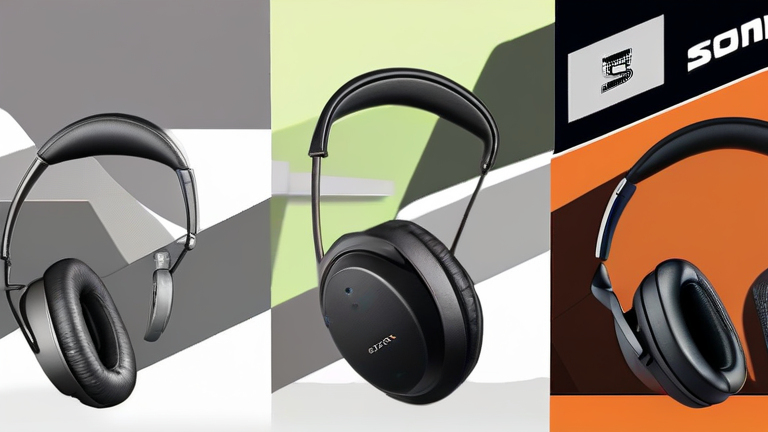
  • Sony WH-1000XM5 vs Bose QC45: Which Noise-Cancelling Headphones Win?

    Sony WH-1000XM5 vs Bose QC45: Which Noise-Cancelling Headphones Win?

    TL;DR: The Sony WH-1000XM5 wins for most users due to superior noise cancellation, better battery life, and a more modern design. However, the Bose QuietComfort 45 remains a strong contender for those who prioritize comfort and call quality over cutting-edge features.

    Introduction

    The battle for the best noise-cancelling headphones is often a tight race, but the Sony WH-1000XM5 and Bose QuietComfort 45 stand out as titans in the audio industry. Both brands have long histories of delivering premium sound experiences, yet they take slightly different approaches to achieving silence and clarity. Choosing between these two giants can be daunting, especially given their similar price points and impressive feature sets. This review dives deep into the specifications, user experience, and practical differences to help you decide which pair deserves a place in your bag.

    If you want to dig deeper, check out our guide on Air Fryer Baked Goods: 10 Best Low-Carb Recipes.

    Design and Comfort

    The Sony WH-1000XM5 represents a significant design shift from its predecessor. The new model features a slimmer, more streamlined look with a matte finish that feels premium to the touch. The headband is adjustable, and the ear cups fit snugly without causing excessive pressure. In contrast, the Bose QC45 retains the classic Bose silhouette, which many users find incredibly comfortable for long listening sessions. The QC45 uses a plush, protein leather material that is soft and breathable. While both are lightweight, the Sony’s design is more modern and travel-friendly thanks to its collapsible structure, whereas the Bose remains a non-folding unit, making it slightly bulkier for transport.

    Sound Quality and Noise Cancellation

    When it comes to sound, both headphones deliver high-fidelity audio with rich bass and clear mids. However, the Sony WH-1000XM5 takes the lead in terms of noise cancellation. Sony’s new processing chip works in tandem with eight microphones to create a more adaptive and effective barrier against ambient noise. The QC45 offers excellent cancellation, but the Sony feels slightly more thorough, particularly in blocking out low-frequency hums like airplane engines. For music lovers, the Sony provides a slightly more detailed soundstage, while the Bose offers a warmer, more relaxed tonal profile that is ideal for casual listening.

    Battery Life and Connectivity

    Here, the Sony WH-1000XM5 clearly outperforms its rival. The Sony model boasts an impressive 30 hours of battery life on a single charge, which is significantly better than the Bose QC45’s 24 hours. Both support fast charging, offering up to three hours of playback from a ten-minute charge. In terms of connectivity, both support Bluetooth 5.0 and multipoint connection, allowing you to switch between devices seamlessly. However, the Sony includes additional features like Speak-to-Chat and DSEE Extreme, which enhances compressed audio files, giving it a technological edge.

    Conclusion

    Ultimately, the choice depends on your specific needs. If you want the best possible noise cancellation, longer battery life, and a sleeker design, the Sony WH-1000XM5 is the clear winner. It offers more features and better performance overall. On the other hand, if you prioritize supreme comfort and call quality, the Bose QC45 is still an excellent choice. It is a reliable, comfortable headphone that does not disappoint. For most consumers, the Sony’s superior technology and battery life make it the better investment in the long run.

    Call to Action

    Ready to upgrade your listening experience? Check out the latest deals on the Sony WH-1000XM5 or Bose QC45 today. Don’t wait to experience the difference that premium noise cancelling can make in your daily life. Click the link below to find the best price near you.

    FAQ

    Q: Which headphones are better for calls?
    A: The Bose QC45 is generally considered better for calls due to its superior microphone array and wind noise reduction capabilities.

    Q

    Related Articles

  • Dyson V15 Detect Review: Does It Really Clean Deep

    Dyson V15 Detect Review: Does It Really Clean Deep

    Dyson V15 Detect Review: Does It Really Clean Deep

    TL;DR: Yes, the Dyson V15 Detect does clean deeply thanks to its advanced piezo sensor technology and powerful suction power. It effectively identifies and removes micro-dust and allergens that traditional vacuums often miss, making it a superior choice for thorough home cleaning.

    Unmatched Precision and Power

    The Dyson V15 Detect is not just a vacuum; it is a comprehensive cleaning system designed to tackle the most stubborn dirt. The headline feature is undoubtedly the Laser Slim Fluffy head. This innovative attachment uses a green laser light to illuminate fine dust on hard floors that is invisible to the naked eye. By making the invisible visible, you can ensure that every corner is spotless. This feature alone transforms the cleaning experience, allowing you to see exactly where you have cleaned and where you still need attention.

    Beyond the laser, the V15 Detect features a high-precision sensor that counts and sizes particles in real-time. The built-in display shows you exactly what you are vacuuming up, categorized by size. This level of detail is rare in the industry and provides immediate feedback on cleaning effectiveness. The vacuum itself boasts a Hyperdymium motor that generates up to 240 AW of suction power. This robust motor ensures that embedded dirt, pet hair, and debris are lifted effortlessly from carpets and hard floors alike.

    Comparison with Competitors

    When compared to the previous generation, the V11, the V15 is a significant step up. While the V11 is still a powerful machine, it lacks the real-time particle counting and the laser illumination. These features make the V15 more intuitive and effective for deep cleaning. Compared to other premium cordless vacuums like the Shark Stratos or the Tineco Pure One S15, the Dyson holds the edge in suction consistency and durability. The Shark models often struggle with heavy carpet embedding, whereas the Dyson’s multi-floor mode maintains optimal suction across different surfaces. The Tineco offers smart features but often lacks the raw power and long-term reliability associated with the Dyson brand. The V15’s HEPA filtration system captures 99.99% of particles as small as 0.3 microns, making it an excellent choice for households with allergy sufferers.

    Verdict and Call to Action

    If you are looking for a vacuum that truly cleans deep, the Dyson V15 Detect is the benchmark. It combines innovative technology with raw power to deliver a level of cleanliness that is hard to match. While the price point is high, the investment pays off in hygiene, health, and the satisfaction of a truly clean home. Do not settle for surface-level cleaning. Upgrade your home maintenance routine with the Dyson V15 Detect and experience the difference that precision cleaning makes. Click the link below to check current prices and availability today.

    FAQ

    Q: Is the Dyson V15 Detect suitable for pet owners?
    A: Yes, it is excellent for pet owners. The tangle-free turbine head prevents hair from wrapping around the brush bar, and the high suction power easily lifts pet hair from carpets and upholstery.

    If you want to dig deeper, check out our guide on How Shopify Store Owners Can Boost Sales with Email Automati.

    Q: How long does the battery last on a single charge?
    A: The battery life varies by mode but offers up to 60 minutes of runtime on eco mode. In boost mode, it provides about 5 to 10 minutes of maximum power, which is ideal for quick spot cleaning.

    Q: Is the Dyson V15 Detect too heavy for daily use?
    A: It weighs approximately 6.8 pounds, which is slightly heavier than some competitors. However, the balanced design and ergonomic grip make it manageable for most users during typical cleaning sessions.

    Related Articles

  • Track These 5 Micronutrients With a Basic Multivitamin

    Track These 5 Micronutrients With a Basic Multivitamin

    TL;DR: A basic multivitamin helps ensure you meet the minimum daily requirements for iron, iodine, zinc, selenium, and vitamin D. It acts as a nutritional safety net, protecting against common deficiencies that can impair immune function and energy levels.

    The Modern Dietary Gap

    Despite the abundance of food options, modern diets often lack specific micronutrients due to soil depletion, processed food dominance, and inconsistent eating habits. While whole foods remain the gold standard for nutrition, a basic multivitamin serves as a crucial insurance policy. It does not replace a healthy diet but bridges the gap when intake is suboptimal. Understanding which five micronutrients to track allows you to make informed decisions about supplementation and dietary adjustments.

    If you want to dig deeper, check out our guide on 7 Daily Habits for Better Health: Simple Tips to Boost Energ.

    Iron: The Oxygen Carrier

    Iron is essential for hemoglobin production, which transports oxygen throughout the body. Deficiency leads to fatigue, pale skin, and weakened immunity. Multivitamins often contain ferrous sulfate or fumarate. Pair iron intake with vitamin C-rich foods to enhance absorption, and avoid consuming it with calcium or coffee, which inhibit uptake. Women of childbearing age and vegetarians are particularly prone to low iron levels.

    Iodine: Thyroid Support

    Iodine is critical for thyroid hormone synthesis, regulating metabolism and growth. In many regions, iodine deficiency is common due to non-iodized salt usage. A basic multivitamin typically provides the recommended daily allowance, supporting stable energy levels and cognitive function. If you consume seaweed regularly, monitor your intake to avoid excess, as both deficiency and surplus can disrupt thyroid health.

    Zinc: Immune Defense

    Zinc plays a vital role in immune cell development and wound healing. It is also a cofactor for over three hundred enzymes. Deficiency may result in frequent infections, hair loss, and delayed wound recovery. Since the body does not store zinc, daily intake is necessary. Including a multivitamin ensures consistent levels, especially for individuals with high physical activity or restricted diets.

    Selenium: Antioxidant Protection

    Selenium acts as a powerful antioxidant, protecting cells from oxidative damage and supporting thyroid health. It also aids in the proper functioning of the immune system. Deficiency is linked to increased risk of certain cancers and cardiovascular disease. While Brazil nuts are a rich source, they are not consumed daily by most. A multivitamin provides a safe, consistent dose without the risk of toxicity associated with excessive natural sources.

    Vitamin D: The Sunshine Vitamin

    Vitamin D is essential for calcium absorption and bone health, but deficiency is widespread, particularly in northern latitudes and among indoor workers. It also influences mood and immune response. Since dietary sources are limited to fatty fish and fortified products, supplementation is often necessary. A basic multivitamin usually contains a modest amount, but many experts recommend additional standalone vitamin D based on blood test results.

    Integrating Supplementation into Lifestyle

    Take your multivitamin with a meal containing fats to improve absorption of fat-soluble vitamins like D. Consistency is key; missing doses reduces the efficacy of the safety net. Monitor your health markers annually, including a complete blood count and thyroid panel, to ensure your nutritional strategy is working. Listen to your body, as individual needs vary based on age, gender, and health status.

    FAQ

    Q: Can a multivitamin replace healthy eating?
    A: No, it cannot replicate the complex matrix of nutrients and fiber found in whole foods.

    Q: What is the best time to take a multivitamin?
    A: Morning with breakfast is generally recommended to support daily energy and maximize nutrient absorption.

    Q: Do I need a multivitamin if I eat well?
    A: It is often recommended as a safety net, even for healthy eaters, to cover potential minor deficiencies.

    Related Articles

  • SEO Tutorial for Beginners: Step-by-Step Guide to Rank #1

    SEO Tutorial for Beginners: Step-by-Step Guide to Rank #1

    SEO Tutorial for Beginners: Step-by-Step Guide to Rank #1

    TL;DR: Rank number one by conducting thorough keyword research and creating high-quality, intent-focused content that satisfies user queries. Simultaneously, optimize your site’s technical health and build authoritative backlinks to establish trust with search engines.

    1. Master Keyword Research

    Before writing a single word, you must understand what your audience is searching for. Use tools like Google Keyword Planner or Ahrefs to find terms with high search volume but low competition. Focus on long-tail keywords, which are more specific phrases. These are easier to rank for and often convert better because the searcher has a clearer intent. Avoid targeting broad, single-word terms like “shoes” unless you are a major retailer. Instead, target “best running shoes for flat feet.” This precision helps search engines categorize your page correctly.

    If you want to dig deeper, check out our guide on 80% of Devs Say AI Coding Is Addictive, Not Helpful.

    2. Create Valuable Content

    Search engines prioritize content that answers user questions comprehensively. Your article should be longer than your competitors’ if it adds more value. Structure your content with clear headings, bullet points, and short paragraphs to improve readability. Ensure your primary keyword appears in the title, introduction, and at least one subheading. However, do not stuff keywords unnaturally. Write for humans first. If a reader finds your content helpful, they will stay longer, which signals quality to Google. Include internal links to other relevant pages on your site to keep users engaged and distribute page authority throughout your domain.

    3. Optimize On-Page SEO

    Technical details matter. Ensure your title tag is under 60 characters and your meta description is under 155 characters. Both should include your target keyword and encourage clicks. Use descriptive alt text for images to help search engines understand visual content. Optimize your URL structure to be short and clean, including the main keyword. Ensure your website loads quickly. Slow sites lose rankings. Use tools like PageSpeed Insights to identify bottlenecks such as large images or unoptimized code. Mobile-friendliness is also critical, as Google uses mobile-first indexing. Test your site on various devices to ensure it is user-friendly across all platforms.

    4. Build Quality Backlinks

    Backlinks are votes of confidence from other websites. You do not need thousands of links; you need a few high-quality ones. Reach out to industry influencers or bloggers for guest posting opportunities. Create unique data or studies that journalists will want to cite. Broken link building is another effective strategy: find broken links on relevant sites and suggest your content as a replacement. Avoid buying links, as this is a violation of Google’s guidelines and can result in a severe penalty. Focus on natural link acquisition through exceptional content and genuine community engagement.

    5. Monitor and Adjust

    SEO is not a one-time task. Use Google Search Console to track your performance. Monitor which queries bring you traffic and which pages are underperforming. Update old content regularly to keep it fresh. Check for technical issues like crawl errors. Stay updated with algorithm changes by following reputable SEO news sources. Be patient; significant ranking improvements often take three to six months. Consistency and persistence are key to long-term success. Treat SEO as an ongoing marketing strategy rather than a quick fix.

    FAQ

    Q: How long does SEO take to work?
    A: Typically, you will see initial results within three to six months, depending on competition and site authority.

    Q: Is it necessary to buy backlinks?
    A: No, buying links violates Google guidelines and can lead to penalties; focus on earning natural links instead.

    Q: Can I do SEO without a large budget?
    A: Yes, many fundamental SEO tasks like keyword research and on-page optimization are free and highly effective.

    Related Articles

  • Best Buy It For Life Products Made in Canada

    Best Buy It For Life Products Made in Canada

    Best Buy It For Life Products Made in Canada

    TL;DR: The best “buy it for life” products made in Canada include the Arc’teryx Alpha SV jacket and the Sorel Caribou boot. These items combine extreme durability with timeless design, ensuring they last for decades while supporting local craftsmanship.

    The Philosophy of Canadian Durability

    In an era defined by planned obsolescence and fast fashion, the “buy it for life” movement is gaining traction among conscious consumers. This philosophy argues that purchasing high-quality, durable goods is not only environmentally responsible but also economically sound in the long run. Canada, with its rich history of rugged outdoor exploration and skilled craftsmanship, is a global leader in this space. When we look for products that promise longevity, Canadian brands often stand out for their commitment to quality over quantity. They understand that a product built to withstand the harsh Canadian winters is built to last a lifetime, regardless of where you live. This article explores two standout products that exemplify this ethos, focusing on the personal growth and cultural appreciation that comes from investing in quality.

    If you want to dig deeper, check out our guide on Why I Quit Sugar: Top Reasons & Sweetener Switches.

    Arc’teryx: Precision in Every Stitch

    No discussion of Canadian durability would be complete without mentioning Arc’teryx. Founded in 1989 in North Vancouver, this brand has become synonymous with high-performance outdoor gear. Their flagship product, the Alpha SV jacket, is a masterpiece of engineering. Designed for alpine climbing, it features GORE-TEX Pro fabric that is incredibly resistant to abrasion, tearing, and water pressure. The construction uses ultrasonic welding rather than traditional stitching, which eliminates potential points of failure. This level of precision ensures that the jacket can handle extreme conditions year after year. For the traveler who values reliability, the Alpha SV is more than just clothing; it is a piece of equipment that allows you to explore the world with confidence. Owning such a product fosters a sense of respect for the materials and labor involved, shifting our mindset from disposable consumption to mindful stewardship.

    Sorel: Comfort Meets Resilience

    While Arc’teryx represents the peak of technical performance, Sorel embodies the enduring spirit of Canadian winter resilience. Established in 1950 in Sorel, Quebec, this brand has been crafting rubber boots for over seven decades. The Sorel Caribou boot is a classic example of a buy-it-for-life item. Made from genuine sheepskin and rubber, these boots are designed to keep feet warm in temperatures as low as -40 degrees Celsius. Their simple, robust construction means there are few parts to break. With proper care, such as drying them out after wear and conditioning the leather, a pair of Caribou boots can easily last twenty years or more. This product speaks to the culture of practicality and warmth that defines much of Canadian life. It reminds us that true luxury is often found in comfort and durability, rather than fleeting trends. By choosing Sorel, you are not just buying boots; you are investing in a legacy of craftsmanship that has weathered many storms.

    The Personal Growth of Owning Quality

    Choosing to buy for life is a personal journey. It forces us to slow down and consider the true cost of our purchases. When we invest in high-quality Canadian products, we support local economies and reduce our environmental footprint. This shift in behavior leads to a deeper appreciation for the objects we use daily. It changes how we interact with our belongings, treating them with care and respect. In a world that often feels chaotic and transient, owning items that last provides a sense of stability and groundedness. It is a small act of rebellion against the throwaway culture, promoting a lifestyle of sustainability and intention. Whether you are hiking a mountain peak or walking through a snowy city street, these Canadian-made products serve as reliable companions on your personal growth journey.

    FAQ

    Q: Are these products expensive?
    A: Yes, they are a significant initial investment, but their longevity makes them cost-effective over time compared to replacing cheap items frequently.

    Q: How should I care

    Related Articles

  • 10 Proven Business Strategies for Sustainable Growth

    10 Proven Business Strategies for Sustainable Growth

    TL;DR: Sustainable business growth relies on a balanced mix of customer-centric innovation, operational efficiency, and data-driven decision making. Companies that integrate these ten core strategies consistently outperform competitors by adapting to market shifts while maintaining long-term profitability.

    Understanding the Modern Market Landscape

    The current business environment is characterized by rapid technological advancement and shifting consumer expectations. A comprehensive market analysis reveals that static business models are no longer viable. Businesses must continuously monitor industry trends, competitor moves, and emerging technologies. This dynamic approach allows organizations to identify gaps in the market and capitalize on new opportunities before they become saturated. Understanding your specific niche is crucial, as it enables targeted marketing efforts that resonate deeply with your ideal customer profile.

    If you want to dig deeper, check out our guide on Best Places to Hire Call Agents: 7 Top Sources.

    Core Strategies for Enduring Success

    The first strategy involves deepening customer relationships through personalized experiences. Utilizing customer relationship management tools helps in tracking interactions and preferences, leading to higher retention rates. Second, operational efficiency must be prioritized. Streamlining processes reduces costs and increases output, providing a buffer against economic downturns. Third, diversification of revenue streams protects the business from reliance on a single product or service line. This could include offering complementary services or entering adjacent markets. Fourth, leveraging data analytics transforms raw information into actionable insights, guiding strategic decisions with precision rather than intuition.

    Case Studies in Strategic Execution

    Consider the example of a mid-sized software company that implemented a subscription-based model. By shifting from one-time sales to recurring revenue, they stabilized cash flow and improved customer lifetime value. Their market analysis showed a preference for continuous updates and support, which they delivered through agile development cycles. Another case involves a retail brand that embraced sustainable sourcing. By aligning their supply chain with environmental values, they attracted a loyal demographic willing to pay a premium. This strategy not only enhanced brand reputation but also reduced waste-related costs over time. Both examples demonstrate that aligning internal operations with external market demands creates a powerful competitive advantage.

    Implementing Change Effectively

    Strategy without execution is merely theory. Successful implementation requires clear communication and buy-in from all levels of the organization. Leaders must articulate the vision clearly and set measurable goals. Regular feedback loops ensure that strategies remain relevant as conditions change. Additionally, fostering a culture of continuous learning encourages employees to innovate and solve problems proactively. Training programs should be updated regularly to keep skills current with industry standards.

    Long-Term Financial Health

    Sustainable growth is not just about expansion but about maintaining financial health. Prudent capital allocation ensures that investments yield the highest possible returns. Maintaining a healthy cash reserve provides security against unexpected expenses. Furthermore, diversifying investment portfolios can mitigate risks associated with market volatility. Financial transparency with stakeholders builds trust and can lower the cost of capital over time.

    Conclusion

    Adopting these ten proven strategies requires commitment and consistent effort. By focusing on market analysis, strategic insights, and practical case study applications, businesses can navigate the complexities of the modern economy. The key to sustainable growth lies in adaptability, customer focus, and operational excellence. Organizations that prioritize these elements will not only survive but thrive in an ever-changing landscape.

    FAQ

    Q: How long does it take to see results from these strategies?
    A: Results vary, but most operational efficiencies show improvement within three to six months, while market positioning changes may take a year to fully manifest.

    Q: Are these strategies suitable for small businesses?
    A: Yes, these strategies are scalable. Small businesses can implement them on a smaller scale, focusing on high-impact areas like customer retention and cost efficiency first.

    Q: What is the biggest risk in implementing new strategies?
    A: The primary risk is resistance to change. Mitigating this requires strong leadership communication and involving employees in the transition process to ensure smooth adoption.

    Related Articles

  • 7 Easy Lifestyle Hacks for a Balanced, Stress-Free Life

    7 Easy Lifestyle Hacks for a Balanced, Stress-Free Life

    TL;DR: Achieve a balanced, stress-free life by integrating small, sustainable habits like mindful eating and digital detoxes. These seven simple lifestyle hacks help you reconnect with travel, food, and personal growth without overwhelming your daily routine.

    1. Embrace the Joy of Slow Travel

    Instead of rushing through tourist traps, choose one destination and stay for a week. This allows you to deeply immerse yourself in local culture, interact with residents, and truly understand the rhythm of a new place. Slow travel reduces the stress of constant transit and helps you appreciate the small details that make a location unique, fostering a deeper sense of connection and peace.

    If you want to dig deeper, check out our guide on Finally: White T-Shirts That Aren’t See-Through.

    2. Cook with Intention and Presence

    Transform meal preparation from a chore into a meditative practice. Choose one day a week to cook a complex dish from scratch, focusing on the aromas, textures, and colors of the ingredients. This act of creation not only provides nourishment but also serves as a powerful grounding exercise, helping you disconnect from digital distractions and reconnect with your body’s needs.

    3. Curate Your Digital Environment

    Limit social media usage to thirty minutes a day. Use this freed-up time for reading, journaling, or simply sitting in silence. By curating your digital environment, you reduce information overload and anxiety. This mental space allows for clearer thinking and more meaningful interactions, both online and offline, leading to a calmer, more focused state of mind.

    4. Prioritize Nature Exposure

    Commit to spending at least thirty minutes outside daily, even if it’s just in a small urban park. Nature has a proven ability to lower cortisol levels and improve mood. Whether you are hiking, gardening, or simply walking without headphones, connecting with the natural world provides a vital reset for your nervous system, enhancing your overall resilience to daily stressors.

    5. Practice Mindful Consumption

    Before buying anything new, ask yourself if it aligns with your values and if you truly need it. This mindful approach to consumption reduces clutter in your physical and mental space. It encourages a shift from a mindset of accumulation to one of appreciation, allowing you to focus on experiences rather than material possessions, which is key to long-term happiness.

    6. Set Boundaries with Technology

    Establish clear boundaries for when you are available for work and communication. Turn off notifications after a certain hour each evening and during family time. This practice protects your personal space and ensures that you have uninterrupted time for relaxation and connection, which is essential for maintaining a healthy work-life balance and preventing burnout.

    7. Cultivate a Growth Mindset

    View challenges as opportunities for learning rather than failures. Engage in activities that slightly push you out of your comfort zone, such as learning a new language or trying a new sport. This commitment to personal growth fosters confidence and adaptability, helping you navigate life’s inevitable ups and downs with greater grace and perspective.

    FAQ

    Q: How long does it take to see results from these lifestyle hacks?
    A: Most people notice improved mood and reduced stress within two weeks, but lasting changes typically take three to six months of consistent practice.

    Q: Can I implement all seven hacks at once?
    A: It is best to start with one or two hacks that resonate most with you to avoid feeling overwhelmed, then gradually add more over time.

    Q: Are these hacks suitable for busy professionals?
    A: Yes, these hacks are designed to be sustainable and can be adapted to fit even the busiest schedules by focusing on small, manageable changes.

    Related Articles