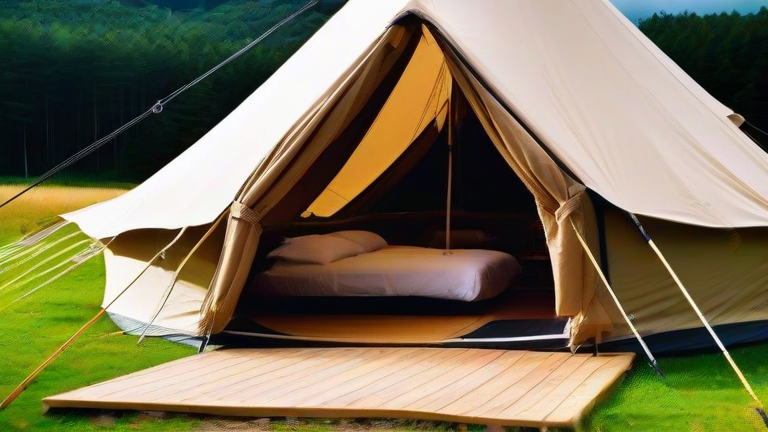
TL;DR: Glamping tents are surging in popularity because they offer a seamless blend of luxury comfort and immersive nature, catering to travelers seeking unique experiences without sacrificing amenities. Market projections indicate sustained double-digit growth, driven by a shift toward experiential tourism and sustainable travel practices.
The Rise of Luxurious Outdoor Stays
The travel landscape is undergoing a significant transformation, with glamping emerging as a dominant force in the hospitality sector. Unlike traditional camping, which often requires extensive gear and tolerance for discomfort, glamping provides high-end accommodations set in natural environments. This appeal has attracted a diverse demographic, from young professionals seeking digital detoxes to families looking for memorable vacations. The core value proposition lies in the ability to disconnect from urban stressors while enjoying modern conveniences such as air conditioning, en-suite bathrooms, and premium linens. This hybrid model bridges the gap between rustic adventure and five-star comfort, making it an accessible entry point for outdoor enthusiasts who might otherwise avoid traditional camping.
If you want to dig deeper, check out our guide on Mystery Free AI Model Impresses Devs: Who Made It?.
Market Data and Economic Drivers
Recent industry reports highlight robust growth in the glamping sector. According to a 2023 analysis by the Global Market Insights, the global glamping market size was valued at approximately $15 billion and is expected to expand at a compound annual growth rate (CAGR) of 8.5% through 2030. A significant portion of this growth is attributed to the increasing demand for unique, Instagrammable destinations. Data from Airbnb shows that listings featuring glamping tents have seen a 40% increase in bookings compared to standard cabins over the past two years. Furthermore, consumer surveys indicate that 65% of millennials and 55% of Gen Z travelers prioritize unique experiences over material possessions, directly fueling the demand for distinctive lodging options. The rise of remote work has also contributed, as “workation” travelers seek destinations that offer both productivity infrastructure and leisure opportunities, a niche where glamping excels.
Expert Insights and Future Predictions
Industry experts predict that sustainability will become the primary driver for future glamping developments. As environmental concerns grow, operators are increasingly adopting eco-friendly materials and energy-efficient designs. “The next wave of glamping will be defined by its environmental footprint,” says Sarah Jenkins, a hospitality analyst at TravelTech Solutions. “Travelers are no longer just looking for comfort; they are looking for purpose. Operators who can demonstrate genuine sustainability practices will see higher retention rates and premium pricing power.” Additionally, technology integration is expected to play a crucial role. Smart home features, such as app-controlled climate systems and high-speed satellite internet, are becoming standard expectations. Looking ahead, the trend is likely to expand beyond established tourist hubs into remote, lesser-known regions, creating new economic opportunities for rural communities. As infrastructure improves in these areas, glamping tents may become a cornerstone of decentralized tourism models, offering a scalable solution for hospitality providers to enter the market with lower initial capital costs compared to building traditional hotels. This scalability allows for rapid deployment and testing of new locations, fostering innovation in the travel industry.
FAQ
Q: Is glamping suitable for all skill levels of campers?
A: Yes, glamping is designed for beginners and experienced campers alike, requiring minimal setup and offering full amenities like electricity and bedding.
Q: How does the cost of glamping compare to traditional hotels?
A: While often more expensive than basic camping, glamping rates are generally comparable to or slightly lower than mid-range hotels, offering better value for unique experiences.
Q: What are the key environmental benefits of glamping tents?
A: Modern glamping tents often use fewer resources than permanent structures, incorporate renewable energy sources, and minimize land disturbance, supporting conservation efforts.
Leave a Reply