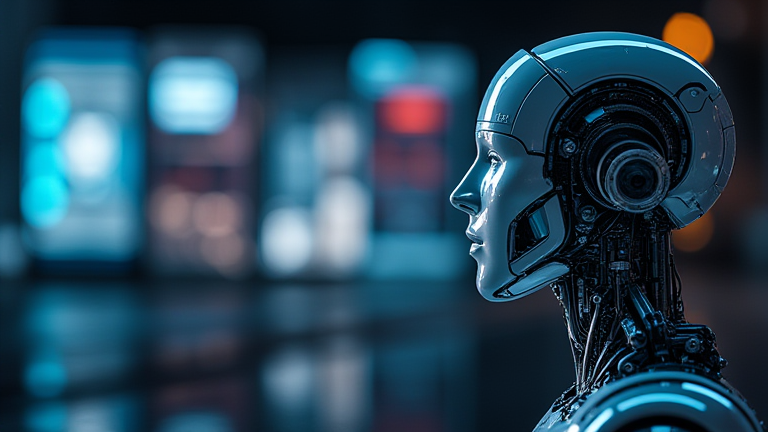
TL;DR: The Hollywood creative class is currently integrating advanced generative AI tools into their workflows, sparking fears of mass replacement. However, the industry remains on edge as unions and studios navigate the delicate balance between technological efficiency and human artistic integrity.
The New Creative Paradigm
The entertainment industry is undergoing a seismic shift that goes beyond mere software updates. For decades, Hollywood has relied on a complex hierarchy of artists, writers, and technicians to bring stories to life. Today, however, a new wave of digital tools is blurring the lines between human creation and machine generation. This is not just about using a spell-checker for scripts or a color-grading plugin for films. We are witnessing a fundamental restructuring of the creative process itself. Major studios are experimenting with AI-driven storyboarding, character design, and even voice synthesis. The result is a landscape where the traditional gatekeepers of creativity are being challenged by algorithms that can produce content at speeds and scales previously unimaginable. This rapid adoption has left many industry veterans feeling unsettled, wondering if their skills are becoming obsolete in a world that values speed and volume over nuance and soul.
If you want to dig deeper, check out our guide on Air Fryer Baked Goods: 10 Best Low-Carb Recipes.
Feature Highlights: The AI Toolkit
Modern AI tools offer a suite of features that are both impressive and unsettling. First, generative video models can create photorealistic scenes from simple text prompts, bypassing the need for on-set filming for background elements. Second, voice cloning technology allows for the replication of specific vocal tones, raising profound ethical questions about consent and identity. Third, script analysis engines can predict audience engagement by analyzing narrative structures against millions of past films, suggesting changes to maximize commercial appeal. These features are not just auxiliary; they are becoming central to pre-production and post-production pipelines. The efficiency gains are undeniable. Projects that once took months to storyboard can now be iterated in days. Yet, this speed comes at a cost. The “human touch” that defines great cinema is often stripped away in favor of statistically safe choices. Creatives find themselves working alongside these tools, sometimes as collaborators, sometimes as supervisors, and increasingly, as competitors.
Comparisons: Human vs. Machine
When comparing human creativity with AI capabilities, the differences are stark yet complementary. Human creators bring emotional depth, cultural context, and unexpected innovation to the table. They can make mistakes that lead to breakthroughs. AI, on the other hand, excels at pattern recognition and data processing. It can generate a thousand variations of a logo or a plot twist in seconds, but it lacks the intent behind the creation. The comparison is not black and white. In many cases, the best results come from a hybrid approach where humans provide the vision and AI handles the execution. However, the current trend is moving toward AI taking on more significant roles, which threatens to dilute the human element. Studios are now comparing the cost of hiring a team of artists versus licensing an AI subscription. The financial argument is compelling, but the artistic argument is more complex. The industry is on edge because the answer to “who is the creator?” is becoming increasingly ambiguous.
Call to Action
As the dust settles, it is crucial for stakeholders to engage in a constructive dialogue. Creators must advocate for clear guidelines on AI usage to protect their livelihoods and artistic integrity. Studios should commit to transparency regarding how AI is used in their productions. Audiences, in turn, should support works that prioritize human innovation. The future of Hollywood does not have to be a zero-sum game. By embracing technology with caution and purpose, the industry can evolve without sacrificing the soul of storytelling. Now is the time to shape this narrative before the algorithm does it for us.
FAQ
Q: Will AI completely replace actors and writers?
A: It is unlikely to replace them entirely, but it will significantly reduce the demand for certain entry-level roles and background positions.
Q: How do unions view the integration of AI?
A: Unions are generally opposed to AI replacing human labor without proper compensation, transparency, and contractual protections.
Q: Can viewers tell when content is AI
Leave a Reply