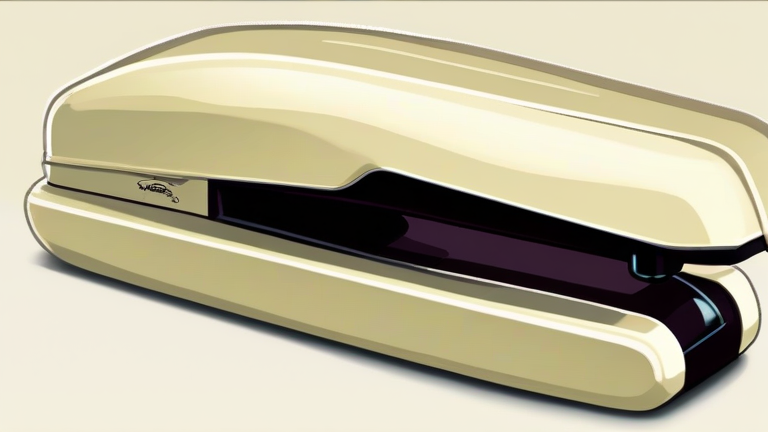
TL;DR: The Swingline 99, a staple of mid-century office aesthetics, is experiencing a modern resurgence driven by nostalgia and minimalist design trends. While it lacks digital connectivity, its mechanical reliability and iconic 1950s styling make it a unique statement piece in contemporary tech-adjacent accessory markets.
The Resurgence of Retro Mechanics
In an era dominated by cloud-based productivity suites and ergonomic digital peripherals, there is a quiet but growing movement toward analog reliability. The Swingline 99, originally designed in the late 1950s, is not just a stapler; it is a cultural artifact that has found a second life in the hands of designers, writers, and tech enthusiasts who value tactile feedback. Recent developments in the stationery industry have highlighted a shift away from disposable, plastic-heavy office supplies toward durable, repairable metal tools. This trend aligns with broader sustainability goals, as the Swingline 99 is built to last decades, not months. Collectors and modern users alike are refurbishing these units, creating a niche secondary market for vintage office equipment that was previously overlooked by mainstream tech retailers.
If you want to dig deeper, check out our guide on Hollywood Creatives Train AI to Replace Them: Industry on Ed.
Specifications and Design Integrity
Technically, the Swingline 99 is a marvel of simple engineering. It features a heavy-gauge steel body that provides significant weight, ensuring stability during use. The standard specification includes a staple capacity of up to 10 sheets of 20lb bond paper, using standard No. 10 staples. Unlike modern staplers that often incorporate plastic levers and springs that degrade over time, the 99 utilizes a robust internal spring mechanism that requires minimal maintenance. The dimensions are compact, measuring approximately 3.5 inches in length, making it ideal for pocket carry or desk drawers. The finish, typically a glossy black or silver chrome, is durable and resistant to scratches. There are no electronic components, no batteries, and no firmware updates, which is precisely what appeals to the modern user seeking a break from digital fatigue. The mechanical action is crisp, providing a satisfying auditory and tactile confirmation that a document has been secured.
Impact on the Modern Office
The industry impact of the Swingline 99’s revival is subtle but significant. It challenges the notion that technological advancement requires constant innovation. By proving that a tool designed in the 1950s remains functionally superior to many modern counterparts, it forces manufacturers to reconsider the balance between novelty and durability. This has led to a broader reevaluation of office ergonomics and aesthetics, where form and function are no longer mutually exclusive. Companies are beginning to integrate vintage-inspired designs into their product lines, recognizing that consumers are willing to pay a premium for items that offer both historical significance and practical utility. The Swingline 99 serves as a reminder that some problems, such as holding papers together, do not require complex solutions, just well-executed mechanics.
FAQ
Q: Is the Swingline 99 still manufactured today?
A: Original production has ceased, but the model is highly sought after on the secondary market, with refurbished units often sold by vintage office supply dealers.
Q: What type of staples does the Swingline 99 use?
A: It uses standard No. 10 staples, which are widely available at most office supply stores and hardware retailers.
Q: Can the internal mechanism be repaired?
A: Yes, the Swingline 99 is fully serviceable, with replaceable springs and staples available from specialized vintage parts suppliers.
Leave a Reply