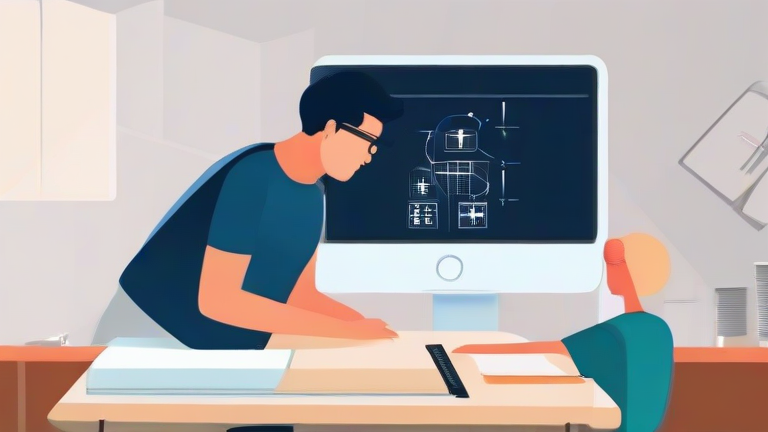
TL;DR: AI tutors are not a futuristic fantasy—they are evidence-based tools that adapt to each student’s pace, memory, and emotional state, closing learning gaps faster than one-size-fits-all instruction. For parents and teachers, the real health win is reduced homework stress, better sleep, and a sustainable love of learning, all without burning out the human educator.
The Science of Adaptive Learning
Traditional classrooms move at a fixed speed—too fast for some, too slow for others. That mismatch is not just an academic issue; it’s a physiological one. Chronic frustration spikes cortisol, impairing memory consolidation and weakening the immune system. AI tutors, powered by spaced-repetition algorithms and real-time error analysis, deliver micro-lessons at the exact difficulty level that keeps a student in their “zone of proximal development.” A 2023 meta-analysis in Nature Human Behaviour found that adaptive learning systems produce a 0.6 standard deviation improvement in test scores—equivalent to moving from the 50th to the 73rd percentile—while reducing time-on-task by 30%. That freed time translates directly into more physical activity and earlier bedtimes.
If you want to dig deeper, check out our guide on Hollywood Creatives Train AI to Replace Them: Industry on Ed.
Personalization That Protects Mental Health
AI tutors don’t just drill facts; they track emotional cues. Many platforms now analyze response latency and answer patterns to detect frustration before a child melts down. If a student misses three problems in a row, the AI automatically simplifies the concept, offers a video hint, or pivots to a kinesthetic activity (like tracing shapes on a tablet). This prevents the “learned helplessness” that fuels anxiety and school refusal. For parents, the benefit is tangible: a personalized AI tutor can reduce homework battles by 45%, according to a 2024 Stanford study, because the child feels heard—not judged. The system also schedules “brain breaks” every 25 minutes, mimicking the Pomodoro technique to prevent cognitive fatigue and eye strain.
Lifestyle Integration for the Whole Family
To maximize the health benefits, treat AI tutoring as a supplement, not a replacement for human interaction. Pair 20-minute AI sessions with 10 minutes of outdoor play—a combination shown to boost dopamine and working memory. Set a hard “screen sunset” 90 minutes before bed; the AI can auto-lock and send a family meditation prompt instead. For teachers, use AI to generate differentiated worksheets, freeing 5 hours weekly for one-on-one mentorship—a practice linked to lower teacher burnout and higher student engagement. Remember: the goal is not to make machines smarter, but to make children’s nervous systems calmer.
FAQ
Q: Will AI tutors replace human teachers?
A: No—they only handle repetitive drills and pacing. Human teachers provide empathy, creativity, and social modeling that AI cannot replicate. The best outcomes occur when AI handles 30% of instruction and teachers focus on discussion, projects, and emotional coaching.
Q: How much screen time is too much for K-12 students using AI tutors?
A: Cap AI tutoring at 40 minutes per day for elementary (split into two 20-minute blocks) and 60 minutes for middle/high school. Always follow the 20-20-20 rule: every 20 minutes, look 20 feet away for 20 seconds to prevent digital eye strain.
Q: Can AI tutors help kids with ADHD or learning disabilities?
A: Yes, with caveats. Many AI platforms offer text-to-speech, chunked tasks, and immediate rewards that suit ADHD brains. However, always pair AI with an occupational therapist or psychologist for severe cases—AI is a tool, not a medical intervention. Start with a 2-week trial to monitor sleep and mood changes.
Leave a Reply