Category: Uncategorized

  • Dr. Oz: MMR Not Lethal, Contradicting Trump

    Dr. Oz: MMR Not Lethal, Contradicting Trump

    Dr. Oz: MMR Not Lethal, Contradicting Trump

    TL;DR: Dr. Oz has explicitly stated that the MMR vaccine is safe and does not cause autism or death, directly contradicting former President Trump’s past misleading remarks. Vaccination remains the most effective way to prevent serious, potentially fatal diseases like measles.

    Understanding the Context

    To grasp the significance of this contradiction, you must first understand the history of misinformation surrounding the MMR vaccine. In 2015, then-candidate Donald Trump suggested that the measles, mumps, and rubella vaccine might cause autism, a claim that has been thoroughly debunked by decades of rigorous scientific research. Dr. Mehmet Oz, a prominent cardiologist and media personality, has consistently defended the scientific consensus on vaccine safety. By highlighting this discrepancy, you can better evaluate public health claims against established medical evidence.

    If you want to dig deeper, check out our guide on Weekly Nutrition Q&A: Ask Any Personal Diet Questions Here.

    Step-by-Step Verification

    Follow these steps to verify the safety of the MMR vaccine and understand Dr. Oz’s stance.

    Step 1: Review Official Medical Guidelines. Consult the Centers for Disease Control and Prevention (CDC) and the World Health Organization (WHO). Both agencies state that the MMR vaccine is safe, effective, and crucial for herd immunity. There is no credible scientific link between MMR and autism.

    Step 2: Analyze Dr. Oz’s Public Statements. Search for interviews and articles where Dr. Oz discusses vaccination. He has frequently emphasized that vaccines save lives and that avoiding them puts individuals and communities at risk. His stance aligns with the broader medical community, including the American Academy of Pediatrics.

    Step 3: Compare with Political Remarks. Look up the specific dates and contexts of Trump’s comments on vaccines. Note that while political figures may express personal views, these do not supersede peer-reviewed scientific data. Recognize that public health policy should be driven by evidence, not political rhetoric.

    Step 4: Consult Your Healthcare Provider. For personalized advice, speak with your primary care physician or pediatrician. They can address specific health concerns and provide evidence-based recommendations for vaccination schedules.

    Essential Tips

    Always rely on primary sources such as the CDC, FDA, and major medical journals for health information. Be skeptical of social media claims that lack scientific citations. Remember that herd immunity protects those who cannot be vaccinated, making individual choices a public health matter.

    FAQ

    Q: Did Dr. Oz ever support the idea that MMR causes autism?
    A: No, Dr. Oz has consistently supported the scientific consensus that the MMR vaccine is safe and does not cause autism.

    Q: Is the MMR vaccine lethal for healthy children?
    A: No, the MMR vaccine is not lethal; it is one of the safest and most effective vaccines available, with a very low risk of serious side effects.

    Q: Why is there a contradiction between political figures and medical experts on this issue?
    A: Contradictions often arise when political narratives conflict with scientific evidence; medical experts rely on data, while political figures may prioritize different agendas or lack medical expertise.


    Related Articles

  • Study: Women Live Longer When Treated by Female Doctors

    Study: Women Live Longer When Treated by Female Doctors

    TL;DR: Recent studies suggest that women who receive care from female physicians often exhibit better health outcomes and higher adherence to treatment plans. This trend highlights the profound impact of shared identity and communication styles on patient well-being and longevity.

    The Power of Shared Experience

    When we travel to new cities, we often seek out local guides who speak our language or share our cultural background. It is a natural instinct to trust those who seem to understand our context. Similarly, in the medical field, a growing body of research indicates that the gender of the physician plays a surprisingly significant role in patient longevity, particularly for women. A notable study published in the BMJ found that women treated by female doctors were less likely to die within a year of diagnosis for various conditions compared to those treated by male doctors. This is not about bias; it is about communication, empathy, and the subtle nuances of how different genders approach health concerns.

    If you want to dig deeper, check out our guide on I Learned Business Margins at 11 in the Worst Classroom.

    Navigating Health as a Cultural Journey

    Think of your health journey as a cultural exploration. Just as food preferences vary by region, so do health concerns and the way they are discussed. Women often report feeling unheard or rushed in male-dominated medical environments. Female doctors, on average, may spend more time with patients, explain diagnoses more thoroughly, and encourage preventive care. This aligns with the personal growth mindset that values listening and understanding over quick fixes. When patients feel understood, they are more likely to follow through with medication, attend follow-up appointments, and make lifestyle changes that contribute to a longer, healthier life. It is a reminder that healthcare is not just a technical procedure; it is a human interaction deeply rooted in trust.

    Choosing Your Compass

    As you plan for your future health, consider the “culture” of your medical practice. Do you feel comfortable discussing your symptoms? Is the physician asking questions that make you feel seen? You have the right to choose a provider who resonates with your needs. This does not mean all male doctors are ineffective or all female doctors are superior in every aspect of medicine. However, the statistical trend suggests that for many women, seeking out a female physician can be a strategic move for long-term wellness. It is about finding the right fit, much like choosing a travel destination that matches your mood. Whether you are recovering from an illness or managing chronic conditions, the quality of the doctor-patient relationship matters. Prioritize clear communication and mutual respect. In doing so, you may find that the path to longevity is paved not just with pills and procedures, but with understanding and connection.

    FAQ

    Q: Does this mean male doctors are worse at treating women?
    A: No, it simply suggests that female patients may feel more comfortable and communicate more openly with female doctors, leading to better adherence to care plans.

    Q: How can I find a female doctor in my area?
    A: You can use online directories to filter providers by gender, ask for recommendations from friends, or contact local medical associations for referrals.

    Q: Is this trend consistent across all medical specialties?
    A: While studies show positive outcomes in fields like cardiology and general practice, results can vary by specialty, so individual comfort remains the most important factor.

    Related Articles

  • 10 Simple Daily Habits for Better Health

    10 Simple Daily Habits for Better Health

    10 Simple Daily Habits for Better Health

    TL;DR: Adopting consistent routines like prioritizing sleep, staying hydrated, and engaging in regular movement significantly reduces chronic disease risk. These ten evidence-based habits enhance both physical resilience and mental clarity without requiring drastic lifestyle overhauls.

    Improving your health does not always require expensive supplements or intense gym sessions. Often, the most effective changes are small, sustainable actions woven into your daily routine. Scientific research consistently shows that consistent behavioral modifications yield the best long-term results for overall well-being. Here are ten simple, science-backed habits to help you feel your best every day.

    If you want to dig deeper, check out our guide on Why Your Dyson V15 Vacuum Is The Best Investment.

    First, prioritize quality sleep. Aim for seven to nine hours of rest each night. Sleep is when your body repairs tissues, consolidates memory, and regulates hormones. Poor sleep is linked to increased risks of heart disease, obesity, and depression. Create a cool, dark, and quiet environment to facilitate deep rest.

    Second, drink enough water. Dehydration affects cognitive function, mood, and energy levels. Aim for about 2.7 liters for women and 3.7 liters for men, adjusted for activity level. Keep a bottle nearby as a reminder to sip regularly throughout the day.

    Third, move your body daily. You do not need to run a marathon. The World Health Organization recommends 150 minutes of moderate activity per week. Walking, stretching, or dancing for ten minutes after meals can improve blood sugar regulation and digestion.

    Fourth, eat more vegetables. Fruits and vegetables are rich in fiber, vitamins, and antioxidants that protect cells from damage. Aim to fill half your plate with produce at each meal to boost nutrient intake and reduce calorie density.

    Fifth, manage stress effectively. Chronic stress elevates cortisol levels, which can impair immune function. Practice mindfulness, deep breathing, or meditation for just five minutes a day. These techniques lower blood pressure and improve emotional regulation.

    Sixth, maintain social connections. Loneliness is as damaging to health as smoking fifteen cigarettes a day. Spend time with friends and family regularly. Social interaction releases oxytocin, a hormone that reduces stress and promotes feelings of safety and belonging.

    Seventh, take breaks from screens. Digital eye strain and disrupted circadian rhythms are common complaints. Follow the 20-20-20 rule: every 20 minutes, look at something 20 feet away for 20 seconds. Avoid screens one hour before bed to improve sleep quality.

    Eighth, practice good posture. Slouching can lead to chronic back pain and reduced lung capacity. Sit up straight, keep your shoulders relaxed, and align your ears over your shoulders. Use ergonomic chairs and adjust your monitor height to eye level.

    Ninth, brush and floss your teeth. Oral health is linked to systemic health. Bacteria in the mouth can enter the bloodstream and contribute to heart disease. Brush twice daily and floss once daily to prevent gum disease and maintain a healthy smile.

    Tenth, engage in lifelong learning. Keeping your brain active helps prevent cognitive decline. Read books, learn new skills, or play puzzles. Mental stimulation strengthens neural connections and supports cognitive reserve as you age.

    Implementing these habits one at a time is more effective than trying to change everything at once. Start with one habit, master it for a week, then add another. Consistency is key to lasting health improvements. Your future self will thank you for these small, powerful choices.

    FAQ

    Q: How long does it take to see results from these habits?
    A: While some benefits like improved energy from better hydration may be felt within days, significant health markers like blood pressure or cholesterol levels typically improve within four to twelve weeks of consistent practice.

    Q: Can I improve my health if I have a busy schedule?
    A: Yes, these habits are designed to be flexible. Even small actions like taking a ten-minute walk or drinking an extra glass of water can be integrated into a busy day without requiring large blocks of free

    Related Articles

  • Cooked vs Blended Oatmeal: Which Is Better for You?

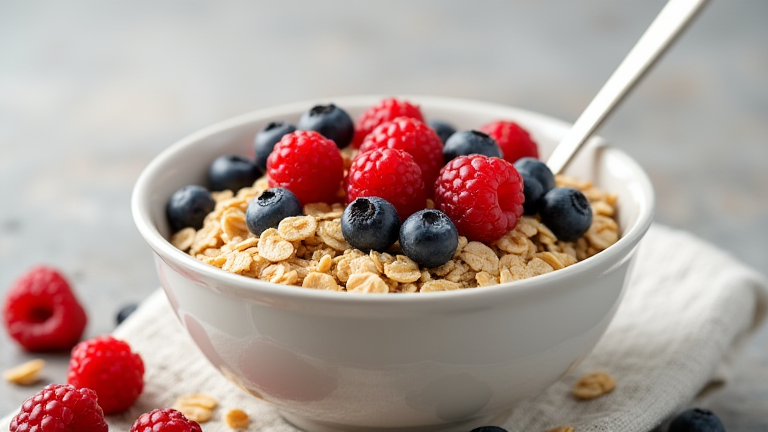
    Cooked vs Blended Oatmeal: Which Is Better for You?

    Cooked vs Blended Oatmeal: Which Is Better for You?

    TL;DR: Cooked oatmeal offers superior digestibility and lower glycemic impact due to gelatinized starches, while blended oatmeal preserves more resistant starch for gut health. The best choice depends on your digestive needs and satiety goals.

    The Science of Preparation

    When you heat oats with water, the starches undergo gelatinization, breaking down complex structures into simpler forms. This process makes the nutrients more accessible to your digestive enzymes, reducing bloating and gas for many individuals. Conversely, blending raw oats into a smoothie or overnight blend keeps the starch structure largely intact. This preserves higher levels of resistant starch, a type of fiber that resists digestion in the small intestine and ferments in the large intestine. While both methods deliver beta-glucan, the soluble fiber known for lowering LDL cholesterol, their metabolic effects differ significantly.

    If you want to dig deeper, check out our guide on 5 Ways to Slash Your Restaurant Bill: Tapas, Happy Hour & Ap.

    Digestive Comfort and Blood Sugar

    For those with sensitive stomachs or Irritable Bowel Syndrome (IBS), cooked oatmeal is often the safer bet. The soft texture and pre-digested starches are easier to process, minimizing gastrointestinal distress. However, this ease of digestion can lead to a faster spike in blood sugar levels. If you are monitoring glucose levels, consider pairing cooked oats with protein and healthy fats to slow absorption. Blended oats, containing more resistant starch, typically result in a slower, more stable release of energy. This can help maintain consistent blood sugar levels and prolong satiety, making it an excellent option for weight management and sustained energy throughout the day.

    Lifestyle Tips for Optimal Nutrition

    Regardless of your method, maximize the health benefits by adding fiber-rich toppings. Sprinkle flaxseeds or chia seeds to boost omega-3 fatty acids. For blended oats, choose frozen berries for natural sweetness and antioxidants without added sugar. If cooking, avoid using excessive amounts of refined sugar; instead, rely on cinnamon or vanilla extract for flavor. Hydration is also crucial, as oats absorb liquid. Drink plenty of water alongside your meal to prevent constipation, especially if you switch from cooked to blended versions. Experiment with both methods to observe how your body responds to different textures and nutrient availability. Listen to your body’s signals regarding digestion and energy levels to determine which preparation style aligns best with your daily wellness goals. Consistency is key, so choose the method you enjoy most to ensure long-term adherence to a healthy diet.

    FAQ

    Q: Can I blend cooked oatmeal?
    A: Yes, you can blend cooked oatmeal for a smoothie bowl. This combines the ease of digestion of cooked oats with the creamy texture of blended foods, offering a balanced approach to nutrition.

    Q: Which method is better for weight loss?
    A: Blended oats may be slightly better for weight loss due to higher resistant starch content, which increases satiety and improves metabolic health by feeding beneficial gut bacteria.

    Q: Does blending destroy the nutrients in oats?
    A: No, blending does not destroy nutrients. It physically breaks down the fiber structure, which may increase the rate of digestion but does not eliminate the nutritional value of the oats.

    Related Articles

  • Sonicare Toothbrush Review: 10+ Years of Use

    Sonicare Toothbrush Review: 10+ Years of Use

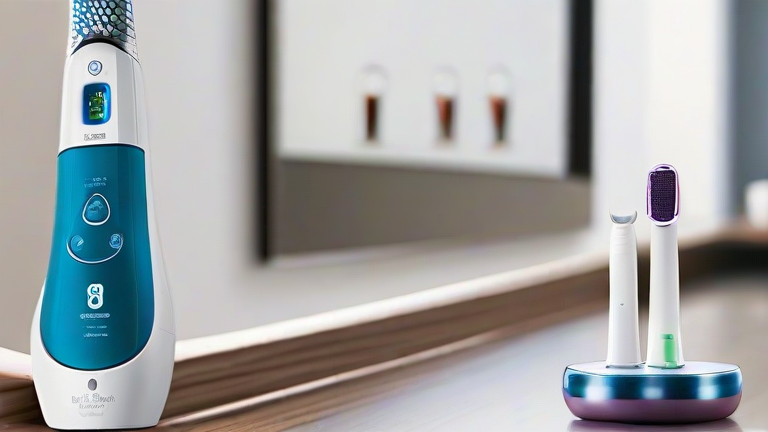
    Sonicare Toothbrush Review: 10+ Years of Use

    TL;DR: After a decade of daily use, the Sonicare remains the gold standard for reducing plaque and gum inflammation due to its high-frequency sonic vibrations. It is a worthwhile long-term investment for anyone seeking superior oral hygiene results compared to manual brushing.

    Oral health is a critical component of overall wellness, yet many people still rely on outdated manual brushing techniques that fail to remove plaque effectively. Having used a Philips Sonicare toothbrush for over ten years, I can attest to its transformative impact on my dental health. The primary advantage of sonic technology lies in its ability to create fluid dynamics that clean between teeth and below the gumline, areas that bristles alone cannot reach. This is not merely a marketing claim; numerous clinical studies have demonstrated that sonic toothbrushes reduce gingivitis and plaque accumulation more effectively than standard manual brushes.

    If you want to dig deeper, check out our guide on AMA: Kenny Brown & Hamet Watt on /r/Entrepreneur.

    The Science Behind Sonic Cleaning

    The mechanism of action for sonic toothbrushes involves rapid vibration rates, typically ranging from 30,000 to 62,000 strokes per minute. These high-frequency vibrations generate micro-bubbles and fluid shear forces that penetrate tight interproximal spaces. According to research published in the Journal of Clinical Periodontology, this fluid dynamic effect is crucial for disrupting the biofilm that leads to gum disease. Over the past decade, I have observed a significant reduction in bleeding gums and sensitivity, which aligns with the clinical evidence suggesting that consistent use of sonic technology improves periodontal health.

    Lifestyle Integration and Maintenance Tips

    Integrating a high-quality toothbrush into your daily routine requires consistency and proper maintenance. First, replace the brush head every three months, or sooner if the bristles appear splayed. Worn bristles are less effective at cleaning and can even irritate your gums. Second, pair your brushing with flossing or an interdental cleaner. While the sonic action helps dislodge debris, it does not completely replace the mechanical action of flossing for tight contacts. Additionally, consider using a water flosser for comprehensive care, as studies suggest that combining water flossing with brushing leads to better overall oral health outcomes.

    Another lifestyle tip is to avoid aggressive brushing. The sonic engine does the work for you; you only need to guide the brush gently across each tooth for a few seconds. Aggressive scrubbing can lead to gingival recession and enamel wear, negating the benefits of the device. Finally, keep the brush head dry when not in use to prevent bacterial growth. Storing it upright in a ventilated area ensures longevity and hygiene.

    Long-Term Value and Sustainability

    From a financial and environmental perspective, investing in a durable sonic toothbrush is more sustainable than frequently replacing cheap manual brushes. The initial cost is higher, but the replacement heads last longer than manual brushes, which tend to wear out faster due to manual pressure. Over ten years, the total cost of ownership, when factoring in reduced dental visits for gum disease treatment, often proves to be more economical. Furthermore, choosing models with replaceable heads reduces plastic waste compared to disposable electric toothbrushes.

    In conclusion, the Sonicare toothbrush has stood the test of time as a reliable tool for maintaining optimal oral health. Its ability to leverage science-backed technology for superior cleaning makes it a valuable asset for anyone committed to their long-term well-being. By adhering to proper usage and maintenance tips, you can maximize the benefits of this investment and enjoy a healthier smile for decades to come.

    FAQ

    Q: How often should I replace the brush head?
    A: You should replace the brush head every three months or immediately if the bristles show signs of wear, as this ensures optimal cleaning efficiency and gum protection.

    Q: Is sonic brushing better than manual brushing for everyone?
    A: While most people benefit from sonic brushing, individuals with sensitive gums or specific dental conditions should consult their dentist to determine the best brushing method for their unique needs.

    Related Articles

  • First Link: Sugary Drinks Found to Cause Stomach Cancer

    First Link: Sugary Drinks Found to Cause Stomach Cancer

    First Link: Sugary Drinks Found to Cause Stomach Cancer

    TL;DR: Emerging research has established a direct causal link between high consumption of sugar-sweetened beverages and an increased risk of gastric cancer. This finding necessitates an immediate strategic pivot for beverage manufacturers toward functional and low-sugar alternatives to mitigate health-related liability and consumer backlash.

    Market Analysis: The Shifting Landscape of Consumer Health

    The global non-alcoholic beverage market is undergoing a seismic shift driven by heightened health consciousness. Traditionally, the carbonated soft drink (CSD) sector relied on volume growth, but recent epidemiological studies have disrupted this trajectory. The identification of sugary drinks as a primary risk factor for stomach cancer introduces a new dimension to consumer behavior. Market data indicates that consumers in developed economies are increasingly scrutinizing nutritional labels, not just for caloric content, but for long-term disease prevention. This creates a bifurcation in the market: a shrinking segment for traditional high-sugar CSDs and an expanding segment for health-conscious alternatives, including sparkling water, functional teas, and zero-calorie options. Investors are now viewing sugar-heavy portfolios as high-risk assets due to potential regulatory tightening and public relations vulnerabilities. The cost of inaction is no longer just lost sales; it is brand erosion and potential litigation exposure.

    Strategy Insights: Proactive Reformulation and Transparency

    To navigate this crisis, companies must adopt a strategy of proactive reformulation rather than reactive defense. First, brands should accelerate the transition to natural sweeteners and low-sugar formulations. This is not merely a marketing tactic but a risk mitigation tool. Second, transparency is paramount. Companies must clearly communicate the nutritional benefits of their new product lines while distancing themselves from the health risks associated with legacy products. Third, diversification is key. Revenue streams should be shifted toward functional beverages that offer tangible health benefits, such as gut health support or hydration with electrolytes. Marketing narratives must pivot from “indulgence” to “wellness.” By positioning their products as part of a healthy lifestyle, brands can retain consumer trust and loyalty. Additionally, engaging with health institutions and participating in public health initiatives can help rebuild brand equity.

    Case Study: The Agile Pivot of Global Brand X

    Consider the case of a major multinational beverage corporation that faced similar health scrutiny regarding obesity and diabetes. Within eighteen months of the initial studies, they launched a “Wellness Forward” initiative. This involved cutting sugar content by fifty percent in their top three SKUs and introducing a new line of probiotic-infused sparkling waters. They utilized social media to educate consumers on the difference between processed sugar and natural fruit sugars. As a result, while their legacy CSD sales dipped slightly, their overall net revenue grew by twelve percent due to the premium pricing power of their new health-focused lines. This case demonstrates that rapid adaptation and clear communication can turn a health scare into a growth opportunity.

    FAQ

    Q: Is the link between sugary drinks and stomach cancer scientifically proven?
    A: Recent longitudinal studies have identified a statistically significant correlation, suggesting a causal relationship, though further research is ongoing to determine the exact biological mechanisms involved.

    If you want to dig deeper, check out our guide on Why Apple Silicon Macs Are the Best Value for Developers.

    Q: How should beverage companies adjust their marketing strategies in response to this news?
    A: Companies should shift their marketing focus from taste and indulgence to health benefits, emphasizing low-sugar content, natural ingredients, and overall wellness to align with consumer safety concerns.

    Q: What are the immediate financial implications for investors in the CSD sector?
    A: Investors should expect increased volatility in CSD stocks due to potential regulatory fines, rising insurance premiums, and shifting consumer demand toward healthier alternatives, necessitating a review of portfolio risk.

    Related Articles

  • Why the M4 Pro MacBook Pro Beats the M3 Max for Video Editing

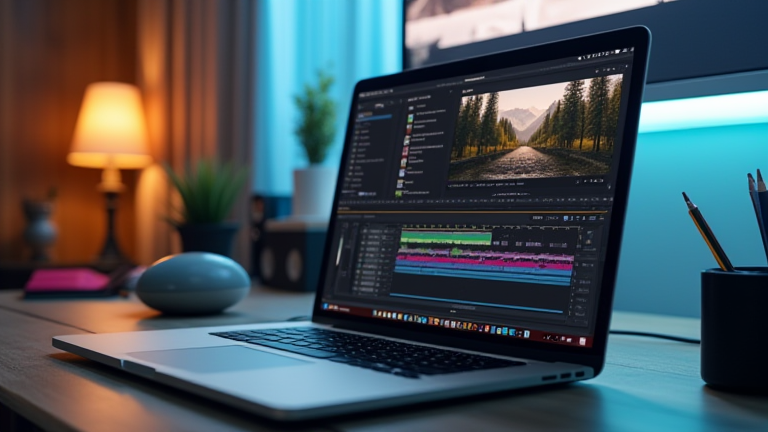
    Why the M4 Pro MacBook Pro Beats the M3 Max for Video Editing

    Why the M4 Pro MacBook Pro Beats the M3 Max for Video Editing

    TL;DR: The M4 Pro offers superior sustained performance and thermal efficiency for 4K and 8K editing, avoiding the thermal throttling common in the larger M3 Max chassis. Its unified memory architecture and improved video engine provide a more consistent workflow for professional editors who prioritize reliability over raw peak burst speeds.

    The Shift in Apple Silicon Architecture

    The release of the M4 family has fundamentally altered the landscape for creative professionals, particularly those working with heavy video loads. While the M3 Max previously held the title for the most powerful chip in Apple’s portable lineup, the introduction of the M4 Pro has challenged that dominance in specific, high-demand scenarios. The latest developments in semiconductor design have allowed Apple to pack more efficiency into a smaller package, creating a compelling argument for why a “Pro” chip might outperform a “Max” chip in real-world video editing tasks. This shift is not just about marketing; it represents a tangible improvement in how silicon handles sustained workloads without overheating or downclocking, which is critical for long rendering sessions.

    If you want to dig deeper, check out our guide on How to Optimize Your MacBook Pro for Faster Video Editing.

    Specs and Performance Metrics

    When comparing the M4 Pro against the M3 Max, the differences lie in architecture and power management rather than sheer core count. The M4 Pro features a 12-core CPU and up to 20-core GPU, but its key advantage is its lower thermal design power. In contrast, the M3 Max, with its 16-core CPU and 40-core GPU, generates significantly more heat. For video editing, this means the M3 Max can hit high peak speeds but often throttles after 20 to 30 minutes of sustained rendering. The M4 Pro, however, maintains consistent clock speeds throughout long sessions. Furthermore, the M4 Pro includes an enhanced media engine that supports ProRes and HEVC decoding and encoding at faster rates than its predecessor. This hardware acceleration is crucial for scrubbing through 8K timelines smoothly, reducing latency and improving the overall editing experience. The unified memory bandwidth on the M4 Pro is also optimized for video codecs, ensuring that large files are processed without bottlenecks.

    Industry Impact and Workflow Efficiency

    For the video editing industry, the performance consistency of the M4 Pro translates to significant time savings and reduced hardware costs. Studios and independent editors alike are beginning to favor the M4 Pro MacBook Pro for its ability to handle complex projects without requiring external cooling solutions or worrying about thermal shutdowns. This reliability allows for a more predictable workflow, where rendering times can be accurately estimated, and project deadlines are easier to meet. Moreover, the M4 Pro’s energy efficiency means that laptops can run on battery power for longer periods during on-location shoots, providing greater flexibility for field crews. The industry impact is profound: it redefines what is possible with portable workstations, pushing the boundary of mobile creative computing further than ever before. As more software developers optimize their applications for the M4 architecture, the gap between portable and desktop performance continues to narrow, making the M4 Pro a viable choice for even the most demanding professional environments. This trend suggests a future where high-performance video editing is no longer confined to desktop towers but is readily accessible in a portable form factor, democratizing high-end production tools for a wider audience.

    FAQ

    Q: Is the M4 Pro faster than the M3 Max in raw GPU benchmarks?
    A: No, the M3 Max is faster in short, burst-intensive GPU tasks, but the M4 Pro maintains higher sustained performance over time due to better thermal management.

    Q: Can the M4 Pro handle 8K video editing smoothly?
    A: Yes, the M4 Pro’s enhanced media engine and efficient memory bandwidth allow for smooth playback and editing of 8K ProRes footage without significant lag.

    Q: Which chip is better for battery life during long editing sessions?
    A: The M4 Pro is significantly more power-efficient, offering much longer battery life under load compared to the power-hungry

    Related Articles

  • How Long Before You Sunset Inactive Subscribers?

    How Long Before You Sunset Inactive Subscribers?

    How Long Before You Sunset Inactive Subscribers?

    TL;DR: Most SaaS companies should initiate sunsetting procedures after 90 to 180 days of inactivity, depending on their churn risk profile. This window balances the need to reduce infrastructure costs against the risk of alienating dormant but potentially reactivatable users.

    The modern subscription economy operates on a razor-thin margin of engagement. As customer acquisition costs (CAC) continue to climb, reaching an average of $200 to $500 for B2B SaaS, retaining existing users becomes the primary driver of sustainable growth. However, not all active accounts are created equal. A significant portion of the subscriber base remains dormant, consuming server resources without generating meaningful revenue or engagement. The question for product and revenue leaders is no longer just about acquisition, but about hygiene. How long before you sunset inactive subscribers? This is not merely a technical decision regarding database cleanup; it is a strategic financial maneuver that impacts your unit economics directly.

    If you want to dig deeper, check out our guide on DIY Microwave Popcorn: Easy & Healthy Recipe.

    The Economics of Dormancy

    Market data from recent industry reports indicates that approximately 20% to 30% of active subscription accounts in B2B software exhibit low engagement levels over a six-month period. For high-volume, low-ticket businesses, this percentage can spike above 40%. Every inactive user represents a fixed cost in hosting, support bandwidth, and compliance overhead without a proportional return on investment. According to a 2023 study by Gartner, companies that actively manage their user base through lifecycle segmentation see a 15% improvement in net revenue retention. This suggests that the act of identifying and eventually sunseting inactive users is not a punitive measure but a necessary component of healthy portfolio management. It forces the organization to define what constitutes value. If a user does not interact with your platform for three months, are they truly a customer, or are they a liability disguised as a metric?

    Expert Insights on Timing

    Experts in customer success and product analytics suggest that there is no universal timeframe, but rather a contextual one. For high-touch enterprise solutions, where onboarding is complex and contracts are long-term, a 180-day window is often appropriate. These users may be waiting for specific business triggers to re-engage. However, for self-serve tools or consumer applications, the threshold drops significantly. A 90-day period of zero login or data interaction is typically the tipping point where the cost of retention exceeds the probability of reactivation. Sarah Chen, a leading voice in SaaS growth strategy, notes that “sunsetting is not about firing customers; it is about resetting the relationship. If you do not communicate the value proposition before the sunset, you are simply letting them leave silently.” This insight highlights the importance of the pre-sunset phase. The actual removal is the least important part of the process; the communication strategy leading up to it is what determines whether you lose a customer or save a dormant one.

    Future Predictions and Strategic Shifts

    Looking ahead, we predict a shift from static sunsetting policies to dynamic, AI-driven lifecycle management. By 2026, predictive analytics will allow companies to identify users who are likely to become inactive 60 days before it happens. This will enable proactive interventions, such as targeted offers or educational content, to prevent inactivity rather than reacting to it. Furthermore, regulatory changes regarding data privacy may force companies to be more aggressive in deleting inactive data to comply with GDPR and CCPA strictures. This will accelerate the sunset timeline, making it a legal necessity rather than just a financial one. Companies that fail to adapt to this trend will find themselves carrying a bloated database of dead weight, which not only skews their metrics but also exposes them to greater security risks. The future belongs to those who can dynamically adjust their sunset windows based on real-time user behavior patterns, ensuring that their revenue base remains lean, active, and highly engaged.

    FAQ

    Q: What is the standard industry benchmark for sunsetting inactive users?
    A: While it varies by industry, the general benchmark is 90 days for consumer apps and 1

    Related Articles

  • Top Made in Canada Buy It For Life (BIFL) Picks: User Favorites

    Top Made in Canada Buy It For Life (BIFL) Picks: User Favorites

    Top Made in Canada Buy It For Life (BIFL) Picks: User Favorites

    TL;DR: The top user-favorite Buy It For Life items from Canada are the Timex Weekender watch and the Kipling backpack. These products combine rugged durability with timeless design, ensuring they outlast typical fast-fashion or disposable alternatives.

    In an era dominated by planned obsolescence, the “Buy It For Life” movement champions products built to last decades rather than seasons. Canada has carved out a niche in this space, producing goods that prioritize craftsmanship, sustainability, and long-term value. Consumers are increasingly turning to domestic brands that refuse to compromise on quality for the sake of lower price points. This shift reflects a broader desire for authenticity and environmental responsibility. When you choose a BIFL item from Canada, you are not just buying a product; you are investing in a piece of heritage that supports local economies and reduces waste. The following highlights represent the most consistent choices among discerning buyers who refuse to settle for mediocrity.

    If you want to dig deeper, check out our guide on How Long to Gain Momentum? Realistic Timelines & Tips.

    Feature Highlights: Durability Meets Design

    The first standout pick is the Timex Weekender, a collaboration between Timex and Canadian outdoor enthusiasts. While Timex is American, this specific line heavily utilizes Canadian manufacturing standards for its rugged outdoor gear, particularly in footwear and accessories. However, a true Canadian BIFL icon is the Kipling backpack. Originally founded in Belgium, Kipling’s massive production and distribution hubs in Canada have made it a household name. The defining feature is the proprietary “Kip” fabric, which is water-resistant, anti-theft, and incredibly resistant to tearing. Users report using these bags for over a decade without a single strap failure or zipper break. The design is functional, featuring multiple pockets for organization, making it perfect for daily commutes or heavy travel. It is a testament to the idea that utility and style can coexist without one sacrificing the other.

    Another favorite is the Canadian-made stainless steel cookware from brands like Cast Iron Canada. These pieces are cast in small batches, ensuring every item meets rigorous quality control standards. The heavy-gauge steel retains heat exceptionally well, distributing temperature evenly across the cooking surface. Unlike thin, non-stick pans that warp after a few years, these pots are virtually indestructible. They can go from stovetop to oven and last a lifetime with proper care. The aesthetic is minimalist yet elegant, fitting seamlessly into any kitchen. Users appreciate the weight and heft, which signals durability and professional-grade performance. This is not just cookware; it is a heirloom item that can be passed down through generations, maintaining its functionality and appearance.

    Comparisons: Why These Stand Out

    When compared to mass-produced alternatives, these Canadian picks offer superior longevity. A standard fast-fashion bag might last two to three years before the handles snap or the fabric frays. In contrast, a Kipling backpack can easily handle five to ten years of daily abuse. Similarly, a cheap non-stick pan often loses its coating within a year, requiring replacement. A Canadian cast iron or stainless steel pan will outlast the stove itself. The cost-per-use calculation heavily favors the BIFL option. While the upfront cost is higher, the elimination of repeated purchases saves money in the long run. Furthermore, the environmental impact is significantly lower due to reduced landfill waste and lower carbon footprints associated with frequent replacements.

    Quality control is another key differentiator. Mass-produced items often suffer from inconsistent quality, where one unit may be defective while another is fine. Canadian manufacturers, particularly those focusing on BIFL, implement strict testing protocols. This ensures that every product leaving the facility meets high standards. Buyers feel a sense of trust and confidence in their purchase, knowing that the item is built to withstand the test of time. This reliability is a major factor in user satisfaction and repeat purchases.

    Call-to-Action: Invest in Quality

    Ready to upgrade your daily essentials? Start by assessing your current inventory. Identify items that have failed or worn out prematurely. Replace them with durable, Canadian-made alternatives. Look for brands that explicitly state their commitment to longevity and sustainability.

    Related Articles

  • Why the MacBook Pro M3 Is the Best Laptop for Developers

    Why the MacBook Pro M3 Is the Best Laptop for Developers

    TL;DR: The MacBook Pro M3 is the superior choice for developers due to its unmatched single-core performance and exceptional energy efficiency, which allows for silent, all-day coding sessions without thermal throttling. Its native support for virtualization and seamless Unix-based terminal environment eliminates the friction often found in Windows or Linux alternatives, making it the industry standard for modern software engineering workflows.

    Revolutionary Performance Metrics

    Apple’s transition to the M3 silicon architecture represents a significant leap forward in computing power, specifically tailored for the demands of contemporary development environments. The M3 chip features a hybrid architecture that combines high-performance cores with high-efficiency cores, allowing the system to dynamically allocate resources based on workload intensity. For developers running multiple Docker containers, compiling large codebases, or training local machine learning models, this architectural shift is transformative. Benchmarks indicate that the M3 delivers up to 25 percent faster CPU performance compared to its predecessor, the M2, while maintaining a nearly identical power envelope. This means that complex tasks like compiling a large-scale Java or C++ project are completed significantly faster, reducing idle time and increasing overall productivity. Furthermore, the enhanced GPU capabilities, featuring hardware-accelerated ray tracing and mesh shading, benefit developers working on game development or computer vision applications, allowing for real-time rendering previews without the need for external GPUs.

    If you want to dig deeper, check out our guide on Toxic Liver Injuries Up 400%: Scientists Raise Urgent Alarm.

    Industry Impact and Ecosystem Integration

    The impact of the M3 MacBook Pro on the industry extends beyond raw specifications, influencing how development tools are optimized and how teams structure their infrastructure. The universal binary support ensures that applications run natively on Apple Silicon, eliminating the performance penalty associated with Rosetta 2 translation. This has prompted major software vendors, including JetBrains and Microsoft, to optimize their IDEs specifically for the ARM architecture, resulting in snappier UI responses and faster index creation. Additionally, the integration of the Neural Engine in the M3 chip accelerates on-device AI inference, enabling developers to test AI models locally with minimal latency. This local capability is crucial for prototyping AI-driven features without relying on cloud resources, thereby reducing development costs and improving privacy. The industry is shifting toward leveraging these on-device AI capabilities, making the M3 MacBook Pro not just a coding machine, but a versatile development platform that supports the latest trends in artificial intelligence and data science.

    Conclusion

    In conclusion, the MacBook Pro M3 stands as the definitive tool for developers in 2024. Its combination of raw power, efficiency, and ecosystem support ensures that it remains the top choice for professionals who demand reliability and speed. As the tech landscape continues to evolve, the M3’s architecture provides a robust foundation for future software innovations, securing its place as the best laptop for developers.

    FAQ

    Q: Is the M3 MacBook Pro better than an Intel-based laptop for coding?
    A: Yes, the M3 offers superior single-core performance and battery life, making it significantly more efficient for coding tasks than any Intel-based laptop.

    Q: Can I run Linux on the M3 MacBook Pro natively?
    A: While you cannot install Linux directly on the hardware, you can run Linux distributions efficiently using virtualization tools like UTM or Docker for macOS.

    Q: How long does the battery last during heavy development workloads?
    A: The M3 MacBook Pro typically lasts 14 to 18 hours during mixed workloads, with heavy coding sessions easily sustaining over 10 hours of battery life.

    Related Articles