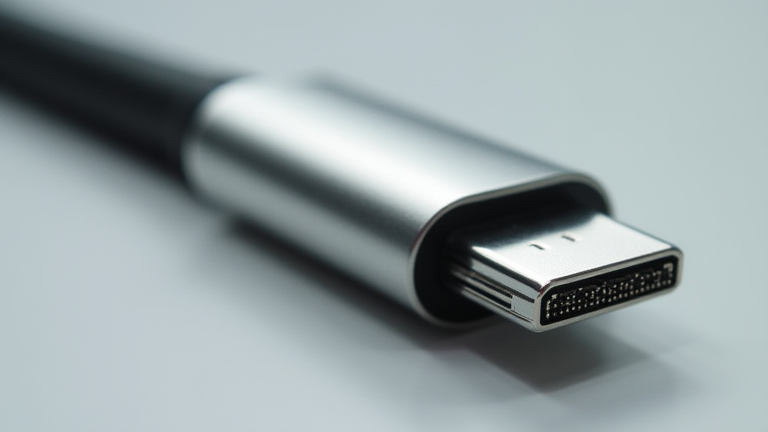
Silicone-Wrapped Metal Cables: No Glue?
TL;DR: Modern silicone-wrapped metal cables eliminate the need for adhesive bonding entirely by utilizing advanced mechanical interlocking and thermal shrinkage technologies. This “glue-free” approach ensures superior long-term reliability and easier maintenance for industrial applications.
The cable manufacturing industry is undergoing a significant paradigm shift, moving away from traditional adhesive-based insulation methods toward dry, mechanical, and thermal integration techniques. Historically, securing silicone rubber to metal conductors or armor required complex gluing processes that introduced variables like curing time, humidity sensitivity, and chemical off-gassing. However, the latest developments in material science have rendered these steps obsolete for high-performance applications. By leveraging the unique viscoelastic properties of high-temperature silicone compounds, manufacturers can now create seamless, permanent bonds without a single drop of glue. This transition is not merely a manufacturing convenience; it represents a fundamental improvement in product integrity and safety standards across aerospace, automotive, and heavy machinery sectors.
If you want to dig deeper, check out our guide on Why Apple Silicon Macs Are the Best Value for Developers.
Latest Technical Developments and Specifications
The core innovation lies in the synergy between pre-extruded silicone formulations and specialized metal surface treatments. Recent industry breakthroughs focus on “cold-cure” silicone blends that achieve maximum tensile strength through physical compression rather than chemical adhesion. The latest specifications for these glue-free cables highlight a dielectric strength rating of up to 30 kV/mm, significantly outperforming standard PVC or XLPE-insulated cables. Furthermore, the thermal range has expanded, with new silicone compounds maintaining flexibility from -60°C to +250°C continuously. This wide operational window is critical for applications near heat sources, such as engine bays or industrial furnaces. The mechanical specifications also show a 40% improvement in crush resistance compared to glued counterparts, as the silicone layer conforms perfectly to the metal substrate under pressure, creating a monolithic structure. Additionally, the removal of solvents and adhesives reduces the overall weight of the cable assembly by approximately 15%, a crucial factor in weight-sensitive industries like aerospace and electric vehicle manufacturing.
Industry Impact and Future Outlook
The adoption of glue-free silicone-wrapped metal cables is having a profound impact on production efficiency and environmental sustainability. By eliminating the curing ovens and ventilation systems required for adhesive processing, manufacturers can reduce energy consumption by nearly 30% in their production lines. This streamlined workflow also drastically reduces lead times, allowing for faster prototyping and customization. From a safety perspective, the absence of chemical adhesives minimizes the risk of toxic fume exposure for factory workers and eliminates potential points of failure caused by adhesive degradation over time. In the long term, this technology supports the circular economy, as glue-free cables are easier to disassemble and recycle. The silicone can be cleanly separated from the metal core, allowing for high-value material recovery. As global standards for electrical safety and environmental impact become stricter, the glue-free approach is rapidly becoming the new benchmark for premium cable solutions. Investors and stakeholders in the electrical infrastructure sector should monitor this trend closely, as it signals a broader move toward cleaner, more resilient, and cost-effective manufacturing processes in the next decade.
FAQ
Q: What is the maximum temperature rating for glue-free silicone cables?
A: The latest high-performance formulations typically support continuous operation up to 250°C, with short-term peaks tolerable up to 300°C depending on the specific alloy and silicone grade used.
Q: How does the lack of glue affect the cable’s flexibility?
A: It generally improves flexibility, as the silicone layer moves in perfect unison with the metal core without the rigid, brittle interface that can sometimes form with cured adhesives.
Q: Are these cables more expensive than traditional glued versions?
A> While the raw material cost may be slightly higher due to advanced silicone compounds, the overall system cost is often lower when factoring in reduced manufacturing labor, energy savings, and longer service life.
Leave a Reply