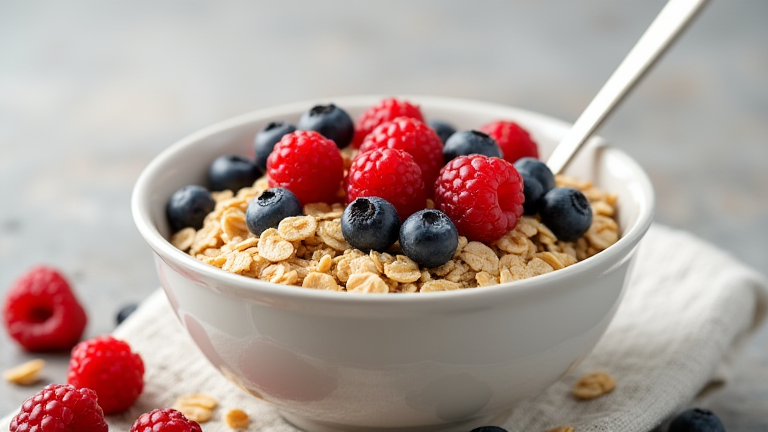
Cooked vs Blended Oatmeal: Which Is Better for You?
TL;DR: Cooked oatmeal offers superior digestibility and lower glycemic impact due to gelatinized starches, while blended oatmeal preserves more resistant starch for gut health. The best choice depends on your digestive needs and satiety goals.
The Science of Preparation
When you heat oats with water, the starches undergo gelatinization, breaking down complex structures into simpler forms. This process makes the nutrients more accessible to your digestive enzymes, reducing bloating and gas for many individuals. Conversely, blending raw oats into a smoothie or overnight blend keeps the starch structure largely intact. This preserves higher levels of resistant starch, a type of fiber that resists digestion in the small intestine and ferments in the large intestine. While both methods deliver beta-glucan, the soluble fiber known for lowering LDL cholesterol, their metabolic effects differ significantly.
If you want to dig deeper, check out our guide on 5 Ways to Slash Your Restaurant Bill: Tapas, Happy Hour & Ap.
Digestive Comfort and Blood Sugar
For those with sensitive stomachs or Irritable Bowel Syndrome (IBS), cooked oatmeal is often the safer bet. The soft texture and pre-digested starches are easier to process, minimizing gastrointestinal distress. However, this ease of digestion can lead to a faster spike in blood sugar levels. If you are monitoring glucose levels, consider pairing cooked oats with protein and healthy fats to slow absorption. Blended oats, containing more resistant starch, typically result in a slower, more stable release of energy. This can help maintain consistent blood sugar levels and prolong satiety, making it an excellent option for weight management and sustained energy throughout the day.
Lifestyle Tips for Optimal Nutrition
Regardless of your method, maximize the health benefits by adding fiber-rich toppings. Sprinkle flaxseeds or chia seeds to boost omega-3 fatty acids. For blended oats, choose frozen berries for natural sweetness and antioxidants without added sugar. If cooking, avoid using excessive amounts of refined sugar; instead, rely on cinnamon or vanilla extract for flavor. Hydration is also crucial, as oats absorb liquid. Drink plenty of water alongside your meal to prevent constipation, especially if you switch from cooked to blended versions. Experiment with both methods to observe how your body responds to different textures and nutrient availability. Listen to your body’s signals regarding digestion and energy levels to determine which preparation style aligns best with your daily wellness goals. Consistency is key, so choose the method you enjoy most to ensure long-term adherence to a healthy diet.
FAQ
Q: Can I blend cooked oatmeal?
A: Yes, you can blend cooked oatmeal for a smoothie bowl. This combines the ease of digestion of cooked oats with the creamy texture of blended foods, offering a balanced approach to nutrition.
Q: Which method is better for weight loss?
A: Blended oats may be slightly better for weight loss due to higher resistant starch content, which increases satiety and improves metabolic health by feeding beneficial gut bacteria.
Q: Does blending destroy the nutrients in oats?
A: No, blending does not destroy nutrients. It physically breaks down the fiber structure, which may increase the rate of digestion but does not eliminate the nutritional value of the oats.
Leave a Reply