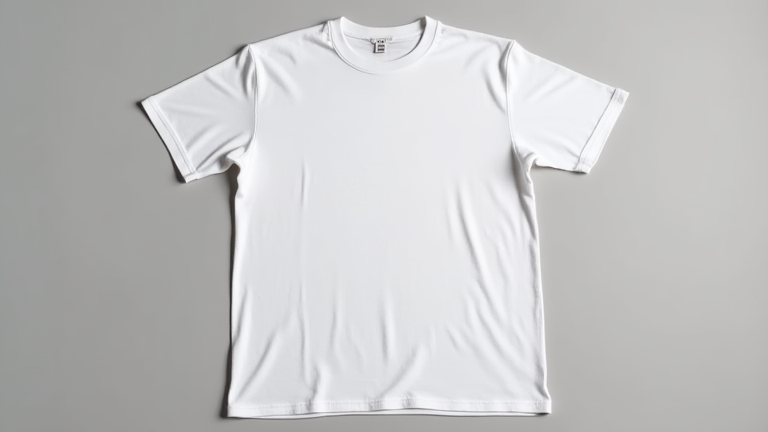
TL;DR: Select high-density, dark-colored cotton or modal blends that are pre-shrunk and feature a tighter weave structure. Look for brands that explicitly state their fabric weight is 180 GSM or higher to ensure opacity without sacrificing breathability.
The Science of Opacity
Understanding why white t-shirts become see-through requires a basic grasp of textile physics. Opacity is primarily determined by thread count and fabric weight, measured in grams per square meter (GSM). Standard, lightweight t-shirts often range from 120 to 140 GSM. In this range, the spaces between the yarns are large enough to allow light to pass through, especially when the fabric is stretched over the body. This phenomenon is exacerbated by the natural oils and sweat produced by human skin, which can slightly wet the fabric fibers, reducing their ability to reflect light and increasing transparency. Furthermore, the drape of the fabric plays a crucial role. Low-quality fabrics tend to cling to the body, creating tension that pulls the weave apart. High-quality fabrics, conversely, have a slight stiffness or “hand feel” that allows them to hang away from the skin, maintaining the integrity of the weave and blocking light effectively. It is not just about the color white, but the density of the material itself.
If you want to dig deeper, check out our guide on EES Rollout Megathread: Start Date, Setup Guide & Key Dates.
Material Matters: Cotton vs. Blends
Pure cotton is a classic choice, but not all cottons are created equal. Look for combed cotton or ring-spun cotton, which involves removing the shortest fibers and twisting the remaining long fibers into stronger yarns. This process results in a smoother, denser fabric that is less likely to show through. However, many modern health-conscious consumers prefer modal or bamboo blends. These materials are naturally more breathable and have a silky drape that resists clinging. A 50/50 cotton-modal blend is a scientific sweet spot; the cotton provides structure and opacity, while the modal adds moisture-wicking properties and softness. Avoid poly-cotton blends if you are sensitive to heat, as synthetic fibers trap body heat and increase sweating, which can lead to visible sweat patches that appear darker and more prominent on light-colored fabric. The goal is to find a balance between structural integrity for opacity and moisture management for comfort.
Lifestyle Tips for Maintenance
Even the best fabric can degrade over time if not cared for properly. To maintain the opacity of your white t-shirts, wash them in cold water with a gentle detergent. Hot water can shrink the fabric, altering the weave density and potentially making the shirt fit tighter and more transparent. Tumble dry on low heat or, better yet, hang dry. High heat can weaken the fibers over time, causing them to break down and thin out. Additionally, avoid overloading your washing machine. When clothes are packed too tightly, they rub against each other excessively, which can cause pilling and thinning of the fabric. If you notice a t-shirt becoming see-through in specific areas, such as the underarms, it may be time to replace it. Regular rotation of your wardrobe ensures that no single shirt is subjected to excessive wear and wash cycles, prolonging its life and maintaining its aesthetic integrity.
FAQ
Q: Does the fit of the shirt affect see-throughness?
A: Yes, a shirt that is too tight will stretch the fabric, pulling the weave apart and allowing more light to pass through. A relaxed or regular fit helps maintain the fabric’s density.
Q: Are darker colors under a white shirt a good solution?
A: While wearing a dark undershirt can prevent visibility, it adds layers and heat. It is a temporary fix rather than a solution to the fabric quality issue.
Q: Can I repair a see-through t-shirt at home?
A: No, once the fabric weave is stretched or thinned, it cannot be restored. You can patch holes, but you cannot fix overall transparency without replacing the garment.
Leave a Reply