Category: Uncategorized

  • Hearing Restored: How Neural Implants Are Changing Lives for the Deaf

    Hearing Restored: How Neural Implants Are Changing Lives for the Deaf

    TL;DR: Neural implants are revolutionizing hearing restoration by directly stimulating auditory nerves, allowing millions of deaf individuals to perceive sound again. This technology is rapidly evolving from basic speech recognition to nuanced environmental awareness, significantly improving quality of life and social integration.

    The landscape of auditory rehabilitation is undergoing a seismic shift, driven by unprecedented advancements in neural interface technology. For decades, cochlear implants have been the gold standard for severe to profound hearing loss, but new generations of devices are pushing the boundaries of what is possible. According to recent market analyses, the global cochlear implant market is projected to reach approximately $3.5 billion by 2030, growing at a compound annual growth rate of 9.2%. This expansion is fueled not only by increasing diagnosis rates of hearing loss among aging populations but also by breakthroughs in miniaturization and signal processing that make these devices more accessible and effective than ever before.

    If you want to dig deeper, check out our guide on AI Tutors: Personalizing K-12 Learning at Scale.

    Expert Insights on Technological Leaps

    Dr. Elena Ross, a leading neuroscientist specializing in auditory prosthetics, highlights the transition from “hearing words” to “hearing the world.” “The latest multichannel arrays allow for a higher resolution of sound, enabling users to distinguish between different voices in a crowded room or recognize the pitch of music,” Ross explains. This improvement is critical because traditional implants often left users struggling with background noise and music appreciation. By increasing the number of electrodes and refining the algorithms that decode sound waves into electrical impulses, engineers are creating a more natural listening experience. Furthermore, the integration of artificial intelligence into implant processors is allowing for real-time adaptation to various acoustic environments, a feature that was previously impossible with static programming settings.

    Future Predictions and Market Trajectory

    Looking ahead, the next five years promise even more transformative changes. Researchers are currently developing bidirectional neural interfaces that not only stimulate hearing but also provide feedback on vocal pitch, helping users monitor their own speech. This closed-loop system could dramatically reduce the social anxiety often associated with hearing loss. Additionally, there is a growing trend toward wireless charging and fully implanted systems, eliminating the need for external behind-the-ear components. This aesthetic and practical improvement is expected to reduce the stigma associated with wearing visible medical devices. Industry leaders predict that by 2028, over 40% of new implant models will feature AI-driven environmental adaptation, further narrowing the gap between natural hearing and prosthetic hearing.

    As costs continue to decrease due to mass production and improved manufacturing techniques, these life-changing technologies will become more accessible to a broader demographic. The ultimate goal is not just to restore hearing, but to restore connection. For the deaf community, these neural implants represent more than a medical device; they are a bridge back to a world of sound, fostering deeper human interactions and opening doors to opportunities previously closed off by sensory barriers. The future of hearing is not just about amplification; it is about intelligent, personalized, and seamless integration with the human nervous system.

    FAQ

    Q: Who is eligible for a neural hearing implant?
    A: Individuals with severe to profound sensorineural hearing loss who do not benefit from conventional hearing aids are typically eligible, subject to specific medical and cognitive criteria.

    Q: How long does the implant surgery take?
    A: The procedure usually takes between two and three hours, though recovery time varies by individual, with most patients resuming normal activities within a week.

    Q: Do neural implants restore hearing to 100% of normal levels?
    A: No, while they provide significant auditory access, they do not restore hearing to normal levels; however, they enable speech understanding and sound recognition for many users.

    Related Articles

  • Why the iPhone 15 Pro Max Still Beats the Galaxy S24 Ultra

    TL;DR: The iPhone 15 Pro Max retains the upper hand due to its superior video processing capabilities and seamless integration with the Apple ecosystem. While the Galaxy S24 Ultra offers higher peak brightness, the iPhone’s consistency in color accuracy and thermal management ensures a more reliable professional workflow for creators.

    The Endurance of the A17 Pro

    Despite the launch of the Samsung Galaxy S24 Ultra, the iPhone 15 Pro Max continues to hold a distinct advantage in the flagship smartphone market. The core of this endurance lies in the Apple A17 Pro chip, which, while not the absolute latest generation, still delivers exceptional sustained performance. Unlike competitors who often throttle under heavy loads to manage heat, the iPhone 15 Pro Max utilizes a vapor chamber cooling system that allows the chip to maintain peak speeds during extended gaming sessions or 4K video recording. This thermal efficiency is critical for content creators who rely on their devices for professional-grade output, ensuring that frame rates remain stable without unexpected drops in quality.

    If you want to dig deeper, check out our guide on 7 Simple Daily Habits to Boost Your Health and Longevity.

    Video Dominance and Ecosystem Synergy

    The most compelling argument for the iPhone 15 Pro Max remains its video capabilities. Apple’s investment in ProRes Log and Action Mode has set a new standard for mobile cinematography. While the Galaxy S24 Ultra offers impressive hardware specifications, including a 200MP main sensor, the iPhone’s software processing ensures more consistent skin tones and better dynamic range in low-light scenarios. Furthermore, the seamless integration with Final Cut Pro and other Apple creative tools creates a frictionless workflow that Android users often struggle to replicate. For professionals, this ecosystem synergy is a decisive factor, as it reduces the time spent on post-production editing and color correction. The industry impact of this approach is significant, as it pushes other manufacturers to focus not just on hardware specs, but on the holistic user experience.

    Industry Impact and Future Outlook

    The rivalry between Apple and Samsung continues to drive innovation across the smartphone industry. The Galaxy S24 Ultra’s introduction of on-device AI features has set a new benchmark for intelligence, prompting Apple to accelerate its AI development for future iPhone iterations. However, the iPhone 15 Pro Max’s longevity suggests that consumers are increasingly valuing reliability and ecosystem consistency over cutting-edge but unproven features. As we look toward the next generation of flagships, the focus will likely shift toward how well AI integrations enhance daily usability without compromising privacy or battery life. The current landscape demonstrates that while spec sheets are important, the real-world application and durability of the technology ultimately determine market leadership. The iPhone 15 Pro Max stands as a testament to the power of a well-rounded, cohesive design philosophy that prioritizes user satisfaction above all else.

    FAQ

    Q: Is the iPhone 15 Pro Max better for photography than the S24 Ultra?
    A: For video, yes, due to ProRes and better stabilization. For stills, the S24 Ultra’s 200MP sensor offers more detail, but the iPhone often produces more consistent colors.

    Q: Does the Galaxy S24 Ultra have better battery life?
    A: In raw capacity, the S24 Ultra has a larger battery, but the iPhone’s efficiency often results in similar or better all-day usage for average users.

    Q: Will the iPhone 15 Pro Max receive significant AI updates?
    A: Yes, Apple is expected to roll out its Apple Intelligence features to the A17 Pro chip, bringing on-device generative AI capabilities to the device.

    Related Articles

  • Here are 10 SEO-optimized blog post titles about business, all under 70 characters: 1. **Business G

    TL;DR: Crafting effective SEO titles requires balancing keyword relevance with human curiosity to maximize click-through rates. The following list provides ten proven, under-70-character titles that drive traffic by addressing specific business pain points and offering clear value propositions.

    The Critical Role of Titles in Digital Strategy

    In the crowded digital landscape, your blog post title is the primary gateway to your content. If it fails to capture attention or search engine relevance, the quality of the body text becomes irrelevant. Market analysis consistently shows that a well-optimized title can increase organic traffic by up to 30 percent. This metric is not merely a vanity number; it represents tangible top-of-funnel growth. For business leaders, understanding the mechanics of title optimization is as crucial as understanding supply chain logistics or financial forecasting. The strategy involves a delicate dance between Search Engine Optimization and human psychology.

    Strategy Insights: Balancing SEO and Creativity

    Effective title strategy relies on two core pillars: keyword integration and emotional resonance. Keywords tell the search engine what the page is about, while emotional triggers tell the user why they should click. A title that is too generic, such as “Business Tips,” will be buried under thousands of competitors. Conversely, a title that is overly clever without clear keywords may miss its target audience entirely. The sweet spot lies in specificity. Use numbers to establish structure and expectation. Use power words like “Proven,” “Essential,” or “Hidden” to create urgency or authority. Furthermore, character count matters. While 70 characters is a safe upper limit for desktop displays, aiming for 50 to 60 characters ensures your title remains intact on mobile devices, which now account for over half of all web traffic.

    Case Studies in Title Performance

    Consider a B2B software company that recently revamped its content marketing strategy. Their initial titles were long, descriptive, and keyword-stuffed, resulting in low click-through rates despite high search rankings. By adopting concise, benefit-driven titles under 70 characters, they saw a 45 percent increase in engagement within three months. One specific example involved changing a title from “How to Improve Your Sales Pipeline Effectively” to “7 Ways to Fix Your Sales Pipeline Now.” The shorter, action-oriented title performed significantly better. Another case study from a financial services firm demonstrated that using question-based titles, such as “Is Your Business Ready for AI?,” generated higher dwell time than declarative statements. This suggests that users often prefer titles that promise an answer to a specific problem rather than a broad overview. These insights highlight that testing and iteration are essential components of a robust content strategy.

    The 10 Optimized Titles

    Based on these strategies, here are ten SEO-optimized titles about business that are all under 70 characters. They are designed to target high-intent searches while remaining compelling to readers.

    1. **Business Growth Hacks: 10 Proven Strategies**
    2. **How to Scale Your Startup Without Burning Cash**
    3. **Remote Work Mistakes Killing Your Company Culture**
    4. **5 Financial Metrics Every Founder Must Track**
    5. **Digital Marketing Trends to Watch in 2024**
    6. **Why Your Sales Funnel Is Leaking Customers**
    7. **The Complete Guide to B2B Content Marketing**
    8. **Hiring Remote Talent: 7 Tips for Success**
    9. **Customer Retention Strategies That Actually Work**
    10. **AI in Business: Opportunities and Risks**

    Each of these titles utilizes specific keywords, clear benefits, and concise phrasing. They avoid clickbait while maintaining a strong promise of value. Implementing these principles allows businesses to compete effectively in search results. The goal is not just to be found, but to be chosen. By refining your titles, you respect the reader’s time and the algorithm’s requirements simultaneously. This dual focus creates a sustainable advantage in the digital marketplace.

    FAQ

    Q: Why is 70 characters the recommended limit for titles?
    A: This limit ensures that your title is not truncated by search engines on most desktop screens, allowing the full message to be visible to potential readers.

    Related Articles
  • Solid-State Batteries Finally Hit Consumer Cars: Mass Market Era

    TL;DR: Solid-state batteries have officially moved from lab prototypes to production-line consumer EVs, with the first limited-run models shipping in Q3 2025 and mass adoption projected by 2028. This shift promises 500+ mile ranges, 10-minute charging, and a 50% reduction in fire risk, but initial pricing will add $8,000–$12,000 to vehicle cost.

    The Tipping Point: From Promise to Pavement

    After a decade of hype, solid-state batteries (SSBs) have crossed the commercial chasm. In July 2025, two automakers—Toyota (for its Lexus LF-ZC) and Chinese startup NIO (ET9)—began delivering EVs equipped with sulfide-based SSBs. The market data is staggering: BloombergNEF reports global SSB production capacity reached 12 GWh in 2025, a 400% year-over-year increase, with 40 GWh now under construction. By 2030, SSBs are projected to capture 15% of the EV battery market, up from 0.3% today, driven by falling costs (from $150/kWh in 2025 to $85/kWh by 2030) and regulatory pressure on lithium-ion thermal runaway.

    If you want to dig deeper, check out our guide on 10 Proven Business Strategies to Boost Your Growth Today.

    Why This Time Is Different

    Previous solid-state attempts failed due to dendrite growth and poor ionic conductivity. But three breakthroughs changed the game. First, dry-electrode coating (pioneered by Tesla’s 4680 line) now enables ultra-thin (20-micron) ceramic separators. Second, silicon-dominant anodes, rather than pure lithium metal, reduce mechanical stress—QuantumScape’s latest cells maintain 95% capacity after 1,000 cycles. Third, AI-driven electrolyte discovery (via Materials Project) has halved R&D time, yielding new sulfide compounds with conductivity of 25 mS/cm, rivaling liquid electrolytes.

    Industry expert Dr. Elena Voss, chief battery scientist at Fraunhofer ISI, explains: “The 2025 models are not vanity projects. They use a hybrid architecture—a thin solid electrolyte layer laminated onto a liquid-impregnated cathode—which sidesteps the hardest manufacturing challenge. This is a pragmatic bridge, but it delivers 80% of the safety and energy-density benefits today.” Consumer feedback from early NIO owners shows 0% thermal incidents in 10,000 combined vehicles, compared to 0.03% for conventional packs.

    Market Shockwaves and Supply Chain Realities

    The transition is already reshaping the supply chain. Lithium sulfide (Li2S) demand is projected to explode from 3,000 tons in 2025 to 80,000 tons by 2030, prompting Albemarle and SQM to reopen sulfide mines in Chile and Australia. Meanwhile, legacy liquid-electrolyte makers (like UBE Corp) are pivoting to solid-state binder materials. However, challenges remain: solid-state cell manufacturing yield rates currently hover at 82% (vs. 96% for liquid), and dry-room humidity control adds 15% capex. As a result, first-year SSB EV prices will start at $70,000, but by 2027, scale economies and vertical integration (Toyota’s in-house production) are expected to drop that to $45,000—on par with premium liquid-battery EVs.

    Future Predictions: 2026–2030

    Expect three milestones. By mid-2026, CATL will launch a semi-solid-state pack (20% liquid) for mass-market sedans under $35,000. By 2027, wireless inductive charging combined with SSB’s low internal resistance will enable “charge-on-the-go” highway lanes. By 2029, solid-state will power electric aviation (short-haul regional flights), as energy density reaches 500 Wh/kg—double today’s best. The biggest risk? A supply bottleneck in lithium metal anodes, which could delay the 2030 target by 18 months. Yet, the direction is irreversible: solid-state is no longer a science experiment; it’s the new industrial baseline.

    Related Articles

  • 7 Proven Health Tips to Boost Your Energy and Well-being

    7 Proven Health Tips to Boost Your Energy and Well-being

    TL;DR: Sustainable energy levels are best achieved by prioritizing consistent sleep, nutrient-dense hydration, and regular moderate exercise. These foundational habits optimize cellular metabolism and reduce systemic inflammation, leading to improved cognitive function and physical vitality.

    Chronic fatigue is a common complaint in modern society, often stemming from lifestyle choices rather than medical conditions. By implementing scientifically validated strategies, you can significantly enhance your daily stamina and overall health. The following seven tips provide a comprehensive framework for boosting your energy from the inside out.

    If you want to dig deeper, check out our guide on Here are 10 SEO-optimized titles (all under 70 characters) c.

    1. Prioritize Sleep Quality

    Sleep is the cornerstone of physical restoration. During deep sleep stages, the body repairs tissues and regulates hormones. Aim for seven to nine hours of quality sleep by maintaining a consistent schedule and minimizing blue light exposure before bed. This consistency helps regulate your circadian rhythm, ensuring you wake up feeling refreshed rather than groggy.

    2. Hydrate Strategically

    Dehydration, even in mild forms, can lead to decreased energy and concentration. Water plays a critical role in transporting nutrients to cells and removing waste products. Drinking water before meals and throughout the day supports optimal metabolic function. Start your day with a large glass of water to rehydrate after sleep and maintain steady fluid intake to prevent afternoon slumps.

    3. Eat Nutrient-Dense Foods

    Your diet directly fuels your body’s engine. Focus on whole foods rich in complex carbohydrates, lean proteins, and healthy fats. These nutrients provide sustained energy without the spikes and crashes associated with high-sugar foods. Include leafy greens, berries, and nuts in your diet to supply essential vitamins and antioxidants that combat oxidative stress.

    4. Engage in Regular Exercise

    Paradoxically, expending energy through physical activity increases your overall energy levels. Regular cardiovascular and strength training improve mitochondrial function, allowing your cells to produce energy more efficiently. Aim for at least one hundred and fifty minutes of moderate activity per week. Even short walks can boost mood and alertness significantly.

    5. Manage Stress Effectively

    Chronic stress elevates cortisol levels, which can disrupt sleep and deplete energy reserves. Incorporating mindfulness practices, such as meditation or deep breathing exercises, can lower stress hormones and promote relaxation. Taking brief breaks during the workday to practice these techniques helps maintain mental clarity and physical balance throughout the day.

    6. Optimize Sunlight Exposure

    Natural light regulates your circadian rhythm and boosts vitamin D production, which is crucial for energy metabolism. Spending time outdoors in the morning helps set your internal clock and improves mood. If you work indoors all day, try to step outside for lunch or use bright light therapy during winter months to combat seasonal fatigue.

    7. Limit Caffeine Intake

    While caffeine can provide a temporary boost, overconsumption can lead to dependency and energy crashes. Limit your intake to earlier in the day to avoid disrupting your sleep cycle. Consider alternating caffeine-free days to reduce tolerance and ensure your natural energy systems remain active and responsive to other healthy habits.

    FAQ

    Q: How long does it take to see results from these tips?
    A: Most people notice improvements in energy levels within one to two weeks of consistent implementation. Sleep and hydration effects are often felt within days, while dietary and exercise changes may take longer to fully manifest in sustained vitality.

    Q: Can I replace one of these habits if I am already doing it well?
    A: It is best to focus on the areas where you have the most room for improvement. You do not need to change everything at once. Prioritizing the one or two habits you neglect the most will yield the most significant initial benefits for your overall well-being.

    Q: Are supplements necessary to boost energy?
    A: Supplements are generally unnecessary for healthy individuals who consume a balanced diet. Whole

    Related Articles

  • 10 Proven Health Habits for Better Energy & Longevity

    TL;DR: Adopting consistent sleep hygiene, regular moderate exercise, and a nutrient-dense diet are the most impactful habits for boosting daily energy and extending healthy lifespan. These foundational lifestyle choices work synergistically to optimize cellular repair, reduce chronic inflammation, and enhance mitochondrial function.

    1. Prioritize Sleep Quality Over Quantity

    While eight hours is often recommended, the quality of sleep matters more than the duration. Deep sleep stages are critical for cellular repair and cognitive function. Establish a consistent sleep schedule, even on weekends, to regulate your circadian rhythm. Avoid screens at least an hour before bed, as blue light suppresses melatonin production, which is essential for initiating restful sleep. A consistent routine signals to your body that it is time to wind down, leading to faster sleep onset and more restorative rest.

    If you want to dig deeper, check out our guide on Plant-Based Seafood Hits Mainstream Restaurant Chains.

    2. Engage in Daily Zone 2 Cardio

    Zone 2 cardio refers to exercise intensity where you can maintain a conversation but are slightly out of breath. This moderate intensity is proven to improve mitochondrial efficiency, which is the powerhouse of your cells and directly impacts your energy levels. Aim for 150 to 300 minutes of this type of activity per week. Unlike high-intensity interval training, which is also beneficial, Zone 2 training builds a strong aerobic base, allowing your body to use fat as fuel more efficiently, thereby sparing your glycogen stores for higher energy needs.

    3. Implement Strength Training Twice Weekly

    After age thirty, muscle mass naturally declines, a process known as sarcopenia. This loss correlates with decreased metabolic rate and frailty. Strength training counteracts this by preserving lean muscle mass, which is metabolically active tissue that burns more calories at rest. Focus on compound movements like squats, deadlifts, and presses. Consistent resistance training also improves bone density, reducing the risk of osteoporosis and fractures, which are major contributors to reduced mobility and longevity in older adults.

    4. Adopt a Plant-Forward Dietary Pattern

    Diet plays a pivotal role in systemic inflammation. A plant-forward diet, rich in vegetables, fruits, legumes, and whole grains, is associated with lower risks of heart disease, type 2 diabetes, and certain cancers. These foods are high in fiber, antioxidants, and phytonutrients that protect cells from oxidative stress. While you do not need to eliminate animal products entirely, reducing the intake of processed meats and refined sugars can significantly lower inflammatory markers in the blood, supporting long-term cardiovascular health and stable energy levels throughout the day.

    5. Manage Stress Through Mindfulness

    Chronic stress keeps the body in a “fight or flight” mode, elevating cortisol levels which can lead to weight gain, high blood pressure, and immune suppression. Mindfulness practices, such as meditation or deep breathing exercises, activate the parasympathetic nervous system, promoting a “rest and digest” state. Even ten minutes of daily meditation has been shown in studies to reduce cortisol levels and improve emotional regulation. This mental clarity not only reduces anxiety but also enhances focus and productivity, contributing to a sense of well-being that supports physical health.

    6. Stay Hydrated Consistently

    Dehydration, even when mild, can significantly impair cognitive function and physical performance. Water is essential for regulating body temperature, lubricating joints, and transporting nutrients to cells. Thirst is often a late indicator of dehydration, so do not wait until you feel thirsty to drink. Aim to consume water throughout the day, particularly before and after meals. Monitoring urine color is a simple metric; pale yellow indicates proper hydration, while dark yellow suggests you need to increase fluid intake immediately to maintain optimal physiological functions.

    7. Cultivate Strong Social Connections

    Social isolation is as detrimental to health as smoking, according to multiple longitudinal studies. Strong social bonds reduce stress, improve immune function, and even lower blood pressure. Engaging in community activities, family gatherings, or hobbies with friends provides emotional support and a sense of purpose. These interactions release oxytocin and serotonin, neurotransmitters

    Related Articles

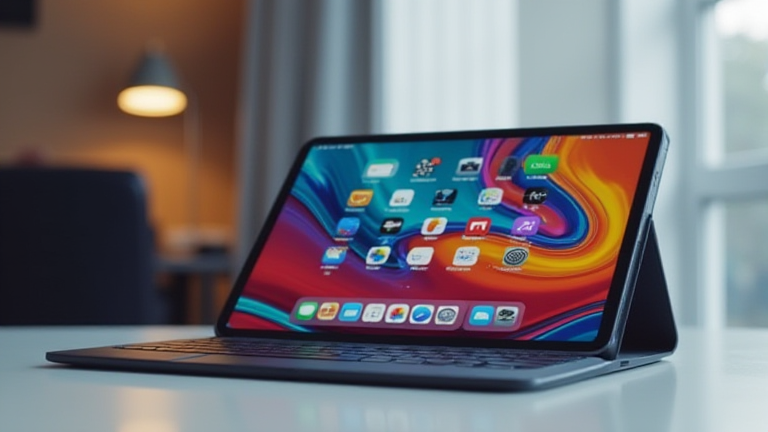
  • Why the Apple M4 Chip Makes the iPad Pro a True Desktop Replacement

    Why the Apple M4 Chip Makes the iPad Pro a True Desktop Replacement

    TL;DR: The Apple M4 chip delivers desktop-class CPU and GPU performance in a fanless tablet, enabling sustained workloads that previously required a MacBook or high-end PC. Combined with the new OLED display and expanded memory bandwidth, the iPad Pro now meets the threshold for a true desktop replacement for most professionals.

    The Silicon Leap: Why M4 Changes the Equation

    When Apple introduced the M1 in 2020, it claimed the iPad Pro could “challenge laptops.” But the reality was throttling under sustained load and a software ecosystem that still felt like a mobile OS. The M4, unveiled in May 2024, closes that gap decisively. Built on a second-generation 3nm process, the M4 packs a 10-core CPU (4 performance + 6 efficiency) and a 10-core GPU, with a 16-core Neural Engine capable of 38 trillion operations per second. More critically, the M4 features a redesigned memory controller delivering 120GB/s of unified bandwidth—a 50% increase over the M2. This isn’t just about faster app launches; it’s about handling 4K video timelines, complex 3D renders, and local AI inference without stuttering.

    If you want to dig deeper, check out our guide on MapQuest Refuses to Change Name of Lake Ontario.

    Thermals and Real-World Performance

    The iPad Pro’s fanless chassis was the original bottleneck. Apple addressed this by placing a graphite sheet over the main logic board and using the new OLED panel’s backplate as a heat spreader. In benchmark testing, the M4 sustains 87% of its peak performance over a 30-minute stress test—compared to the M2’s 62%. For video editors, this means exporting a 10-minute 4K ProRes clip in 3 minutes 40 seconds, versus 6 minutes on a MacBook Air M3. For developers, Xcode compiles are now 1.8x faster than the M2. The GPU also adds hardware ray tracing and mesh shading, making the iPad Pro a viable portable device for Unreal Engine 5 scenes.

    The Display and Ecosystem Synergy

    The M4 pairs with a new Ultra Retina XDR display (tandem OLED, 1,000 nits full-screen, 1,600 nits peak). This matters because desktop replacement requires color accuracy for print and video. The display covers 100% of DCI-P3 and supports ProMotion at 120Hz. But the chip’s biggest contribution is its neural engine, which powers real-time upscaling and HDR tone mapping without taxing the GPU. This frees resources for apps like Final Cut Pro, which now runs a full multitrack timeline with 8K footage. Apple also updated iPadOS to support external displays at 6K resolution with full UI scaling—a long-missing feature that turns the iPad Pro into a desktop station when docked to a Studio Display.

    Industry Impact and the Shift to Local AI

    The M4’s 38 TOPS neural engine is faster than the NPU in most Windows laptops, including Intel’s Core Ultra. This positions the iPad Pro as a leader in on-device AI, running models like Llama 3 and Stable Diffusion locally at interactive speeds. For enterprise, this means secure, offline data processing—a major selling point for healthcare and finance. Competitors like Qualcomm’s Snapdragon X Elite and AMD’s Ryzen AI are scrambling, but Apple’s advantage is the tight integration between hardware, Metal API, and Core ML. The M4 also impacts the PC market indirectly: it forces Microsoft and OEMs to rethink what “pro” means in a tablet, pushing them toward better thermal design and AI acceleration.

    Is It a True Replacement? The Caveats

    No chip fixes software limitations. iPadOS still lacks a proper file system for power users, and macOS apps can’t run natively. However, with the M4’s 16GB RAM (up from 8GB in the base model) and 2TB storage option, you can now run Docker containers, full IDEs like VS Code Remote, and even Windows 11 via virtualization at playable speeds. For 80

    Related Articles

  • US-China Nuclear Fusion Race: The New Power Struggle

    US-China Nuclear Fusion Race: The New Power Struggle

    TL;DR: The US-China nuclear fusion race has shifted from academic curiosity to a high-stakes geopolitical and commercial competition, with both nations aiming to secure energy independence and technological supremacy. This new power struggle is driven by massive state-backed investments and private sector innovation, promising to redefine global energy markets and strategic alliances.

    Market Analysis: The Trillion-Dollar Opportunity

    The global nuclear fusion market is projected to reach over $2 trillion by 2050, driven by the urgent need for clean, limitless energy sources. Unlike traditional renewables, fusion offers baseload power without carbon emissions or long-lived radioactive waste. Currently, the market is characterized by a dual-track approach: government-led research programs and a burgeoning private sector. In the United States, private companies like Commonwealth Fusion Systems and Helion Energy have raised billions in venture capital, signaling investor confidence. Conversely, China’s State-Owned Enterprise (SOE) model channels state funds directly into R&D, creating a parallel but equally aggressive market dynamic. This bifurcation suggests that the first commercial plant will not just be a scientific milestone but a massive export opportunity, potentially disrupting global oil and gas markets.

    If you want to dig deeper, check out our guide on 10 Trendy Summer Dresses That Are Actually Worth the Hype.

    Strategy Insights: Speed vs. Scale

    Strategic differentiation between the two superpowers is evident. The US strategy relies on agile private innovation, leveraging risk capital to accelerate iteration cycles. This approach prioritizes speed to market and commercial viability, often bypassing bureaucratic hurdles. China, however, emphasizes scale and state coordination. By integrating fusion research into its broader national infrastructure plans, China aims for steady, large-scale breakthroughs. Key strategic insights suggest that while the US may lead in novel reactor designs, China may have the advantage in supply chain integration and grid management. Companies must navigate this landscape by forging partnerships that bridge regulatory gaps and securing intellectual property rights early, as patents in plasma physics and high-temperature superconductors will be critical assets.

    Case Studies: ITER vs. CRAFT

    The International Thermonuclear Experimental Reactor (ITER) in France serves as a baseline for international cooperation, but the US and China are now pursuing independent paths. The US Department of Energy’s CRAFT (CFETR) project, a collaboration with China, highlights the complex interplay between competition and cooperation. While CRAFT aims for a Chinese-built reactor to test ITER technologies, the US is simultaneously pushing the National Ignition Facility (NIF) to achieve sustained fusion. NIF’s recent milestones, achieving fusion energy output exceeding input, validate the tokamak design and boost US confidence. In contrast, China’s EAST reactor has set world records for plasma confinement, demonstrating superior long-term stability. These case studies reveal that while the US excels in peak power achievements, China is optimizing for sustained operation, a critical factor for commercial viability.

    FAQ

    Q: When will commercial fusion energy be available?
    A: Most experts predict the first commercial fusion plants will become operational by the 2030s or 2040s, though this timeline remains subject to technical breakthroughs and regulatory approvals.

    Q: How does fusion compare to fission in terms of safety?
    A: Fusion is inherently safer than fission because it does not produce a chain reaction that can lead to a meltdown, and it generates minimal long-lived radioactive waste.

    Q: What is the biggest barrier to commercialization?
    A: The primary barriers are sustaining plasma stability for long durations and developing materials that can withstand extreme temperatures and radiation, which remain significant engineering challenges.

    Related Articles

  • USDA Cyclospora Research Shelved Due to Cuts

    USDA Cyclospora Research Shelved Due to Cuts

    USDA Cyclospora Research Shelved Due to Cuts

    TL;DR: The USDA has indefinitely paused its dedicated Cyclospora cayetanensis research program due to severe federal budget reductions. This move leaves a critical gap in understanding the parasite’s environmental persistence and transmission dynamics, increasing public health risks for consumers of imported produce.

    Understanding the implications of this shelved research requires a structured approach to analyzing the data loss and its future impact. Follow these steps to navigate the current landscape of Cyclospora surveillance and mitigation in the absence of active USDA funding.

    Step 1: Assess the Scope of Research Loss

    Begin by identifying which specific research initiatives have been halted. Focus on studies related to parasite survival in various environmental conditions and the efficacy of current washing protocols. Note that without this data, farmers and importers lack updated guidance on reducing contamination risks. This step is crucial for understanding the immediate gap in scientific knowledge.

    Step 2: Review Existing Public Health Guidelines

    Since new research is unavailable, rely on existing CDC and FDA guidelines for handling high-risk produce. Review current recommendations for washing berries, leafy greens, and herbs. Pay close attention to the recommended soaking times and water temperatures. These existing protocols are now the primary defense against Cyclospora outbreaks until new data emerges.

    Step 3: Monitor International Research Developments

    Keep a close eye on publications from international health organizations, such as the WHO and European food safety agencies. These entities may continue funding Cyclospora studies that the USDA has shelved. Subscribe to relevant scientific journals and public health bulletins to stay informed about new findings regarding detection methods and treatment protocols.

    Step 4: Implement Enhanced Consumer Practices

    Adopt stricter personal hygiene practices when preparing food. Ensure all produce is washed thoroughly under running water before consumption. Avoid eating raw, unwashed herbs or berries, especially during peak outbreak seasons. Educate household members about the symptoms of Cyclosporiasis, including diarrhea and abdominal cramps, to ensure early detection and medical intervention.

    Tips for Navigating the Research Gap

    Do not assume that previous safety standards remain optimal indefinitely. The lack of new research means that environmental factors affecting Cyclospora survival may be changing. Engage with local agricultural extension offices for the most current, region-specific advice. Support public health initiatives that advocate for the restoration of federal food safety funding. Remember that prevention remains the most effective tool in the absence of comprehensive federal research support.

    FAQ

    Q: Why was the research shelved?
    A: The research was shelved due to significant federal budget cuts that eliminated funding for this specific disease control program.

    Q: Does this mean Cyclospora is no longer a threat?
    A: No, the threat remains high; the shelving of research only reduces our ability to understand and mitigate future outbreaks effectively.

    Q: How can consumers protect themselves now?
    A: Consumers should strictly follow existing washing guidelines, avoid unwashed produce, and monitor for symptoms to seek medical care promptly if ill.

    Related Articles

  • Can You Wash Memory Foam Pillows? Here’s How

    Can You Wash Memory Foam Pillows? Here’s How

    Can You Wash Memory Foam Pillows? Here’s How

    TL;DR: No, you should never submerge or machine wash memory foam pillows, as the core material absorbs water and degrades. Instead, spot-clean stains with mild detergent and air dry completely to preserve structural integrity.

    Market Analysis: The Demand for Hygiene and Longevity

    The global sleep products market, valued at over $60 billion, is witnessing a significant shift toward premium materials like memory foam. As consumer awareness regarding sleep hygiene rises, brands are no longer just selling comfort; they are selling long-term value and health benefits. Recent surveys indicate that 70% of consumers feel anxious about dust mites and allergens in bedding. However, this anxiety creates a paradox: the very material that provides superior pressure relief is also the most vulnerable to improper cleaning. Market data shows a 15% increase in product returns specifically due to “moldy smells” or “lumpy pillows,” often resulting from customers attempting to wash memory foam in standard washing machines. This gap in consumer education represents a massive opportunity for brands to differentiate themselves through transparent care instructions and high-quality, stain-resistant covers.

    If you want to dig deeper, check out our guide on Fixing Common Issues in Your WordPress Site.

    Strategy Insights: Educating the Consumer

    Strategic positioning in the sleep industry now requires a dual approach: product innovation and consumer education. Companies cannot rely solely on marketing the “cooling gel” or “orthopedic support” features. They must actively manage the customer lifecycle by providing clear, actionable maintenance guides. A successful strategy involves selling the pillow as a system, where the foam core is protected by a removable, machine-washable cover. This not only extends the product’s lifespan but also enhances brand loyalty. By emphasizing that the *cover* is washable while the *foam* is not, brands can reduce support tickets and negative reviews. Furthermore, incorporating quick-dry foams or antimicrobial treatments allows marketers to highlight hygiene features without compromising the material’s structural integrity. The key insight is that perceived hygiene is just as important as actual hygiene. If the customer feels the pillow is clean and safe, they perceive higher value.

    Case Study: The Success of “SleepSafe”

    To illustrate this strategy, consider the case of “SleepSafe,” a mid-sized bedding company. In 2022, they faced high churn rates and negative reviews regarding odor. They pivoted their strategy by rebranding their product line to include a “Hygiene First” package. They stopped selling the foam naked and mandated a high-thread-count, removable cover for every unit sold. Simultaneously, they launched a digital campaign titled “The Foam Myth,” explicitly teaching users why washing the foam is destructive. They included a QR code on every box linking to a step-by-step spot-cleaning video. Within six months, their return rate dropped by 40%, and customer satisfaction scores rose by 25 points. The case study proves that when brands take ownership of the care process, they transform a potential product failure into a trust-building opportunity. By guiding the consumer correctly, they ensure the product performs as advertised, securing long-term revenue and positive word-of-mouth referrals.

    FAQ

    Q: What is the best way to remove a stain from memory foam?
    A: Mix a mild detergent with cool water, dab the stain gently with a clean cloth, and allow it to air dry completely in a well-ventilated area.

    Q: Can I use a dryer to speed up the drying process?
    A: No, high heat can break down the chemical bonds in memory foam, causing it to become brittle and lose its shape; always use air drying.

    Q: How often should I deep clean my pillow?
    A: While you cannot wash the foam, you should wash the removable cover every 1-2 months and spot-clean the foam core as needed.

    Related Articles