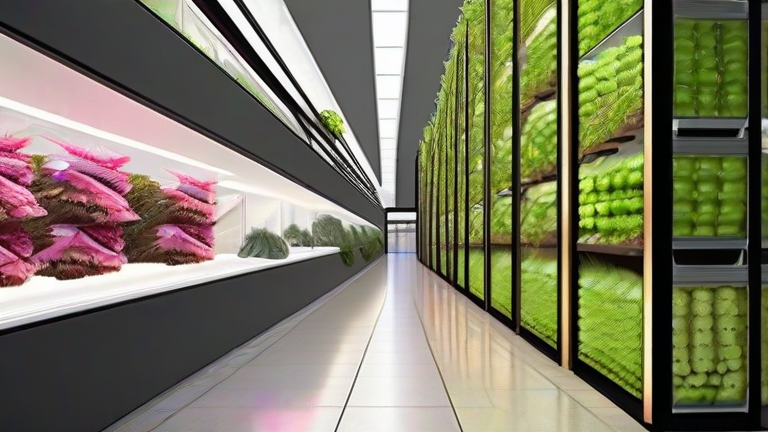
TL;DR: Convert vacant mall anchor stores and retail corridors into multi-tiered vertical farms, using existing HVAC, electrical, and loading docks to slash build-out costs. Prioritize leafy greens and herbs, sell to on-site restaurants and local grocers, and use transparent glass walls to turn agriculture into a shopper attraction.
Step 1: Audit the Building’s Bones
Before planting, inspect the mall’s structural load capacity (each hydroponic rack adds 20–30 lbs/sq ft), ceiling height (minimum 12 ft for three tiers), and floor drains. Check the existing electrical panel—LED grow lights draw 30–40 watts/sq ft—and confirm water pressure for misting systems. Hire a structural engineer to verify that mezzanine reinforcements aren’t needed. Tip: Choose a former department store with a loading dock; it becomes your harvest dispatch area.
If you want to dig deeper, check out our guide on 10 Proven Health Hacks for Better Sleep & Energy.
Step 2: Zone the Layout for Flow
Divide the space into four zones: (1) germination and nursery (warm, low light), (2) main grow room (full-spectrum LEDs, 16-hour photoperiod), (3) post-harvest wash/pack (food-grade stainless, floor drains), and (4) retail-facing viewing corridor. Keep the viewing corridor along the mall’s main aisle with floor-to-ceiling tempered glass—no image needed; live plants are the draw. Place HVAC returns near the grow room to capture heat in winter and exhaust in summer.
Step 3: Install Vertical Racks and Irrigation
Use modular A-frame or pallet-racking systems (e.g., 4-tier, 8 ft wide) with angled trays for gravity-fed nutrient flow. Connect a recirculating deep-water culture (DWC) system: a 500-gallon reservoir, submersible pumps, and PVC return lines. Install drip emitters on timers—2 minutes every 4 hours for leafy greens. Tip: Use white reflective mylar on walls to cut lighting energy by 15%.
Step 4: Start with Fast-Turnover Crops
Grow baby kale, arugula, basil, mint, and microgreens (7–21 day cycles) to generate weekly revenue. Avoid tall crops like tomatoes—they need 8 ft of vertical clearance and trellising. Use rockwool cubes or coco coir for media; maintain pH 5.8–6.2. Monitor EC (electrical conductivity) at 1.8–2.2 mS/cm for nutrient strength. Tip: Time planting so harvests coincide with mall weekend foot traffic for live demos.
Step 5: Sell Locally and Build a Brand
Negotiate supply contracts with the mall’s food court vendors, nearby restaurants, and a local grocery chain. Offer a “harvest-of-the-week” subscription box for shoppers. Price at $3.50–$4.00 per 4-oz clamshell for salad mix. Use the viewing corridor for tasting events and QR-code ordering for same-day pickup. Tip: Partner with the mall’s marketing team for “farm-to-table” weekend workshops.
FAQ
Q: What are the biggest hidden costs in a mall vertical farm?
A: Retrofitting HVAC for humidity control (dehumidifiers at 40–60% RH), upgrading electrical panels for 400V three-phase power, and fire-suppression systems rated for hydroponics. Budget $80–$120 per sq ft for these retrofits.
Q: Can I use existing mall lighting?
A: No—standard mall fluorescent/ceiling lights deliver only 5–10% of the PPFD (photosynthetic photon flux density) needed. You must install dedicated LED grow bars (e.g., 640W per 4×8 ft rack) with a dimmable controller.
Q: How do I handle mall lease terms that require open retail hours?
A: Negotiate a “non-peak” lease clause allowing
Leave a Reply