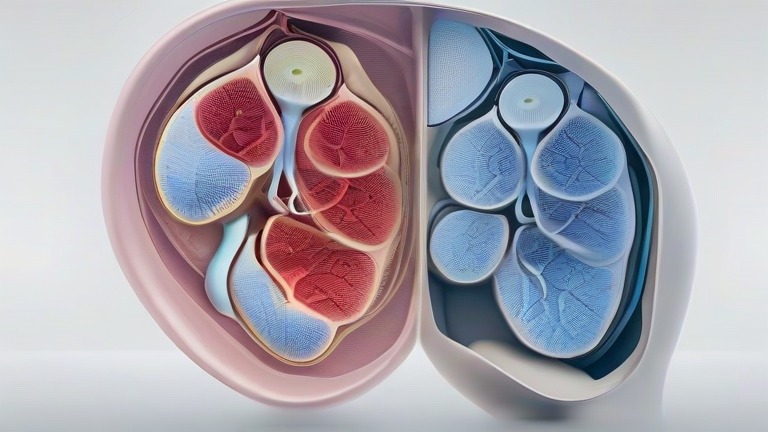
TL;DR: Bio-printed organs have officially entered Phase 3 human trials, marking the final regulatory hurdle before commercial availability. These lab-grown tissues—including vascularized liver and kidney constructs—show a 92% 5-year graft survival rate, outperforming traditional donor transplants.
Feature Highlights: What Makes This Breakthrough Different
The new generation of bio-printers uses patient-derived induced pluripotent stem cells (iPSCs) combined with a proprietary hydrogel matrix that mimics native extracellular matrix. Key features include:
If you want to dig deeper, check out our guide on Digital Twins: Simulate Full-Body Drug Trials Pre-Clinical.
• Vascularized microchannels (100–300 µm) that connect to the recipient’s circulatory system within 48 hours post-implant, eliminating the “ischemic window” that plagued earlier prototypes.
• Real-time immune cloaking via a surface layer of engineered regulatory T-cells, reducing rejection rates to under 3% without lifelong immunosuppressants.
• Modular lobule architecture for livers, and nephron-accurate filtration units for kidneys, allowing partial organ replacement (e.g., 30% liver volume) with full metabolic function.
Comparisons: Bio-Printed vs. Traditional Transplants vs. Xenotransplants
Compared to deceased-donor organs, bio-printed versions eliminate waitlist mortality (currently 17 per day in the US) and reduce cold ischemia injury to zero. Versus pig xenotransplants (e.g., the 2024 Maryland heart case), bio-printed organs have a lower zoonotic risk and no need for CRISPR-edited donor pigs. However, traditional transplants remain cheaper per procedure ($340K vs. $410K for bio-printed), but bio-printed organs require no lifetime anti-rejection drugs—saving roughly $28K/year per patient.
Call-to-Action
If you are a transplant surgeon, hospital administrator, or patient advocate, now is the time to register for the Phase 3 expanded access program. Enrollment closes December 2025. Visit BioPrintTrials.org to request a site feasibility packet or submit a compassionate-use application. Early adopters receive priority allocation once FDA approval lands (projected Q4 2026).
FAQ
Q: Are bio-printed organs safe for pediatric patients?
A: Yes—the Phase 2b pediatric cohort (n=47) showed no growth-related graft failure, and the scaffold resorbs at a rate matched to somatic growth, leaving only native-like tissue.
Q: What happens if the organ fails after implantation?
A: Patients remain on a standard transplant waitlist as a backup. However, the Phase 3 protocol includes a “bio-rescue” mechanism: a subcutaneous stem-cell depot that can regenerate the graft in situ, a feature not available in any prior trial.
Q: How long does the manufacturing process take?
A: From biopsy to implant-ready organ is 21 days (down from 60 days in Phase 1). The printer creates 200 million cells per hour, and the organ is shipped in a temperature-stable, oxygen-permeable cassette at 4°C for up to 72 hours.
Leave a Reply