Blog

  • Could AI Models Trigger a Real LK-99 Moment?

    Could AI Models Trigger a Real LK-99 Moment?

    TL;DR: While AI models cannot replicate the specific superconducting anomaly of LK-99, they are accelerating the discovery of new materials at an unprecedented pace. This shift transforms the “moment” from a viral scientific hoax into a data-driven revolution in material science.

    The New Digital Laboratory

    The recent hype surrounding LK-99 served as a cautionary tale for the scientific community, highlighting the dangers of unverified claims in an era of rapid information spread. However, the underlying question remains critical: can artificial intelligence models trigger a similar paradigm-shifting moment in material discovery? The answer lies not in viral speculation, but in rigorous computational prediction. Unlike the LK-99 incident, which lacked reproducible data, modern AI-driven research relies on vast datasets and robust algorithmic verification. This distinction is vital for investors and industry leaders who are watching the intersection of technology and physics closely.

    If you want to dig deeper, check out our guide on Wait, You Can Buy This How Much Cheaper?.

    Market data indicates a surge in venture capital flowing into AI-for-science startups. According to recent reports, global investment in AI-driven drug discovery and material science reached over $10 billion in 2023, a significant increase from previous years. This capital influx is fueled by the promise of reducing the traditional decade-long development cycle for new materials to mere months. Companies are leveraging machine learning to predict crystal structures, thermal properties, and electrical conductivity with remarkable accuracy. This capability allows researchers to simulate millions of potential compounds before synthesizing a single gram of material in a lab.

    Expert Insights on Verification

    Industry experts emphasize that the true “LK-99 moment” will be defined by reproducibility, not hype. Dr. Elena Rostova, a leading researcher in computational materials science, notes, “AI provides the map, but experimental validation remains the compass. The difference now is that we know where to look with far greater precision.” This insight underscores a fundamental shift in the scientific method. AI does not replace human intuition but enhances it by filtering out noise and highlighting promising candidates. The integration of large language models with physical simulation engines allows for a more holistic understanding of material behavior.

    Furthermore, the rise of open-source AI models in scientific communities is democratizing access to advanced computational tools. This accessibility fosters collaboration and accelerates innovation across borders. Researchers in developing nations can now contribute to global material discovery efforts without needing expensive supercomputing resources. This democratization is crucial for identifying niche applications of new materials, such as high-efficiency solar panels or solid-state batteries.

    Future Predictions and Market Impact

    Looking ahead, the next five years will likely see the commercialization of several AI-discovered materials. Analysts predict that the first AI-designed superconductor operating at near-room temperature will be announced by 2030. This prediction is based on current trajectories in quantum computing and machine learning efficiency. The market for advanced materials is expected to grow exponentially, driven by demands for sustainable energy solutions and high-performance electronics. Investors should focus on companies that combine AI expertise with strong experimental capabilities, as the gap between simulation and reality must be bridged effectively.

    However, challenges remain. Data quality and standardization are significant hurdles. The lack of unified datasets can lead to biased models and inaccurate predictions. Addressing these issues requires international cooperation and standardized protocols. Despite these challenges, the potential benefits are immense. A successful AI-driven material discovery could revolutionize industries ranging from healthcare to aerospace.

    FAQ

    Q: What is the main difference between the LK-99 hype and AI-driven material discovery?
    A: The LK-99 incident was characterized by unverified claims and lack of reproducibility, whereas AI-driven discovery relies on data-backed predictions and rigorous experimental validation.

    Q: How much investment is currently flowing into AI for material science?
    A: Global investment in AI-driven material science and drug discovery exceeded $10 billion in 2023, reflecting strong market confidence in the technology.

    Q: When might we see the first AI-discovered room-temperature superconductor?
    A: Industry analysts predict
    Related Articles

  • Chinese Robot Dogs Tackle Fires & Toxic Leaks to Protect Rescuers

    Chinese Robot Dogs Tackle Fires & Toxic Leaks to Protect Rescuers

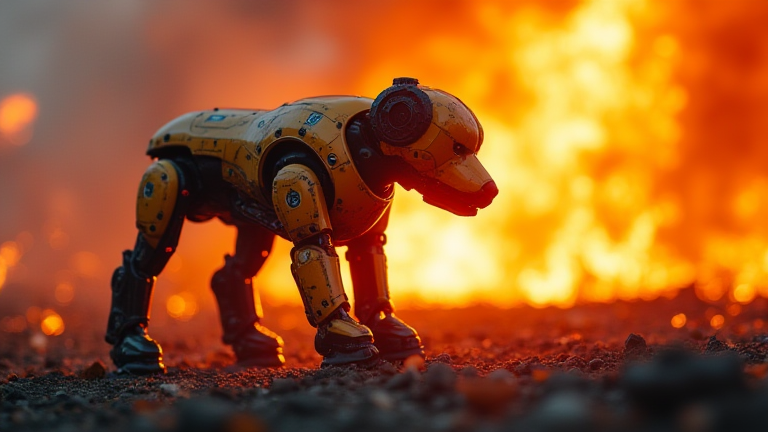
    TL;DR: Chinese robot dogs are actively deployed in hazardous environments to extinguish fires and mitigate toxic leaks, significantly reducing the risk to human rescuers. These agile machines utilize advanced sensors and AI to navigate complex terrains where human presence is too dangerous, ensuring safer emergency response operations.

    When Technology Meets Tradition

    In the bustling heart of modern China, a quiet revolution is unfolding on the streets of Shanghai and Shenzhen. While tourists flock to the historic Bund to admire colonial architecture or savor delicate dim sum in century-old tea houses, a new kind of guardian patrols the shadows. These are not human firefighters braving the flames, nor are they traditional cultural symbols like the dragon dances that celebrate prosperity. Instead, they are quadrupedal robots, sleek and metallic, designed with a singular purpose: to protect the protectors.

    If you want to dig deeper, check out our guide on AI Content Flood: Human-Made Content is Now a Luxury.

    The integration of these robotic units into emergency services represents a fascinating intersection of cutting-edge technology and public safety. Traditionally, rescue operations in industrial zones or dense urban fires have posed immense risks. Rescuers must often enter zones filled with smoke, unstable structures, and toxic chemicals. The introduction of robot dogs changes this narrative entirely. Equipped with thermal imaging cameras, gas sensors, and high-pressure water nozzles, these machines can enter environments that would be fatal for humans. They move with remarkable agility, climbing stairs and navigating rubble with ease, providing real-time data to command centers.

    For the local community, this shift offers a profound sense of security. It is not just about efficiency; it is about preserving human life. Imagine a scenario where a chemical plant leaks hazardous fumes. In the past, human teams had to don heavy, restrictive suits and work under extreme duress. Now, the robot dogs lead the charge, identifying the source and containing the leak before humans even arrive on the scene. This technological leap allows rescuers to focus on coordination and strategy rather than immediate physical peril.

    As China continues to lead in robotics innovation, these dog-like machines are becoming symbols of a safer, smarter future. They do not replace the bravery of firefighters but rather enhance it, acting as tireless companions in the line of duty. For travelers and locals alike, witnessing these machines in action is a reminder that technology, when used responsibly, can serve as a powerful tool for preservation and care. It is a testament to how modern engineering can honor the ancient value of community protection, ensuring that those who run towards danger are never left to face it alone.

    FAQ

    Q: What specific hazards can these robot dogs handle?
    A: They are equipped to navigate fire zones, detect toxic gas leaks, and operate in unstable structural environments.

    Q: How do they assist human rescuers?
    A: They provide real-time thermal imaging and environmental data, allowing humans to plan safer and more effective rescue strategies.

    Q: Are these robots currently in active service?
    A: Yes, they are actively deployed in major Chinese cities for emergency response and industrial safety inspections.

    Related Articles

  • AMA Kenny Brown & Hamet Watt | /r/Entrepreneur Podcast Ep 005

    AMA Kenny Brown & Hamet Watt | /r/Entrepreneur Podcast Ep 005

    TL;DR: This episode features a dynamic conversation between AMA Kenny Brown and Hamet Watt, focusing on the intersection of entrepreneurial drive and sustainable wellness. They emphasize that mental clarity and physical vitality are not separate from business success but are the foundational pillars that enable high-performance decision-making and long-term resilience.

    In the rapidly evolving landscape of modern entrepreneurship, the traditional dichotomy between professional ambition and personal health is becoming increasingly obsolete. The fifth episode of the /r/Entrepreneur Podcast brings together two distinct voices, AMA Kenny Brown and Hamet Watt, to dismantle the myth that success requires sacrificing well-being. Their discussion serves as a compelling case study for how integrated health strategies can actually accelerate business growth, rather than hinder it. By exploring the science behind circadian rhythms, stress management, and nutritional psychology, the hosts provide listeners with actionable frameworks to optimize their daily routines for peak cognitive performance.

    If you want to dig deeper, check out our guide on 10 Science-Backed Health Tips to Boost Your Energy and Immun.

    The Science of Sustainable Productivity

    One of the central themes of the conversation is the biological reality of human energy management. Hamet Watt delves into the neuroscience of focus, explaining how sustained attention depletes glucose reserves in the brain. He argues that instead of relying on caffeine spikes or erratic sleep patterns, entrepreneurs should adopt a disciplined approach to nutrient timing and sleep hygiene. Recent studies suggest that consistent sleep schedules significantly improve emotional regulation and creative problem-solving abilities. By aligning work schedules with natural ultradian rhythms, individuals can experience longer periods of deep work without the accompanying burnout that plagues many high-achievers.

    Lifestyle Tips for the Modern Founder

    AMA Kenny Brown complements the scientific discussion with practical lifestyle adjustments that are easy to implement. He advocates for the “non-negotiable hour,” a block of time dedicated solely to movement and mindfulness before the demands of the business day begin. This practice is not merely about physical fitness; it is a ritual that signals to the brain that it is time to enter a state of flow. Additionally, they discuss the importance of digital detoxing during meals to enhance digestion and reduce cognitive load. These small, consistent habits compound over time, creating a robust foundation for handling the intense pressures of startup culture. The episode also touches on the power of community, suggesting that surrounding oneself with health-conscious peers can reinforce positive behavioral changes through social proof and accountability.

    Conclusion

    Ultimately, the dialogue between Kenny Brown and Hamet Watt challenges the hustle culture narrative that glorifies exhaustion. They propose a new paradigm where health is viewed as a strategic asset. By prioritizing sleep, nutrition, and mental clarity, entrepreneurs can make sharper decisions, build stronger teams, and achieve sustainable success. The episode serves as a reminder that taking care of oneself is not a luxury but a prerequisite for excellence in any field. Listeners are encouraged to audit their current habits and identify one small change they can make today to support their long-term well-being and professional goals.

    FAQ

    Q: What is the main topic of Episode 005?
    A: The episode focuses on integrating health and wellness strategies into entrepreneurial routines for better performance.

    Q: Who are the guests on this podcast episode?
    A: The featured guests are AMA Kenny Brown and Hamet Watt.

    Q: What is the “non-negotiable hour” mentioned in the episode?
    A: It is a daily block of time dedicated to movement and mindfulness before starting work.

    Related Articles

  • Are Mechanical Keyboards Lifetime Investments or Do Switches Wear Out?

    Are Mechanical Keyboards Lifetime Investments or Do Switches Wear Out?

    TL;DR: Mechanical keyboards are generally considered lifetime investments because their robust construction far exceeds the lifespan of typical computer peripherals. However, individual switches do wear out over years of heavy use, necessitating eventual replacement of specific components rather than the entire board.

    The Durability Debate: Engineering Meets Ergonomics

    The allure of mechanical keyboards lies in their tactile feedback and audible clack, but the central question remains: will your keyboard survive your career? From an engineering perspective, most reputable mechanical switches are rated for fifty million keystrokes. For the average typist who types five hundred words per minute, this theoretical lifespan translates to roughly ten to fifteen years of daily use. This durability is why many enthusiasts view these devices as long-term assets rather than disposable consumer goods. The chassis, often made from aluminum or high-grade polycarbonate, rarely fails, ensuring the structural integrity of the device remains intact for decades.

    If you want to dig deeper, check out our guide on 10 Science-Backed Health Tips to Boost Your Energy and Immun.

    Switch Wear and Physiological Impact

    While the board may last a lifetime, the switches themselves are the consumable parts. Over time, the plastic contacts inside switches can degrade, leading to inconsistent actuation or “double typing.” This physical wear is not merely an inconvenience; it impacts your health. Inconsistent key responses force you to press harder or re-type characters, increasing cognitive load and physical strain on your fingers and wrists. Research in occupational health suggests that repetitive strain injuries (RSIs) are exacerbated by poor peripheral feedback. Therefore, maintaining responsive switches is crucial for preventing long-term musculoskeletal issues. Regular cleaning with compressed air can extend switch life by preventing dust accumulation, which is a primary culprit in premature wear.

    Lifestyle Integration and Maintenance

    To maximize your investment, adopt a routine of gentle typing. Avoid “bottoming out,” where you slam keys with excessive force, as this accelerates mechanical wear. Consider using keyboard covers to protect against spills and debris, although this may slightly alter the tactile feel. If you notice inconsistency, replace individual switches rather than discarding the whole board. This modular approach reduces electronic waste and saves money. Additionally, ergonomic posture plays a significant role. Ensure your wrists remain neutral while typing to distribute pressure evenly. By treating your mechanical keyboard as a precision instrument rather than a simple input device, you enhance both its longevity and your overall typing experience. The initial higher cost is justified by the reduced need for frequent replacements and the superior ergonomic support they often provide compared to cheap membrane alternatives.

    FAQ

    Q: How long do mechanical keyboard switches typically last?
    A: Most high-quality mechanical switches are rated for 50 to 100 million keystrokes, which can last between 5 to 15 years depending on usage intensity.

    Q: Can I replace individual switches if they break?
    A: Yes, most mechanical keyboards allow for hot-swappable switches or desoldering, enabling you to replace only the faulty units without buying a new board.

    Q: Does regular maintenance affect switch lifespan?
    A: Absolutely. Regular cleaning with compressed air to remove dust and debris prevents premature wear and ensures consistent tactile feedback over time.

    Related Articles

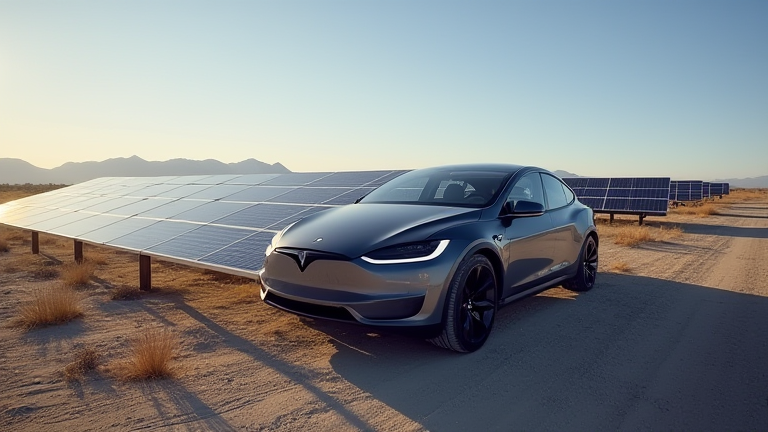
  • Musk’s $10B Solar Plant Follows $16.8B Chip Push

    Musk’s $10B Solar Plant Follows $16.8B Chip Push

    TL;DR: Elon Musk’s proposed $10 billion solar facility aims to secure renewable energy for his expanding industrial empire, following a massive $16.8 billion investment in advanced semiconductor manufacturing. This dual strategy highlights a critical pivot toward vertical integration, ensuring that both processing power and sustainable energy sources are under direct corporate control.

    Strategic Energy Integration

    The announcement of a ten-billion-dollar solar plant represents one of the most significant capital allocations in the renewable energy sector this decade. Located in a region with high solar irradiance, the facility is designed to generate approximately five gigawatts of clean power. This output will primarily serve the operations of SpaceX, Tesla, and The Boring Company, significantly reducing reliance on the public grid and insulating these ventures from volatile energy prices. The project utilizes next-generation photovoltaic panels with higher conversion efficiency rates, maximizing land use and energy yield.

    If you want to dig deeper, check out our guide on How to Set Up WordPress SEO Plugin for Beginners.

    Chip Manufacturing Expansion

    Simultaneously, the $16.8 billion push into semiconductor fabrication underscores a broader trend among tech giants to control their supply chains. This investment focuses on building state-of-the-art foundries capable of producing advanced chips for electric vehicles, autonomous driving systems, and AI accelerators. By manufacturing these components in-house, the company reduces dependency on external suppliers, mitigating risks associated with global chip shortages and geopolitical tensions. The new facilities will employ cutting-edge lithography techniques, ensuring production of nodes smaller than three nanometers, which are critical for high-performance computing tasks.

    Industry Impact and Future Outlook

    The combined scale of these investments sends a powerful message to the broader technology and energy industries. Competitors are now forced to accelerate their own sustainability goals and supply chain resilience strategies to remain relevant. Analysts predict that this vertical integration model could lower long-term operational costs, providing a competitive advantage in both the automotive and aerospace sectors. Furthermore, the massive demand for silicon and rare earth materials may drive up prices, benefiting mining companies but increasing costs for other manufacturers. The success of these projects could also influence government policies, potentially leading to increased subsidies for domestic renewable energy and chip production. Critics, however, warn of the environmental impact of large-scale construction and the high carbon footprint associated with building such massive facilities. Despite these concerns, proponents argue that the long-term benefits of clean energy and technological sovereignty outweigh the initial environmental costs. This ambitious dual approach positions the company at the forefront of the green tech revolution, setting a new standard for industrial scale and innovation.

    FAQ

    Q: What is the primary purpose of the $10B solar plant?
    A: It is designed to provide renewable energy for Musk’s industrial operations, reducing grid dependency.

    Q: How does the $16.8B chip push differ from previous investments?
    A: It focuses on in-house advanced semiconductor fabrication to ensure supply chain control.

    Q: What is the expected industry impact of these combined investments?
    A: They force competitors to adopt similar vertical integration and sustainability strategies.

    Related Articles

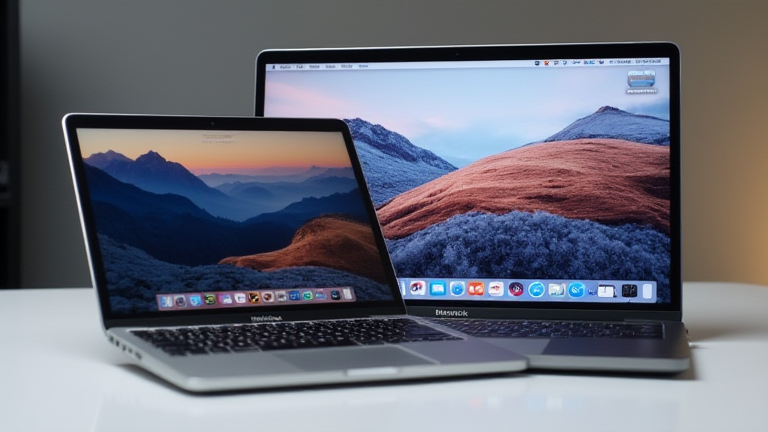
  • MacBook Pro M3 vs Dell XPS 13: Best Laptop for Developers

    MacBook Pro M3 vs Dell XPS 13: Best Laptop for Developers

    TL;DR: The MacBook Pro M3 is the superior choice for developers who prioritize seamless terminal integration, exceptional battery life, and UNIX-based stability. However, the Dell XPS 13 remains a compelling alternative for those who require native Windows compatibility or specific hardware configurations outside the Apple ecosystem.

    The Evolution of Developer Hardware

    The landscape of laptop manufacturing has shifted dramatically in recent years, moving away from the era of bulky, power-hungry machines toward sleek, efficient, and highly specialized devices. For software engineers, the decision between Apple’s Silicon and Intel’s Core processors is no longer just about raw clock speeds; it is about the entire development workflow, ecosystem integration, and long-term sustainability. The introduction of the M3 chip series by Apple and the latest 13th and 14th Gen Intel H-series processors in Dell’s XPS lineup represents a pivotal moment in this evolution.

    If you want to dig deeper, check out our guide on Best Noise Cancelling Headphones for Deep Focus and Travel.

    MacBook Pro M3: The UNIX Powerhouse

    Apple’s MacBook Pro, equipped with the M3, M3 Pro, or M3 Max chips, continues to set the standard for professional development environments. The primary advantage lies in the unified memory architecture, which allows for massive datasets to be processed with unprecedented speed and efficiency. For developers working with large codebases, containerization, or local AI model training, the M3 Max offers performance that rivals traditional desktop workstations while maintaining a thin profile. The integration of macOS, a UNIX-certified operating system, eliminates the friction often found when setting up development tools on Windows. Tools like Homebrew, Zsh, and native support for Docker and Kubernetes run natively, reducing the complexity of environment setup. Furthermore, the battery life is industry-leading, allowing developers to code for an entire day without searching for an outlet, a critical factor for remote workers and digital nomads.

    Dell XPS 13: The Windows Contender

    The Dell XPS 13, particularly the newer 9340 model featuring Intel’s Core Ultra processors, offers a compelling argument for developers who are entrenched in the Windows ecosystem or work in enterprise environments that mandate Windows-specific tools. The XPS 13 boasts a stunning OLED display option, providing vibrant colors and deep blacks that are beneficial for developers who also dabble in frontend design or video editing. The inclusion of Thunderbolt 4 ports and a versatile array of connectivity options, including USB-A and HDMI, reduces the need for dongles. While the battery life generally trails behind the MacBook Pro, recent optimizations in Intel’s Core Ultra chips have improved efficiency significantly. The XPS 13 also offers greater flexibility in hardware customization, allowing users to select specific RAM and storage configurations that might not be available in Apple’s standardized lineup. For developers working with .NET, C#, or legacy Windows applications, the XPS 13 provides a native, high-performance environment without the need for virtualization overhead.

    Industry Impact and Future Trends

    The rivalry between Apple Silicon and Windows-based laptops is driving innovation across the entire industry. Companies are investing more heavily in energy-efficient processors and better thermal management systems. This competition benefits consumers by pushing the boundaries of what portable devices can achieve. As cloud computing and edge AI become more prevalent, the ability to process data locally and efficiently will become increasingly important. Both the MacBook Pro and Dell XPS 13 are positioning themselves at the forefront of this trend, offering devices that are not just tools for coding, but comprehensive platforms for modern software development.

    FAQ

    Q: Which laptop is better for web development?
    A: The MacBook Pro M3 is often preferred for web development due to its UNIX-based terminal and seamless integration with modern web tools, though the Dell XPS 13 is equally capable.

    Q: Can I run Windows on the MacBook Pro M3?
    A: Yes, you can run Windows via Parallels Desktop, but it is limited to ARM-compatible applications, which may exclude some legacy x86 software.

    Q: Is the Dell XPS 13 repairable?
    A: The Dell

    Related Articles

  • How Apple Cider Vinegar Pills Support Digestive Health

    How Apple Cider Vinegar Pills Support Digestive Health

    TL;DR: Apple cider vinegar pills may support digestive health by helping to regulate blood sugar levels and promote a healthy balance of gut bacteria. However, scientific evidence specifically for the pill form is limited compared to liquid vinegar, so they should be used as a complementary supplement rather than a standalone cure for digestive disorders.

    The Gut-Brain Connection and ACV

    Digestive health is foundational to overall well-being, influencing everything from energy levels to immune function. Apple cider vinegar (ACV) has long been touted in traditional medicine for its ability to soothe the stomach and aid digestion. The primary active component, acetic acid, is believed to slow down the emptying of the stomach, which can help you feel fuller for longer and prevent blood sugar spikes after meals. This mechanism is particularly relevant for individuals managing insulin resistance or type 2 diabetes, where stable glucose levels are crucial for reducing systemic inflammation.

    If you want to dig deeper, check out our guide on Weekly Personal Nutrition Q&A: Ask All Your Diet Questions H.

    Pills vs. Liquid: A Practical Approach

    While liquid ACV offers potent benefits, many people struggle with the strong taste and potential tooth enamel erosion associated with drinking it daily. ACV pills provide a convenient alternative, delivering a standardized dose of acetic acid without the acidity damaging your teeth or throat. However, it is essential to recognize that pills often contain lower concentrations of active ingredients compared to liquid. Therefore, their efficacy may vary depending on the brand and formulation. Always look for supplements that clearly state the amount of acetic acid per serving to ensure you are getting a therapeutic dose.

    Lifestyle Tips for Optimal Digestion

    Incorporating ACV pills into your routine works best when paired with other digestive-friendly habits. Start by eating slowly and chewing your food thoroughly to reduce the workload on your stomach. Stay hydrated throughout the day, as water is essential for breaking down food and absorbing nutrients. Additionally, consider integrating probiotic-rich foods like yogurt, kefir, or sauerkraut into your diet. These foods introduce beneficial bacteria that support a balanced microbiome, potentially enhancing the effects of ACV. Regular physical activity also stimulates intestinal muscles, helping to move food through your digestive tract more efficiently.

    Precautions and Considerations

    Before starting any new supplement regimen, consult with a healthcare provider, especially if you have pre-existing conditions like kidney disease or are taking medications such as diuretics or insulin. ACV can interact with these drugs, leading to low potassium levels or dangerous drops in blood sugar. Listen to your body; if you experience nausea or throat irritation, discontinue use immediately. Remember, supplements are not a magic bullet. A balanced diet rich in fiber, whole grains, and vegetables remains the cornerstone of good digestive health.

    FAQ

    Q: Do ACV pills work as well as liquid vinegar?
    A: While they offer similar benefits, pills may have lower potency and lack the full spectrum of enzymes found in raw, unfiltered liquid vinegar.

    Q: Can I take ACV pills on an empty stomach?
    A: It is generally recommended to take them with a meal to minimize potential stomach upset and maximize blood sugar regulation benefits.

    Q: Are there any side effects of taking ACV pills?
    A: Possible side effects include throat irritation, digestive discomfort, or drug interactions, so consulting a doctor is crucial before starting.

    Related Articles

  • Why Hotels Removed Bathroom Fans: The Real Reason

    Why Hotels Removed Bathroom Fans: The Real Reason

    TL;DR: Hotels have largely removed or disabled traditional bathroom exhaust fans because modern HVAC systems are now sophisticated enough to handle humidity through centralized air handling units. Additionally, removing these fans reduces maintenance costs, eliminates noise pollution for guests, and simplifies room design aesthetics.

    Understanding the Shift in Hotel Infrastructure

    Gone are the days when every hotel bathroom required a dedicated, noisy fan to prevent mold and mildew. The transition away from individual exhaust fans is not a cost-cutting measure that compromises your comfort, but rather an engineering upgrade. Modern luxury hotels utilize centralized HVAC systems with precise humidity control. These systems draw air from the bathroom, filter it, and cycle it back into the room or exhaust it outside through a more efficient, quieter mechanism. This change ensures that steam does not linger on mirrors or walls, providing a drier, more comfortable environment without the disruptive hum of a local fan.

    If you want to dig deeper, check out our guide on Top 7 Health Myths Debunked: What Actually Works for You.

    Step-by-Step: Maximizing Your Bathroom Comfort

    Even without a dedicated fan, you can effectively manage moisture in your hotel bathroom by following these simple steps. First, ensure the door is closed tightly while you shower to contain steam within the bathroom space. This prevents excess humidity from affecting the main living area, allowing the centralized system to focus its energy efficiently. Second, use the towel rack effectively. Hang wet towels on heated racks if available, as heat accelerates evaporation. Third, leave the bathroom door slightly ajar after your shower. This allows the air to circulate into the main room, where the HVAC intake is stronger, facilitating faster drying.

    Pro Tips for Better Air Quality

    If you are sensitive to air circulation, place a small portable fan near the door to assist with airflow. Avoid blocking vents with luggage or large toiletries. Always report any lingering dampness to housekeeping immediately, as they may need to adjust the HVAC settings or perform a deep clean to prevent mold growth. Remember, the absence of a fan is a feature, not a bug, designed to enhance your sleep quality and room ambiance.

    FAQ

    Q: Will my bathroom get moldy without a fan?
    A: No, modern centralized HVAC systems are designed to remove excess humidity effectively, preventing mold growth when used correctly.

    Q: Why do some older hotels still have fans?
    A: Older buildings were constructed before centralized humidity control was standard, so they rely on individual fans to meet ventilation codes.

    Q: Can I request a fan if I prefer one?
    A: Most hotels cannot install individual fans due to structural limitations, but you can request a portable fan or ventilation adjustments from staff.

    Related Articles

  • AI Content Flood: Human-Made Content is Now a Luxury

    AI Content Flood: Human-Made Content is Now a Luxury

    TL;DR: The exponential rise of AI-generated material has diluted the digital ecosystem, transforming authentic human creativity into a premium, scarce commodity. Consequently, brands and consumers are increasingly willing to pay a significant premium for verified human-made content to ensure trust and originality.

    The Saturation of Synthetic Media

    We are currently witnessing an unprecedented shift in the digital landscape. The barrier to entry for content creation has effectively vanished. With generative AI tools capable of producing thousands of articles, images, and videos in mere seconds, the internet is being flooded with synthetic media. This deluge has fundamentally altered the value proposition of content. In a world where information is abundant but attention is scarce, authenticity has become the new currency. Market analysts predict that by the end of 2024, over fifty percent of all online text will be AI-generated. This statistic highlights a critical inflection point where quantity has decisively overshadowed quality for many platforms.

    The Premium on Authenticity

    As the floodgates open, a counter-movement is gaining momentum. Consumers are growing weary of generic, formulaic outputs that lack emotional depth or unique perspective. This fatigue is driving a renewed appreciation for human-made content. Industry experts note that brands leveraging human storytellers are seeing higher engagement rates and stronger customer loyalty. A recent study by a leading digital marketing firm revealed that consumers are thirty percent more likely to trust a brand that discloses human involvement in its content creation process. This trust factor is becoming a key differentiator. Companies that invest in original, human-crafted narratives are finding that their audience is willing to pay more for these exclusive experiences. The scarcity of genuine human insight is driving up its market value, making it a luxury good in the digital economy.

    Future Predictions and Strategic Shifts

    Looking ahead, the divide between AI-assisted and human-led content will likely deepen. We predict that hybrid models will dominate, where AI handles routine tasks while humans focus on strategy, emotion, and complex problem-solving. However, pure human content will emerge as a distinct luxury category. Publishers and creators will need to implement robust verification systems to prove the human origin of their work. Blockchain technology and digital watermarks may become standard tools for certifying authenticity. Furthermore, regulatory frameworks will likely evolve to mandate clear labeling of AI-generated materials. This transparency will empower consumers to make informed choices, further elevating the status of human-created art and writing. Ultimately, the future belongs to those who can seamlessly blend technological efficiency with undeniable human soul. The luxury of being human will not just be a preference; it will be a necessary distinction in a noisy, automated world.

    FAQ

    Q: Is human-made content becoming too expensive for small businesses?
    A: While costs are rising, many small businesses are leveraging AI for efficiency while investing strategically in human content for high-impact brand storytelling to maximize ROI.

    If you want to dig deeper, check out our guide on How the Dyson Airwrap Changed Hair Styling Trends.

    Q: Will AI completely replace human writers and creators?
    A: No, AI is unlikely to replace humans entirely; instead, it will augment workflows, leaving unique emotional intelligence and critical thinking as irreplaceable human assets.

    Q: How can consumers verify if content is human-made?
    A: Consumers can look for transparency statements, author bios, and digital certifications like blockchain-based watermarks that verify the origin of the content.

    Related Articles

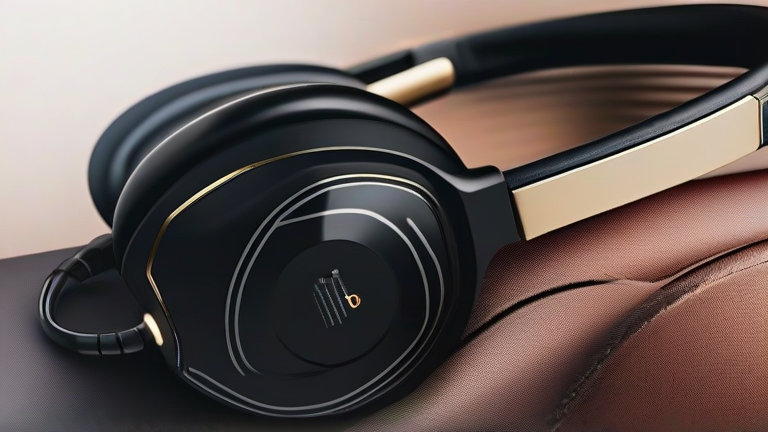
  • Best Noise Cancelling Headphones for Deep Focus and Travel

    Best Noise Cancelling Headphones for Deep Focus and Travel

    TL;DR: The Sony WH-1000XM5 remains the undisputed champion for deep focus due to its industry-leading noise cancellation and superior comfort, while the Bose QuietComfort Ultra offers the most immersive spatial audio experience for travelers. Both models excel in distinct areas, allowing you to choose based on whether you prioritize pure silence or immersive soundstage expansion.

    Uninterrupted Silence for Productivity

    In an era where open-plan offices and noisy commutes threaten our cognitive bandwidth, finding the right tool for deep work is essential. Noise-cancelling headphones have evolved from luxury items into critical productivity instruments. Among the vast sea of audio gear, two names consistently rise to the top: Sony and Bose. The Sony WH-1000XM5 represents the pinnacle of active noise cancellation technology. Its eight microphones and dual processors analyze ambient sound in real-time, creating a bubble of silence that is virtually impenetrable. Whether you are typing away in a bustling coffee shop or trying to concentrate during a flight, the XM5s eliminate distractions with surgical precision. The ear cups are made from soft, synthetic leather, ensuring that you can wear them for hours without experiencing the fatigue often associated with heavy headsets. This comfort is vital for deep focus sessions that require sustained attention.

    If you want to dig deeper, check out our guide on Traveling with a Friend? Compare Airline Seat Classes.

    The Traveler’s Immersive Escape

    However, for those who prioritize the travel experience alongside focus, the Bose QuietComfort Ultra presents a compelling alternative. While its noise cancellation is arguably on par with Sony, its standout feature is Immersive Audio. This technology creates a three-dimensional soundstage that places you in the center of the music, making long-haul flights feel less monotonous. The build quality is robust, and the folding design makes it easy to pack in carry-on luggage. When comparing the two, the Sony XM5 offers better battery life, lasting up to thirty hours with noise cancellation enabled, whereas the Bose typically lasts around twenty-four hours. Sound-wise, the Sony provides a more balanced, neutral profile that reveals intricate details in your playlist, appealing to audiophiles. In contrast, the Bose delivers a warmer, fuller bass response that many listeners find more engaging for casual listening. If your primary goal is blocking out crying babies on an airplane, both will perform admirably, but the Bose’s slightly more aggressive sealing might offer a marginal edge in chaotic environments.

    Make Your Choice

    Ultimately, the decision comes down to your specific needs. If you need a tool that seamlessly integrates into your workflow with superior call quality and battery endurance, the Sony WH-1000XM5 is the safer, more versatile bet. However, if you value a rich, immersive audio experience that makes travel enjoyable rather than just bearable, the Bose QuietComfort Ultra is worth the investment. Do not settle for mediocre audio when high-quality silence is within reach. Visit major electronics retailers today to test them in-store or take advantage of generous return policies to find the perfect fit for your lifestyle. Investing in your focus and comfort is investing in your well-being.

    FAQ

    Q: Which headphones are better for phone calls?
    A: The Sony WH-1000XM5 generally offers superior call quality due to its advanced beamforming microphones and AI-based noise reduction algorithms, making voices clearer in windy or noisy environments.

    Q: Can I use these headphones while charging?
    A: Yes, both the Sony WH-1000XM5 and Bose QuietComfort Ultra can be used while connected to power via their respective charging cables, though Bluetooth functionality may be limited depending on the model.

    Q: How long do the batteries last on a single charge?
    A: The Sony WH-1000XM5 provides up to 30 hours of playback with noise cancellation on, while the Bose QuietComfort Ultra offers approximately 24 hours, making Sony the better choice for extended travel without access to power.

    Related Articles