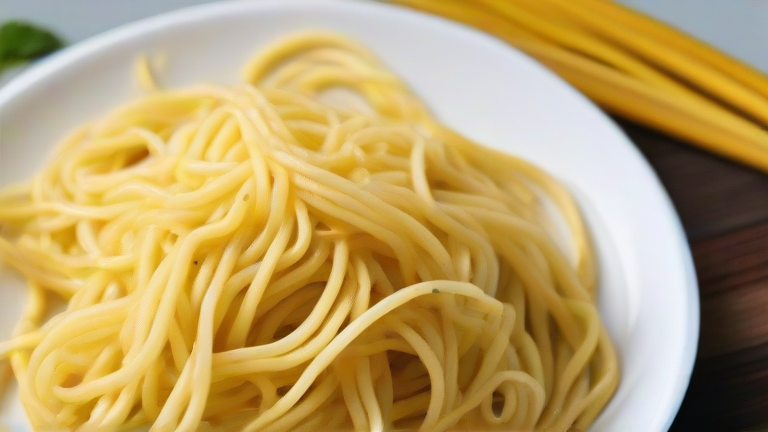
TL;DR: Salmonella in noodles is typically caused by contaminated ingredients or improper handling rather than the noodles themselves, making hygiene the primary defense. To stay safe, ensure all eggs and meat additives are fully cooked and wash hands thoroughly before preparation.
The Hidden Risks in Your Bowl
Noodles are a staple in kitchens worldwide, offering comfort and convenience. However, recent food safety alerts have sparked concern about salmonella contamination in various noodle products. While the wheat or rice flour itself is rarely the culprit, the additives and preparation methods can introduce bacterial risks. Salmonella is a bacterium that causes a serious foodborne infection, often linked to raw or undercooked eggs, meat, and unpasteurized dairy. When these ingredients are incorporated into noodle dishes, the risk increases if proper cooking temperatures are not achieved.
If you want to dig deeper, check out our guide on 10 Proven Business Growth Strategies to Boost Revenue in 202.
Travel and Culinary Awareness
For travelers and food enthusiasts, understanding these risks enhances the dining experience without causing unnecessary fear. When exploring local cuisines, particularly in regions where street food is prevalent, observe hygiene practices closely. Look for vendors who cook food thoroughly and serve it hot. Avoid raw or undercooked egg toppings, such as soft-boiled eggs in ramen, unless you are confident in the establishment’s sanitation standards. Personal growth in culinary appreciation involves learning to navigate these nuances with confidence and knowledge.
Prevention Strategies
At home, prevention starts with sourcing high-quality ingredients. Always check expiration dates and storage conditions. Cook eggs until both the yolk and white are firm. Cross-contamination is a major risk; use separate cutting boards for raw meats and vegetables. Wash your hands thoroughly before and after handling raw ingredients. Additionally, ensure your kitchen surfaces are sanitized regularly. By adopting these simple practices, you can enjoy your favorite noodle dishes without worry.
FAQ
Q: Can dry noodles contain salmonella?
A: Dry noodles are generally safe as they lack moisture, but contamination can occur if they are stored near raw meats or handled with dirty hands.
Q: What are the symptoms of salmonella infection?
A: Common symptoms include diarrhea, fever, and abdominal cramps, which usually appear six hours to six days after infection and last four to seven days.
Q: How can I safely eat street food noodles?
A: Choose vendors with high turnover, ensure food is served piping hot, and avoid raw toppings or unpeeled fruits and vegetables.
Leave a Reply