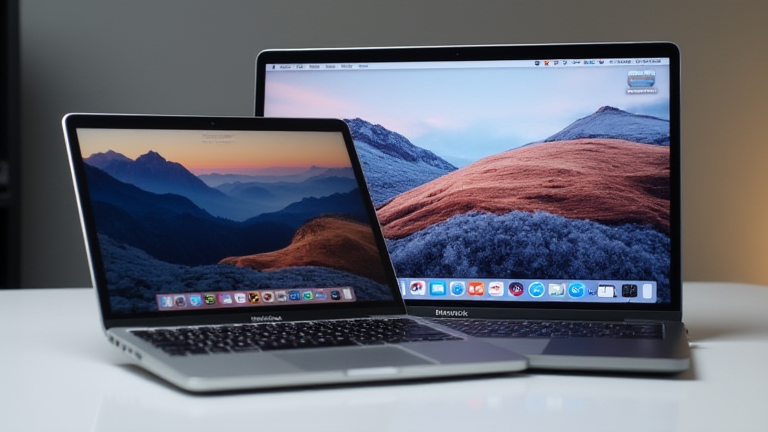
TL;DR: The MacBook Pro M3 is the superior choice for developers who prioritize seamless terminal integration, exceptional battery life, and UNIX-based stability. However, the Dell XPS 13 remains a compelling alternative for those who require native Windows compatibility or specific hardware configurations outside the Apple ecosystem.
The Evolution of Developer Hardware
The landscape of laptop manufacturing has shifted dramatically in recent years, moving away from the era of bulky, power-hungry machines toward sleek, efficient, and highly specialized devices. For software engineers, the decision between Apple’s Silicon and Intel’s Core processors is no longer just about raw clock speeds; it is about the entire development workflow, ecosystem integration, and long-term sustainability. The introduction of the M3 chip series by Apple and the latest 13th and 14th Gen Intel H-series processors in Dell’s XPS lineup represents a pivotal moment in this evolution.
If you want to dig deeper, check out our guide on Best Noise Cancelling Headphones for Deep Focus and Travel.
MacBook Pro M3: The UNIX Powerhouse
Apple’s MacBook Pro, equipped with the M3, M3 Pro, or M3 Max chips, continues to set the standard for professional development environments. The primary advantage lies in the unified memory architecture, which allows for massive datasets to be processed with unprecedented speed and efficiency. For developers working with large codebases, containerization, or local AI model training, the M3 Max offers performance that rivals traditional desktop workstations while maintaining a thin profile. The integration of macOS, a UNIX-certified operating system, eliminates the friction often found when setting up development tools on Windows. Tools like Homebrew, Zsh, and native support for Docker and Kubernetes run natively, reducing the complexity of environment setup. Furthermore, the battery life is industry-leading, allowing developers to code for an entire day without searching for an outlet, a critical factor for remote workers and digital nomads.
Dell XPS 13: The Windows Contender
The Dell XPS 13, particularly the newer 9340 model featuring Intel’s Core Ultra processors, offers a compelling argument for developers who are entrenched in the Windows ecosystem or work in enterprise environments that mandate Windows-specific tools. The XPS 13 boasts a stunning OLED display option, providing vibrant colors and deep blacks that are beneficial for developers who also dabble in frontend design or video editing. The inclusion of Thunderbolt 4 ports and a versatile array of connectivity options, including USB-A and HDMI, reduces the need for dongles. While the battery life generally trails behind the MacBook Pro, recent optimizations in Intel’s Core Ultra chips have improved efficiency significantly. The XPS 13 also offers greater flexibility in hardware customization, allowing users to select specific RAM and storage configurations that might not be available in Apple’s standardized lineup. For developers working with .NET, C#, or legacy Windows applications, the XPS 13 provides a native, high-performance environment without the need for virtualization overhead.
Industry Impact and Future Trends
The rivalry between Apple Silicon and Windows-based laptops is driving innovation across the entire industry. Companies are investing more heavily in energy-efficient processors and better thermal management systems. This competition benefits consumers by pushing the boundaries of what portable devices can achieve. As cloud computing and edge AI become more prevalent, the ability to process data locally and efficiently will become increasingly important. Both the MacBook Pro and Dell XPS 13 are positioning themselves at the forefront of this trend, offering devices that are not just tools for coding, but comprehensive platforms for modern software development.
FAQ
Q: Which laptop is better for web development?
A: The MacBook Pro M3 is often preferred for web development due to its UNIX-based terminal and seamless integration with modern web tools, though the Dell XPS 13 is equally capable.
Q: Can I run Windows on the MacBook Pro M3?
A: Yes, you can run Windows via Parallels Desktop, but it is limited to ARM-compatible applications, which may exclude some legacy x86 software.
Q: Is the Dell XPS 13 repairable?
A: The Dell
Leave a Reply