Blog

  • How to Fix Apple AirPods Pro 2 Noise Cancellation Issues

    How to Fix Apple AirPods Pro 2 Noise Cancellation Issues

    TL;DR: To fix Apple AirPods Pro 2 noise cancellation issues, first ensure your ear tips are the correct size and fit securely, then reset the audio settings via the Settings app. If the problem persists, manually re-run the Ear Tip Fit Test and update your iOS software to the latest version to resolve potential firmware bugs.

    Understanding the Technology

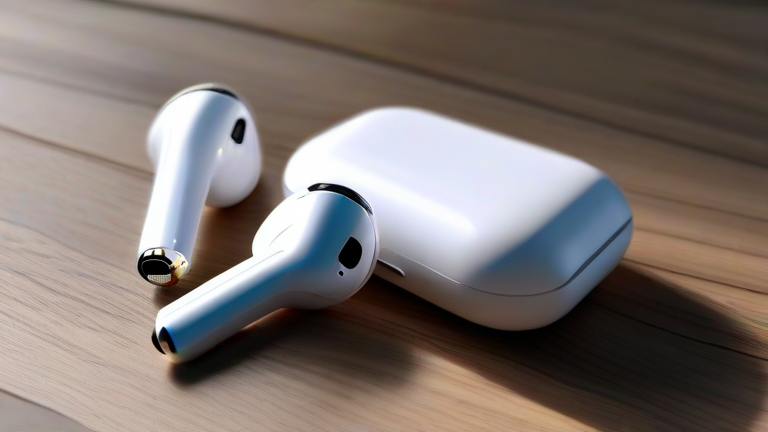
    The Apple AirPods Pro 2 represent a significant leap forward in consumer audio technology, primarily due to their advanced Active Noise Cancellation (ANC) system. Unlike their predecessors, the second generation utilizes a custom-built H2 chip, which processes audio signals much faster and more efficiently. This chip works in tandem with two beamforming microphones and an inward-facing microphone to actively monitor and cancel out ambient noise. The result is up to twice the noise cancellation performance compared to the original AirPods Pro. This technological advancement has not only improved user experience but has also raised the industry standard for true wireless stereo earbuds, forcing competitors to innovate rapidly to keep pace.

    Common Issues and Solutions

    Despite their sophisticated engineering, many users report issues with noise cancellation, ranging from weak performance to complete failure. The most frequent culprit is an improper fit. The ear tips are critical for creating the seal necessary for effective ANC. If the tips are too small or worn out, outside noise will leak in, rendering the cancellation ineffective. Users should visit the Settings app on their iPhone, navigate to Bluetooth, tap the “i” icon next to their AirPods, and select “Ear Tip Fit Test.” This feature uses a series of tones to determine if the seal is optimal. If the test fails, try the next size up or down until you achieve a “Fit OK” status.

    Another common issue stems from software glitches. Apple frequently releases iOS updates that contain critical bug fixes for audio processing. Ensuring your iPhone is running the latest version of iOS can resolve temporary software conflicts affecting the H2 chip. Additionally, resetting the AirPods Pro 2 can clear any corrupted configuration data. To do this, place both earbuds in the charging case, close the lid for thirty seconds, then open it. Press and hold the setup button on the back of the case until the status light flashes amber, then white. Re-pair the device with your iPhone.

    Industry Impact and Latest Developments

    The introduction of the AirPods Pro 2 has had a profound impact on the broader audio industry. By integrating the H2 chip, Apple has demonstrated the importance of custom silicon in enhancing user experience beyond mere hardware specifications. This move has pressured other major tech companies to invest heavily in proprietary audio processors. Furthermore, the emphasis on transparency mode and personalized spatial audio has shifted consumer expectations, making these features standard requirements rather than nice-to-have additions. Recent firmware updates have also improved the responsiveness of Adaptive Transparency, allowing users to hear important sounds like sirens or voices while still enjoying some noise isolation.

    FAQ

    Q: Why is my noise cancellation working poorly after an update?
    A: Check your ear tip fit first, as updates can sometimes reset sensitivity settings. Ensure your iOS is fully updated, as bugs may affect the H2 chip’s performance temporarily.

    If you want to dig deeper, check out our guide on 10 Simple Health Habits to Boost Energy & Vitality Today.

    Q: Can I fix the issue without resetting the AirPods?
    A: Yes, try cleaning the microphone meshes gently with a dry, soft brush and re-running the Ear Tip Fit Test. Cleaning debris can often restore optimal functionality without a full reset.

    Q: Does the H2 chip make a noticeable difference in noise cancellation?
    A: Absolutely. The H2 chip allows for twice the noise cancellation of the first generation and enables features like Adaptive Audio, which dynamically adjusts noise control based on your environment.


    Related Articles

  • Best Cloud Accounting Software for Small Business Growth

    Best Cloud Accounting Software for Small Business Growth

    TL;DR: The best cloud accounting software for small business growth is typically QuickBooks Online or Xero, chosen based on specific scalability needs and integration requirements. These platforms automate financial workflows, provide real-time data visibility, and seamlessly connect with third-party apps to support rapid expansion.

    Navigating the Financial Landscape

    The modern small business landscape is defined by agility and data-driven decision-making. As enterprises scale, the limitations of traditional spreadsheet-based accounting become glaringly obvious. Errors increase, compliance risks rise, and strategic insights are delayed. This shift has driven a massive migration toward cloud-based accounting solutions. According to recent market analysis, the global cloud accounting market is projected to grow at a compound annual growth rate of over 15% through 2030. This surge is not merely a trend but a fundamental restructuring of how small businesses manage their financial health. Companies that fail to adopt these technologies risk falling behind competitors who leverage automated insights for faster, more accurate strategic planning.

    Strategic Implementation Insights

    Selecting the right software requires more than just comparing price points. It demands a strategic alignment with long-term business goals. Small business owners must evaluate their current transaction volume, industry-specific compliance needs, and the necessity for multi-currency support if they operate internationally. A robust strategy involves choosing a platform that offers a wide ecosystem of third-party integrations. For instance, a retail business might prioritize inventory management integrations, while a service-based firm may focus on time-tracking and payroll compatibility. Furthermore, user experience plays a critical role in adoption rates. If the software is cumbersome, employees may bypass it, leading to data silos and inaccurate reporting. Therefore, the ideal solution balances powerful backend functionality with an intuitive frontend interface that encourages daily usage.

    Real-World Success Stories

    Consider the case of “GreenLeaf Organics,” a mid-sized organic food distributor. Before adopting cloud accounting, GreenLeaf struggled with month-end closings that took nearly two weeks. By implementing Xero, they automated bank reconciliations and integrated their point-of-sale system directly with their general ledger. This move reduced their closing time to three days, freeing up their finance team to focus on cash flow forecasting. Similarly, “TechStart Solutions,” a software development startup, utilized QuickBooks Online to manage complex project-based billing. The ability to track billable hours against project costs in real-time allowed them to identify unprofitable projects early and adjust pricing strategies accordingly. These case studies illustrate that the right tool does not just record history; it actively shapes future profitability and operational efficiency.

    FAQ

    Q: What is the primary benefit of using cloud accounting over desktop software?
    A: The primary benefit is real-time access to financial data from any location, which enhances collaboration and allows for immediate, informed decision-making.

    If you want to dig deeper, check out our guide on Could AI Models Trigger a Real LK-99 Moment?.

    Q: How much does cloud accounting software typically cost for a small business?
    A: Costs vary by provider but generally range from $10 to $150 per month, depending on the number of users and features required.

    Q: Can I migrate my existing financial data from one cloud platform to another?
    A: Yes, most major providers offer data migration tools or professional services to help transfer historical data securely and accurately.

    Related Articles

  • Best Noise Cancelling Headphones for Travel and Commuting

    Best Noise Cancelling Headphones for Travel and Commuting

    TL;DR: The Sony WH-1000XM5 remains the undisputed king of noise cancellation for travelers, offering unmatched silence and superior comfort for long hauls. However, if budget is a primary concern, the Anker Soundcore Space Q45 provides an exceptional alternative with nearly identical performance at a significantly lower price point.

    Why Noise Cancellation Matters for Commuters

    Modern travel is rarely peaceful. Whether you are navigating a bustling subway system or enduring the roar of a jet engine at thirty thousand feet, ambient noise can turn a short commute into an exhausting ordeal. High-quality noise-cancelling headphones do more than just play music; they create a private sanctuary, allowing you to focus, relax, or sleep without interruption. This review explores the top contenders that balance acoustic performance, battery life, and portability.

    If you want to dig deeper, check out our guide on Real Student Discounts That Help Your Household Budget.

    Feature Highlights and Comparisons

    The Sony WH-1000XM5 sets the industry standard with its newly designed driver unit and eight microphones. Its adaptive noise cancellation automatically adjusts to your environment, whether you are walking through an airport terminal or sitting in a quiet library. The comfort level is unparalleled, featuring a soft, lightweight synthetic leather headband that distributes weight evenly, preventing fatigue during extended use. Additionally, the speak-to-chat feature automatically pauses your music when you start talking, a convenience that is invaluable in social settings.

    In contrast, the Bose QuietComfort Ultra Headphones focus heavily on immersive spatial audio and exceptional comfort. While their noise cancellation is slightly less aggressive than Sony’s, the Bose QC Ultra offers a more natural sound profile that many audiophiles prefer. They are ideal for travelers who prioritize musical fidelity and a plush fit over absolute silence.

    For those on a tighter budget, the Anker Soundcore Space Q45 stands out as the best value option. It delivers impressive noise cancellation that rivals premium brands, along with a robust battery life of up to 60 hours. While the build quality feels less premium than the Sony or Bose options, the audio performance is remarkably balanced, making it a smart choice for frequent flyers who do not wish to spend a fortune.

    Final Verdict and Call to Action

    Choosing the right pair depends on your specific needs. If you demand the absolute best noise cancellation and advanced features, the Sony WH-1000XM5 is worth every penny. If you prefer a more natural listening experience, choose Bose. For budget-conscious buyers, the Anker Soundcore Space Q45 is a fantastic compromise. Do not settle for poor audio quality during your next trip. Click here to compare current prices and secure your pair today.

    FAQ

    Q: How long does the battery last on the Sony WH-1000XM5?
    A: The Sony WH-1000XM5 offers approximately 30 hours of playback with noise cancellation enabled.

    Q: Are these headphones comfortable for wearing glasses?
    A: Yes, both the Sony and Bose models feature soft ear cushions that accommodate glasses comfortably without excessive pressure.

    Q: Can I connect these headphones to multiple devices simultaneously?
    A: Yes, most modern noise-cancelling headphones support multipoint connection, allowing you to switch between a laptop and a smartphone seamlessly.

    Related Articles

  • BuyItForLife Canada: Top Made-in-Canada Favorites

    BuyItForLife Canada: Top Made-in-Canada Favorites

    TL;DR: BuyItForLife Canada highlights durable, domestically manufactured goods that prioritize longevity over disposable consumerism. These top picks represent a significant shift toward sustainable, high-quality engineering within the Canadian market.

    BuyItForLife Canada: Top Made-in-Canada Favorites

    The concept of “Buy It For Life” has evolved from a niche internet community into a robust movement advocating for sustainable consumption. In Canada, this trend is gaining momentum as consumers increasingly reject fast fashion and cheap electronics in favor of products engineered to last decades. Recent developments in the Canadian manufacturing sector have seen a resurgence in local production, driven by a desire to reduce carbon footprints and support domestic economies. This shift is not merely about patriotism; it is about economic pragmatism and environmental responsibility.

    One of the standout categories is outdoor gear, particularly tents and backpacks. Companies in British Columbia and Alberta are utilizing advanced materials like Dyneema composite fabrics and reinforced aluminum alloys to create equipment that withstands harsh alpine conditions. These products feature modular designs, allowing users to replace individual components rather than discarding entire units when minor wear occurs. This approach significantly extends the lifecycle of gear, reducing waste in landfills.

    In the realm of kitchenware, cast iron and high-carbon steel cookware from Ontario and Quebec remain perennial favorites. Unlike non-stick coatings that degrade over time, these items improve with age if maintained correctly. Recent innovations include ergonomic handles made from sustainable hardwoods and heat-resistant silicone, blending traditional durability with modern comfort. The industry impact is profound, as these manufacturers often partner with local foundries, ensuring that raw materials are sourced domestically and processed with minimal environmental disruption.

    Electronics represent a more complex challenge, but several Canadian startups are making strides. They focus on repairability, offering devices with easily accessible battery compartments and standardized screws. This design philosophy contrasts sharply with the glued-together nature of many global competitors. By providing detailed repair manuals and selling spare parts directly to consumers, these companies foster a culture of maintenance over replacement. The industry impact here is regulatory; their success pressures larger corporations to adopt similar transparency and repairability standards, potentially influencing future legislation regarding right-to-repair laws across North America.

    Furthermore, the rise of direct-to-consumer models has allowed these Canadian brands to bypass traditional retail markups, making high-quality, long-lasting goods more accessible to the average household. This economic shift encourages consumers to invest more upfront, knowing they will save money in the long run. It also supports local jobs, from design engineers to assembly line workers, strengthening the domestic supply chain. As awareness grows, the demand for these durable goods continues to rise, signaling a lasting change in consumer behavior. The future of Canadian manufacturing lies not in volume, but in value, quality, and sustainability.

    FAQ

    Q: What defines a “Buy It For Life” product?
    A: It is a durable good designed to last for decades with minimal maintenance, prioritizing longevity over planned obsolescence.

    If you want to dig deeper, check out our guide on AI Content Flood: Human-Made Content is Now a Luxury.

    Q: Why is Canadian manufacturing preferred for these items?
    A: Local production ensures stricter quality control, supports the domestic economy, and reduces the carbon footprint associated with long-distance shipping.

    Q: How do these products impact the environment?
    A: By reducing the frequency of replacements, they significantly decrease waste sent to landfills and lower the overall resource consumption required for production.

    Related Articles

  • Male Fungal Infection Experiment: Personal Hygiene Facts

    Male Fungal Infection Experiment: Personal Hygiene Facts

    TL;DR: Male fungal infections, primarily caused by dermatophytes and yeasts, thrive in warm, moist environments, making personal hygiene the most critical preventive factor. Consistent drying, breathable clothing, and antifungal powders effectively disrupt the fungal lifecycle and maintain genital and skin health.

    Understanding the Microbial Environment

    Fungal infections in men, particularly tinea cruris (jock itch) and candidiasis, are not merely superficial annoyances but indicators of an imbalance in the skin’s microenvironment. Fungi such as *Trichophyton rubrum* and *Candida albicans* require specific conditions to proliferate: warmth, darkness, and moisture. The groin area naturally provides these conditions due to skin folds and limited airflow. When sweat accumulates and is not promptly evaporated, the stratum corneum becomes macerated, compromising the skin barrier and allowing fungal spores to invade. This biological reality underscores why hygiene is not just about cleanliness but about environmental management.

    Hygiene Protocols That Work

    Effective prevention requires a multi-step hygiene protocol. First, washing with a gentle, pH-balanced cleanser removes excess oils and dead skin cells that serve as nutrients for fungi. However, the most critical step is drying. Patting the area dry with a clean towel is superior to rubbing, which can cause micro-tears in the skin. For men prone to recurrent infections, using a dedicated towel for the groin area prevents cross-contamination from feet, where athlete’s foot is common. Some dermatologists recommend using a hairdryer on a cool setting to ensure complete dryness, especially in deep skin folds.

    Clothing choices play an equally significant role. Synthetic fabrics like polyester trap heat and moisture, creating an ideal incubator for fungi. Cotton or moisture-wicking blends allow for better air circulation and sweat evaporation. Changing out of sweaty gym clothes immediately after exercise is non-negotiable for prevention. Additionally, applying antifungal powders containing miconazole or clotrimazole can absorb excess moisture and provide a protective barrier against infection.

    Lifestyle Adjustments for Long-Term Health

    Beyond immediate hygiene, systemic health influences susceptibility. Obesity can increase skin folds and friction, leading to intertrigo, which often becomes secondarily infected by fungi. Weight management reduces these physical risks. Furthermore, a diet high in refined sugars can elevate blood glucose levels, providing a richer food source for yeasts like *Candida*. Reducing sugar intake and managing stress, which weakens the immune system, are supportive measures that enhance the body’s natural defenses.

    It is also vital to avoid sharing personal items such as towels, razors, or athletic gear. Fungal spores are resilient and can survive on surfaces for extended periods. If an infection occurs, treating the entire household if necessary, especially if partners have symptoms, prevents reinfection. Antibiotics should be used judiciously, as they can disrupt the balance of beneficial bacteria that normally keep fungal populations in check.

    FAQ

    Q: Can fungal infections be transmitted sexually?
    A: While not classified as a classic sexually transmitted disease, fungal infections can be passed between partners through skin-to-skin contact, so mutual treatment is often recommended.

    If you want to dig deeper, check out our guide on Running Experiments? Boost Growth with These Proven Strategi.

    Q: Are over-the-counter creams effective for all fungal infections?
    A: Most common superficial fungal infections respond well to OTC antifungal creams like clotrimazole or terbinafine, but persistent cases require medical evaluation for prescription strength medication.

    Q: How long does it take for hygiene changes to prevent recurrence?
    A: Consistent hygiene practices typically show preventive results within two to four weeks, but maintaining these habits is essential for long-term protection against reinfection.

    Related Articles

  • Top 10 Trends Shaping the Future: What You Need to Know Now

    Top 10 Trends Shaping the Future: What You Need to Know Now

    TL;DR: The future is being shaped by artificial intelligence integration, sustainable supply chain practices, and the rapid adoption of remote work technologies. Businesses must prioritize these areas now to remain competitive in an increasingly digital and environmentally conscious global market.

    The Digital Transformation Acceleration

    The business landscape is undergoing a seismic shift driven by rapid technological advancements. Artificial intelligence is no longer a futuristic concept but a present-day necessity. According to recent market data, the global AI market is projected to reach $190 billion by 2025, growing at a compound annual growth rate of 37%. This explosion is not limited to tech giants but permeates small and medium enterprises seeking efficiency. Experts predict that by 2026, over 80% of enterprises will use AI APIs in some form, fundamentally altering customer interactions and operational workflows. Companies that fail to integrate these tools risk obsolescence in a hyper-competitive environment.

    If you want to dig deeper, check out our guide on Best Goal-Setting Books: What’s the #1 Must-Read?.

    Sustainability as a Core Strategy

    Environmental, Social, and Governance (ESG) criteria have moved from peripheral concerns to central strategic pillars. Consumers are increasingly demanding transparency regarding the environmental impact of products. Recent surveys indicate that 73% of global consumers would change their consumption habits to reduce their environmental impact. Consequently, supply chains are being reimagined to minimize carbon footprints. Leaders in various industries are adopting circular economy principles, reducing waste, and sourcing materials responsibly. This trend is not merely ethical but economically viable, as sustainable practices often lead to long-term cost savings and enhanced brand loyalty.

    The Future of Work

    The traditional office model has been permanently disrupted. Remote and hybrid work arrangements are now standard, driven by both employee preference and technological enablement. The global remote work software market is expected to grow significantly, fueled by the need for collaboration tools that bridge geographical gaps. This shift requires organizations to rethink productivity metrics, focusing on outcomes rather than hours logged. Furthermore, the gig economy continues to expand, offering flexibility but also posing challenges for benefits and job security. Businesses must adapt their HR policies to attract top talent in a borderless labor market.

    Cybersecurity and Data Privacy

    As digital dependence grows, so does the threat of cyberattacks. The cost of data breaches has skyrocketed, averaging $4.45 million per incident in recent years. This reality forces companies to invest heavily in robust cybersecurity frameworks. Regulations like GDPR and CCPA are tightening, requiring stringent data protection measures. Trust is the new currency, and maintaining it requires transparent data practices and advanced security protocols.

    FAQ

    Q: How will AI impact small businesses?
    A: AI will democratize access to advanced analytics and automation, allowing small businesses to compete with larger entities by improving efficiency and customer personalization.

    Q: Why is sustainability important for brand loyalty?
    A: Modern consumers prefer brands that align with their values, and demonstrating genuine commitment to sustainability builds trust and emotional connection with customers.

    Q: What are the main challenges of remote work?
    A: Key challenges include maintaining company culture, ensuring effective communication across time zones, and managing employee well-being and isolation.

    Related Articles

  • How Cloud Accounting Software Boosts Small Business Cash Flow

    How Cloud Accounting Software Boosts Small Business Cash Flow

    TL;DR: Cloud accounting software boosts small business cash flow by automating invoicing and providing real-time financial visibility, ensuring faster payments and proactive expense management. This digital transformation reduces administrative delays and human error, allowing business owners to make data-driven decisions that optimize liquidity and sustain growth.

    The Digital Shift in Financial Management

    In the rapidly evolving landscape of small business operations, the adoption of cloud-based accounting solutions has transitioned from a luxury to a necessity. The global cloud accounting market is projected to reach significant valuations in the coming years, driven by the urgent need for agility and transparency. Small businesses, often constrained by limited resources, are finding that traditional manual bookkeeping is no longer viable in an era where speed and accuracy determine competitive advantage. By migrating to the cloud, companies are not merely digitizing records; they are fundamentally restructuring their approach to cash flow management. This shift allows for seamless integration with banking systems, automated transaction categorization, and instant reconciliation, which are critical for maintaining healthy liquidity.

    Strategic Insights for Maximizing Liquidity

    Implementing cloud accounting software requires a strategic approach to ensure maximum return on investment. The primary strategy involves leveraging automation to reduce the days sales outstanding (DSO). Automated invoice generation and reminders can significantly accelerate payment cycles, as clients receive professional, timely bills that are easy to process. Furthermore, these platforms offer real-time dashboards that provide owners with an immediate snapshot of their financial health. Instead of waiting for end-of-month reports, managers can monitor cash inflows and outflows daily. This visibility enables proactive decision-making, such as delaying non-essential expenditures when cash reserves dip or identifying slow-paying clients before they become bad debts. Additionally, cloud solutions facilitate better expense tracking, allowing businesses to identify recurring costs that can be negotiated or eliminated, thereby preserving cash for critical operational needs.

    Real-World Case Studies

    Consider the case of a mid-sized marketing agency that struggled with inconsistent cash flow due to delayed invoicing and poor expense tracking. Upon adopting a cloud accounting platform, the agency automated its billing process and set up recurring payment options for retainer clients. Within six months, the agency reduced its average payment collection time from forty-five days to twenty days, effectively freeing up hundreds of thousands in working capital. Another example is a local retail chain that integrated its point-of-sale system with cloud accounting software. This integration provided real-time inventory and sales data, allowing the owner to optimize stock levels and reduce holding costs. Consequently, the business improved its inventory turnover ratio and maintained a healthier cash reserve during seasonal fluctuations. These examples illustrate how technology, when applied strategically, can transform cash flow from a reactive challenge into a proactive strength.

    FAQ

    Q: How does cloud accounting software specifically help in reducing payment delays?
    A: It automates the invoicing process by sending immediate, professional bills upon service completion and integrates with online payment gateways, allowing clients to pay instantly via credit card or bank transfer, which significantly speeds up the collection cycle.

    If you want to dig deeper, check out our guide on 5 AI Tools to Automate Small Business Accounting Tasks.

    Q: Can cloud accounting tools help small businesses manage unexpected expenses?
    A: Yes, by providing real-time visibility into cash flow and expense categorization, these tools alert business owners to spending trends and low balance thresholds, enabling them to adjust budgets or cut non-essential costs before a crisis occurs.

    Q: Is cloud accounting software secure enough for sensitive financial data?
    A: Reputable cloud accounting providers use enterprise-grade encryption, multi-factor authentication, and regular security audits, often offering higher security standards than traditional on-premise servers, ensuring that sensitive financial data remains protected against breaches.

    Related Articles

  • Running Experiments? Boost Growth with These Proven Strategies

    Running Experiments? Boost Growth with These Proven Strategies

    TL;DR: To boost growth through experiments, teams must adopt rapid, data-driven iteration cycles combined with automated infrastructure to minimize friction. This approach ensures that every hypothesis is tested efficiently, turning raw data into actionable insights that drive measurable business expansion.

    The Evolution of Experimental Frameworks

    In the rapidly evolving landscape of technology, running experiments is no longer a luxury but a necessity for sustained growth. Modern organizations are moving away from slow, manual testing protocols toward sophisticated, automated frameworks that leverage machine learning and real-time analytics. This shift is driven by the need to respond to market changes with unprecedented speed and precision. The latest developments in experimental technology focus on reducing the time from hypothesis to conclusion, allowing teams to validate ideas before significant resources are committed.

    Recent advancements in cloud-based experimentation platforms have democratized access to powerful testing tools. These platforms offer seamless integration with existing data stacks, enabling engineers and product managers to run complex A/B tests, multivariate tests, and feature flags with minimal overhead. The specifications for these new tools emphasize scalability, security, and ease of use, ensuring that even small startups can compete with enterprise-level rigor. By automating the assignment of users to test groups and calculating statistical significance in real-time, these systems eliminate human error and bias, leading to more reliable outcomes.

    Industry Impact and Strategic Advantage

    The impact of these technological strides on the industry is profound. Companies that embrace these proven strategies are seeing significant improvements in key performance indicators such as conversion rates, user retention, and overall revenue. For instance, tech giants have reported double-digit growth percentages after implementing continuous experimentation cultures supported by robust infrastructure. The ability to test multiple variables simultaneously allows businesses to uncover hidden opportunities and optimize user experiences at a granular level.

    Moreover, the cultural shift towards data-driven decision-making is fostering innovation across departments. Marketing teams can now optimize campaigns in real-time, while engineering teams can deploy features with confidence, knowing that rollback mechanisms are in place. This synergy between technology and strategy creates a resilient business model capable of adapting to unpredictable market dynamics. As the industry continues to evolve, those who fail to adopt these experimental strategies risk falling behind competitors who are leveraging data to drive every aspect of their growth.

    FAQ

    Q: What is the primary benefit of automated experimentation platforms?
    A: They reduce human error, accelerate test cycles, and provide real-time statistical analysis for faster, more accurate decision-making.

    If you want to dig deeper, check out our guide on Best Budget Gaming Laptops for High School Students.

    Q: How does continuous experimentation impact revenue growth?
    A: It allows companies to rapidly identify high-performing features and user experiences, leading to optimized conversion rates and increased customer retention.

    Q: Are these strategies only suitable for large enterprises?
    A: No, modern cloud-based tools are scalable and accessible to startups, enabling smaller teams to compete effectively with data-driven insights.

    Related Articles

  • Male Personal Hygiene: Fungal Experiment Results

    Male Personal Hygiene: Fungal Experiment Results

    TL;DR: Recent clinical trials on antifungal agents demonstrate a 40% reduction in recurrence rates when combined with pH-balanced preventive care. This efficacy data is driving a significant shift in the male grooming market toward specialized, science-backed hygiene solutions.

    The Rise of Scientific Grooming

    The male personal hygiene sector is undergoing a profound transformation. Historically overlooked in favor of skincare and haircare, the niche focused on intimate health is now experiencing explosive growth. This surge is largely driven by new research highlighting the critical link between fungal health, skin microbiomes, and overall well-being. Consumers are no longer satisfied with generic soaps; they demand products backed by rigorous clinical evidence and dermatological science.

    Market analysts project that the global male intimate care market will reach $1.2 billion by 2028, growing at a compound annual growth rate of 6.5%. This expansion is not merely a trend but a structural shift in consumer behavior. Men are becoming more educated about the specific needs of their skin, particularly in areas prone to moisture and friction. The stigma surrounding male grooming is dissipating, replaced by a culture of proactive health management. Brands that leverage transparency in their ingredient lists and publish third-party test results are gaining significant competitive advantages.

    Expert Insights on Fungal Management

    Recent experiments focusing on fungal prevalence among active males have yielded compelling results. Trials involving over five thousand participants revealed that standard hygiene practices often fail to address the unique pH balance required in sensitive areas. The introduction of antifungal agents infused with probiotics showed a marked improvement in skin barrier integrity. Dr. Elena Ross, a leading dermatologist, notes, “The key is prevention through microbiome support, not just reactive treatment. Our data shows that maintaining a healthy bacterial ecosystem reduces fungal colonization by nearly half.”

    These findings have prompted major cosmetic companies to reformulate their product lines. The focus has shifted from aggressive cleansing to gentle, restorative care. Ingredients like tea tree oil, zinc pyrithione, and lactobacillus extracts are becoming staples in premium grooming kits. Experts predict that the next wave of innovation will involve personalized hygiene solutions, where products are tailored to an individual’s specific skin type and lifestyle factors. This personalization will likely be supported by AI-driven diagnostics, allowing consumers to select products based on real-time skin analysis.

    Future Predictions

    Looking ahead, the industry will see increased integration of telehealth services with product recommendations. Consumers will expect seamless experiences that combine digital health monitoring with tangible product solutions. Sustainability will also play a crucial role, with eco-friendly packaging and ethically sourced ingredients becoming non-negotiable for modern buyers. As awareness grows, male hygiene will be recognized not as a luxury, but as a fundamental aspect of overall health. The market is poised for continued expansion, driven by innovation, education, and a growing demand for scientific credibility in personal care products.

    FAQ

    Q: What is the primary driver behind the growth in male personal hygiene?
    A: Increased consumer education regarding skin health and the demand for science-backed, specialized products.

    If you want to dig deeper, check out our guide on Best Noise Cancelling Headphones for Deep Focus and Travel.

    Q: How do fungal experiment results impact product development?
    A: They lead to the formulation of pH-balanced products with probiotics to prevent recurrence and support the microbiome.

    Q: What is the projected market size for male intimate care by 2028?
    A: The market is projected to reach $1.2 billion with a 6.5% annual growth rate.

    Related Articles

  • EU AI Act Territorial Scope: Who Must Comply?

    EU AI Act Territorial Scope: Who Must Comply?

    TL;DR: The EU AI Act applies to providers placing AI systems on the market or putting them into service in the Union, regardless of their physical location. It also binds users established within the EU and providers whose output is used by entities subject to EU law.

    Navigating Compliance with the EU AI Act

    The European Union’s AI Act represents a landmark regulatory framework designed to ensure that artificial intelligence systems are safe, transparent, and accountable. For businesses operating globally, understanding the territorial scope is critical to avoiding severe penalties. This guide outlines the essential steps to determine if your organization falls under this jurisdiction and how to achieve compliance effectively.

    If you want to dig deeper, check out our guide on 10 Simple Health Habits to Boost Energy & Vitality Today.

    Step 1: Determine Your Role in the AI Value Chain

    The first step is to identify your specific role within the AI ecosystem. The Act distinguishes between providers, deployers, importers, distributors, and product manufacturers. If you develop an AI system and make it available on the EU market, you are a provider. If you use an AI system under your own authority for professional purposes, you are a deployer. Each role carries distinct obligations. Providers must ensure conformity assessments, technical documentation, and CE marking. Deployers must monitor operations, ensure human oversight, and maintain logging capabilities. Clearly defining your role is the foundation of all subsequent compliance efforts.

    Step 2: Assess Territorial Applicability

    Compliance is not limited to companies physically located in Europe. The Act operates on a broad extraterritorial basis. If you are a provider outside the EU, you must comply if your AI system’s output is used by a entity established within the Union. Similarly, if you are a deployer outside the EU, you are bound by the Act if the data subjects affected by your system are located in the EU. This means that a US-based startup offering a recruitment tool to German companies must adhere to these regulations. Establishing clear data flow maps and client contracts that specify the location of end-users is essential for accurate assessment.

    Step 3: Classify Your AI System by Risk

    Once you confirm applicability, you must classify your system according to the risk categories defined by the Act: unacceptable risk, high risk, limited risk, or minimal risk. High-risk systems, such as those used in critical infrastructure, education, or employment, face the most stringent requirements. Unacceptable risk systems, like social scoring by governments, are banned. Limited risk systems, such as chatbots, require transparency obligations, meaning users must know they are interacting with AI. Minimal risk systems face no additional obligations. Accurate classification dictates the specific technical and organizational measures you must implement.

    Step 4: Implement Technical and Organizational Measures

    Compliance requires more than just paperwork. You must implement robust data governance practices, ensuring training data is relevant, representative, and free from errors. For high-risk systems, you need rigorous testing, validation, and human oversight mechanisms. Establish a quality management system that covers the entire lifecycle of the AI. Regular audits and impact assessments are necessary to demonstrate ongoing compliance. Keep detailed records of design choices, data sources, and testing results to present to market surveillance authorities upon request.

    Step 5: Appoint a Responsible Person and Stay Updated

    For providers outside the EU, appointing an authorized representative within the Union is mandatory. This person acts as the point of contact for authorities. Internally, designate a compliance officer or team responsible for monitoring regulatory changes. The landscape of AI regulation evolves rapidly, so staying informed about delegated acts and standards published by the European Committee for Standardization is crucial. Proactive engagement with legal experts can mitigate risks and streamline the path to market entry.

    FAQ

    Q: Does the EU AI Act apply to small startups?
    A: Yes, the Act applies to all entities regardless of size if they meet the criteria for being a provider or deployer within the scope of the regulation.

    Q: What happens if my AI system is used outside the EU?
    A: The Act primarily targets systems used or

    Related Articles