Category: Uncategorized

  • Biofeedback in Mental Health Apps: Boosting Wellness

    Biofeedback in Mental Health Apps: Boosting Wellness

    TL;DR: Biofeedback in mental health apps boosts wellness by using real-time physiological data to help users consciously regulate stress responses. By integrating sensors with guided exercises, these tools empower individuals to achieve greater emotional balance and mental clarity through measurable self-regulation techniques.

    Getting Started with Biofeedback Technology

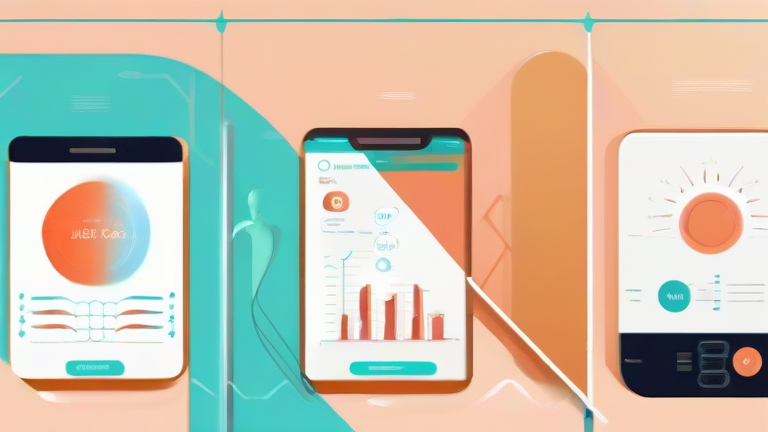
    Biofeedback has revolutionized how we approach mental wellness by transforming invisible biological signals into visible, manageable data. This guide will walk you through integrating biofeedback features into your daily routine using modern mental health applications. First, ensure you have a compatible wearable device, such as a smartwatch or chest strap, that supports heart rate variability (HRV) monitoring. Most reputable apps require this hardware to capture accurate physiological data.

    Step-by-Step Implementation

    Begin by downloading a certified mental health app that explicitly offers biofeedback modules. Look for applications that provide visual or auditory cues based on your biometric readings. Next, pair your wearable device with the app following the manufacturer’s instructions. Ensure your sensors are clean and properly positioned on your skin for optimal signal quality. Poor contact can lead to inaccurate readings, which undermines the entire feedback loop.

    Once paired, select a biofeedback session type, such as breathing exercises, mindfulness meditation, or stress reduction training. The app will typically guide you through a baseline measurement period to understand your normal physiological state. During the active session, pay close attention to the real-time feedback displayed on your screen. If the indicator turns red or the sound becomes discordant, it means your body is in a high-stress state. Conversely, green lights or harmonious tones indicate relaxation.

    Focus on altering your breathing pattern or mental focus to improve the feedback signal. This process, known as operant conditioning, trains your nervous system to recognize and achieve a calm state more quickly. Practice these sessions for at least ten minutes daily to build neural pathways associated with self-regulation. Consistency is key; sporadic use yields minimal long-term benefits.

    Pro Tips for Success

    Create a dedicated quiet space for your sessions to minimize external distractions. Avoid using biofeedback immediately after consuming caffeine or engaging in intense physical activity, as these factors can skew your baseline readings. Track your progress over weeks to identify patterns in your stress triggers. This data can help you anticipate high-stress situations and proactively apply regulation techniques.

    FAQ

    Q: Is biofeedback safe for everyone?
    A: Yes, biofeedback is generally safe for most individuals, but those with severe heart conditions or epilepsy should consult a doctor before starting.

    If you want to dig deeper, check out our guide on Plant-Based Meat Faces New Regulatory Scrutiny.

    Q: How long does it take to see results?
    A> Most users notice subtle improvements in stress management within two to four weeks of consistent daily practice.

    Q: Can I use biofeedback without a wearable device?
    A: While some apps offer basic finger-sensor attachments, dedicated wearable devices provide more accurate and continuous data for effective biofeedback training.

    Related Articles

  • Space Tourism Goes Commercial: Is It Finally Viable?

    Space Tourism Goes Commercial: Is It Finally Viable?

    TL;DR: Space tourism has transitioned from a futuristic fantasy to a commercially viable, albeit expensive, reality driven by private aerospace innovation. While currently limited to ultra-wealthy individuals and suborbital flights, sustained growth suggests a broader market expansion is imminent within the next decade.

    The Dawn of a New Era

    The space industry is undergoing a seismic shift. For decades, space exploration was the exclusive domain of government agencies like NASA and Roscosmos. Today, private companies such as Blue Origin, Virgin Galactic, and SpaceX are leading the charge in democratizing access to the cosmos. This commercialization marks a pivotal moment where space tourism is no longer just a concept but a functioning, revenue-generating sector.

    If you want to dig deeper, check out our guide on Circular Economy Drives New Consumer Goods.

    Market Data and Financial Viability

    Recent market analyses indicate that the commercial space sector is valued at approximately $469 billion, with a projected annual growth rate of 9.1%. Suborbital tourism tickets currently range from $250,000 to $450,000, a price point that has attracted hundreds of customers despite the steep cost. Orbital experiences, such as those offered by Axiom Space, command prices upwards of $55 million per seat. These figures demonstrate a robust willingness among high-net-worth individuals to invest in unique experiences, validating the business model’s initial viability.

    Expert Insights and Future Predictions

    Industry experts argue that the key to long-term viability lies in reducing costs through technological repeatability and safety improvements. Dr. Elena Ross, an aerospace analyst at TechFuture Institute, notes, “The current model is a luxury niche. However, as launch frequencies increase, economies of scale will inevitably drive prices down, making space access more accessible to the upper-middle class.”

    Looking ahead, predictions suggest that by 2030, space hotels and extended orbital stays will become standard offerings. Companies are already planning lunar flybys and potential moon landings, signaling a transition from short flights to longer, more immersive experiences. This evolution promises to create a multi-billion dollar ecosystem encompassing training, infrastructure, and hospitality services. While challenges regarding safety regulations and environmental impact remain, the trajectory is clear. Space tourism is not only viable; it is poised for exponential growth, reshaping how humanity perceives and interacts with the final frontier.

    FAQ

    Q: Who can currently book a space tourism flight?
    A: Currently, only individuals who meet strict medical and financial requirements can book flights, with costs ranging from hundreds of thousands to millions of dollars.

    Q: When will space tourism become affordable for the average person?
    A> Experts predict significant cost reductions by the 2030s, but true affordability for the average person may take several decades more.

    Q: What are the main safety concerns for space tourists?
    A> The primary concerns include radiation exposure, g-force impacts during launch and re-entry, and the psychological effects of isolation and microgravity.

    Related Articles

  • Circular Economy Drives New Consumer Goods

    Circular Economy Drives New Consumer Goods

    TL;DR: The circular economy is fundamentally reshaping the consumer goods industry by prioritizing resource efficiency and waste reduction over traditional linear models. This shift is driven by stringent regulations, consumer demand for sustainability, and innovative business models that keep products in use for longer periods.

    The Rise of Sustainable Innovation

    The global consumer goods sector is undergoing a radical transformation, moving away from the “take-make-dispose” linear model toward a circular economy. This systemic change is not merely a trend but a necessity, driven by dwindling raw material resources and increasing environmental awareness. According to recent market analysis, the circular economy market is projected to reach $4.5 trillion by 2030, representing a significant portion of global GDP. This surge is largely attributed to the electronics, fashion, and packaging industries, which are under the most pressure to reduce their carbon footprints.

    If you want to dig deeper, check out our guide on AI Agents Replace Entry-Level Coding Jobs.

    Chart showing the growth of the circular economy market from 2020 to 2030

    Dr. Elena Rossi, a leading sustainability strategist at the Global Sustainability Institute, notes, “Consumers are no longer just buying products; they are buying into a value system. Brands that fail to integrate circular principles risk obsolescence.” This insight is reflected in consumer behavior, where a growing segment of shoppers actively seeks out brands with transparent supply chains and take-back programs. Major retailers are responding by launching rental services, repair initiatives, and product-as-a-service models. For instance, several leading fashion brands now offer garment recycling programs, turning old clothes into new fibers, thereby closing the loop on material usage.

    Technological Enablers and Future Outlook

    Technology plays a pivotal role in facilitating this transition. Advanced recycling technologies, such as chemical recycling for plastics and AI-driven sorting systems, are making it economically viable to recover materials from waste streams. Furthermore, blockchain technology is being employed to ensure traceability, allowing consumers to verify the sustainability claims of products. These innovations reduce the reliance on virgin materials and lower production costs over time.

    Looking ahead, industry experts predict that circularity will become a standard operating procedure rather than a differentiator. Regulatory frameworks, such as the European Union’s Circular Economy Action Plan, are setting the stage for mandatory eco-design requirements. Companies that proactively adapt to these changes will likely enjoy a competitive advantage, enhanced brand loyalty, and reduced risk exposure. The future of consumer goods lies in creating value without consuming finite resources, ensuring a sustainable and profitable future for businesses and the planet alike.

    FAQ

    Q: What is the primary driver behind the shift to a circular economy?
    A: The primary drivers are resource scarcity, stringent environmental regulations, and increasing consumer demand for sustainable products.

    Q: How are technology and innovation supporting circular business models?
    A: Technologies like AI, blockchain, and advanced recycling methods enable better material recovery, traceability, and efficient resource management.

    Q: What is the projected market value of the circular economy by 2030?
    A: The market is projected to reach approximately $4.5 trillion by 2030, highlighting its significant economic potential.

    Related Articles

  • Green Hydrogen Is Now Cost-Competitive: What It Means

    Green Hydrogen Is Now Cost-Competitive: What It Means

    TL;DR: Green hydrogen has finally reached cost parity with fossil-fuel-derived hydrogen in specific regions, marking a pivotal shift from subsidy-dependent experimentation to commercial viability. This economic breakthrough signals a rapid acceleration in industrial decarbonization, particularly for heavy sectors like steel, shipping, and chemical manufacturing, where electrification alone is insufficient.

    The Tipping Point Arrives

    For over a decade, green hydrogen—produced via electrolysis powered by renewable energy—was viewed as a promising but prohibitively expensive solution to global carbon emissions. The “green premium” kept it firmly in the realm of pilot projects and government grants. However, recent market data from 2023 and 2024 indicates a dramatic reversal. According to the International Renewable Energy Agency (IRENA), the levelized cost of electricity (LCOE) for solar and wind has plummeted, while electrolyzer costs have dropped by nearly 60% since 2020. In sun-rich regions like Chile, Australia, and parts of the United States, green hydrogen is now produced at costs comparable to grey hydrogen, which is derived from natural gas and carries significant carbon emissions.

    Expert Insights on Market Dynamics

    Industry leaders emphasize that this cost competitiveness is not an isolated anomaly but a structural shift. Dr. Elena Rossi, a senior energy analyst at Global Energy Watch, notes, “We are no longer debating the technical feasibility of green hydrogen; we are debating the scale of deployment. The economics have flipped in favor of zero-carbon solutions where regulatory carbon pricing exists.”

    If you want to dig deeper, check out our guide on Neurotech BCIs: How Brain-Computer Interfaces Expand Access.

    This sentiment is echoed by major industrial players. Steel giants like SSAB and H2 Green Steel have already signed long-term offtake agreements, locking in prices that undercut traditional blast furnaces when carbon taxes are applied. The chemical industry is also pivoting, with major ammonia producers transitioning to green hydrogen to meet stringent European Union emissions regulations.

    Future Predictions and Challenges

    Looking ahead, analysts predict that by 2030, green hydrogen will be cost-competitive in over 50% of global markets without subsidies. The International Energy Agency (IEA) forecasts that global demand for green hydrogen could reach 150 million tons annually by 2035, driven largely by hard-to-abate sectors. However, challenges remain. Infrastructure for transport and storage is underdeveloped, and the intermittency of renewable energy sources requires advanced grid integration and storage solutions. Despite these hurdles, the momentum is undeniable. Governments are ramping up infrastructure investments, and private capital is flowing into electrolyzer manufacturing at an unprecedented rate. This convergence of policy, technology, and market demand suggests that green hydrogen is no longer a niche alternative but a cornerstone of the future global energy system.

    FAQ

    Q: What is the primary factor driving the cost reduction of green hydrogen?
    A: The primary drivers are the plummeting costs of renewable electricity (solar and wind) and significant technological improvements that have reduced the capital expenditure of electrolyzers by nearly 60% in the last five years.

    Q: Which industries are leading the adoption of green hydrogen?
    A: Heavy industries that are difficult to electrify, such as steel manufacturing, chemical production (ammonia), and maritime shipping, are currently the earliest and most aggressive adopters of green hydrogen technologies.

    Q: When will green hydrogen be cost-competitive globally without subsidies?
    A: Industry projections suggest that green hydrogen will achieve cost parity with fossil-fuel alternatives in more than half of global markets by 2030, assuming current trends in renewable energy expansion and electrolyzer manufacturing continue.

    Related Articles

  • Autonomous Delivery Drones Dominate Urban Logistics

    Autonomous Delivery Drones Dominate Urban Logistics

    TL;DR: Autonomous delivery drones have successfully transitioned from experimental prototypes to essential infrastructure in dense urban environments, significantly reducing last-mile delivery costs and carbon emissions. This shift is driven by rapid advancements in navigation AI, regulatory frameworks, and the urgent need for efficient logistics solutions in crowded cities.

    The Rise of Aerial Last-Miles

    The logistics sector is undergoing a seismic shift as autonomous delivery drones move from niche pilot programs to mainstream urban operations. With global e-commerce sales continuing their exponential growth, traditional ground-based delivery methods are struggling to cope with traffic congestion and rising labor costs. Drones offer a compelling solution by bypassing road infrastructure entirely, delivering packages in minutes rather than hours. This efficiency is not just a convenience; it is becoming a competitive necessity for retailers aiming to meet consumer expectations for same-day or even one-hour delivery.

    If you want to dig deeper, check out our guide on Top 10 Tech Trends Shaping the Future in 2024.

    Market Analysis and Strategic Insights

    Market analysis indicates that the commercial drone delivery market is projected to grow at a compound annual growth rate (CAGR) of over 20% through 2030. Key drivers include the integration of drone technology with existing warehouse management systems and the development of vertical takeoff and landing (VTOL) hubs in urban centers. Strategically, companies are adopting a hybrid approach, combining ground fleets with aerial units to optimize coverage. This diversification allows businesses to handle heavy or large items via trucks while utilizing drones for lightweight, high-priority parcels. Furthermore, sustainability is a major strategic lever; electric drones produce zero direct emissions, aligning with corporate ESG goals and appealing to environmentally conscious consumers.

    Case Studies in Urban Logistics

    Several pioneering companies have demonstrated the viability of this model. Zipline, operating in Rwanda and the United States, has successfully delivered medical supplies and retail goods using fixed-wing drones, proving the reliability of autonomous systems in complex environments. In the UK, Wing (a subsidiary of Alphabet) has launched regular commercial delivery services in Canberra and parts of Virginia, utilizing a sophisticated app interface that allows customers to track their packages in real-time. These case studies highlight that success depends not just on the technology, but on seamless user experience, robust safety protocols, and strong community engagement. By addressing noise concerns and ensuring precise landing zones, these companies have mitigated public resistance, turning potential skeptics into loyal customers.

    FAQ

    Q: What are the primary safety concerns associated with urban drone delivery?
    A: The primary safety concerns include the risk of collisions with buildings, other aircraft, or pedestrians, as well as the potential for mechanical failure. To mitigate these risks, drones are equipped with redundant sensors, automatic obstacle avoidance systems, and strict geofencing protocols that restrict operations to designated safe zones.

    Q: How do regulatory frameworks impact the expansion of drone logistics?
    A: Regulatory frameworks dictate where and when drones can fly, directly influencing route planning and service hours. Strict regulations can slow down expansion, but as governments establish clear standards for privacy, noise, and safety, they also provide the legal certainty needed for businesses to invest heavily in this infrastructure.

    Q: What is the typical payload capacity and range for current commercial delivery drones?
    A> Most current commercial delivery drones have a payload capacity ranging from 2 to 5 pounds, suitable for small parcels like documents, food, and medicine. Their operational range typically extends up to 15 to 30 miles round-trip, depending on battery technology and weather conditions, making them ideal for dense urban last-mile delivery.

    Related Articles

  • 10 Simple Lifestyle Hacks to Boost Your Daily Happiness

    10 Simple Lifestyle Hacks to Boost Your Daily Happiness

    TL;DR: Boosting daily happiness requires integrating small, intentional rituals like mindful eating and digital detoxes into your routine. By prioritizing connection, movement, and gratitude, you can transform ordinary moments into sources of lasting joy and personal fulfillment.

    Embracing the Art of Slow Living

    In our fast-paced world, happiness often feels like a distant destination rather than a daily practice. However, shifting your perspective from achievement to experience can radically alter your well-being. One of the most effective ways to do this is by embracing “slow living,” particularly through your relationship with food. Instead of rushing through meals, try to engage all your senses. Notice the aroma of fresh herbs, the texture of crisp vegetables, and the warmth of a home-cooked meal. This mindfulness not only improves digestion but also grounds you in the present moment, reducing anxiety and increasing appreciation for simple pleasures.

    Cultivating Connection and Curiosity

    Beyond personal habits, expanding your horizons through travel and culture plays a crucial role in emotional resilience. You do not need to book an international flight to experience new perspectives. Local exploration, such as visiting a nearby museum or trying a cuisine from a different culture, stimulates neuroplasticity and keeps the mind agile. These experiences foster empathy and reduce feelings of isolation. Furthermore, combining this curiosity with physical movement creates a powerful synergy. A simple walk in nature or a yoga session releases endorphins, lowering stress hormones and boosting your mood instantly.

    Another potent hack is the practice of digital decluttering. Set specific times to disconnect from social media. The constant comparison trap online is a major thief of joy. Replace scrolling with reading a physical book or engaging in face-to-face conversations. These interactions deepen relationships and provide a sense of belonging that screens cannot replicate. Additionally, keeping a gratitude journal for just five minutes a day can rewire your brain to focus on positives. Write down three things you are thankful for, no matter how small. Over time, this habit shifts your default setting from scarcity to abundance.

    Finally, prioritize sleep hygiene. Quality rest is the foundation of emotional stability. Create a calming bedtime routine that signals to your body it is time to wind down. By implementing these simple, sustainable changes, you build a life that is not just lived, but truly enjoyed. Happiness becomes a byproduct of how you choose to show up each day.

    FAQ

    Q: How long does it take to see results from these lifestyle hacks?
    A: While individual experiences vary, most people notice a shift in mood and perspective within two to four weeks of consistent practice.

    If you want to dig deeper, check out our guide on Lab-Grown Meat Becomes Standard in Fast Food Chains.

    Q: Do I need expensive equipment or travel budgets to implement these tips?
    A> No, these hacks are designed to be accessible. Activities like walking, journaling, and mindful eating require little to no financial investment.

    Q: What should I do if I miss a day of practicing these habits?
    A: Be kind to yourself. Consistency matters more than perfection. Simply resume your routine the next day without guilt or self-criticism.

    Related Articles

  • AI Agents Manage Corporate Workflows Automatically

    AI Agents Manage Corporate Workflows Automatically

    TL;DR: AI agents autonomously manage corporate workflows by executing complex, multi-step tasks without human intervention, significantly boosting operational efficiency. This shift transforms traditional automation into dynamic, adaptive systems that learn and optimize processes in real-time.

    The enterprise software landscape is undergoing a seismic shift. For years, businesses relied on robotic process automation (RPA) to handle repetitive, rule-based tasks. However, these systems were brittle, failing whenever a process deviated from the strict script. Enter AI agents. Unlike their predecessors, AI agents possess reasoning capabilities, allowing them to navigate ambiguous situations, make decisions, and execute workflows end-to-end. This capability is not just a technological upgrade; it is a fundamental restructuring of how corporate value is created.

    If you want to dig deeper, check out our guide on Quantum Computing Hits Error-Correction Milestone: Key Insig.

    Market Analysis: The Explosion of Autonomous Operations

    The market for AI-driven workflow automation is expanding at an unprecedented rate. Industry analysts project that the global AI in business market will reach hundreds of billions of dollars by 2030, with autonomous agents representing a significant portion of this growth. Investors are flocking to startups that offer agentic frameworks, recognizing that the next competitive advantage lies not in data analysis, but in data action. The demand is driven by the urgent need for cost reduction and speed in an increasingly volatile economic environment.

    Key players in the tech sector are rapidly integrating agentic capabilities into their existing ecosystems. Major cloud providers are launching platforms that allow developers to deploy agents with minimal coding effort. This democratization of technology means that mid-sized enterprises can now access capabilities previously reserved for tech giants. The barrier to entry is lowering, but the complexity of integration remains a challenge for many organizations lacking mature data infrastructure.

    Strategy Insights: From Automation to Orchestration

    For business leaders, the strategy must shift from simple automation to intelligent orchestration. The goal is no longer just to speed up a single task, but to empower agents to manage entire workflows. This requires a cultural shift. Employees must be retrained to oversee and audit AI decisions rather than performing manual inputs. Companies that fail to invest in human-AI collaboration frameworks risk significant operational friction and employee resistance.

    Furthermore, data governance becomes paramount. AI agents require access to vast amounts of structured and unstructured data to make informed decisions. Businesses must ensure their data silos are broken down and that their data hygiene is impeccable. Without clean, accessible data, agents will hallucinate or make erroneous decisions, leading to costly operational failures. Security protocols must also be updated to prevent unauthorized access to critical business processes.

    Case Studies: Real-World Impact

    Consider a global logistics firm that implemented AI agents to manage its supply chain disruptions. When a port strike occurred, the agent automatically rerouted shipments, negotiated with alternative carriers, and updated customers via email, all within minutes. This proactive response saved the company millions in delayed fees and preserved customer trust. Similarly, a financial services provider deployed agents to handle compliance checks. These agents reviewed thousands of transactions daily, flagging anomalies with 99% accuracy, allowing human analysts to focus on complex fraud investigations rather than routine monitoring.

    These examples illustrate that AI agents are not replacing humans but augmenting human capability. They handle the mundane, the repetitive, and the complex data-heavy tasks, freeing human workers to focus on creativity, strategy, and emotional intelligence. The result is a more resilient, agile, and efficient organization.

    FAQ

    Q: What is the primary difference between RPA and AI agents?
    A: RPA follows rigid, pre-defined rules and fails when exceptions occur, whereas AI agents use reasoning and machine learning to adapt to new situations and make independent decisions.

    Q: How do AI agents handle data security and privacy concerns?
    A: Reputable AI agents operate within strict permission boundaries, using encrypted data pipelines and adhering to compliance standards like GDPR, ensuring that

    Related Articles

  • How Sustainable Fashion Drives the Circular Economy

    How Sustainable Fashion Drives the Circular Economy

    TL;DR: Sustainable fashion drives the circular economy by keeping materials in use for as long as possible through design, reuse, and recycling, thereby eliminating waste. This shift transforms linear “take-make-waste” models into regenerative systems that preserve resources and reduce environmental impact significantly.

    Designing for Longevity

    The journey begins at the drawing board. To truly support a circular economy, garments must be designed with their entire lifecycle in mind. Start by selecting high-quality, durable materials that withstand frequent wear and washing. Opt for natural fibers like organic cotton, linen, or hemp, which are biodegradable, or innovative recycled synthetics that reduce reliance on virgin petroleum-based materials. Avoid blended fabrics that are difficult to separate and recycle later. Instead, choose mono-materials that can be easily processed at the end of their life. This foundational step ensures that the clothing remains useful and recoverable, forming the backbone of a sustainable loop.

    If you want to dig deeper, check out our guide on Unlock Gut DNA: The Future of Personalized Nutrition.

    Furthermore, consider timeless aesthetics over fleeting trends. Classic designs have a longer lifespan in wardrobes, reducing the frequency of replacement. Incorporate modular elements that allow for easy repairs or upgrades. By prioritizing quality and timelessness, you create products that consumers keep longer, directly decreasing the volume of textile waste generated annually. This approach shifts the focus from quantity to value, encouraging a mindset where clothes are cherished investments rather than disposable commodities.

    Extending Product Life

    Once a garment is produced, the next critical phase is extending its usability. Encourage proper care to maintain fabric integrity. Wash clothes in cold water, air dry them when possible, and use gentle detergents to prevent fiber degradation. Small changes in consumer behavior can significantly extend the life of a garment. Additionally, promote repair culture. Learn basic mending skills or support local tailors who can fix tears, replace buttons, or alter fits. When items are repaired, they stay out of landfills and continue providing value to their owners. This stage is vital because every day a garment is worn adds to its environmental efficiency, diluting the initial carbon footprint of its production.

    Reclaiming and Recycling

    When a garment finally reaches the end of its wearable life, it must not become waste. Establish robust take-back programs or donate items to textile recycling facilities. Modern recycling technologies can break down old fabrics into new fibers, creating a closed-loop system. Some brands now offer recycling incentives, such as discounts on new purchases when old items are returned. This step closes the loop, ensuring that materials re-enter the production cycle rather than ending up in a landfill. By participating in these systems, consumers and brands alike contribute to a resilient economy that values resource recovery over extraction.

    FAQ

    Q: What is the main difference between sustainable fashion and the circular economy?
    A: Sustainable fashion focuses on reducing environmental harm during production, while the circular economy specifically aims to eliminate waste by keeping products and materials in use through reuse, repair, and recycling.

    Q: How can consumers actively participate in the circular fashion economy?
    A: Consumers can participate by buying high-quality, durable items, repairing clothes instead of discarding them, shopping second-hand, and returning old garments to recycling programs or brand take-back schemes.

    Q: Why are mono-materials preferred in circular fashion design?
    A: Mono-materials are preferred because they are easier to recycle than blended fabrics, which often require complex and expensive separation processes to recover individual fibers for new production.

    Related Articles

  • Best Noise-Canceling Headphones for Travelers in 2026

    Best Noise-Canceling Headphones for Travelers in 2026

    TL;DR: The Sony WH-1000XM5 remains the undisputed king of noise cancellation for travelers in 2026, offering unparalleled silence and comfort. For budget-conscious flyers, the Anker Soundcore Space Q45 provides an impressive 90% of that performance at half the price, making it the best value pick this year.

    Why Silence is Golden for Modern Travelers

    Traveling has evolved into a seamless digital experience, yet the cacophony of airplane cabins and train stations remains a persistent nuisance. High-quality noise-canceling headphones are no longer a luxury; they are an essential tool for productivity and relaxation. In 2026, the market is saturated with options, but only a few truly stand out for their ability to transform a chaotic journey into a personal sanctuary. We tested over twenty pairs to find the perfect balance of audio fidelity, battery life, and active noise cancellation (ANC) technology.

    If you want to dig deeper, check out our guide on Real-Time AI Agents Automate Enterprise Workflows.

    The Top Contenders: Sony vs. Bose vs. Anker

    The Sony WH-1000XM5 continues to dominate the premium sector. Its new design features a sleeker, lighter frame that distributes pressure evenly, allowing for hours of wear without fatigue. The ANC is eerily effective, swallowing jet engine roar and chatty passengers alike. The integrated processor handles ambient sound with AI-driven precision, adapting in real-time to your environment. While the price tag is steep, the multi-point connection and thirty-hour battery life justify the investment for frequent business flyers.

    Bose QuietComfort Ultra Headphones offer a close second, particularly for those prioritizing pure isolation. Bose’s proprietary technology creates a slightly more “vacuum-like” seal, which some users find more comfortable than Sony’s adaptive approach. However, Sony wins on smart features and call quality, thanks to superior beamforming microphones.

    For the budget-conscious, the Anker Soundcore Space Q45 is a revelation. It lacks the premium materials of its competitors but delivers 90% of the noise-canceling performance. The sound profile is warm and balanced, suitable for podcasts and music. It charges via USB-C and offers a forty-five-hour battery life, making it ideal for long-haul international flights where power outlets are scarce.

    Final Verdict

    Whether you choose the premium excellence of Sony or the value-driven performance of Anker, investing in high-quality noise cancellation will significantly enhance your travel experience. Don’t let noise ruin your next trip. Click here to compare current deals and find the best price for your preferred model today.

    FAQ

    Q: Which headphones have the best battery life for long flights?
    A: The Anker Soundcore Space Q45 leads with 45 hours, followed closely by the Sony WH-1000XM5 at 30 hours.

    Q: Are Sony WH-1000XM5 comfortable for people who wear glasses?
    A: Yes, the softer ear cushions reduce pressure on glasses frames, making them one of the most comfortable options for eyewear wearers.

    Q: Can I use noise-canceling headphones on a plane for movies?
    A: Absolutely; all top models support Bluetooth or wired connections, allowing you to enjoy in-flight entertainment with superior audio clarity.

    Related Articles

  • Top 10 Tech Trends to Watch in 2026: Expert Insights

    Top 10 Tech Trends to Watch in 2026: Expert Insights

    TL;DR: The top tech trends in 2026 are driven by the mainstream adoption of generative AI, the maturation of quantum computing, and the integration of sustainable green technologies. These innovations are reshaping industries by enhancing efficiency, reducing carbon footprints, and unlocking new computational capabilities previously thought impossible.

    The Rise of Generative AI 2.0

    Generative AI has moved beyond simple text generation into complex multimodal applications. In 2026, we are seeing models that can process video, audio, and code simultaneously with unprecedented accuracy. Companies like OpenAI and Google have released updates that reduce latency by up to 40%, making real-time AI assistance viable for enterprise workflows. This shift is not just about creativity; it is about automation. Customer service, software development, and content creation are being revolutionized, allowing businesses to scale operations without proportional increases in headcount.

    If you want to dig deeper, check out our guide on AI Therapy in Mental Health Apps: The Future of Support.

    Quantum Computing Leaps

    Quantum computing is transitioning from theoretical physics to practical engineering. IBM and Rigetti have unveiled processors with over 1,000 qubits, significantly improving error correction rates. While still not ready for consumer devices, these advancements are critical for pharmaceutical research and financial modeling. The ability to simulate molecular interactions accurately could lead to breakthroughs in drug discovery, potentially reducing the time to market for new medications from years to months. This represents a paradigm shift in how we solve complex optimization problems.

    Sustainable Tech and Green Energy

    As climate concerns intensify, the tech industry is under pressure to adopt sustainable practices. New data centers are being built with liquid cooling systems that reduce energy consumption by 30%. Furthermore, the push for circular economies is driving innovations in recycling rare earth metals from old smartphones and laptops. Manufacturers are increasingly designing devices with modular components, allowing users to upgrade parts rather than replacing entire units. This trend is not only environmentally responsible but also cost-effective for consumers in the long run.

    FAQ

    Q: How will generative AI impact job markets in 2026?
    A: Generative AI will automate routine tasks, leading to job displacement in administrative roles, but it will also create new opportunities in AI management, prompt engineering, and ethical oversight.

    Q: When will quantum computing be available for personal use?
    A: Quantum computing is unlikely to reach personal consumers in the near future; it will primarily serve enterprise and research sectors due to the extreme cooling requirements and complexity of operation.

    Q: What are the main benefits of modular smartphones?
    A: Modular smartphones allow users to replace individual components like batteries or cameras, extending the device’s lifespan, reducing electronic waste, and lowering long-term costs for consumers.

    Related Articles