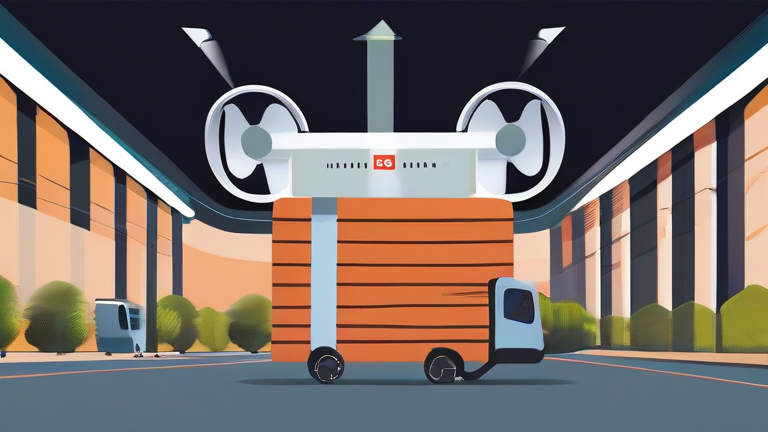
TL;DR: Autonomous delivery drones have successfully transitioned from experimental prototypes to essential infrastructure in dense urban environments, significantly reducing last-mile delivery costs and carbon emissions. This shift is driven by rapid advancements in navigation AI, regulatory frameworks, and the urgent need for efficient logistics solutions in crowded cities.
The Rise of Aerial Last-Miles
The logistics sector is undergoing a seismic shift as autonomous delivery drones move from niche pilot programs to mainstream urban operations. With global e-commerce sales continuing their exponential growth, traditional ground-based delivery methods are struggling to cope with traffic congestion and rising labor costs. Drones offer a compelling solution by bypassing road infrastructure entirely, delivering packages in minutes rather than hours. This efficiency is not just a convenience; it is becoming a competitive necessity for retailers aiming to meet consumer expectations for same-day or even one-hour delivery.
If you want to dig deeper, check out our guide on Top 10 Tech Trends Shaping the Future in 2024.

Market Analysis and Strategic Insights
Market analysis indicates that the commercial drone delivery market is projected to grow at a compound annual growth rate (CAGR) of over 20% through 2030. Key drivers include the integration of drone technology with existing warehouse management systems and the development of vertical takeoff and landing (VTOL) hubs in urban centers. Strategically, companies are adopting a hybrid approach, combining ground fleets with aerial units to optimize coverage. This diversification allows businesses to handle heavy or large items via trucks while utilizing drones for lightweight, high-priority parcels. Furthermore, sustainability is a major strategic lever; electric drones produce zero direct emissions, aligning with corporate ESG goals and appealing to environmentally conscious consumers.
Case Studies in Urban Logistics
Several pioneering companies have demonstrated the viability of this model. Zipline, operating in Rwanda and the United States, has successfully delivered medical supplies and retail goods using fixed-wing drones, proving the reliability of autonomous systems in complex environments. In the UK, Wing (a subsidiary of Alphabet) has launched regular commercial delivery services in Canberra and parts of Virginia, utilizing a sophisticated app interface that allows customers to track their packages in real-time. These case studies highlight that success depends not just on the technology, but on seamless user experience, robust safety protocols, and strong community engagement. By addressing noise concerns and ensuring precise landing zones, these companies have mitigated public resistance, turning potential skeptics into loyal customers.
FAQ
Q: What are the primary safety concerns associated with urban drone delivery?
A: The primary safety concerns include the risk of collisions with buildings, other aircraft, or pedestrians, as well as the potential for mechanical failure. To mitigate these risks, drones are equipped with redundant sensors, automatic obstacle avoidance systems, and strict geofencing protocols that restrict operations to designated safe zones.
Q: How do regulatory frameworks impact the expansion of drone logistics?
A: Regulatory frameworks dictate where and when drones can fly, directly influencing route planning and service hours. Strict regulations can slow down expansion, but as governments establish clear standards for privacy, noise, and safety, they also provide the legal certainty needed for businesses to invest heavily in this infrastructure.
Q: What is the typical payload capacity and range for current commercial delivery drones?
A> Most current commercial delivery drones have a payload capacity ranging from 2 to 5 pounds, suitable for small parcels like documents, food, and medicine. Their operational range typically extends up to 15 to 30 miles round-trip, depending on battery technology and weather conditions, making them ideal for dense urban last-mile delivery.
Leave a Reply