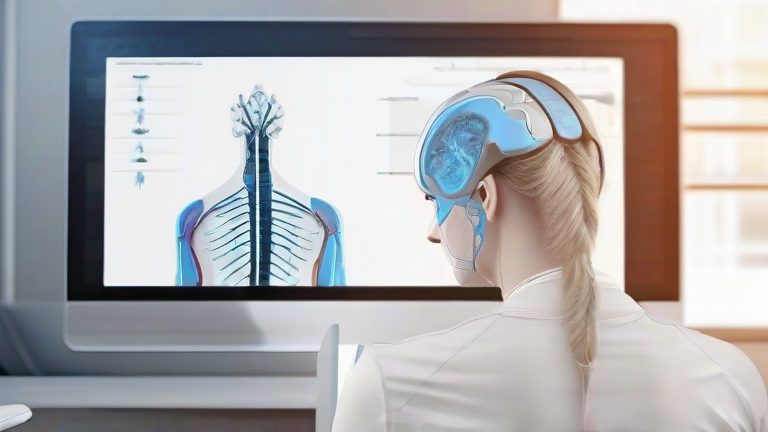
TL;DR: Neurotechnology aids spinal injury recovery by using electrical stimulation and brain-computer interfaces to bypass damaged neural pathways, restoring communication between the brain and body. These innovative devices, combined with rigorous physical therapy, are significantly improving motor function and quality of life for patients with severe spinal cord injuries.
Spinal cord injuries (SCIs) have traditionally been viewed as permanent, irreversible conditions. However, recent breakthroughs in neurotechnology are challenging this notion, offering hope to millions worldwide. By leveraging advanced engineering and neuroscience, these technologies are not just managing symptoms but actively promoting neural regeneration and functional recovery. This article explores how these cutting-edge tools work and how patients can integrate them into a holistic wellness plan.
If you want to dig deeper, check out our guide on Quantum Computing Achieves Commercial Error Correction.
How Neurotechnology Works
At the core of modern spinal injury treatment is the concept of neuroplasticity—the brain’s ability to reorganize itself by forming new neural connections. Neurotechnology devices facilitate this process in two primary ways: epidural electrical stimulation (EES) and brain-computer interfaces (BCIs). EES involves implanting electrodes along the spinal cord to deliver targeted electrical pulses. These pulses mimic the natural signals that the brain sends to muscles, effectively “jump-starting” the nervous system below the injury site. Over time, this consistent stimulation helps strengthen remaining neural pathways and can lead to voluntary movement in paralyzed limbs.

Brain-computer interfaces take this a step further by reading brain activity directly. When a patient thinks about moving their arm or leg, the BCI detects these specific neural patterns and translates them into commands for external devices or implanted stimulators. This direct link allows for more intuitive control and has shown remarkable success in restoring basic motor functions. Studies published in recent years demonstrate that patients using these systems can perform tasks like standing, walking with assistance, and even grasping objects, marking a paradigm shift in rehabilitation medicine.
Lifestyle Tips for Enhanced Recovery
While technology provides the mechanical support, lifestyle factors play a crucial role in maximizing recovery outcomes. Nutrition is paramount; a diet rich in anti-inflammatory foods, omega-3 fatty acids, and antioxidants supports neural health and reduces secondary damage. Patients are encouraged to consult with nutritionists to tailor diets that promote nerve repair and overall vitality. Hydration is equally important, as it maintains blood flow and nutrient delivery to injured tissues.
Mental health cannot be overlooked. The psychological impact of SCI is profound, and stress can hinder physiological recovery. Mindfulness practices, meditation, and cognitive-behavioral therapy have been shown to reduce stress hormones that may impede healing. Furthermore, consistent, guided physical therapy is essential. Even small, repetitive movements facilitated by neurotechnology can retrain the brain. Patients should work closely with healthcare providers to create a sustainable routine that balances technological assistance with active participation. Social support networks also provide emotional resilience, which is vital for long-term adherence to rehabilitation protocols. By combining high-tech solutions with a healthy, mindful lifestyle, individuals can navigate their recovery journey with greater agency and optimism.
FAQ
Q: Is neurotechnology a complete cure for spinal cord injuries?
A: No, it is not a complete cure but a powerful tool that restores significant function and improves quality of life for many patients.
Q: Are these procedures covered by insurance?
A: Coverage varies by region and provider; some insurance plans cover FDA-approved devices, while others may require special authorization or appeals.
Q: How long does rehabilitation with neurotechnology take?
A: Rehabilitation is a long-term process, often lasting months to years, with progress depending on the severity of the injury and individual response.
Leave a Reply