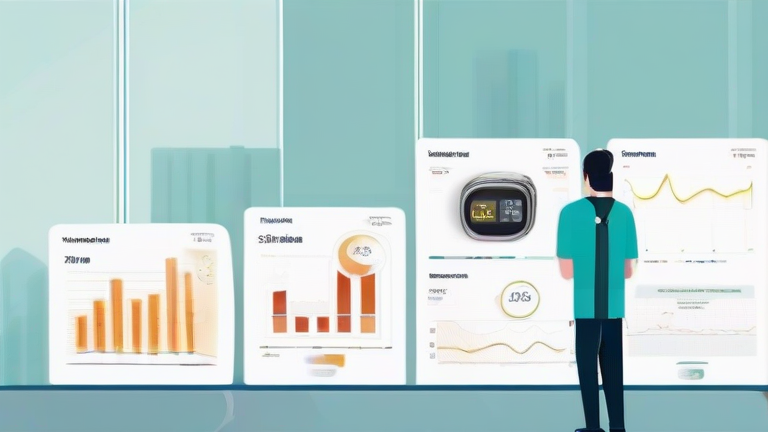
TL;DR: Select FDA-cleared wearable devices that sync with your healthcare provider’s recommended platform to accurately track specific chronic disease metrics. Consistently calibrate these tools and maintain open communication with your medical team to translate raw data into actionable health improvements.
Choosing the Right Device
The first step in leveraging wearable technology for chronic disease management is selecting a device that aligns with your specific medical needs. Not all fitness trackers are created equal, and accuracy varies significantly between brands. For conditions like diabetes, look for continuous glucose monitors (CGMs) that offer real-time alerts. For cardiovascular issues, choose devices with clinically validated heart rate and blood pressure monitoring capabilities. Always verify that the device is FDA-cleared or CE-marked for medical use, rather than just general wellness tracking. This distinction ensures the data you collect meets the rigorous standards required for medical decision-making.
If you want to dig deeper, check out our guide on 10 Proven Business Growth Strategies for 2024.

Setup and Calibration
Once you have acquired your device, proper setup is crucial for data integrity. Begin by downloading the companion app and creating an account linked to your healthcare provider if possible. Many modern platforms allow secure sharing of data with doctors, streamlining the review process during appointments. Follow the manufacturer’s instructions for initial calibration, which often involves resting for a few minutes before the first reading. For glucose monitors, apply the sensor to the upper arm as directed, ensuring the site is clean and free of lotions. Consistency in placement and timing helps reduce variability in readings, providing a clearer picture of your health trends over time.
Daily Integration and Monitoring
Integrating your wearable into your daily routine requires discipline and awareness. Wear the device consistently, ideally keeping it on 24/7 to capture sleep patterns and resting heart rates, which are critical indicators of overall health. Pay attention to the feedback provided by the device. If you receive an alert regarding irregular heart rhythms or abnormal glucose levels, do not ignore it. Document these episodes in a journal or the app’s log feature, noting what you were doing, eating, or feeling at the time. This context transforms raw numbers into meaningful insights. Additionally, ensure your device’s battery is charged regularly to prevent gaps in data collection, which can obscure important trends.
Tips for Success
To maximize the benefits of your wearable tech, establish a routine for reviewing your data weekly. Look for patterns rather than focusing on single-day anomalies. Share these summaries with your healthcare provider to adjust treatment plans proactively. Regularly update your device’s firmware to ensure you have the latest accuracy improvements and security patches. Finally, stay hydrated and maintain skin hygiene where the sensor attaches to prevent irritation, ensuring long-term comfort and consistent performance.
FAQ
Q: Can I use wearable tech instead of seeing a doctor?
A: No, wearable devices are tools for monitoring and data collection, not replacements for professional medical diagnosis or treatment.
Q: How accurate are consumer-grade wearables for medical use?
A: Accuracy varies; always choose devices explicitly cleared for medical purposes, as standard fitness trackers may lack clinical validation.
Q: What should I do if the device gives conflicting readings?
A: Re-calibrate the device, check for proper fit, and consult your healthcare provider to interpret the data in the context of your symptoms.
Leave a Reply