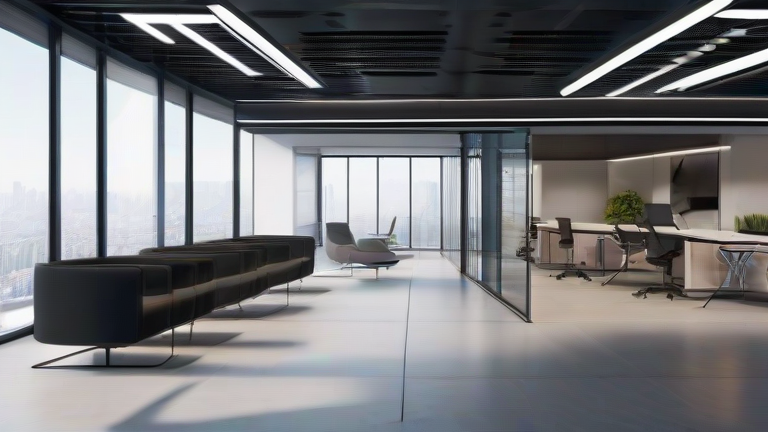
TL;DR: Metaverse offices will likely complement rather than completely replace physical headquarters by 2040, offering hybrid flexibility. This shift prioritizes mental health by reducing commute stress while demanding new digital wellness boundaries to prevent virtual fatigue.
The Digital Headquarters Revolution
The concept of a fully virtual workplace is no longer science fiction. As immersive technologies mature, companies are experimenting with “metaverse offices” where employees interact via avatars in persistent 3D spaces. This transition promises to dissolve geographical barriers, allowing talent from anywhere to collaborate seamlessly. However, the replacement of physical HQs is not a simple swap; it is a complex evolution of how we define “work” and “presence.”

While the allure of working from a virtual beach or a futuristic skyscraper is strong, the health implications are significant. Proponents argue that eliminating daily commutes reduces carbon footprints and stress levels, directly benefiting cardiovascular health. A study published in the *Journal of Occupational Health Psychology* suggests that flexible work arrangements can lower cortisol levels, leading to better emotional regulation and job satisfaction. Yet, the absence of physical boundaries can lead to “always-on” culture, where the line between professional and personal life blurs dangerously.
Science-Backed Wellness in Virtual Spaces
To thrive in this new era, workers must adopt proactive digital hygiene. First, practice the “20-20-20 rule”: every twenty minutes, look at something twenty feet away for twenty seconds to reduce digital eye strain. Second, establish rigid “shutdown rituals.” Just as you would leave a physical building, close your laptop and step away from the screen to signal the end of the workday. This helps the brain transition out of work mode, improving sleep quality and mental recovery.
Lifestyle tips are crucial for maintaining physical health. Sedentary behavior in virtual meetings is a major risk factor for metabolic syndrome. Schedule “movement breaks” every hour to stretch, walk, or perform light exercises. Incorporate mindfulness practices like deep breathing or short meditation sessions between meetings to reset your nervous system. These small habits counteract the physiological toll of prolonged screen time and virtual isolation.
Furthermore, social connection in the metaverse should mimic real-world interactions. Virtual watercooler chats are valuable but must be structured to avoid superficiality. Encourage video-enabled interactions when possible to read non-verbal cues, fostering deeper empathy and team cohesion. Remember that presence is not just about being online; it is about being mentally engaged and emotionally present.
Conclusion
The future of work is hybrid, blending the efficiency of digital tools with the human touch of physical interaction. By setting clear boundaries and prioritizing physical and mental health, employees can navigate the metaverse office without sacrificing well-being. The goal is not to escape reality but to enhance it through technology, ensuring that our digital workplaces support, rather than hinder, our health and happiness.
FAQ
Q: Will metaverse offices completely eliminate the need for physical office buildings?
A: No, most experts predict a hybrid model where physical HQs serve for collaboration and culture, while metaverse spaces handle routine tasks.
If you want to dig deeper, check out our guide on How Neurotech Headsets Enhance Sleep Quality.
Q: How can I prevent “Zoom fatigue” in virtual meetings?
A: Limit meeting durations, use camera-off breaks for listening-only sessions, and take regular visual breaks to reduce cognitive load.
Q: Is social interaction in the metaverse as effective as in-person?
A: It can be effective for information exchange but may lack the emotional depth of face-to-face interaction, so intentional social efforts are required.
Leave a Reply