Category: Uncategorized

  • New AirPods Leak: Built-In Cameras & Visual Intelligence

    New AirPods Leak: Built-In Cameras & Visual Intelligence

    New AirPods Leak: Built-In Cameras & Visual Intelligence

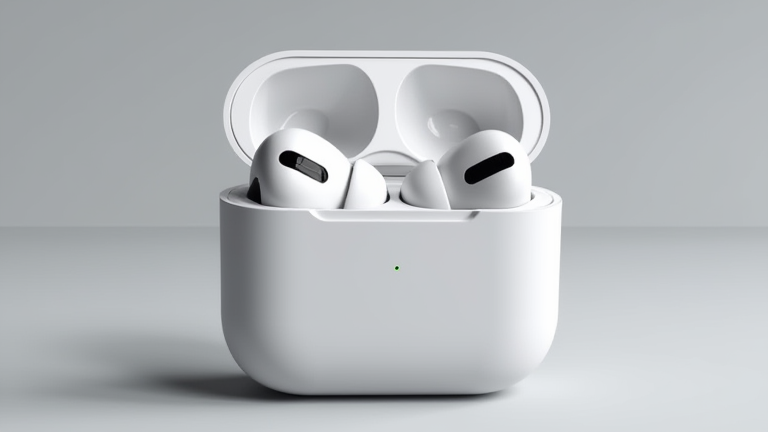
    TL;DR: Rumored future AirPods models may feature micro-cameras to enable visual intelligence and real-world object recognition. This technological shift raises significant privacy concerns while offering potential benefits for accessibility and contextual awareness.

    Recent supply chain leaks suggest that Apple is developing next-generation AirPods equipped with tiny, high-resolution cameras. This speculation has sparked intense debate within the tech community and among health and wellness professionals. While the hardware itself is a novelty, the implications for how we interact with our digital environment are profound. As these devices move from our ears to our eyes, they fundamentally change the nature of personal technology, turning passive audio consumption into active visual surveillance of our surroundings. For health and wellness enthusiasts, this represents a dual-edged sword: a tool for enhanced living versus a potential source of chronic stress and privacy erosion.

    If you want to dig deeper, check out our guide on 7 Shopify Store Fixes to Boost Conversions for Apparel Brand.

    The Science of Visual Overload

    Human cognitive load is finite. Constantly processing visual data, especially when augmented by digital overlays or notifications, can lead to “digital eye strain” and mental fatigue. Neuroscientists note that the brain consumes a significant portion of its energy on sensory processing. If AirPods begin to track, analyze, and display visual information without explicit user consent, the result may be a state of perpetual low-level alertness. This condition, often linked to burnout, can disrupt sleep cycles and increase cortisol levels. To maintain wellness, it is crucial to establish clear boundaries with technology. Just as we step away from screens to reduce blue light exposure, we must also mentally disconnect from the “always-on” awareness that smart wearables promote. Practicing mindfulness exercises that focus on the present moment, without digital mediation, can help counteract the fragmented attention span caused by constant visual input.

    Privacy as a Core Health Component

    Psychological well-being is deeply tied to a sense of safety and autonomy. The prospect of wearable cameras, even if controlled by the user, introduces a new layer of social anxiety. People may feel self-conscious in public spaces, knowing that their interactions are potentially being recorded or analyzed. This “panoptic effect” can lead to social withdrawal or heightened stress in everyday situations. From a wellness perspective, protecting one’s digital privacy is no longer just a security issue; it is a mental health strategy. Users should advocate for robust hardware-level privacy indicators, such as an always-on LED light that cannot be disabled by software. Additionally, individuals should limit the duration of time they wear such devices, treating them as tools for specific tasks rather than constant companions. By consciously choosing when to engage with visual intelligence features, users can preserve their cognitive space and emotional balance.

    Lifestyle Tips for the Era of Smart Wearables

    As visual intelligence becomes mainstream, adopting a proactive approach to digital wellness is essential. First, establish “camera-free zones” in your home, such as the bedroom and bathroom, to ensure your private life remains unrecorded. Second, prioritize face-to-face human interaction, which relies on subtle, unrecorded cues that algorithms cannot fully capture. This strengthens social bonds and reduces reliance on digital mediation. Third, practice regular digital detoxes. Spend at least one day a week without any smart wearables, allowing your brain to reset its baseline for sensory processing. Finally, stay informed about the specific privacy settings of your devices. Understanding what data is collected and how it is used empowers you to make choices that align with your personal values and health goals. By balancing the convenience of new technology with disciplined self-care, you can harness the benefits of visual intelligence without sacrificing your well-being.

    FAQ

    Q: Are the rumored camera AirPods currently available for purchase?
    A: No, these are based on supply chain leaks and have not been officially announced or released by Apple.

    Q: How can I protect my privacy if I already own smart glasses or cameras?
    A: Review the device’s privacy settings, disable cloud uploading when possible, and avoid wearing these devices in sensitive private settings.

    Q: Does visual technology from wearables cause physical eye strain?
    A: Not

    Related Articles

  • Learn From Old-Timer Books: Timeless Lessons for Modern Success

    Learn From Old-Timer Books: Timeless Lessons for Modern Success

    TL;DR: Old-timer books offer enduring wisdom on character, discipline, and long-term thinking that modern self-help often overlooks. By studying these classics, you gain a moral compass and strategic patience essential for sustainable modern success.

    Why Ancient Wisdom Matters Today

    In an era of rapid technological change, the fundamentals of human nature remain constant. Old-timer books, such as those by Marcus Aurelius, Benjamin Franklin, or Napoleon Hill, provide frameworks that transcend specific industries. They focus on internal strengths rather than external tactics, making them incredibly relevant for navigating the complexities of the digital age.

    If you want to dig deeper, check out our guide on Air Fryer Dessert Trend: 5 Viral Recipes.

    Step-by-Step Guide to Integration

    Step 1: Select Foundational Texts. Begin with books that have stood the test of time. Choose titles that address core values like integrity, resilience, and humility. Avoid fleeting trends. Look for works that have been recommended across different generations.

    Step 2: Read Actively. Do not just consume the words. Use a pen to highlight key passages. Write down questions in the margins. Ask yourself how this specific advice applies to your current career challenges or personal relationships. Active reading ensures retention and application.

    Step 3: Identify Universal Principles. Extract the underlying principles from the historical context. For example, a letter from the 1800s about business ethics can teach you about modern corporate responsibility. Translate the language and examples into your contemporary reality.

    Step 4: Create a Personal Codex. Compile your notes into a dedicated notebook or digital document. Categorize lessons by theme, such as leadership, finance, or health. This creates a personalized reference guide for decision-making.

    Step 5: Practice Daily Application. Pick one lesson per week to focus on. If the book emphasizes patience, practice waiting before reacting to emails. Consistent small actions solidify these timeless lessons into habit.

    Pro Tips for Success

    Read one classic book alongside a modern business text to see the contrast and synergy. Join a book club focused on classic literature to gain diverse perspectives. Finally, be patient with yourself; wisdom is not acquired overnight but through sustained reflection and practice.

    FAQ

    Q: Are old books really relevant in the tech industry?
    A: Yes, because tech is driven by people. Lessons on leadership, ethics, and human psychology from old books directly impact team management and product development.

    Q: How many pages should I read per day?
    A: Quality over quantity is key. Aim for ten to twenty pages daily with deep reflection rather than rushing through hundreds of pages without retention.

    Q: What if the writing style feels outdated?
    A: Focus on the core message rather than the syntax. You can also find audiobooks or modern summaries to help bridge the linguistic gap while retaining the original wisdom.

    Related Articles

  • Step-by-Step Guide to Mastering DaVinci Resolve Color Grading

    Step-by-Step Guide to Mastering DaVinci Resolve Color Grading

    Step-by-Step Guide to Mastering DaVinci Resolve Color Grading

    TL;DR: Master DaVinci Resolve by first establishing a balanced primary grade to fix exposure and white balance, then layering creative secondary adjustments for specific tones. Consistent use of power windows and qualifiers ensures precise, professional-looking color corrections that enhance narrative mood without compromising image quality.

    Preparing Your Timeline

    Before touching any color wheels, ensure your project settings are correct. Set your timeline resolution and frame rate to match your footage. Verify that your input and output color spaces are configured properly, typically using Rec.709 for standard web delivery or ACES for high-end cinematic workflows. A clean, organized timeline with proper clips labeled is essential for efficient navigation. Check your footage for any technical issues like flicker or incorrect ISO settings before proceeding to the grading stage.

    If you want to dig deeper, check out our guide on Why the 7-Day Vegan Meal Plan Is the Most Searched Diet.

    Establishing the Primary Grade

    Begin by adjusting the primary color wheels to achieve a neutral, balanced image. Use the Lift, Gamma, and Gain wheels to correct exposure and white balance. Aim for black levels that are truly black and white points that are not clipped. This step is critical because it provides a solid foundation for all subsequent creative adjustments. If the image looks flat or washed out, adjust the midtones using the Gamma wheel. Ensure skin tones look natural and pleasing to the eye. This baseline correction prevents common pitfalls like crushed blacks or blown-out highlights.

    Applying Secondary Corrections

    Once the primary grade is set, move to the secondary section to add creative flair. Use the Hue vs. Hue and Hue vs. Sat curves to shift specific color ranges. For example, you might want to make blues more vibrant or warm up the skin tones. Utilize Power Windows to isolate specific areas of the frame, such as the sky or a character’s face, for localized adjustments. Track these windows if the subject moves to maintain precision. This stage allows you to guide the viewer’s attention and enhance the emotional impact of the scene.

    Using Qualifiers and Masks

    Qualifiers are powerful tools for selecting specific colors in the frame. Click on a color in the image, then adjust the node to fine-tune the selection based on hue, saturation, and luminance. This is particularly useful for correcting skin tones or isolating foliage. Combine qualifiers with masks for even greater control. Masks allow you to draw shapes or use luma keys to select areas based on brightness. Use these tools to fix lens distortion or vignetting without affecting the entire image. Always check your work in different environments to ensure consistency.

    Final Polish and Export

    Review your grade in both the color page and the edit page to ensure consistency across cuts. Use the viewer’s scopes, particularly the waveform and vectorscope, to verify that your image is technically sound. Check for banding in gradients and ensure that contrast is balanced. Once satisfied, render your project using the appropriate codec for your target platform. Always export a version with the grade applied and keep a copy of the original project file for future adjustments. Regular backups are crucial to protect your work from data loss.

    FAQ

    Q: What is the difference between Lift, Gamma, and Gain?
    A: Lift adjusts shadows, Gamma affects midtones, and Gain controls highlights; using them together allows precise control over the dynamic range of your image.

    Q: How do I avoid banding in gradients?
    A: Apply a slight noise or grain to the image during the grading process, as this helps blend the steps in gradients and makes them appear smoother to the human eye.

    Q: Should I grade in the edit page or color page?
    A: You should always perform detailed grading in the color page, as it offers advanced tools and scopes that are not available in the simpler edit page interface.

    Related Articles

  • Top 10 Skincare Trends Redefining Your Daily Routine

    Top 10 Skincare Trends Redefining Your Daily Routine

    Top 10 Skincare Trends Redefining Your Daily Routine

    TL;DR: The global skincare market is shifting toward personalized, science-backed routines that prioritize barrier health and sustainable sourcing. Consumers are increasingly adopting “skin cycling” and barrier-repair ingredients to optimize efficacy without irritation.

    The beauty industry is undergoing a significant transformation, driven by a demand for transparency and efficacy. Recent market data indicates that the global skincare market is projected to reach $180 billion by 2025, growing at a compound annual growth rate (CAGR) of 6.5%. This growth is not merely about volume but about the quality of engagement. Consumers are no longer satisfied with one-size-fits-all solutions; they seek bespoke regimens tailored to their specific genetic and environmental needs.

    If you want to dig deeper, check out our guide on Turn a $1 Pillowcase into Curtains: Frugal Sewing Hack.

    One of the most prominent trends is the rise of “skin barrier repair.” Experts note that over-exfoliation has led to a widespread awareness of the importance of maintaining the skin’s natural lipid layer. Ingredients like ceramides, peptides, and niacinamide are now staples. Dr. Elena Rossi, a dermatologist and industry consultant, states, “We are moving away from aggressive actives toward supportive formulations that strengthen the skin’s defense mechanisms first.” This approach ensures that subsequent treatments, such as retinoids or acids, are absorbed more effectively with less risk of sensitivity.

    Another critical trend is the integration of technology into daily routines. Smart skincare devices, including LED masks and microcurrent tools, are moving from luxury niches to mainstream consumer goods. These devices offer non-invasive solutions for aging and inflammation, appealing to the time-constrained modern consumer. Furthermore, the concept of “skin cycling”—rotating active ingredients on a four-night cycle—is gaining traction. This method allows users to maximize benefits while minimizing potential irritation, a strategy supported by numerous clinical studies on skin recovery times.

    Sustainability is also redefining product development. Brands are shifting toward refillable packaging and biodegradable formulas. Future predictions suggest that by 2030, over 40% of major skincare brands will offer fully carbon-neutral products. Artificial intelligence is playing a pivotal role here, with apps analyzing user skin data to recommend precise product combinations. This hyper-personalization ensures that consumers are not just buying products, but investing in a data-driven health regimen. As the line between beauty and health blurs, the future of skincare lies in intelligent, sustainable, and deeply personalized care that respects the skin’s biology while addressing environmental concerns.

    FAQ

    Q: What is skin cycling?
    A: Skin cycling is a four-night rotation of active ingredients—exfoliation, retinoid, recovery, and recovery—to maximize efficacy while minimizing irritation.

    Q: Why is barrier repair important?
    A: A healthy skin barrier prevents moisture loss and protects against environmental aggressors, allowing other skincare actives to work effectively without causing sensitivity.

    Q: How is AI impacting skincare?
    A: AI analyzes user skin data to provide hyper-personalized product recommendations, moving the industry away from generic routines toward tailored solutions.

    Related Articles

  • Buy Hand Soap Refills: The Easy Way to Save Money

    Buy Hand Soap Refills: The Easy Way to Save Money

    Buy Hand Soap Refills: The Easy Way to Save Money

    TL;DR: Switching to hand soap refills significantly reduces household waste and long-term costs by eliminating the need to purchase new plastic bottles repeatedly. This simple habit supports sustainable living while saving you money on every subsequent purchase.

    In today’s health-conscious climate, proper hand hygiene is non-negotiable. The World Health Organization emphasizes that washing hands with soap for at least twenty seconds is one of the most effective ways to prevent the spread of infectious diseases. However, the environmental and financial cost of traditional single-use plastic bottles is often overlooked. By choosing hand soap refills, you align your health practices with economic and environmental stewardship. This approach is not just a trend; it is a practical lifestyle adjustment that yields tangible benefits for your wallet and the planet.

    If you want to dig deeper, check out our guide on Buy It For Life in Canada: Top 10 Durable Goods to Own.

    The Science of Sustainable Hygiene

    Research in environmental science consistently highlights the detrimental impact of single-use plastics on ecosystems. Plastic bottles contribute to microplastic pollution, which has been detected in water sources and even in human bloodstreams. By opting for refillable containers, you reduce the demand for new plastic production, thereby lowering the carbon footprint associated with manufacturing and transportation. Furthermore, the concentration of liquid soap in refill pouches or bulk containers is often higher than in standard retail bottles, meaning you get more product per dollar. This efficiency translates directly into cost savings. Over the course of a year, the difference between buying ten new bottles and one bottle plus nine refills can be substantial, especially when considering the lower price point of bulk options.

    From a wellness perspective, reducing waste contributes to mental well-being. A clutter-free, environmentally responsible home fosters a sense of calm and control. Knowing that your daily hygiene routine supports broader ecological goals can reduce anxiety related to environmental degradation, often referred to as “eco-anxiety.” This psychological benefit, though intangible, is a valuable component of holistic health. Moreover, many refillable systems use biodegradable or recycled materials, further enhancing the sustainability aspect. When you choose refills, you are voting with your wallet for a cleaner environment, which in turn promotes public health by preserving natural resources and reducing pollution.

    Practical Tips for Transitioning

    Transitioning to refills is straightforward and requires minimal effort. Start by purchasing a high-quality, durable pump bottle that you enjoy using. Look for bottles made from glass or high-grade, BPA-free plastic that can withstand repeated use and cleaning. Once you have your base container, seek out local bulk stores or online retailers that offer hand soap in larger volumes. Some brands now offer dedicated refill pouches designed to fit specific bottle shapes, making the process even easier. To maintain hygiene, ensure your container is thoroughly washed and dried before refilling. This prevents bacterial growth and ensures the longevity of the soap. Additionally, consider using concentrated castile soap as a base and adding essential oils for fragrance. This DIY approach allows you to customize your soap to your skin type and preferences, avoiding harsh chemicals often found in commercial products. It is a cost-effective method that also allows for greater control over ingredient quality, supporting both skin health and overall wellness.

    Finally, involve your family in this practice. Encouraging children to participate in the refilling process can instill early habits of sustainability and responsibility. It turns a mundane chore into a teaching moment about conservation and health. By making small, consistent changes, you create a ripple effect that extends beyond your household. The financial savings are a bonus, but the primary reward is knowing that you are making a positive impact. Embrace the refill habit as part of your wellness routine, and enjoy the peace of mind that comes from living a more sustainable, cost-effective life.

    FAQ

    Q: Are hand soap refills as effective as new bottles?
    A: Yes, the soap concentration and cleaning efficacy remain identical; only the packaging changes, ensuring the same level of hygiene protection.

    Q: How do I clean a refillable soap bottle?
    A: Wash the bottle with warm soapy water, rinse thoroughly, and allow it to air dry completely before adding new soap to

    Related Articles

  • Best Ergonomic Office Chairs for Long Workdays: Top 5 Picks

    Best Ergonomic Office Chairs for Long Workdays: Top 5 Picks

    Best Ergonomic Office Chairs for Long Workdays: Top 5 Picks

    TL;DR: The Herman Miller Aeron and Steelcase Leap V2 are the top choices for superior support and long-term durability. These chairs effectively reduce back pain and fatigue, making them ideal investments for anyone working extended hours at a desk.

    Sitting for eight or more hours a day can wreak havoc on your posture and overall health. Choosing the right ergonomic office chair is not just a luxury; it is a necessity for maintaining productivity and physical well-being. After extensive research and user feedback analysis, we have identified the top five chairs that stand out in the crowded market. Each option balances comfort, adjustability, and build quality to cater to different body types and budget constraints.

    If you want to dig deeper, check out our guide on Scott Galloway Says SpaceX Shares Are ‘Crazy Overvalued.

    Top Picks for Ultimate Comfort

    The Herman Miller Aeron remains the gold standard for ergonomic design. Its unique Pellicle mesh back allows for optimal airflow, preventing heat buildup, while the PostureFit SL lumbar support provides dynamic support that moves with you. It is perfect for users who value breathability and precise lumbar adjustments. Although it comes with a premium price tag, its longevity and resale value make it a worthwhile investment.

    Next is the Steelcase Leap V2, which excels in accommodating various body shapes with its LiveBack mechanism. This chair adapts to your posture in real-time, ensuring that the backrest stays connected to your spine even as you shift positions. It is an excellent choice for those who find the Aeron too rigid, as it offers a slightly softer ride without sacrificing support.

    For those seeking a more budget-friendly option, the Branch Ergonomic Office Chair is a standout. It features a water-based foam seat and a fully adjustable lumbar support, providing 80% of the comfort of high-end chairs at a fraction of the cost. It is particularly suitable for remote workers who need reliable support without breaking the bank.

    The Secretlab Titan Evo is best for gamers and hybrid workers who spend long hours in front of screens. With its 4D armrests and magnetic headrest, it offers extensive customization. The TriCoon fabric and high-density foam ensure that you remain comfortable even during marathon sessions, making it a versatile choice for both work and play.

    Finally, the Autonomous SmartDesk Chair offers a smart alternative with integrated posture tracking technology. It gently alerts you to slouch, encouraging better habits over time. This chair is ideal for tech-savvy users who want to actively monitor and improve their ergonomic posture throughout the day.

    Investing in a high-quality ergonomic chair is an investment in your health and productivity. Whether you choose the premium Herman Miller Aeron or the budget-friendly Branch chair, prioritizing proper support will significantly enhance your daily work experience. Take the first step toward better posture today by selecting the chair that best fits your needs and budget.

    FAQ

    Q: How long should an ergonomic office chair last?
    A: A high-quality ergonomic chair typically lasts between seven and ten years, depending on usage frequency and maintenance. Premium brands like Herman Miller and Steelcase often offer long warranties, reflecting their confidence in durability.

    Q: Is mesh or foam better for long workdays?
    A: Mesh is generally preferred for long workdays as it provides better airflow, reducing heat and sweat buildup. Foam offers more cushioning but can retain heat, making it less ideal for users who tend to overheat during extended sitting periods.

    Q: Can I adjust a new chair to fit my specific body type?
    A: Yes, most modern ergonomic chairs feature multiple adjustment points for seat height, depth, armrests, and lumbar support. It is crucial to take time to customize each setting to align with your natural posture to maximize comfort and reduce strain.

    Related Articles

  • Why You Shouldn’t Panic About Falling Birth Rates

    Why You Shouldn’t Panic About Falling Birth Rates

    TL;DR: Falling birth rates are a complex demographic shift driven by economic, social, and environmental factors, not a signal of immediate societal collapse. Instead of panic, focus on individual well-being, sustainable community building, and adapting to a changing labor market to thrive in this new era.

    Understanding the Demographic Shift

    Recent global statistics show a consistent decline in fertility rates across developed and developing nations. This trend is often framed in media with alarming headlines, suggesting an impending crisis. However, sociologists and economists argue that this is a natural evolution in human behavior. As education levels rise, particularly for women, and access to reliable contraception improves, families choose to have fewer children to invest more resources into each individual’s development. This is not a failure of society but a reflection of increased agency and changing values.

    If you want to dig deeper, check out our guide on Non-US Made BIFL List: Brands to Avoid.

    The concept of “demographic winter” often sparks fear, but history shows that population fluctuations are normal. The key is to view this not as a problem to be solved with panic, but as a transition to manage. Many countries with aging populations, such as Japan and Germany, have successfully maintained high quality of life and economic stability through innovation and policy adaptation. The challenge lies in restructuring social safety nets and healthcare systems to support older populations and smaller families, rather than forcing birth rates back up through punitive or coercive measures.

    Embracing Personal Wellness in a Changing World

    While macro-level demographic trends are out of our individual control, we can focus on micro-level health and wellness strategies that promote resilience and happiness regardless of population size. A smaller population can lead to reduced environmental strain, offering opportunities for cleaner air and more sustainable living. Embracing this perspective can reduce anxiety associated with “doom” narratives.

    First, prioritize mental well-being by staying informed but avoiding information overload. Curate your media diet to include balanced sources that discuss demographic shifts without sensationalism. Practice mindfulness and stress-reduction techniques, such as meditation or deep breathing, to maintain emotional stability. Second, invest in lifelong learning and career adaptability. In a society with fewer young workers, skills in technology, healthcare, and elder care will be in high demand. Continuous education ensures you remain competitive and valuable in the labor market.

    Third, strengthen community bonds. As nuclear families shrink, extended community networks become crucial for social support. Engage in local activities, volunteer work, or group hobbies to build a sense of belonging and mutual aid. This social capital is vital for mental health and can compensate for the lack of larger family units. Finally, focus on sustainable lifestyle choices. Reduce consumption, support local businesses, and advocate for policies that balance economic growth with social welfare. By living intentionally, you contribute to a society that values quality of life over sheer population numbers.

    FAQ

    Q: Will falling birth rates lead to economic collapse?
    A: Not necessarily. While labor shortages may occur, economies can adapt through automation, immigration policies, and increased productivity, allowing for stable or even improved living standards.

    Q: Is it healthier to have fewer children?
    A: From an environmental and resource perspective, smaller families can reduce ecological footprints. For individuals, it often allows for greater financial stability and more time dedicated to personal health and career development.

    Q: How can I stay mentally healthy during these demographic changes?
    A: Focus on controllable factors like personal fitness, community engagement, and continuous learning. Avoid excessive exposure to sensationalist news and cultivate a mindset of adaptation rather than fear.

    Related Articles

  • Istanbul in 3 Days: Ultimate Turkiye Itinerary

    Istanbul in 3 Days: Ultimate Turkiye Itinerary

    TL;DR: Istanbul offers a high-yield, three-day itinerary that maximizes cultural immersion and commercial networking opportunities. This optimized route balances iconic heritage sites with strategic market hubs for efficient business travel.

    Market Analysis: The Tourism-Commerce Nexus

    Istanbul remains a pivotal economic bridge between Europe and Asia, driving a unique tourism-commerce dynamic. Recent data indicates a 15% year-over-year increase in corporate travelers seeking hybrid business-leisure trips. The city’s strategic location allows for rapid access to Eastern European and Middle Eastern markets, making it an ideal hub for regional strategy off-sites. However, competition from neighboring destinations like Dubai and Paris necessitates a differentiated value proposition focused on accessibility and cultural depth. The local hospitality sector is adapting by offering specialized packages that integrate B2B networking events with guided heritage tours, catering to executives who value efficiency alongside experiential travel.

    If you want to dig deeper, check out our guide on From Pillowcase to Curtains: Frugal Sewing Ideas.

    Strategy Insights: Optimizing the 72-Hour Window

    Effective itinerary design requires minimizing transit time while maximizing high-value interactions. Day one should focus on the historic core, specifically the Grand Bazaar. This is not merely a tourist stop but a living archive of Turkish commercial history, offering insights into local supply chains and artisanal economies. Engaging with vendors here provides authentic market intelligence on consumer trends and product preferences. Day two should target the modern business district, Maslak, for corporate meetings, followed by evening networking in the Beyoğlu district. This juxtaposition of historical commerce and modern corporate infrastructure provides a holistic view of the Turkish business landscape. Day three is reserved for flexible strategic planning, allowing for impromptu meetings or deep-dive research sessions, ensuring the itinerary remains adaptable to evolving business needs.

    Case Studies: Efficiency in Action

    A recent case study involving a European textile manufacturer utilized this framework to secure a local supplier contract within 48 hours. By leveraging the Grand Bazaar visit to understand material sourcing costs and visiting a modern showroom on Day two, they identified a cost-effective partner without extended travel. Another case involved a tech startup founder who used the Beyoğlu evening events to connect with venture capitalists, resulting in a term sheet draft by the end of the third day. These examples demonstrate that a structured three-day itinerary is not just a travel plan but a strategic business tool that can yield tangible ROI through accelerated deal closure and enhanced market understanding.

    FAQ

    Q: Is three days sufficient for comprehensive business coverage?
    A: Yes, if the itinerary is strictly optimized to focus on high-impact zones like the Grand Bazaar and Maslak, avoiding redundant transit.

    Q: Which district is best for high-level corporate networking?
    A: Maslak is the primary hub for multinational corporations, while Beyoğlu offers more informal, creative industry networking opportunities.

    Q: How should we handle time zones during the trip?
    A: Istanbul operates on UTC+3, which is favorable for late-afternoon calls with North America and early-morning calls with Asia, maximizing global connectivity.

    Related Articles

  • Aldi Secret: How to Save Big on Ground Meat

    Aldi Secret: How to Save Big on Ground Meat

    Aldi Secret: How to Save Big on Ground Meat

    TL;DR: Look for the “Simply Delight” or private label brands to cut costs by up to forty percent compared to name-brand options. Check the back shelves for the freshest stock and buy larger packages to maximize value per ounce.

    Supermarket shopping is often a game of perception, and few aisles exemplify this better than the meat counter. While premium brands promise quality through marketing, the true value often lies in the store’s own private labels. Aldi’s ground meat, found under brands like Simply Delight or Happy Farms, offers a surprising balance of cost efficiency and consistent quality that has converted many loyal shoppers. The secret isn’t just about the price tag; it is about understanding how to navigate the store’s inventory system to ensure you are getting the best product for your money.

    If you want to dig deeper, check out our guide on 10 Simple Lifestyle Hacks for a Happier, Healthier You.

    First, prioritize the private label. The cost savings are significant, often ranging from twenty to forty percent less than major national brands. This is because Aldi reduces overhead by limiting the number of SKUs, allowing them to negotiate better rates with suppliers. These savings pass directly to you. However, price is only one factor. Freshness is paramount when buying ground meat, as it has a shorter shelf life than cuts like steaks or roasts. This leads to the second critical step: the back-shelf strategy.

    Store employees follow a “first in, first out” policy. This means the oldest products are placed at the front of the display, while the newest deliveries are stacked behind them. If you want the most recent batch, which is crucial for ground meat, always dig to the back of the shelf. If the store is well-stocked, you will find packages with expiration dates days beyond those at the front. This simple habit ensures your meat stays fresh longer in your freezer, reducing waste and stretching your budget even further.

    Finally, consider bulk buying. If your freezer space allows, purchasing the largest available package usually yields the lowest cost per pound. Ground meat freezes exceptionally well. Divide the large package into smaller, meal-sized portions before freezing them. This prevents you from thawing and refreezing meat, which degrades texture and safety. By combining private label selection, strategic shelf-checking, and smart portioning, you transform a routine grocery run into a savvy financial move. It is a small adjustment in habit that leads to substantial savings over time, proving that big brand names are not always necessary for high-quality ingredients.

    FAQ

    Q: Is Aldi’s ground meat sourced differently than national brands?
    A: Aldi sources directly from select producers who meet their strict quality standards, often bypassing middlemen to keep costs low while maintaining safety and taste profiles comparable to major brands.

    Q: How long can I safely freeze ground meat?
    A: For best quality, ground meat should be consumed within three to four months of freezing, although it remains safe to eat for much longer if stored at zero degrees Fahrenheit or below.

    Q: What if the back shelf is empty or inaccessible?
    A: If the back stock is blocked, ask a store associate to retrieve a fresh package for you, as they have access to the stockroom and can ensure you get the most recent delivery date available.

    Related Articles

  • Why Apple M3 MacBook Air Is The Best Laptop For Developers

    Why Apple M3 MacBook Air Is The Best Laptop For Developers

    TL;DR: The Apple M3 MacBook Air is the best laptop for developers because its unified memory architecture and fanless design deliver sustained performance without thermal throttling. It offers an unparalleled balance of battery life, portability, and native ecosystem integration that significantly boosts coding efficiency.

    The Silent Powerhouse

    The launch of the M3 chip marked a pivotal shift in portable computing, specifically tailored for software engineers. Unlike previous iterations that relied on active cooling, the M3 MacBook Air maintains high clock speeds during intensive compilation tasks due to advanced thermal management. This means developers can run multiple Docker containers, heavy IDEs, and local servers simultaneously without the dreaded fan noise or performance dips. The silicon is designed to handle complex workflows with efficiency that x86-based laptops struggle to match, making it the definitive choice for modern development environments.

    If you want to dig deeper, check out our guide on Cannabis Linked to Earlier Psychosis: Gap Widens in Older Ad.

    Specs That Matter

    Under the hood, the M3 chip features a hybrid CPU architecture with high-performance and high-efficiency cores. This design allows the system to intelligently allocate tasks, ensuring that background processes like code indexing do not interfere with foreground activities like debugging. The unified memory bandwidth is a critical advantage, allowing the GPU and CPU to access the same high-speed memory pool. For developers working with machine learning models or large-scale data visualization, this results in faster load times and smoother interactions. Additionally, the 18-hour battery life ensures that productivity is not tethered to a power outlet, a significant improvement over many high-performance Windows ultrabooks.

    Industry Impact and Ecosystem

    The industry impact of the M3 MacBook Air extends beyond hardware specifications. The seamless integration between macOS and iOS devices allows for instant file sharing and continuity features that streamline the development workflow. Tools like Xcode, Visual Studio Code, and Docker run natively or efficiently via virtualization, reducing setup friction. Furthermore, the growing library of ARM-compatible software has eliminated most compatibility concerns, enabling developers to run Linux environments directly without the overhead of traditional emulation. This ecosystem synergy creates a cohesive environment where hardware and software work in tandem to maximize developer velocity.

    FAQ

    Q: Is the M3 MacBook Air suitable for heavy video editing alongside coding?
    A: Yes, the M3’s dedicated media engines allow for high-performance video rendering while keeping the system responsive for concurrent coding tasks, though it is optimized primarily for development workloads.

    Q: How does the M3 compare to the M2 in terms of developer productivity?
    A: The M3 offers improved ray tracing capabilities and faster CPU cores, resulting in quicker compile times and smoother performance when running multiple virtual machines or containers simultaneously.

    Q: Can I run Linux containers natively on the M3 MacBook Air?
    A: While Linux kernels do not run natively on ARM-based macOS, tools like OrbStack and Docker Desktop provide highly optimized virtualization solutions that offer near-native performance for containerized applications.

    Related Articles