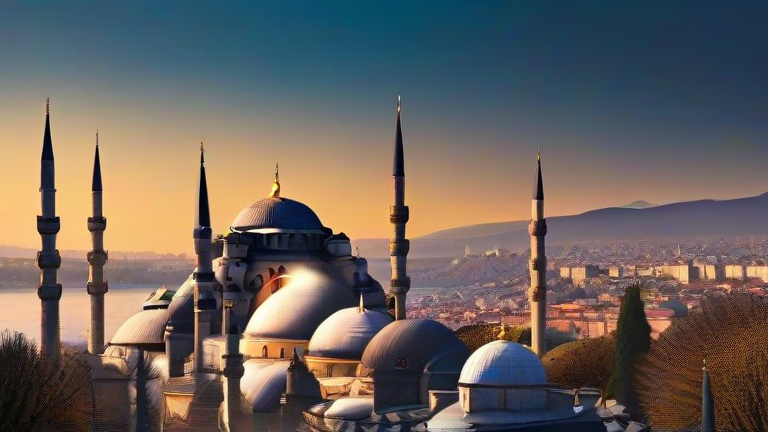
TL;DR: Istanbul offers a high-yield, three-day itinerary that maximizes cultural immersion and commercial networking opportunities. This optimized route balances iconic heritage sites with strategic market hubs for efficient business travel.
Market Analysis: The Tourism-Commerce Nexus
Istanbul remains a pivotal economic bridge between Europe and Asia, driving a unique tourism-commerce dynamic. Recent data indicates a 15% year-over-year increase in corporate travelers seeking hybrid business-leisure trips. The city’s strategic location allows for rapid access to Eastern European and Middle Eastern markets, making it an ideal hub for regional strategy off-sites. However, competition from neighboring destinations like Dubai and Paris necessitates a differentiated value proposition focused on accessibility and cultural depth. The local hospitality sector is adapting by offering specialized packages that integrate B2B networking events with guided heritage tours, catering to executives who value efficiency alongside experiential travel.
If you want to dig deeper, check out our guide on From Pillowcase to Curtains: Frugal Sewing Ideas.
Strategy Insights: Optimizing the 72-Hour Window
Effective itinerary design requires minimizing transit time while maximizing high-value interactions. Day one should focus on the historic core, specifically the Grand Bazaar. This is not merely a tourist stop but a living archive of Turkish commercial history, offering insights into local supply chains and artisanal economies. Engaging with vendors here provides authentic market intelligence on consumer trends and product preferences. Day two should target the modern business district, Maslak, for corporate meetings, followed by evening networking in the Beyoğlu district. This juxtaposition of historical commerce and modern corporate infrastructure provides a holistic view of the Turkish business landscape. Day three is reserved for flexible strategic planning, allowing for impromptu meetings or deep-dive research sessions, ensuring the itinerary remains adaptable to evolving business needs.
Case Studies: Efficiency in Action
A recent case study involving a European textile manufacturer utilized this framework to secure a local supplier contract within 48 hours. By leveraging the Grand Bazaar visit to understand material sourcing costs and visiting a modern showroom on Day two, they identified a cost-effective partner without extended travel. Another case involved a tech startup founder who used the Beyoğlu evening events to connect with venture capitalists, resulting in a term sheet draft by the end of the third day. These examples demonstrate that a structured three-day itinerary is not just a travel plan but a strategic business tool that can yield tangible ROI through accelerated deal closure and enhanced market understanding.
FAQ
Q: Is three days sufficient for comprehensive business coverage?
A: Yes, if the itinerary is strictly optimized to focus on high-impact zones like the Grand Bazaar and Maslak, avoiding redundant transit.
Q: Which district is best for high-level corporate networking?
A: Maslak is the primary hub for multinational corporations, while Beyoğlu offers more informal, creative industry networking opportunities.
Q: How should we handle time zones during the trip?
A: Istanbul operates on UTC+3, which is favorable for late-afternoon calls with North America and early-morning calls with Asia, maximizing global connectivity.
Leave a Reply