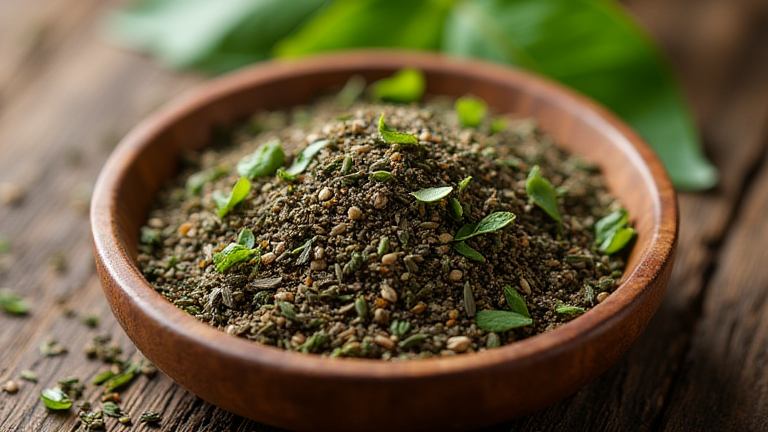
Dried Herbs vs. Herbs Brew: Key Benefits & Differences
TL;DR: Dried herbs offer concentrated flavor and long-term shelf stability, making them ideal for savory culinary applications and travel convenience. Conversely, fresh herb brews provide a vibrant, nutrient-rich experience that highlights delicate aromatic compounds best suited for immediate consumption and mindful relaxation.
In the modern landscape of food and lifestyle, the debate between using dried herbs in cooking versus preparing a fresh herbal brew is more than a culinary preference; it is a cultural journey. As travelers and food enthusiasts explore diverse cuisines, understanding the distinct roles these botanicals play allows for a deeper appreciation of global traditions. Dried herbs, such as oregano, thyme, and bay leaves, have been central to preservation techniques for centuries. Their concentrated oils make them indispensable in slow-cooked dishes, soups, and marinades, where they release their essence gradually. For the frequent traveler, dried herbs are the ultimate companion. They are lightweight, require no refrigeration, and can transform a simple hotel room meal into a comforting, home-style dish. This practicality aligns perfectly with the minimalist trend in personal growth, encouraging us to find richness in simplicity and resourcefulness.
If you want to dig deeper, check out our guide on Notion Tutorial: Build a Second Brain Dashboard in 5 Steps.
On the other hand, the ritual of brewing fresh herbs like peppermint, lemon balm, or chamomile offers a different kind of value. This practice is deeply rooted in wellness and mindfulness. When you steep fresh leaves in hot water, you are not just making a drink; you are engaging in a meditative act that slows down the pace of life. The volatile oils in fresh herbs are more potent in their initial state, offering a sharper, more complex flavor profile that dried versions often lose over time. Culturally, herbal teas serve as a bridge between communities, fostering connection and conversation. Whether in a bustling Tokyo tea house or a quiet garden in Provence, the act of sharing a fresh brew fosters a sense of presence and gratitude. This aspect of food culture reminds us that nourishment is not just physical but also emotional and social.
The key difference lies in application and intention. If you are looking to build a robust flavor foundation for a meal, dried herbs are your reliable ally. They are consistent, easy to store, and versatile across various cooking methods. However, if your goal is to enhance your daily wellness routine or enjoy a moment of calm, a fresh herb brew is superior. The freshness ensures higher levels of certain antioxidants and vitamins, providing a more direct health benefit. Furthermore, the preparation process of a fresh brew encourages a pause in your day, a small act of self-care that aligns with broader personal growth goals. It forces you to be present, to smell the aroma, and to taste the nuances that dried versions may obscure. By understanding these distinctions, you can make informed choices that elevate both your culinary skills and your daily well-being. Whether you are seasoning a pasta dish or sipping a calming tea, respecting the unique properties of each form allows you to fully experience the rich tapestry of herbal culture.
FAQ
Q: Which is better for preserving nutrients?
A: Fresh herbs generally retain more heat-sensitive vitamins and volatile oils, but dried herbs concentrate certain antioxidants and are better for long-term storage without nutrient loss.
Q: Can I use dried herbs as a direct substitute for fresh in a brew?
A: Yes, but you should use about one-third of the amount, as dried herbs are more potent; however, the flavor will be less delicate and complex than a fresh brew.
Q: How does travel affect the quality of dried herbs?
A: Dried herbs are highly travel-friendly as they are lightweight and shelf-stable, ensuring consistent flavor availability even when fresh ingredients are inaccessible in remote locations.
Leave a Reply