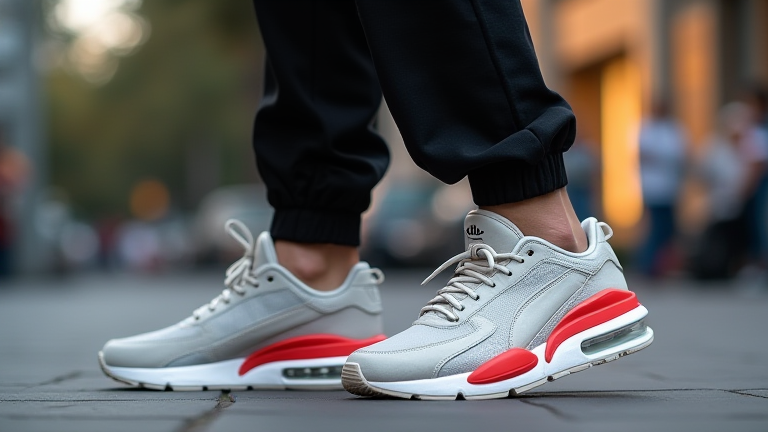
Top 7 Streetwear Trends Dominating Sneaker Culture Right Now
TL;DR: The current sneaker market is defined by a resurgence of retro silhouettes paired with sustainable materials and hyper-localized regional aesthetics. Investors and collectors are shifting focus from rare exclusivity to wearable versatility, driven by a demand for authenticity and eco-conscious production methods.
The global sneaker industry continues its robust expansion, with Statista projecting market revenues to reach $62.6 billion in 2024. This growth is not merely quantitative but qualitative, reflecting a deeper cultural integration of footwear into personal identity and professional wardrobes. As we analyze the top seven trends shaping this landscape, it becomes clear that the boundary between high fashion and streetwear has dissolved completely. Brands are no longer just selling shoes; they are selling narratives that resonate with a global, digitally connected audience seeking both status and substance.
If you want to dig deeper, check out our guide on Surviving on Dairy Alone: How Long Could You Last?.
First, the “Retro Revival” remains the dominant force. Icons like the Nike Air Max 90 and Adidas Samba are seeing unprecedented sales volumes. Market data indicates that retro models now account for nearly 40% of total sneaker sales. This trend is fueled by nostalgia among Gen Z and Millennials, who view these styles as timeless rather than dated. Second, sustainability has moved from a marketing buzzword to a core consumer requirement. A recent survey by McKinsey reveals that 54% of consumers are willing to pay a premium for products made with recycled or bio-based materials. Brands like Allbirds and Puma are leading this charge, utilizing algae foam and ocean-bound plastic to meet ethical standards without sacrificing performance.
Third, the rise of “Quiet Luxury” in streetwear has influenced sneaker design, favoring minimalist, monochromatic looks that pair easily with tailored clothing. This shift appeals to professionals who want sneaker culture without the overt logos. Fourth, regional exclusivity is replacing global drops. Instead of worldwide releases, brands are launching city-specific colorways, creating a sense of local pride and community. Fifth, technology integration is accelerating, with smart insoles and AI-driven fit algorithms becoming standard features in premium lines. Sixth, the secondary market is stabilizing, with resale prices becoming more predictable as supply chains improve. Finally, gender-fluid styling is mainstreaming, encouraging brands to design unisex lines that expand their customer base.
Expert insights suggest that the future lies in hybrid materials and circular economy models. By 2026, we predict that 30% of major sneaker releases will incorporate blockchain-based provenance tracking to combat counterfeits and enhance transparency. The industry is evolving from a hype-driven model to one of enduring value, where durability and ethical sourcing drive long-term loyalty. Consumers are no longer just chasing the latest drop; they are curating a closet of versatile, responsible, and culturally significant pieces. This maturation of the market signals a healthy, sustainable future for sneaker culture, where innovation serves both aesthetic and environmental goals.
FAQ
Q: Which sneaker trend is most profitable right now?
A: The retro revival is currently the most profitable trend, driving the majority of volume sales due to broad consumer appeal and nostalgic value.
Q: How is sustainability affecting sneaker prices?
A: Sustainable sneakers often command a price premium, as consumers are increasingly willing to pay more for eco-friendly materials and ethical production practices.
Q: Will sneaker reselling remain a viable investment strategy?
A: While resale markets are stabilizing, strategic buying of limited regional exclusives and classic retro models still offers potential for capital appreciation.
Leave a Reply