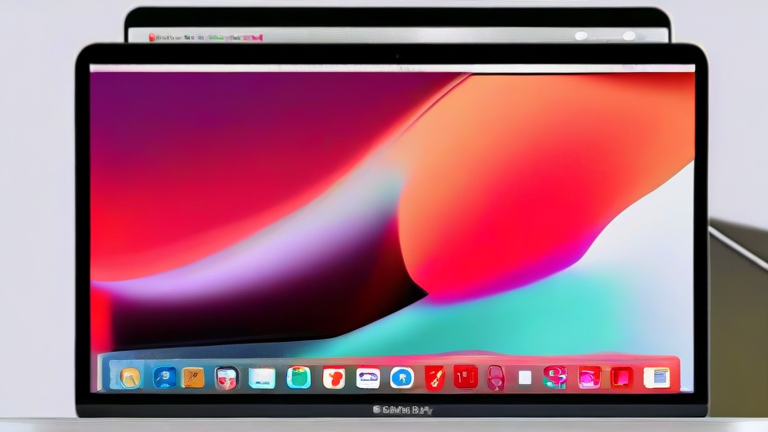
TL;DR: The Apple M3 MacBook Air is the best laptop for developers because its unified memory architecture and fanless design deliver sustained performance without thermal throttling. It offers an unparalleled balance of battery life, portability, and native ecosystem integration that significantly boosts coding efficiency.
The Silent Powerhouse
The launch of the M3 chip marked a pivotal shift in portable computing, specifically tailored for software engineers. Unlike previous iterations that relied on active cooling, the M3 MacBook Air maintains high clock speeds during intensive compilation tasks due to advanced thermal management. This means developers can run multiple Docker containers, heavy IDEs, and local servers simultaneously without the dreaded fan noise or performance dips. The silicon is designed to handle complex workflows with efficiency that x86-based laptops struggle to match, making it the definitive choice for modern development environments.
If you want to dig deeper, check out our guide on Cannabis Linked to Earlier Psychosis: Gap Widens in Older Ad.
Specs That Matter
Under the hood, the M3 chip features a hybrid CPU architecture with high-performance and high-efficiency cores. This design allows the system to intelligently allocate tasks, ensuring that background processes like code indexing do not interfere with foreground activities like debugging. The unified memory bandwidth is a critical advantage, allowing the GPU and CPU to access the same high-speed memory pool. For developers working with machine learning models or large-scale data visualization, this results in faster load times and smoother interactions. Additionally, the 18-hour battery life ensures that productivity is not tethered to a power outlet, a significant improvement over many high-performance Windows ultrabooks.
Industry Impact and Ecosystem
The industry impact of the M3 MacBook Air extends beyond hardware specifications. The seamless integration between macOS and iOS devices allows for instant file sharing and continuity features that streamline the development workflow. Tools like Xcode, Visual Studio Code, and Docker run natively or efficiently via virtualization, reducing setup friction. Furthermore, the growing library of ARM-compatible software has eliminated most compatibility concerns, enabling developers to run Linux environments directly without the overhead of traditional emulation. This ecosystem synergy creates a cohesive environment where hardware and software work in tandem to maximize developer velocity.
FAQ
Q: Is the M3 MacBook Air suitable for heavy video editing alongside coding?
A: Yes, the M3’s dedicated media engines allow for high-performance video rendering while keeping the system responsive for concurrent coding tasks, though it is optimized primarily for development workloads.
Q: How does the M3 compare to the M2 in terms of developer productivity?
A: The M3 offers improved ray tracing capabilities and faster CPU cores, resulting in quicker compile times and smoother performance when running multiple virtual machines or containers simultaneously.
Q: Can I run Linux containers natively on the M3 MacBook Air?
A: While Linux kernels do not run natively on ARM-based macOS, tools like OrbStack and Docker Desktop provide highly optimized virtualization solutions that offer near-native performance for containerized applications.
Leave a Reply