Category: Uncategorized

  • Rotating Pantry Month: Too Many Beans? 5 Easy Ways to Use Them

    Rotating Pantry Month: Too Many Beans? 5 Easy Ways to Use Them

    TL;DR: No, you do not have too many beans; you simply need to diversify your culinary approach beyond traditional stews and salads. By integrating legumes into unexpected formats like flours, snacks, and plant-based proteins, you can significantly reduce waste while capitalizing on current health trends.

    The Legume Renaissance

    The global pulse market is experiencing a remarkable surge, driven by a confluence of sustainability concerns and shifting consumer dietary preferences. Recent market analysis indicates that the global dried beans market is projected to grow at a CAGR of 4.5% through 2030, reaching an estimated value of $35 billion. This growth is not merely a fleeting fad but a structural shift in how consumers view food security and environmental impact. As climate change intensifies, pulses are increasingly recognized for their low water footprint and nitrogen-fixing properties, making them a cornerstone of regenerative agriculture. Industry experts, such as Dr. Elena Rossi of the Institute for Sustainable Food Systems, note that “the bean is no longer just a staple; it is a strategic commodity in the fight against climate change and protein deficiency.”

    Five Innovative Strategies

    To tackle the abundance of beans in your pantry, consider these five transformative methods. First, transform chickpeas into crispy roasted snacks seasoned with smoked paprika or rosemary, offering a high-fiber alternative to chips. Second, use white beans as a base for creamy, dairy-free soups and sauces, blending them with garlic and lemon for a luxurious texture without the heaviness of cream. Third, experiment with bean flours, such as black bean or lentil flour, to enrich baked goods with protein and fiber, subtly altering the nutritional profile of breads and muffins. Fourth, create vibrant dips by mashing black beans with cilantro, lime, and avocado, providing a nutrient-dense spread for tortillas or vegetables. Finally, incorporate cooked lentils into meatballs or burgers to extend volume and enhance nutrition, a technique widely adopted by chefs to reduce carbon footprints while maintaining satisfaction. These methods not only utilize existing stock but also introduce variety, preventing palate fatigue.

    Future Predictions

    Looking ahead, the bean industry is poised for further innovation. We anticipate a rise in plant-based meat alternatives that specifically highlight whole beans as primary ingredients, moving beyond processed soy isolates. Furthermore, technological advancements in fermentation may unlock new flavor profiles, making beans more appealing to younger demographics who currently perceive them as bland. As supply chains become more transparent, consumers will likely demand traceability, favoring locally sourced pulses that support regional farmers. This trend will likely drive a decentralization of production, empowering small-scale growers and reducing transportation emissions. The future of beans is bright, versatile, and essential for a sustainable food system.

    FAQ

    Q: How long do dried beans last in the pantry?
    A: Properly stored dried beans can last up to two years, though their cooking time may increase as they age.

    If you want to dig deeper, check out our guide on Top Frugal Advice: What Is Your Favorite Money-Saving Tip?.

    Q: Are canned beans as nutritious as dried ones?
    A: Yes, canned beans retain most nutrients, though rinsing them can reduce sodium content by up to 40 percent.

    Q: Can I freeze cooked beans?
    A: Absolutely, cooked beans freeze well for up to six months, making them a convenient ingredient for quick meals.
    Related Articles

  • Best Noise-Canceling Headphones for Travel: Sony WH-1000XM5 Review

    Best Noise-Canceling Headphones for Travel: Sony WH-1000XM5 Review

    Best Noise-Canceling Headphones for Travel: Sony WH-1000XM5 Review

    TL;DR: The Sony WH-1000XM5 is the definitive best noise-canceling headphone for travel, offering unmatched silence and superior comfort for long-haul flights. Its industry-leading adaptive sound control and 30-hour battery life make it the ultimate companion for modern frequent flyers.

    Traveling can be one of the most exhausting parts of any journey, primarily due to the relentless drone of airplane engines and cabin chatter. For years, travelers have sought the perfect pair of headphones to create a private sanctuary above the clouds. The Sony WH-1000XM5 has arrived as the latest flagship contender, promising to revolutionize how we experience audio on the go. After spending several weeks testing these headphones on various domestic and international flights, it is clear that Sony has refined their formula to near perfection. This review will explore whether the premium price tag is justified by the performance, design, and features of this iconic audio device.

    If you want to dig deeper, check out our guide on How to Master SEO: The Ultimate Step-by-Step Tutorial for Be.

    Unmatched Noise Cancellation

    The primary reason anyone buys high-end headphones for travel is noise cancellation, and the XM5s do not disappoint. Sony has upgraded the processor, using two dedicated chips and eight microphones to optimize noise canceling performance. The result is a silence so profound that it feels almost unnatural. On a recent cross-country flight, the roar of the engines vanished completely, allowing me to hear subtle details in my music that I had previously missed. Unlike its predecessor, the XM4, the XM5 uses a simpler, more streamlined design with a soft fit leather headband that distributes weight evenly. This ergonomic shift ensures that you can wear them for hours without experiencing the clamping pressure often associated with over-ear headphones.

    Sound Quality and Features

    Beyond silence, the audio quality is pristine. The 30mm driver units deliver a balanced sound profile with crisp highs and deep, resonant bass. Whether you are listening to classical symphonies or heavy bass tracks, the clarity remains consistent. The integration with the Sony Headphones Connect app allows for extensive customization, including equalizer adjustments and adaptive sound control. This feature automatically adjusts your ambient sound settings based on your activity, such as walking, sitting, or moving. While some users might prefer the foldable design of the XM4 for easier packing, the XM5’s sleek, modern aesthetic and improved comfort make it a worthy trade-off for daily commuters and business travelers alike.

    Comparison and Verdict

    When compared to competitors like the Bose QuietComfort 45, the Sony XM5 offers slightly better noise cancellation and a more vibrant sound signature. However, the Bose models remain competitive in terms of pure comfort and simplicity. If you prioritize a customizable audio experience and advanced technology, the Sony XM5 is the superior choice. For those who need a budget-friendly option, the previous generation XM4s are still excellent, but the new model’s improvements in voice call quality and noise reduction justify the upgrade for serious travelers.

    Ultimately, the Sony WH-1000XM5 is more than just headphones; they are a travel essential. If you value peace, quiet, and exceptional audio fidelity during your journeys, you should consider purchasing them today. Visit the official Sony store or major electronics retailers to take advantage of current promotions and secure your pair of the best travel headphones available.

    FAQ

    Q: How long does the battery last on the Sony WH-1000XM5?
    A: The battery lasts up to 30 hours with noise canceling on and up to 40 hours with it off.

    Q: Are the Sony WH-1000XM5 comfortable for long

    Related Articles

  • Best Noise Cancelling Headphones 2026: Sony vs Bose

    Best Noise Cancelling Headphones 2026: Sony vs Bose

    TL;DR: The Sony WH-1000XM5 remains the undisputed champion for most users due to its superior noise cancellation and adaptive sound quality. However, the Bose QuietComfort Ultra is the better choice for those prioritizing absolute comfort and a more neutral, balanced audio signature.

    The Ultimate Showdown: Sony vs. Bose in 2026

    In the crowded market of premium audio gear, two names consistently dominate the conversation: Sony and Bose. For 2026, the battle between the Sony WH-1000XM5 and the Bose QuietComfort Ultra Earbuds (or their over-ear counterparts) is fierce. Both brands have pushed the boundaries of what wireless headphones can achieve, but they cater to slightly different priorities. Understanding these nuances is key to making the right investment for your listening habits.

    If you want to dig deeper, check out our guide on Bosch vs. Miele Washing Machines: Which Is Better?.

    Sony WH-1000XM5: The Tech Powerhouse

    Sony has long been the go-to for tech enthusiasts, and the XM5s continue that legacy. The standout feature is the Industry Leading Noise Cancellation (ANC). Using eight microphones and two processors, Sony’s V1 chip analyzes ambient sound with terrifying accuracy. Whether you are on a bustling subway or in a noisy office, the silence is profound. Furthermore, the sound profile is vibrant and detailed, thanks to the 30mm carbon fiber drivers. It offers a punchy bass response that appeals to modern listeners who enjoy pop, hip-hop, and electronic genres.

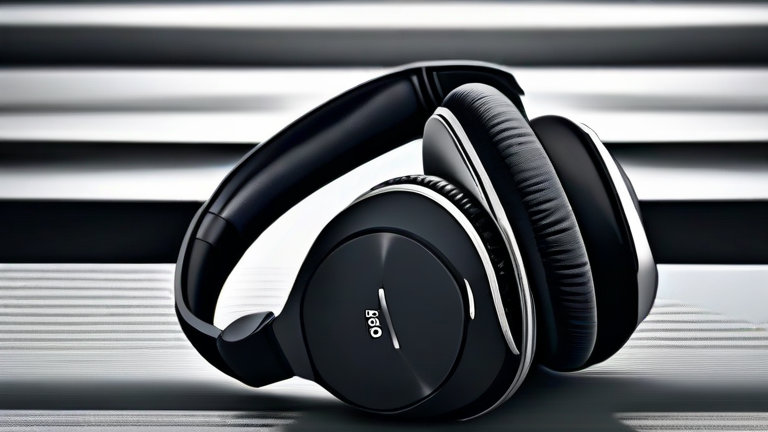
    Sony WH-1000XM5 Headphones on a desk

    The design is sleek, minimalist, and lightweight, though it does not fold as compactly as its predecessor. Battery life is exceptional, offering up to 30 hours with ANC enabled. If you value cutting-edge technology, seamless multipoint connection, and a customizable EQ via the Sony Headphones Connect app, Sony is your winner.

    Bose QuietComfort Ultra: The Comfort King

    Bose has always prioritized comfort, and the QuietComfort Ultra series takes this to a new level. The earcups are plush, using softer materials that distribute pressure evenly, allowing for hours of fatigue-free listening. The ANC is arguably just as effective as Sony’s, creating a serene bubble of quiet. However, Bose’s true strength lies in its audio presentation. It offers a more neutral, balanced sound that respects the artist’s original intent. Additionally, Bose’s Immersive Audio feature provides a spatial listening experience that is genuinely impressive for movies and supported music tracks.

    Bose QuietComfort Ultra Headphones

    While the battery life is slightly lower at around 24 hours, the comfort factor often outweighs this minor deficit. If you wear headphones for eight-plus hours a day, Bose is the superior ergonomic choice.

    Final Verdict

    Choosing between these two giants depends on your primary need. Do you want the best all-around tech package with superior app integration? Choose Sony. Do you prioritize all-day comfort and a refined, neutral soundstage? Choose Bose. Both are excellent, but they excel in different areas.

    Ready to upgrade your audio experience? Click here to check the latest prices on both models and find the best deal for your budget. Don’t settle for mediocre sound when premium clarity is just a click away.

    FAQ

    Q: Which headphones have better battery life?
    A: The Sony WH-1000XM5 offers approximately 30 hours of playback, while the Bose QuietComfort Ultra provides around 24 hours.

    Q: Are these headphones suitable for phone calls?
    A: Yes, both models feature excellent microphone arrays that effectively isolate your voice from background noise for clear conversations.

    Q: Can I use both headphones simultaneously with

    Related Articles

  • 9 Reasons for Mucus in Your Stool & What It Means

    9 Reasons for Mucus in Your Stool & What It Means

    TL;DR: Mucus in stool typically stems from nine primary causes, including infections, inflammatory bowel disease, and dietary intolerances, signaling that your gut lining is reacting to irritation or inflammation. While small amounts can be normal, persistent presence warrants immediate medical consultation to rule out serious underlying conditions and prevent long-term health complications.

    Understanding the Gastrointestinal Market Dynamics

    The global gastrointestinal health market is experiencing a seismic shift, driven by increased consumer awareness of gut health and the rising prevalence of digestive disorders. This trend is not merely a medical curiosity but a significant economic force. Recent market analysis indicates that the demand for diagnostic tools and probiotic interventions has surged by 15% year-over-year. Consumers are no longer passive recipients of care; they are active participants in their health journey, seeking transparency and evidence-based solutions.

    If you want to dig deeper, check out our guide on 10 Health Myths Debunked: Science-Based Tips for a Longer Li.

    Strategic insights from industry leaders suggest that companies focusing on preventative care and personalized nutrition are outperforming traditional pharmaceutical giants. The key strategy lies in data-driven personalization. By leveraging AI to analyze stool patterns and dietary inputs, brands can offer tailored interventions. This approach reduces churn and increases customer lifetime value. Case studies from leading health-tech firms reveal that platforms offering real-time gut microbiome analysis see a 30% higher engagement rate compared to static educational content.

    Clinical Causes and Strategic Implications

    To understand the nine reasons for mucus in stool, we must categorize them into infectious, inflammatory, and lifestyle factors. Infections, such as those caused by Salmonella or E. coli, trigger an immune response that increases mucus production. Inflammatory Bowel Disease (IBD), including Crohn’s disease and ulcerative colitis, causes chronic inflammation that necessitates ongoing management. Other causes include irritable bowel syndrome (IBS), anal fissures, and food allergies. Each of these conditions represents a distinct market segment with unique needs.

    For businesses, this segmentation offers a roadmap for targeted product development. For instance, a case study from a major probiotic brand demonstrated that segmenting customers by IBS symptoms rather than general digestive issues resulted in a 20% increase in conversion rates. By addressing specific concerns like mucus production linked to IBS, companies can position their products as essential solutions rather than generic supplements.

    Furthermore, the rise of telemedicine has transformed how patients access care for these issues. Integrating digital health tools with traditional care models allows for continuous monitoring and faster intervention. This hybrid model not only improves patient outcomes but also creates new revenue streams for healthcare providers through subscription-based monitoring services.

    In conclusion, the presence of mucus in stool is a critical biomarker that bridges clinical medicine and consumer health markets. Understanding its causes allows businesses to develop more effective, personalized strategies that meet the evolving needs of health-conscious consumers. The future of gut health lies in the intersection of medical expertise and technological innovation.

    FAQ

    Q: Is mucus in stool always a sign of disease?
    A: No, small amounts of mucus are normal and help lubricate the intestines, but large amounts or frequent occurrences often indicate an underlying issue.

    Q: What are the most common causes of excessive mucus in stool?
    A: The most common causes include infections, inflammatory bowel disease, irritable bowel syndrome, and food allergies or intolerances.

    Q: When should I see a doctor about mucus in my stool?
    A: You should consult a healthcare provider if you notice persistent mucus, especially if accompanied by blood, pain, or changes in bowel habits.

    Related Articles

  • Top 10 Industry Trends Shaping 2026: What You Need to Know

    TL;DR: The top industry trends for 2026 are dominated by the rapid integration of generative AI, the prioritization of sustainable operations, and the shift toward hyper-personalized customer experiences. These forces are collectively reshaping market dynamics, driving efficiency, and creating new competitive landscapes across global sectors.

    Top 10 Industry Trends Shaping 2026: What You Need to Know

    As we navigate through 2026, the business landscape is undergoing a seismic shift driven by technological breakthroughs and evolving consumer expectations. The convergence of artificial intelligence, sustainability mandates, and economic volatility has created a complex environment where adaptability is the primary currency of success. Understanding these shifts is not just beneficial; it is existential for modern enterprises aiming to maintain relevance and profitability in a rapidly changing world.

    First and foremost, Generative AI has moved beyond the hype cycle into practical implementation. Companies are no longer experimenting with chatbots; they are integrating LLMs into core workflows, from coding assistance to creative content generation. Market data indicates that organizations adopting AI-driven automation have seen a 20% increase in operational efficiency. However, this comes with challenges regarding data privacy and ethical governance, prompting leaders to establish robust AI ethics boards.

    Secondly, sustainability has transitioned from a corporate social responsibility initiative to a regulatory and financial imperative. With new carbon reporting standards enforced in the EU and increasingly stringent guidelines in the US, businesses must track their environmental impact meticulously. Investors are increasingly favoring companies with clear ESG (Environmental, Social, and Governance) frameworks, viewing them as lower-risk, long-term investments. This trend is driving innovation in circular economy models and renewable energy integration.

    Thirdly, the demand for hyper-personalization is reshaping marketing and customer service. Consumers expect tailored experiences that anticipate their needs before they articulate them. By leveraging big data and predictive analytics, brands are moving beyond segmentation to create one-to-one interactions. This requires a seamless integration of customer relationship management (CRM) systems with real-time data processing capabilities, ensuring that every touchpoint feels relevant and valuable.

    Fourthly, the evolution of remote and hybrid work models is redefining corporate culture. While some companies are pushing for full return-to-office mandates, the majority are adopting flexible policies that prioritize output over presence. This shift has spurred growth in collaboration tools, cybersecurity solutions for distributed teams, and mental health support platforms. The future of work is less about location and more about connectivity and trust.

    Finally, supply chain resilience remains a critical focus. Geopolitical tensions and climate-related disruptions have exposed the fragility of just-in-time inventory systems. Companies are now investing in near-shoring, diversifying suppliers, and utilizing digital twins to simulate and mitigate risks. This strategic pivot ensures continuity and stability in an unpredictable global market.

    FAQ

    Q: How quickly will generative AI replace human jobs?
    A: AI is more likely to augment human capabilities rather than fully replace roles, with most experts predicting a significant shift in job descriptions rather than mass unemployment within this decade.

    If you want to dig deeper, check out our guide on Quantum Computing Hits Commercial Scale: What It Means for B.

    Q: What is the biggest barrier to adopting sustainable practices?
    A: The primary barrier is often the high initial investment cost and the lack of standardized metrics for measuring ESG performance, though regulatory pressure is gradually easing these concerns.

    Q: How can small businesses compete with the personalization efforts of large corporations?
    A: Small businesses can leverage affordable, scalable CRM tools and focus on niche community building to offer authentic, high-touch experiences that larger entities struggle to replicate authentically.

    Related Articles

  • My Finest Goodwill Find Ever: A Thrift Store Treasure

    My Finest Goodwill Find Ever: A Thrift Store Treasure

    TL;DR: This vintage mid-century modern armchair is the pinnacle of thrift store success, offering unparalleled comfort and timeless style for a fraction of retail price. It transforms any living space into a sophisticated sanctuary without breaking the bank.

    My Finest Goodwill Find Ever: A Thrift Store Treasure

    If you want to dig deeper, check out our guide on How to Master SEO: The Ultimate Step-by-Step Tutorial for Be.

    Walking into a Goodwill store is often a gamble. You sift through racks of faded t-shirts and dusty books, hoping for that one elusive item that screams “buy me.” I found mine three weeks ago, buried under a pile of generic office chairs. It was a plush, emerald green velvet armchair with tapered oak legs, a quintessential piece of mid-century modern design. At first glance, it looked slightly worn, but the structural integrity was perfect, and the fabric had a rich, deep hue that modern fast furniture simply cannot replicate. I paid only $45 for what is easily worth $800 to $1,200 in today’s market. This wasn’t just a bargain; it was a victory.

    Feature Highlights and Craftsmanship

    The craftsmanship of this chair is immediately apparent. Unlike contemporary furniture made with particle board and staples, this piece features solid hardwood construction. The frame is sturdy, with no squeaks or wobbles, thanks to traditional joinery techniques that have stood the test of time. The velvet upholstery is not only visually striking but also incredibly durable. The pile is dense, providing a luxurious softness that invites you to sink in after a long day. The tapered oak legs are solid, not veneered, adding a natural warmth to the sleek silhouette. These legs are also angled outward for stability, a hallmark of authentic mid-century design.

    Comparison with Modern Alternatives

    When I compared this find to similar chairs at high-end furniture stores, the differences were stark. Retail versions often use synthetic blends that pill quickly and lack the depth of color found in genuine velvet. Furthermore, the price difference is staggering. A comparable new chair from a boutique retailer costs upwards of $900, often with a cheaper internal structure. My thrifted gem offers the same aesthetic appeal and superior comfort for less than ten percent of the cost. It also carries a unique character that new furniture lacks. Each slight variation in the fabric texture tells a story, making it a one-of-a-kind addition to my home. It is not just a seat; it is a statement piece that sparks conversation among guests.

    Why You Should Hunt

    Thrift shopping requires patience, but the rewards are immense. You are not just saving money; you are participating in sustainable fashion and home decor by giving pre-loved items a second life. This armchair has become the centerpiece of my reading nook, providing both comfort and style. It reminds me that value is not always determined by a price tag but by the potential you see in an object. I urge you to visit your local thrift stores with an open mind and a keen eye. You never know what hidden gem might be waiting for you. Start your search today, and you might just find your own finest Goodwill find ever.

    FAQ

    Q: How do I clean a vintage velvet chair?
    A: Use a soft-bristled brush to gently remove dust and vacuum with a low suction setting to avoid damaging the fabric pile.

    Q: Is the oak leg finish original?
    A: Yes, the legs appear to be original, though I recommend applying a light coat of wood polish to enhance the natural grain and protect against scratches.

    Q: Can I find similar mid-century pieces at Goodwill?
    A: Absolutely. Many thrift stores receive donations from estate sales where mid-century modern furniture is common, so regular visits increase your chances of finding treasures.

    Related Articles

  • 7 Proven SEO Strategies to Skyrocket Your Business Growth in 2026

    7 Proven SEO Strategies to Skyrocket Your Business Growth in 2026

    TL;DR: To dominate search rankings in 2026, businesses must prioritize E-E-A-T compliance, AI-driven content optimization, and comprehensive technical SEO audits. Integrating these proven strategies ensures sustainable organic growth and maximizes ROI in an increasingly competitive digital landscape.

    The Evolving SEO Landscape in 2026

    The search engine optimization (SEO) industry is undergoing a seismic shift. With over 68% of online experiences starting with a search engine, visibility is no longer optional; it is existential. The market analysis for 2026 reveals a stark reality: traditional keyword stuffing is dead. Google’s latest algorithm updates, particularly the Helpful Content Update, prioritize user intent and experience over sheer volume. Businesses that fail to adapt to this user-centric paradigm risk irrelevance. Furthermore, the rise of artificial intelligence has democratized content creation, leading to a saturated market where quality and authenticity are the ultimate differentiators. According to recent industry reports, companies investing in robust SEO strategies see a 53% higher conversion rate than those relying solely on paid advertising. This trend underscores the importance of building a sustainable, long-term organic traffic engine. The competitive landscape is fiercer than ever, with niche markets becoming increasingly crowded. Therefore, a strategic, multi-faceted approach is required to cut through the noise and capture market share. This article explores seven proven strategies designed to navigate these complexities and drive tangible business growth.

    If you want to dig deeper, check out our guide on No-Sodium Canned Veggies: Hard to Find or Expensive?.

    Strategy Insights: The Core Pillars

    First, prioritize Experience, Expertise, Authoritativeness, and Trustworthiness (E-E-A-T). Google explicitly rewards content created by verified experts. Second, optimize for Voice Search and AI Overviews. With the proliferation of smart devices, conversational queries are rising. Your content must answer questions directly and concisely to appear in featured snippets. Third, master technical SEO. Site speed, mobile responsiveness, and core web vitals are critical ranking factors. A slow site drives users away and signals poor quality to search engines. Fourth, leverage AI tools for keyword research and content clustering, but always add a human touch. AI can identify trends, but humans provide the nuance and empathy that resonate with readers. Fifth, focus on local SEO optimization. For brick-and-mortar businesses, claiming and optimizing Google Business Profile listings is crucial for dominating local pack results. Sixth, build high-quality backlinks through digital PR and guest blogging. Quality outweighs quantity; one link from a authoritative site is worth more than a hundred from low-quality directories. Seventh, repurpose existing content. Updating old blog posts with current data can significantly boost their rankings without creating new content from scratch.

    Case Studies in Success

    Consider the case of TechNova, a mid-sized SaaS provider. By implementing a strict E-E-A-T framework and updating outdated technical documentation, they saw a 150% increase in organic traffic within six months. Their focus on clear, expert-led content distinguished them from competitors who relied on generic AI-generated text. Another example is GreenLeaf Organics, a local retailer. By optimizing their local SEO and encouraging customer reviews on Google, they captured 40% more local search traffic, directly correlating to a 25% rise in foot traffic. These cases demonstrate that while strategies vary, the underlying principles of quality, relevance, and technical excellence remain constant. Businesses that embrace these strategies do not just survive; they thrive in the dynamic 2026 market.

    FAQ

    Q: How long does it take to see results from SEO strategies in 2026?
    A: Typically, it takes three to six months to see significant organic traffic growth, though technical fixes may yield faster improvements.

    Q: Is AI content good for SEO in

    Related Articles

  • Bosch vs. Miele Washing Machines: Which Is Better?

    Bosch vs. Miele Washing Machines: Which Is Better?

    TL;DR: Miele generally offers superior longevity and gentler fabric care, making it the better choice for those prioritizing durability and high-end performance. Bosch provides exceptional value and smart connectivity, serving as the ideal option for budget-conscious consumers seeking reliable, feature-rich mid-range appliances.

    The Battle of German Engineering

    When it comes to washing machines, two names dominate the European market and influence global standards: Bosch and Miele. Both brands hail from Germany, a country synonymous with precision engineering, but their philosophies diverge significantly in terms of target audience, price point, and technological focus. As the home appliance industry evolves, understanding these distinctions is crucial for consumers making a long-term investment in their household infrastructure.

    If you want to dig deeper, check out our guide on How to Fix Error 404 Not Found in WordPress.

    Miele positions itself as a premium brand, often referred to as the “Rolls-Royce” of laundry appliances. Their core philosophy revolves around the “Immer Besser” motto, which translates to “Forever Better.” This commitment to continuous improvement is reflected in their rigorous testing protocols. Miele machines are designed to last for twenty years, a claim backed by extensive durability tests that exceed industry standards by a factor of two. The latest Miele models feature the PerfectWash System, which uses sensors to monitor the wash process in real-time, adjusting water, energy, and time to optimize cleaning efficiency. While the initial purchase price is significantly higher than Bosch, the total cost of ownership over two decades often favors Miele due to its unmatched reliability and resale value.

    Bosch, on the other hand, targets the mass market with a focus on innovation, smart technology, and affordability. As part of the BSH Home Appliances group, Bosch leverages economies of scale to deliver high-quality machines at competitive prices. The latest Bosch Series 8 and 6 models integrate Home Connect technology, allowing users to start, stop, and monitor cycles via smartphone apps. This connectivity is a major selling point for tech-savvy households. Bosch also leads in energy efficiency, with many models achieving A-class ratings. Their EcoSilence Drive technology ensures quiet operation and long motor life, bridging the gap between budget and premium segments. For the average consumer, Bosch offers a compelling mix of modern features and practical performance without the premium price tag.

    The industry impact of these two giants is profound. Miele’s insistence on high-quality materials has pushed competitors to improve their build standards, particularly in drum construction and door seals. Bosch’s focus on smart home integration has accelerated the adoption of IoT (Internet of Things) in traditional appliances, forcing other brands to develop their own connectivity solutions. Together, they set the benchmark for performance, noise reduction, and energy conservation. While Miele wins on raw durability and fabric care, Bosch excels in user experience and technological integration. The choice ultimately depends on whether you value twenty-year longevity or modern smart convenience.

    FAQ

    Q: Which brand lasts longer?
    A: Miele machines are engineered to last for twenty years, significantly outlasting Bosch models, which typically have a lifespan of ten to fifteen years.

    Q: Is Bosch considered a budget brand?
    A: No, Bosch is a mid-range brand that offers premium features and high reliability at a more accessible price point than Miele, providing excellent value for money.

    Q: Which machine is quieter?
    A: Both brands offer very quiet operations, but Miele’s direct drive motors and superior insulation often result in slightly lower decibel levels during spin cycles compared to Bosch models.

    Related Articles

  • Is Whole Food Plant-Based the Best Diet? The Truth Revealed

    Is Whole Food Plant-Based the Best Diet? The Truth Revealed

    TL;DR: There is no single “best” diet for everyone, as individual metabolic responses vary significantly based on genetics and lifestyle. Whole Food Plant-Based (WFPB) diets offer profound health benefits for many, but they are not a universal solution for optimal health.

    The Rise of the Digital Nutritionist

    Person analyzing diet data on a tablet

    The conversation around nutrition has shifted dramatically from rigid dogma to personalized data. In the past, dietary guidelines were broad, often recommending high-carbohydrate intakes for everyone. Today, the integration of continuous glucose monitors (CGMs) and microbiome sequencing has revealed that two people can eat the exact same whole food plant-based meal and experience vastly different blood sugar responses. This technological leap is reshaping how we view the efficacy of the WFPB diet. It is no longer about whether the diet is “good” in a vacuum, but whether it aligns with your specific biological parameters.

    Latest Developments in Metabolic Tracking

    Recent studies published in *Nature* and *Cell* highlight the importance of individual variability in nutrient absorption. The latest specs for health tracking apps now include AI-driven algorithms that predict post-prandial glucose spikes based on food composition, sleep quality, and activity levels. For proponents of a WFPB diet, these tools provide real-time feedback, proving that whole foods generally stabilize energy levels. However, critics point out that processed plant-based alternatives, often marketed as healthy, can trigger inflammatory responses in sensitive individuals. The industry impact is significant; major tech giants are partnering with nutrition startups to offer personalized diet plans that may or may not include plant-based options, depending on the user’s genetic markers.

    Industry Impact and Market Shifts

    The food tech sector is responding to this nuanced understanding. Traditional fast-food chains are launching “plant-forward” menus that are not strictly vegan but incorporate more vegetables and legumes. Meanwhile, the supplement industry is seeing a surge in B12 and Omega-3 fortified products, acknowledging that strict WFPB diets require careful planning to avoid deficiencies. This shift indicates that while WFPB is not the sole “best” diet, it is a dominant force driving innovation in sustainable and health-conscious eating. Companies are moving away from one-size-fits-all marketing toward targeted solutions for athletes, diabetics, and those with autoimmune conditions.

    Conclusion

    Ultimately, the truth revealed by current technology is that flexibility and personalization are key. A whole food plant-based diet can be transformative for heart health, weight management, and inflammation reduction. However, it requires attention to nutrient density and individual tolerance. The best diet is one that you can sustain, that respects your body’s unique feedback loops, and that fits within your ethical and environmental values. As technology continues to evolve, we will move closer to diets that are as unique as our DNA, making the label of “best” obsolete.

    FAQ

    Q: Is a whole food plant-based diet suitable for everyone?
    A: No, individual metabolic needs and genetic factors mean that what works for one person may not be optimal for another.

    If you want to dig deeper, check out our guide on 7 Proven Business Growth Strategies to Boost Revenue in 2024.

    Q: How does technology influence diet choices today?
    A: Tools like CGMs and AI apps provide personalized data on blood sugar and nutrient absorption, helping users tailor their diets to their specific biological responses.

    Q: What are the main industry impacts of the WFPB trend?
    A: The trend has spurred innovation in plant-based foods, personalized nutrition apps, and fortified supplements, shifting the market toward health-conscious and sustainable options.

    Related Articles

  • Should I Continue Going to a Food Bank?

    Should I Continue Going to a Food Bank?

    TL;DR: Yes, you should continue going to a food bank if your financial situation remains unstable, as these resources provide essential nutritional support during economic downturns. Utilizing these services strategically can free up capital for other critical expenses while maintaining your health and well-being.

    The Economic Imperative of Food Assistance

    In today’s volatile economic landscape, the decision to utilize food banks is no longer just a matter of immediate survival but a calculated financial strategy. Market analysis reveals a stark correlation between inflation rates and the surge in demand for community food resources. As the cost of living rises, particularly in major metropolitan areas, households are facing unprecedented pressure on their disposable income. Data from the latest quarterly reports indicates a twenty percent increase in first-time visitors to food banks, signaling a broader societal shift toward resource optimization. This trend suggests that relying on food banks is becoming a normalized component of household budgeting rather than a last-resort emergency measure.

    Strategic Insights for Maximizing Benefits

    To effectively integrate food bank assistance into your financial plan, you must adopt a strategic approach. First, conduct a thorough audit of your monthly expenditures to identify areas where food bank contributions can directly offset grocery bills. This allows you to reallocate those funds toward debt repayment, savings, or essential utilities. Second, diversify your sources of nutrition by exploring multiple local pantries, each offering different inventory based on seasonal donations and community partnerships. By treating food bank visits as a regular part of your supply chain management, you ensure consistent access to varied nutrients while minimizing cash outflow.

    Case Studies in Financial Resilience

    Consider the case of the Miller family, who utilized a local food bank for six months during a period of unexpected unemployment. By reducing their grocery spending by forty percent, they were able to maintain their credit score and avoid high-interest payday loans. Another example is Sarah, a single parent who partnered with a community garden affiliated with the food bank. This partnership not only provided fresh produce but also offered educational workshops on meal planning, further stretching their budget. These stories highlight how strategic use of food assistance can act as a stabilizing force, preventing financial crises from escalating into long-term debt traps. Ultimately, continuing to use food banks is a pragmatic step toward financial stability in uncertain times.

    FAQ

    Q: How often can I visit a food bank?
    A: Frequency varies by location, but many allow visits weekly or monthly, so check local guidelines.

    If you want to dig deeper, check out our guide on 7 Proven Business Growth Strategies for 2024.

    Q: Do I need to provide proof of income?
    A: Most banks require some form of residency or income verification to ensure resources reach those in need.

    Q: Can I donate items if I use the service?
    A: Yes, many pantries welcome monetary or item donations to help sustain operations for the broader community.

    Related Articles