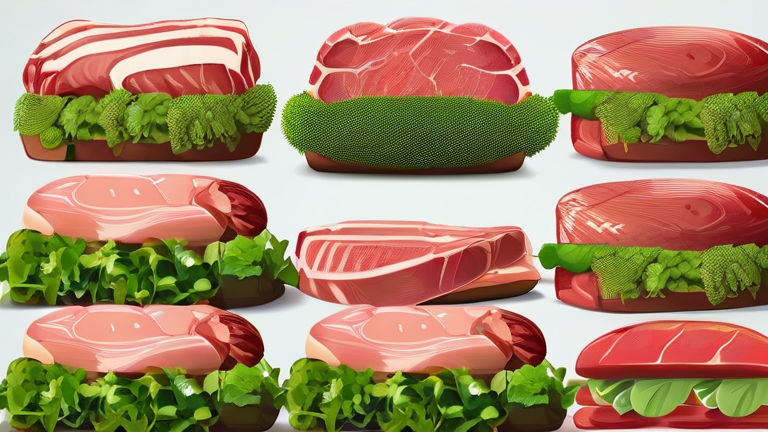
TL;DR: Plant-based meats have reached price parity with conventional animal proteins, making sustainable eating more economically accessible to the average consumer. This shift encourages shoppers to consider dietary changes for improved health outcomes without the traditional financial premium associated with ethical food choices.
The landscape of grocery shopping is undergoing a significant transformation. For years, the “vegan tax” or premium pricing of alternative proteins has been a barrier for many families trying to reduce their meat consumption. However, recent market analysis indicates that leading plant-based meat brands have finally achieved price parity with conventional ground beef and chicken breast in many major retail markets. This milestone is not merely a marketing triumph but a critical juncture for public health and environmental sustainability. When ethical choices become the default economic choice, consumer behavior shifts naturally, potentially reducing the global carbon footprint associated with livestock farming.
If you want to dig deeper, check out our guide on Best Noise-Canceling Headphones for Travelers in 2024.
The Health Implications of the Shift
While price accessibility is a major win, the health implications of switching to plant-based meats require a nuanced understanding. Science-backed research suggests that reducing red meat intake can lower the risk of cardiovascular disease, certain cancers, and type 2 diabetes. However, it is crucial to distinguish between whole-food plant-based diets and highly processed meat alternatives. Many commercial plant-based burgers contain high levels of sodium and saturated fats, often derived from coconut or palm oil, to mimic the texture and flavor of animal fat.

To maximize health benefits, experts advise reading nutrition labels carefully. Look for options with lower sodium content and higher fiber levels. The ideal approach is to view plant-based meats as a transitional tool rather than a permanent staple. Incorporating legumes, lentils, and whole grains into your diet provides comparable protein benefits with fewer additives and more micronutrients. When these alternatives become affordable, they serve as an excellent bridge for omnivores looking to experiment with meat-free meals without feeling deprived financially.
Lifestyle Tips for Smart Shopping
Adopting a more plant-centric lifestyle does not require a complete overhaul overnight. Start by participating in “Meatless Mondays” or designating one day a week where you replace beef with a high-quality plant-based alternative. This gradual approach allows your palate to adjust and helps you discover new recipes and flavors. Additionally, cooking at home remains the most cost-effective strategy. Buying bulk grains and dried beans is significantly cheaper than pre-packaged processed meats, even when those processed items are on sale.
Another practical tip is to diversify your protein sources. Relying solely on plant-based meats can lead to monotony and potential nutrient gaps. Integrate tofu, tempeh, and edamame into your weekly rotation. These foods are not only affordable but also rich in essential amino acids and iron. By combining these whole foods with the occasional affordable plant-based burger, you create a balanced, diverse, and nutritionally complete diet that supports long-term wellness. The goal is sustainability in both cost and health, ensuring that your dietary choices are maintainable for years to come.
FAQ
Q: Is plant-based meat healthier than conventional meat?
A: It depends on the specific product; while it often contains less saturated fat, some brands are high in sodium and additives, so reading labels is essential for health.
Q: Will plant-based meat prices stay at parity?
A: Prices are volatile and depend on supply chain stability and crop yields, but economies of scale suggest they will remain competitive with conventional meats for the foreseeable future.
Q: Can I get enough protein from plant-based alternatives?
A: Yes, most plant-based meats provide comparable protein amounts to animal meat, but combining them with whole foods like beans and grains ensures a complete amino acid profile.
Leave a Reply