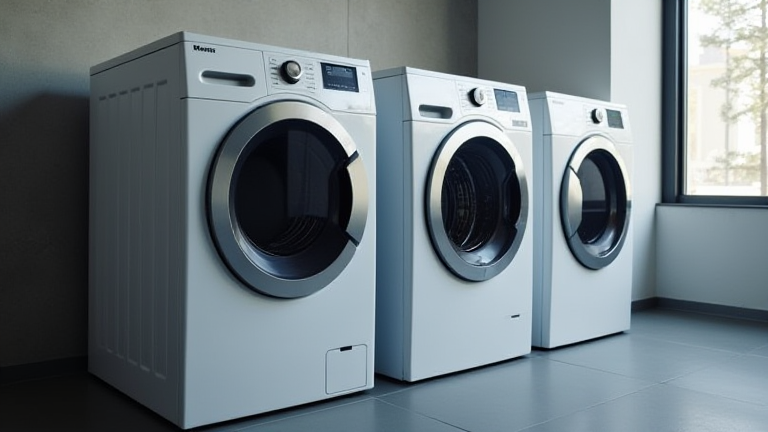
TL;DR: Miele generally offers superior longevity and gentler fabric care, making it the better choice for those prioritizing durability and high-end performance. Bosch provides exceptional value and smart connectivity, serving as the ideal option for budget-conscious consumers seeking reliable, feature-rich mid-range appliances.
The Battle of German Engineering
When it comes to washing machines, two names dominate the European market and influence global standards: Bosch and Miele. Both brands hail from Germany, a country synonymous with precision engineering, but their philosophies diverge significantly in terms of target audience, price point, and technological focus. As the home appliance industry evolves, understanding these distinctions is crucial for consumers making a long-term investment in their household infrastructure.
If you want to dig deeper, check out our guide on How to Fix Error 404 Not Found in WordPress.
Miele positions itself as a premium brand, often referred to as the “Rolls-Royce” of laundry appliances. Their core philosophy revolves around the “Immer Besser” motto, which translates to “Forever Better.” This commitment to continuous improvement is reflected in their rigorous testing protocols. Miele machines are designed to last for twenty years, a claim backed by extensive durability tests that exceed industry standards by a factor of two. The latest Miele models feature the PerfectWash System, which uses sensors to monitor the wash process in real-time, adjusting water, energy, and time to optimize cleaning efficiency. While the initial purchase price is significantly higher than Bosch, the total cost of ownership over two decades often favors Miele due to its unmatched reliability and resale value.
Bosch, on the other hand, targets the mass market with a focus on innovation, smart technology, and affordability. As part of the BSH Home Appliances group, Bosch leverages economies of scale to deliver high-quality machines at competitive prices. The latest Bosch Series 8 and 6 models integrate Home Connect technology, allowing users to start, stop, and monitor cycles via smartphone apps. This connectivity is a major selling point for tech-savvy households. Bosch also leads in energy efficiency, with many models achieving A-class ratings. Their EcoSilence Drive technology ensures quiet operation and long motor life, bridging the gap between budget and premium segments. For the average consumer, Bosch offers a compelling mix of modern features and practical performance without the premium price tag.

The industry impact of these two giants is profound. Miele’s insistence on high-quality materials has pushed competitors to improve their build standards, particularly in drum construction and door seals. Bosch’s focus on smart home integration has accelerated the adoption of IoT (Internet of Things) in traditional appliances, forcing other brands to develop their own connectivity solutions. Together, they set the benchmark for performance, noise reduction, and energy conservation. While Miele wins on raw durability and fabric care, Bosch excels in user experience and technological integration. The choice ultimately depends on whether you value twenty-year longevity or modern smart convenience.
FAQ
Q: Which brand lasts longer?
A: Miele machines are engineered to last for twenty years, significantly outlasting Bosch models, which typically have a lifespan of ten to fifteen years.
Q: Is Bosch considered a budget brand?
A: No, Bosch is a mid-range brand that offers premium features and high reliability at a more accessible price point than Miele, providing excellent value for money.
Q: Which machine is quieter?
A: Both brands offer very quiet operations, but Miele’s direct drive motors and superior insulation often result in slightly lower decibel levels during spin cycles compared to Bosch models.
Leave a Reply