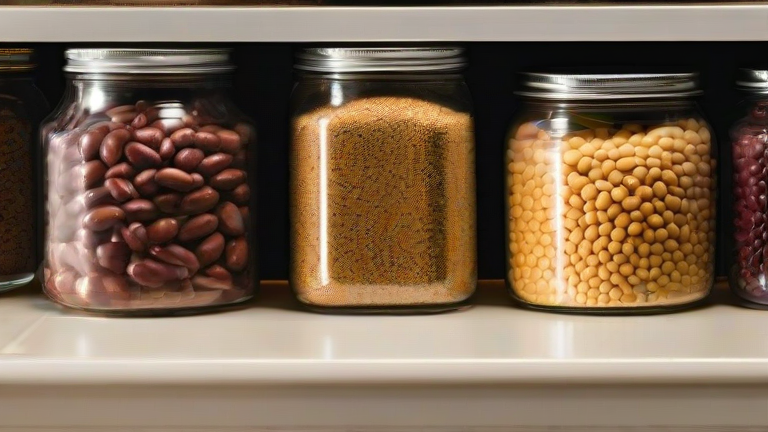
TL;DR: No, you do not have too many beans; you simply need to diversify your culinary approach beyond traditional stews and salads. By integrating legumes into unexpected formats like flours, snacks, and plant-based proteins, you can significantly reduce waste while capitalizing on current health trends.
The Legume Renaissance

The global pulse market is experiencing a remarkable surge, driven by a confluence of sustainability concerns and shifting consumer dietary preferences. Recent market analysis indicates that the global dried beans market is projected to grow at a CAGR of 4.5% through 2030, reaching an estimated value of $35 billion. This growth is not merely a fleeting fad but a structural shift in how consumers view food security and environmental impact. As climate change intensifies, pulses are increasingly recognized for their low water footprint and nitrogen-fixing properties, making them a cornerstone of regenerative agriculture. Industry experts, such as Dr. Elena Rossi of the Institute for Sustainable Food Systems, note that “the bean is no longer just a staple; it is a strategic commodity in the fight against climate change and protein deficiency.”
Five Innovative Strategies
To tackle the abundance of beans in your pantry, consider these five transformative methods. First, transform chickpeas into crispy roasted snacks seasoned with smoked paprika or rosemary, offering a high-fiber alternative to chips. Second, use white beans as a base for creamy, dairy-free soups and sauces, blending them with garlic and lemon for a luxurious texture without the heaviness of cream. Third, experiment with bean flours, such as black bean or lentil flour, to enrich baked goods with protein and fiber, subtly altering the nutritional profile of breads and muffins. Fourth, create vibrant dips by mashing black beans with cilantro, lime, and avocado, providing a nutrient-dense spread for tortillas or vegetables. Finally, incorporate cooked lentils into meatballs or burgers to extend volume and enhance nutrition, a technique widely adopted by chefs to reduce carbon footprints while maintaining satisfaction. These methods not only utilize existing stock but also introduce variety, preventing palate fatigue.
Future Predictions
Looking ahead, the bean industry is poised for further innovation. We anticipate a rise in plant-based meat alternatives that specifically highlight whole beans as primary ingredients, moving beyond processed soy isolates. Furthermore, technological advancements in fermentation may unlock new flavor profiles, making beans more appealing to younger demographics who currently perceive them as bland. As supply chains become more transparent, consumers will likely demand traceability, favoring locally sourced pulses that support regional farmers. This trend will likely drive a decentralization of production, empowering small-scale growers and reducing transportation emissions. The future of beans is bright, versatile, and essential for a sustainable food system.
FAQ
Q: How long do dried beans last in the pantry?
A: Properly stored dried beans can last up to two years, though their cooking time may increase as they age.
If you want to dig deeper, check out our guide on Top Frugal Advice: What Is Your Favorite Money-Saving Tip?.
Q: Are canned beans as nutritious as dried ones?
A: Yes, canned beans retain most nutrients, though rinsing them can reduce sodium content by up to 40 percent.
Q: Can I freeze cooked beans?
A: Absolutely, cooked beans freeze well for up to six months, making them a convenient ingredient for quick meals.
Leave a Reply