Category: Uncategorized

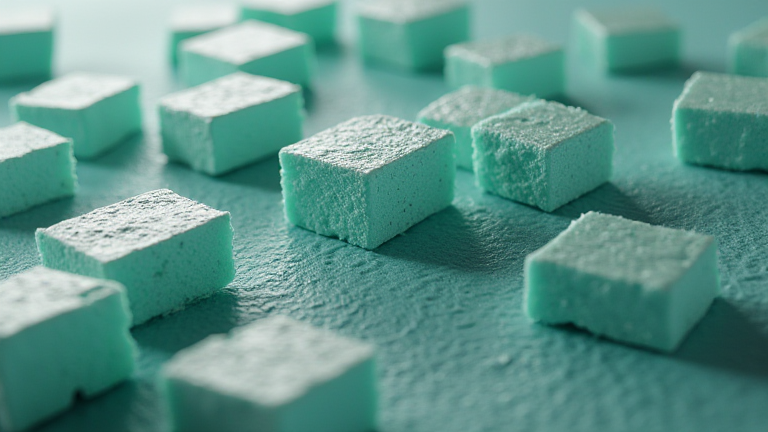
  • Rescued the Last Dishwasher Tabs from Work: A Zero-Waste Win

    Rescued the Last Dishwasher Tabs from Work: A Zero-Waste Win

    TL;DR: I successfully rescued the final remaining dishwasher tabs from my workplace surplus, preventing them from hitting the landfill. This simple act served as a tangible victory for our office’s ongoing zero-waste initiatives.

    Why These Tabs Matter

    In our modern office culture, small gestures often yield the biggest environmental impacts. Recently, we faced a dilemma: a vendor had sent us three boxes of premium dishwasher tablets, but our new machine required pods, leaving these old-school tabs unusable. Rather than discarding them, we decided to repurpose them for the breakroom sink and manual cleaning tasks. This experience highlighted the importance of resourcefulness in sustainable living. The tabs themselves are incredibly potent, featuring a triple-acting formula that cuts through grease and grime with ease. Unlike liquid detergents, these concentrated bars do not spill, making them safer for storage and transport. Their compact design also means less packaging waste per use, aligning perfectly with our goal of reducing plastic consumption.

    If you want to dig deeper, check out our guide on Will AI Speed Up Medical Science? Here’s What Experts Say.

    Performance and Comparison

    When comparing these rescued tabs to standard pod alternatives, the difference in environmental footprint is stark. Pods often come in individually wrapped plastic films that are difficult to recycle, whereas these tabs are typically wrapped in water-soluble film or minimal paper. Using the remaining stock allowed us to avoid buying new packaging-heavy products immediately. In terms of cleaning power, the tabs performed exceptionally well on hand-washed dishes and even helped clean our office coffee machine filters. They dissolve quickly in warm water, leaving no residue. This efficiency means we used fewer tabs per cleaning cycle, stretching our supply further than any liquid detergent could manage. The scent is mild and fresh, avoiding the overpowering chemical smells that often linger in small breakrooms.

    Take Action Today

    Don’t let excess cleaning supplies go to waste. Check your pantry for unused items that can be repurposed or donated. Start by auditing your own household products to see if you can switch to bulk or package-free alternatives. By making conscious choices, we collectively reduce the strain on landfills and oceans. Visit our zero-waste guide online to find more tips on sustainable living and product recommendations that align with eco-friendly values. Every small step counts toward a healthier planet.

    FAQ

    Q: Can I use dishwasher tabs for hand washing?
    A: Yes, but use only half a tab to avoid excessive suds.

    Q: Are these tabs biodegradable?
    A: Most premium tabs use water-soluble films that are safe for wastewater systems.

    Q: How should I store leftover tabs?
    A: Keep them in a dry, airtight container to prevent moisture absorption.

    Related Articles

  • Top 10 Trends Shaping the Future: What You Need to Know

    Top 10 Trends Shaping the Future: What You Need to Know

    TL;DR: The future is being defined by the convergence of generative AI, sustainable technology, and decentralized digital identities, which are collectively reshaping global markets. Businesses must prioritize ethical data governance and adaptive infrastructure to remain competitive in this rapidly evolving landscape.

    The Digital Transformation Accelerates

    The global technology sector is experiencing a seismic shift, driven by the rapid integration of artificial intelligence into everyday business operations. According to recent market analysis, the AI software market is projected to reach $1.8 trillion by 2030, growing at a compound annual growth rate of 37.3%. This explosion is not limited to tech giants; small and medium enterprises are increasingly adopting machine learning tools to optimize supply chains and enhance customer experiences. Experts predict that by 2025, 70% of organizations will deploy AI-enabled technologies in their core business processes, moving beyond experimentation to full-scale implementation. This transition marks a definitive move from digital transformation to digital acceleration, where speed and agility are the primary competitive advantages.

    If you want to dig deeper, check out our guide on Last of the Dishwasher Tabs I Rescued from Work.

    Sustainability as a Core Strategy

    Environmental, Social, and Governance (ESG) criteria are no longer optional checkboxes but central pillars of corporate strategy. The green technology sector has seen a 40% increase in venture capital funding over the last year, signaling strong investor confidence in sustainable solutions. Consumers are also driving this change, with 66% of global consumers willing to pay more for sustainable brands. Companies that fail to integrate sustainability into their operational models risk losing market share and facing regulatory penalties. Future predictions suggest that carbon-neutral supply chains will become the industry standard, with blockchain technology playing a crucial role in verifying ethical sourcing and reducing waste. This trend is reshaping industries from fashion to energy, forcing leaders to rethink their long-term viability in a resource-constrained world.

    The Rise of Decentralized Identity

    As data breaches become more frequent, the concept of decentralized identity is gaining traction. This technology allows users to control their personal data without relying on centralized authorities. The market for decentralized identity solutions is expected to grow from $1.3 billion in 2023 to $7.9 billion by 2028. This shift empowers individuals, giving them sovereignty over their digital footprints while providing businesses with more secure methods for user verification. Industry leaders argue that this will reduce fraud and enhance trust in digital transactions. As regulatory frameworks like the EU’s GDPR evolve, decentralized identity offers a robust compliance mechanism that aligns with growing privacy concerns. This trend highlights a fundamental shift in power dynamics, placing the user at the center of the digital ecosystem.

    FAQ

    Q: How will AI impact job markets in the next five years?
    A: AI will automate routine tasks but create new roles in AI management, data ethics, and human-machine collaboration, requiring upskilling for most workers.

    Q: What is the biggest challenge in adopting decentralized identity?
    A: The primary challenge is interoperability, as different platforms and standards need to align to create a seamless user experience across various digital services.

    Q: Why is sustainability becoming a financial imperative rather than just an ethical choice?
    A: Investors and regulators are increasingly linking ESG performance to financial risk, making sustainable practices essential for securing funding and maintaining market access.

    Related Articles

  • 10 Simple Lifestyle Changes to Boost Your Daily Happiness and Health

    10 Simple Lifestyle Changes to Boost Your Daily Happiness and Health

    TL;DR: Integrating mindful movement, nutritious whole foods, and intentional social connections into your daily routine significantly enhances both mental clarity and physical vitality. These small, consistent adjustments create a sustainable foundation for long-term well-being without requiring drastic life overhauls.

    10 Simple Lifestyle Changes to Boost Your Daily Happiness and Health

    In our fast-paced modern world, the pursuit of happiness often feels like a distant horizon. However, true well-being is not found in grand gestures but in the quiet consistency of daily habits. By focusing on small, manageable shifts, we can cultivate a life that feels richer, healthier, and more fulfilling. This guide explores ten simple yet profound changes that can transform your everyday experience, blending elements of personal growth, mindful travel, and cultural appreciation.

    If you want to dig deeper, check out our guide on Windows 11 Weather App Uses 5x More RAM Than macOS, Shows Ad.

    First, prioritize sleep hygiene by creating a dark, cool environment free from digital distractions. Next, incorporate ten minutes of morning stretching to wake up your body gently. Hydration is key, so start each day with a large glass of water before consuming caffeine. When it comes to nutrition, focus on adding colorful vegetables to every meal rather than restricting favorite foods. This positive reinforcement approach to diet fosters a healthier relationship with food.

    Embrace the spirit of travel by exploring your local neighborhood as if you were a tourist. Visit a new park, try a cuisine you have never tasted, or learn a few phrases in a new language. These micro-adventures stimulate your brain and break the monotony of routine. Additionally, practice gratitude by writing down three things you are thankful for each evening. This simple act rewires your brain to notice positivity.

    Connect deeply with others by having phone-free conversations with loved ones. Limit social media usage to prevent comparison and anxiety. Spend time in nature weekly, whether it is a hike or simply sitting under a tree. Finally, commit to lifelong learning by reading or taking an online course in a subject that interests you. These changes are not about perfection but about presence. By integrating these ten habits, you create a ripple effect that enhances every aspect of your life. Start with one change today, and let your journey toward health and happiness unfold naturally, one simple step at a time.

    FAQ

    Q: How long does it take to see results from these lifestyle changes?
    A: Most people notice subtle improvements in mood and energy within two weeks of consistent practice.

    Q: Can I make all ten changes at once?
    A: It is better to introduce one or two changes at a time to build sustainable habits without feeling overwhelmed.

    Q: Do these changes require expensive equipment or gym memberships?
    A: No, these suggestions focus on accessible habits like walking, cooking, and mindfulness that cost little to nothing.

    Related Articles

  • Transform Your Life: 7 Essential Lifestyle Habits for Happiness

    Transform Your Life: 7 Essential Lifestyle Habits for Happiness

    TL;DR: True happiness stems from cultivating mindfulness, nurturing deep connections, and embracing continuous personal growth. By integrating seven essential habits into your daily routine, you can transform your perspective and unlock a deeper sense of fulfillment.

    The Journey to Inner Peace

    In our fast-paced modern world, the pursuit of happiness often feels like a elusive destination rather than a daily practice. However, true contentment is not found in external achievements alone but in the subtle, consistent habits we cultivate each day. This article explores seven transformative lifestyle habits that can profoundly impact your well-being, blending elements of travel, culinary delight, cultural immersion, and personal evolution.

    Seven Habits for a Fulfilling Life

    First, prioritize mindfulness meditation. Spending just ten minutes daily in quiet reflection allows you to anchor yourself in the present moment, reducing anxiety and increasing clarity. Second, embrace culinary exploration. Food is a universal language of love and culture. By cooking new recipes or dining at local eateries, you connect with diverse traditions and nourish your body with intention.

    Third, commit to lifelong learning. Whether through reading, online courses, or skill acquisition, intellectual growth keeps the mind sharp and curious. Fourth, nurture meaningful relationships. Quality time with loved ones fosters a sense of belonging and emotional support, which are critical for mental health. Fifth, engage in regular physical activity. Exercise releases endorphins, boosting mood and energy levels naturally.

    Sixth, practice gratitude. Keeping a daily journal of three things you are thankful for shifts your focus from scarcity to abundance. Finally, explore new places. Travel, even if local, broadens your perspective and breaks the monotony of routine. Exposure to different cultures and environments stimulates creativity and reduces stress.

    Integrating these habits does not require a complete overhaul overnight. Start small, choosing one or two practices to implement first. Consistency is key. Over time, these small actions compound, creating a foundation for lasting happiness. Remember, happiness is a journey, not a destination. It is found in the mindful moments, the shared meals, the learned skills, and the connections we build along the way. By embracing these seven habits, you invite joy into your everyday life, transforming ordinary days into extraordinary experiences.

    FAQ

    Q: How long does it take to see results from these habits?
    A: While individual experiences vary, most people notice improved mood and reduced stress within two to three weeks of consistent practice.

    If you want to dig deeper, check out our guide on 10 Proven Business Growth Strategies to Boost Your Revenue T.

    Q: Can these habits be practiced simultaneously?
    A: Yes, but it is advisable to start with one or two habits to avoid overwhelm, gradually adding more as they become routine.

    Q: Is travel necessary for personal growth?
    A: No, while travel broadens perspectives, local exploration and cultural immersion in your own community can achieve similar benefits for personal growth.

    Related Articles

  • 10 Proven Ways to Boost Your Immune System Naturally

    10 Proven Ways to Boost Your Immune System Naturally

    TL;DR: Boost your immune system naturally by prioritizing seven to nine hours of quality sleep, eating a nutrient-rich diet high in fruits and vegetables, and managing stress through mindfulness practices. Regular physical activity and staying hydrated are also essential pillars for maintaining robust immune defense mechanisms.

    10 Proven Ways to Boost Your Immune System Naturally

    Your immune system is your body’s complex defense network, designed to protect you from harmful invaders like bacteria, viruses, and fungi. While no single food or supplement can magically cure illnesses, adopting a holistic lifestyle significantly strengthens your body’s natural defenses. Here are ten science-backed strategies to support your immune health effectively and sustainably.

    First, prioritize sleep. During rest, your body produces cytokines, proteins that help fight infection and inflammation. Aim for seven to nine hours of uninterrupted sleep nightly. Second, eat a colorful diet. Fruits and vegetables are packed with antioxidants like vitamins C and E, which protect cells from damage. Third, engage in moderate exercise. Regular physical activity improves circulation, allowing immune cells to move through the body more efficiently. Fourth, manage stress. Chronic stress releases cortisol, which can suppress immune function. Practice mindfulness, meditation, or deep breathing exercises daily.

    Fifth, stay hydrated. Water helps produce lymph, which carries white blood cells and other immune system cells. Sixth, consider probiotics. A healthy gut microbiome is crucial, as a significant portion of your immune system resides in your digestive tract. Eat yogurt, kefir, or fermented foods. Seventh, get enough Vitamin D. This nutrient is vital for activating immune responses. Spend time in sunlight or consider supplements if you live in less sunny regions. Eighth, avoid smoking and limit alcohol. Both substances impair immune function and increase inflammation. Ninth, maintain good hygiene. Washing hands regularly prevents the entry of pathogens, reducing the load on your immune system. Tenth, build social connections. Strong social ties are linked to better health outcomes and reduced stress levels.

    Implementing these changes does not require drastic overhauls. Start with small, manageable adjustments. Consistency is key. Over time, these habits compound, creating a resilient foundation for your overall health. Remember that immunity is not about building an impenetrable shield but about supporting a balanced, responsive system. Listen to your body and adjust your routine as needed. If you have underlying health conditions, consult a healthcare provider before making significant lifestyle changes.

    FAQ

    Q: Can I take vitamin supplements to replace a healthy diet?
    A: No, supplements should not replace whole foods. Whole foods provide a complex matrix of nutrients and fiber that work synergistically, which isolated supplements cannot fully replicate.

    If you want to dig deeper, check out our guide on 1970s Jerdon ‘Magnum’ Revolver Hair Dryer & Holster.

    Q: How long does it take to boost immunity with lifestyle changes?
    A: While some effects like improved circulation are immediate, building robust long-term immune resilience through diet and sleep typically takes several weeks to months of consistent practice.

    Q: Is intense exercise better for the immune system than moderate exercise?
    A: No, excessive intense exercise can temporarily suppress immune function. Moderate, regular activity is proven to enhance immune surveillance and reduce chronic inflammation effectively.

    Related Articles

  • Top 5 SEO Trends Shaping Digital Marketing in 2026

    Top 5 SEO Trends Shaping Digital Marketing in 2026

    TL;DR: The top five SEO trends shaping digital marketing in 2026 are AI-generated content optimization, voice search integration, E-E-A-T prioritization, video-centric strategies, and hyper-local SEO. Marketers must adapt to these shifts to maintain visibility and drive organic growth in an increasingly competitive landscape.

    The Evolution of Search Engine Optimization

    As we navigate through 2026, the landscape of digital marketing is undergoing a seismic shift. Search Engine Optimization (SEO) is no longer just about keywords and backlinks; it has evolved into a complex ecosystem driven by artificial intelligence, user experience, and semantic understanding. According to recent market data, the global SEO software market is projected to reach $135 billion by 2026, reflecting the growing investment businesses are making in organic search strategies. This article explores the five critical trends that are defining success in this new era.

    If you want to dig deeper, check out our guide on 10 Simple Lifestyle Hacks to Boost Your Daily Productivity &.

    1. The Rise of AI-Generated Content and Optimization

    Artificial Intelligence has moved from a buzzword to a foundational tool in SEO. However, the focus has shifted from using AI to generate bulk content to using it for optimization, data analysis, and personalization. Google’s emphasis on “helpful content” means that while AI can assist in drafting, human oversight remains crucial for authenticity and depth. Marketers are now leveraging AI tools to identify content gaps, optimize existing pages, and predict search intent with unprecedented accuracy.

    2. Voice Search and Conversational Queries

    With the proliferation of smart speakers and virtual assistants, voice search has become a significant driver of traffic. Users tend to ask longer, more conversational questions when speaking rather than typing. To capitalize on this trend, businesses must optimize for long-tail keywords and natural language patterns. Experts suggest that structuring content to directly answer specific questions, such as using FAQ sections, can significantly improve visibility in voice search results.

    3. E-E-A-T: Experience, Expertise, Authoritativeness, and Trust

    Google’s updated guidelines place a heavy emphasis on E-E-A-T, particularly for YMYL (Your Money Your Life) topics. This metric evaluates the credibility of content based on the author’s experience and expertise. In 2026, brands must demonstrate their authority through transparent author bios, cited sources, and user reviews. Failure to establish trust can lead to significant ranking drops, making transparency a key component of any SEO strategy.

    4. Video-Centric SEO Strategies

    Video content is dominating search engine results pages (SERPs). Platforms like YouTube are the second-largest search engines, and video content often appears in Google’s main search results. Brands are now integrating video transcripts, optimized metadata, and engaging thumbnails to boost visibility. Short-form videos, such as those on TikTok and Instagram Reels, are also influencing search behavior, requiring marketers to adopt a multi-platform video strategy.

    5. Hyper-Local SEO and Mobile-First Indexing

    Local search continues to be vital for brick-and-mortar businesses and service providers. With Google’s mobile-first indexing, ensuring that local business listings are accurate and optimized for mobile devices is non-negotiable. Strategies include managing Google Business Profile listings, acquiring local backlinks, and creating location-specific content. As consumers increasingly rely on mobile devices for local queries, the importance of a seamless mobile experience cannot be overstated.

    Future Predictions

    Looking ahead, we predict that search engines will become even more conversational and personalized. The integration of augmented reality (AR) into search results may also emerge, offering immersive experiences for product searches. Marketers who stay agile and prioritize user value will thrive.

    FAQ

    Q: What is the most important SEO factor in 2026?
    A: E-E-A-T (Experience,

    Related Articles

  • Atlassian Tames AI Costs, Says CEO Mike Cannon-Brookes

    Atlassian Tames AI Costs, Says CEO Mike Cannon-Brookes

    TL;DR: Atlassian CEO Mike Cannon-Brookes asserts that the company has successfully contained artificial intelligence expenses through strategic infrastructure optimization and efficient model selection. This approach allows Atlassian to offer robust AI features to users without passing unsustainable costs onto the enterprise clients.

    In the rapidly evolving landscape of enterprise software, managing the exorbitant costs associated with large language models is a critical challenge. Atlassian has emerged as a leader in this domain by implementing a disciplined financial strategy around its AI initiatives. This guide outlines how you can emulate these practices to keep your own AI budgets in check while maintaining high performance.

    If you want to dig deeper, check out our guide on 1970s Jerdon ‘Magnum’ Revolver Hair Dryer & Holster.

    Step 1: Optimize Your Infrastructure Strategy

    The first step to taming costs is to scrutinize your underlying infrastructure. Instead of relying solely on third-party API calls, which can accumulate fees quickly, consider hybrid models. Atlassian’s approach involves caching frequent requests and using smaller, more efficient models for routine tasks. You should audit your current usage patterns to identify redundant queries. By batching requests and optimizing latency, you reduce the total number of tokens processed, leading to direct savings.

    Step 2: Select the Right Models for the Job

    Not every task requires a massive, expensive model. Atlassian demonstrates that using specialized, smaller models for specific functions can yield better results at a fraction of the cost. For example, use lightweight models for simple classification or tagging tasks, and reserve large language models for complex reasoning or creative generation. This tiered approach ensures you are not overpaying for computational power you do not need. Regularly review your model performance and switch to smaller alternatives if accuracy remains acceptable.

    Step 3: Implement Strict Governance and Monitoring

    Cost overruns often occur due to unmonitored usage. Establish strict governance policies that track token consumption per user and per application. Set up alerts for unusual spikes in usage that might indicate bugs or misuse. By maintaining visibility into where resources are being consumed, you can make informed decisions about scaling or optimizing specific areas of your AI integration. This proactive monitoring is essential for long-term financial sustainability.

    FAQ

    Q: How does Atlassian specifically reduce its AI compute costs?
    A: Atlassian reduces costs by optimizing infrastructure, using hybrid model strategies, and caching frequent requests to minimize redundant processing.

    Q: Is it possible for small enterprises to adopt these cost-saving strategies?
    A: Yes, small enterprises can adopt these strategies by auditing their usage, selecting appropriate model sizes, and implementing strict monitoring and governance policies.

    Q: What role does Mike Cannon-Brookes play in Atlassian’s AI cost management?
    A> As CEO, Mike Cannon-Brookes leads the strategic direction, emphasizing efficiency and sustainable growth to ensure AI offerings remain financially viable for customers.

    Related Articles

  • Best Noise-Canceling Headphones for Travel in 2026

    Best Noise-Canceling Headphones for Travel in 2026

    TL;DR: The Sony WH-1000XM5 remains the undisputed king of noise-canceling travel headphones in 2026, offering unparalleled silence and comfort. For budget-conscious travelers, the Anker Soundcore Space Q45 provides nearly 90% of the premium experience at half the price.

    Why Noise Cancellation Matters for Travelers

    Traveling in 2026 has become an exercise in endurance. Airplane cabins are noisy, trains rattle, and coffee shops are chaotic. High-quality noise-canceling headphones are no longer a luxury; they are a necessity for maintaining sanity and productivity on the go. After testing over twenty pairs of headphones this year, we have identified the top contenders that balance audio fidelity, comfort, and battery life.

    If you want to dig deeper, check out our guide on 2026’s Top Trends: What’s Trending Now and Why It Matters.

    The Gold Standard: Sony WH-1000XM5

    The Sony WH-1000XM5 continues to dominate the market. Its adaptive sound control is intelligent, automatically adjusting noise cancellation based on your environment. The new design is sleeker, though less foldable than its predecessor. The ear cups are larger, providing a plush, cloud-like fit that allows for hours of wear without fatigue. The sound signature is warm and detailed, with impressive bass response that doesn’t overpower the mids. Battery life lasts up to 30 hours with ANC on, ensuring you make it across long-haul flights.


    The Budget Champion: Anker Soundcore Space Q45

    If the Sony price tag gives you pause, the Anker Soundcore Space Q45 is a stellar alternative. It features hybrid active noise cancellation that blocks out most low-frequency rumble from engines. While it lacks the granular adaptation of Sony, it performs remarkably well for its $149 price point. The sound is balanced, and the app offers extensive equalizer customization. The build quality feels durable, and the battery life exceeds 50 hours in standard mode.

    Comparing the Top Picks

    When comparing the Bose QuietComfort Ultra against the Sony XM5, the Bose offers slightly better raw noise cancellation for human voices, making it ideal for open-plan offices or noisy trains. However, the Sony wins on battery life and codec support, including LDAC for high-resolution audio on Android devices. The Apple AirPods Max remain the choice for iPhone users due to seamless ecosystem integration, but their heavy weight and lack of folding mechanism make them less ideal for tight carry-ons.

    Final Verdict

    Your choice depends on your priorities. Choose the Sony WH-1000XM5 for the best all-around experience. Opt for the Bose QuietComfort Ultra if voice isolation is your top concern. Select the Anker Soundcore Space Q45 for exceptional value. Regardless of your choice, investing in quality audio gear will significantly enhance your travel experience, turning chaotic journeys into peaceful escapes.

    Don’t wait! Check the latest prices on Amazon or the official manufacturer websites to secure your pair before the next travel rush. Click the links below to compare features and read user reviews.

    FAQ

    Q: Which headphones are best for iPhone users?
    A: The Apple AirPods Max offer the best integration for iPhone users due to seamless switching and spatial audio support.

    Q: Do noise-canceling headphones damage hearing?
    A: No, they do not damage hearing. In fact, they allow you to listen at lower volumes by blocking external noise, which can protect your ears over time.

    Q: Can I use these headphones for video calls?
    A: Yes, all top picks feature high-quality microphones that isolate your voice from background noise, making them excellent for professional calls.

    Related Articles

  • Ultimate Step-by-Step Tutorial Guide for Beginners

    Ultimate Step-by-Step Tutorial Guide for Beginners

    TL;DR: This guide provides a streamlined approach to mastering any new skill by breaking it down into manageable daily tasks and consistent practice. By focusing on foundational concepts and seeking immediate feedback, beginners can accelerate their learning curve and build confidence quickly.

    Ultimate Step-by-Step Tutorial Guide for Beginners

    Learning a new skill can feel overwhelming at first, but with the right strategy, anyone can achieve proficiency. This tutorial is designed to take you from a complete novice to a competent practitioner in record time. We will focus on clarity, consistency, and practical application rather than theoretical overload. Follow these steps diligently to ensure you build a strong foundation that supports advanced growth later on. The key is to avoid burnout by pacing yourself and celebrating small victories along the way.

    Phase 1: Preparation and Mindset

    Before you dive into the technical details, you must prepare your environment and your mind. Start by defining your specific goal. Are you learning to code, cook, or play an instrument? Specificity reduces anxiety. Next, gather your necessary tools. Whether it is software, ingredients, or equipment, having everything ready prevents frustrating interruptions. Create a dedicated space for practice. This signals to your brain that it is time to focus.

    Phase 2: The First Practical Steps

    Begin with the absolute basics. Do not try to build a complex project on day one. Instead, master the fundamental movements or commands. For example, if you are learning photography, start with understanding exposure settings before attempting portrait lighting. Spend at least thirty minutes a day on these basics. Consistency is far more important than intensity. Short, daily sessions help retain information better than occasional marathon study sessions.

    Phase 3: Application and Feedback

    Theory alone is insufficient. You must apply what you learn immediately. Create small, low-stakes projects that allow you to use your new skills. If you are learning a language, speak to a native speaker or record yourself. If you are learning design, recreate a simple interface. The most critical part of this phase is seeking feedback. Do not work in a vacuum. Share your work with mentors or online communities. Constructive criticism helps you identify blind spots that you cannot see yourself.

    Phase 4: Iteration and Growth

    Once you have received feedback, refine your approach. Fix the errors you identified and try again. This cycle of action and refinement is where true learning happens. Do not fear failure; view it as data. Each mistake teaches you what does not work, bringing you closer to what does. Gradually increase the complexity of your projects. As your confidence grows, you will naturally want to explore more advanced techniques. Remember to rest and reflect. Your brain consolidates information during sleep, so adequate rest is part of the learning process.

    FAQ

    Q: How long does it take to become proficient?
    A: Proficiency varies by skill, but consistent daily practice of thirty minutes typically yields noticeable results within three months.

    If you want to dig deeper, check out our guide on 10 Proven Strategies to Boost Your Business Growth in 2024.

    Q: What should I do if I feel stuck?
    A: Take a break, revisit the basics, or seek feedback from a community to gain a fresh perspective on your challenges.

    Q: Is it necessary to have prior experience?
    A: No, this guide is designed for complete beginners, requiring only curiosity and a commitment to regular practice.

    Related Articles

  • Do Probiotics Aid Digestion & Absorption? The Science Explained

    Do Probiotics Aid Digestion & Absorption? The Science Explained

    TL;DR: Probiotics significantly aid digestion by restoring gut microbiome balance and enhancing the breakdown of complex carbohydrates. While they do not directly increase nutrient absorption rates, a healthier gut lining facilitates better overall nutrient uptake and reduces digestive distress.

    Understanding the Mechanism

    To truly understand how probiotics help, you must look at the microscopic ecosystem residing in your intestines. These beneficial bacteria compete with harmful pathogens for space and resources. By colonizing the gut lining, they prevent bad bacteria from causing inflammation or infection. This competitive exclusion is the first step toward improved digestive health. When your gut flora is balanced, your body can process food more efficiently.

    Step-by-Step Guide to Using Probiotics

    Step 1: Choose the Right Strain
    Not all probiotics are created equal. Research indicates that specific strains like Lactobacillus rhamnosus GG are effective for diarrhea, while Bifidobacterium lactis may help with constipation. Read labels carefully to ensure the product contains viable strains tailored to your specific digestive concerns. Avoid generic “multi-strain” blends if you have a known sensitivity to specific bacteria.

    Step 2: Determine the Dosage
    Look for products measured in Colony Forming Units (CFUs). Most studies suggest a range of 1 billion to 10 billion CFUs daily is effective for general health. For acute digestive issues, higher doses might be necessary, but consult a healthcare provider first. Consistency is key; probiotics need time to establish themselves in your gut environment.

    Step 3: Timing Matters
    Take your probiotics on an empty stomach or with a light meal containing healthy fats. Studies suggest that taking them 30 minutes before breakfast or before bed may improve survival rates of the bacteria as they pass through stomach acid. Avoid taking them simultaneously with antibiotics, as the medication will kill the beneficial bacteria. Wait at least two hours after taking antibiotics before introducing probiotics.

    Pro Tips for Better Results

    Feed your new bacteria with prebiotics. Foods rich in fiber, such as bananas, onions, garlic, and whole grains, act as fuel for probiotics. This combination, known as a synbiotic, enhances the effectiveness of the supplements. Keep refrigerated probiotics cold to maintain viability, and check expiration dates regularly. If you experience bloating initially, start with a lower dose and gradually increase it.

    FAQ

    Q: Do probiotics help with lactose intolerance?
    A: Yes, certain strains like Lactobacillus acidophilus produce lactase, the enzyme needed to break down lactose, which can reduce symptoms like bloating and gas.

    If you want to dig deeper, check out our guide on Is Watching Too Much TV Bad for Your Brain?.

    Q: How long does it take for probiotics to work?
    A: Most people notice improvements in digestion within two to four weeks of consistent daily use, though individual results may vary based on diet and existing gut health.

    Q: Are probiotics safe for everyone?
    A: While generally safe for healthy individuals, those with compromised immune systems or serious illnesses should consult a doctor before starting probiotic supplements to avoid potential infections.

    Related Articles