Author: Zoe Clarke

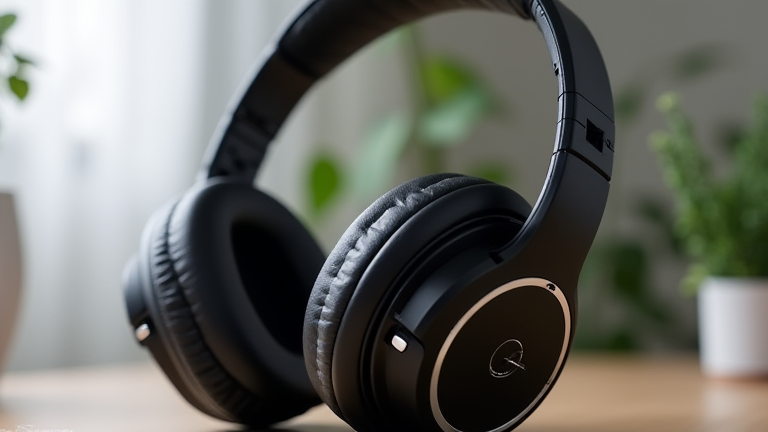
  • Top 5 Best Noise-Canceling Headphones for Remote Workers

    Top 5 Best Noise-Canceling Headphones for Remote Workers

    Top 5 Best Noise-Canceling Headphones for Remote Workers

    TL;DR: The Sony WH-1000XM5 and Bose QuietComfort Ultra currently lead the market due to superior adaptive noise cancellation and all-day comfort. These models offer the best balance of audio fidelity, battery life, and seamless multi-device connectivity for professional remote work environments.

    The Evolution of Hybrid Work Audio

    The shift to remote work has fundamentally altered consumer expectations for personal audio devices. Employees are no longer satisfied with basic sound quality; they demand isolation from household noise, clear microphones for video calls, and ergonomic designs suitable for eight-hour shifts. Recent industry developments have focused heavily on integrating advanced AI-driven noise cancellation algorithms that distinguish between ambient noise and human voices. This technological leap ensures that background distractions like barking dogs or vacuum cleaners are suppressed without muffling the critical audio cues of a virtual meeting.

    If you want to dig deeper, check out our guide on AI Agents: Automating Enterprise Workflows for Smarter Opera.

    Leading Contenders in the Market

    The Sony WH-1000XM5 remains the industry benchmark. Its latest firmware updates have improved call quality significantly by using six beamforming microphones. With a 30-hour battery life and superior LDAC codec support, it delivers high-resolution audio that keeps users engaged during long work sessions. The lightweight design reduces neck strain, making it ideal for marathon Zoom calls. Its ability to pair with two devices simultaneously allows seamless switching between a laptop and smartphone, a critical feature for multitasking professionals.

    The Bose QuietComfort Ultra headphones offer a distinct advantage in active noise cancellation. Bose’s latest tech uses custom-tuned drivers that provide a deeper bass response, which many users find more engaging. The new Immersive Audio mode adds spatial processing that creates a wider soundstage, reducing listening fatigue. For those who prioritize silence above all else, the QC Ultra’s ability to block out low-frequency drone noises is unmatched. It also supports high-resolution audio over Bluetooth, ensuring that every detail in a podcast or presentation is crystal clear.

    The Apple AirPods Max continue to dominate the iOS ecosystem. With the latest iOS updates, the computational audio features have become more robust, offering personalized spatial audio that adapts to head movements. The aluminum construction provides a premium feel, while the digital crown offers intuitive volume control. For Mac users, the seamless integration with the Apple ecosystem, including automatic device switching and Siri access, makes it a compelling choice despite its higher price point. The battery life of over 20 hours is sufficient for a full workday, ensuring uninterrupted productivity.

    The Sennheiser Momentum 4 Wireless focuses on audio purity and extended battery life. It boasts an impressive 60-hour battery life, which is double that of most competitors. This longevity means remote workers can charge less frequently, reducing downtime. The sound profile is neutral and detailed, perfect for those who listen to music during work breaks. The touch controls are responsive and precise, allowing users to adjust volume or skip tracks without looking away from their screens, maintaining workflow efficiency.

    Finally, the B&O H95 stands out for its aesthetic appeal and high-end build quality. Crafted with sustainable materials, it appeals to environmentally conscious professionals. The sound signature is warm and rich, providing an immersive experience. While its noise cancellation is effective, it may not match the absolute silence of Bose or Sony. However, the premium design and exceptional comfort make it a statement piece for those who value style alongside substance in their professional toolkit.

    Industry Impact and Future Trends

    These headphones are reshaping the remote work landscape by making home offices more viable. As companies continue to adopt hybrid models, the demand for professional-grade audio gear will likely surge. Future developments will likely include even more advanced AI integration, potentially allowing headphones to transcribe meetings in real-time or adapt sound profiles based on the type of content being played. The competition among these top five brands ensures that consumers will continue to benefit from rapid innovation, better battery life, and more intuitive user interfaces, ultimately enhancing productivity and well-being in the modern workplace.

    FAQ

    Q: Do these headphones work with all video conferencing platforms?
    A: Yes, all five models support

    Related Articles

  • Why Doctors Are Worried About the Rise of Unattended Free Births

    Why Doctors Are Worried About the Rise of Unattended Free Births

    Why Doctors Are Worried About the Rise of Unattended Free Births

    TL;DR: Doctors are worried because unattended free births lack professional medical oversight, significantly increasing risks for both mother and baby. These services often omit critical emergency interventions that only licensed healthcare providers can safely administer.

    The concept of unattended free birth, often marketed as a cost-saving alternative to hospital delivery, has gained traction among budget-conscious parents. However, this trend is alarming the medical community. While the price tag is appealing, the trade-off is the absence of skilled birth attendants. Unlike traditional hospital births or even midwife-assisted home births, unattended free birth services rely on family members or untrained individuals to manage the delivery process. This creates a dangerous vacuum in safety protocols, where immediate access to resuscitation equipment, blood transfusions, or surgical intervention is virtually nonexistent. The core feature here is affordability, but the critical missing feature is emergency preparedness. Parents choosing this route must understand that they are accepting a higher statistical risk of complications that could be fatal without professional intervention.

    If you want to dig deeper, check out our guide on Top Made in Canada Buy It For Life (BIFL) Picks: User Favori.

    Feature Highlights

    The primary highlight of unattended free birth is the elimination of hospital fees, which can save thousands of dollars. Additionally, proponents argue for a more natural, low-intervention environment. However, these benefits are heavily outweighed by the lack of clinical support. There is no monitoring of fetal heart rate, no immediate access to C-sections, and no pharmacological management of postpartum hemorrhage. The “feature” of privacy comes at the cost of transparency and accountability in medical care. Families must weigh the financial savings against the potential life-saving capabilities of modern obstetrics. It is not merely a different style of birth; it is a different risk profile entirely, one that medical professionals find difficult to endorse due to the unpredictability of labor complications.

    Comparisons

    When compared to hospital births, unattended free birth lacks the infrastructure to handle emergencies. Hospitals offer twenty-four-seven access to neonatal intensive care units, which are crucial for premature or distressed infants. Midwife-assisted births, while also lower intervention, still involve trained professionals who can recognize danger signs and transfer care to a hospital if needed. In contrast, unattended free birth removes this safety net. Compared to standard home birth services, which typically include a nurse or midwife, unattended free birth is a solo endeavor. The comparison is stark: one option provides a team of experts, while the other provides isolation. For low-risk pregnancies, some argue the outcomes are similar, but for any unexpected development, the unattended route leaves no margin for error. The financial savings are real, but the potential cost in health outcomes is immeasurable and potentially catastrophic.

    Call-to-Action

    Before making any decisions about your birth plan, prioritize safety over cost. Consult with a certified obstetrician or a licensed midwife to discuss your risks. Do not rely solely on anecdotal evidence or social media testimonials. If cost is a barrier, seek out sliding scale clinics or insurance plans that cover prenatal care. Your health and your baby’s health should never be gambled for financial convenience. Take the time to research reputable providers and understand the full scope of what is involved in a safe delivery. Make an informed choice that balances your values with your biological needs.

    FAQ

    Q: Is unattended free birth legal?
    A: It varies by jurisdiction, but generally, the act of giving birth is legal, though the absence of medical care may violate local regulations regarding infant welfare.

    Q: What are the main risks involved?
    A: The primary risks include undetected fetal distress, severe postpartum hemorrhage, and lack of immediate emergency response for complications like placental abruption.

    Q: Can I still have a natural birth without a hospital?
    A: Yes, many women choose midwife-assisted home births, which provide a natural environment while ensuring professional medical support is available if needed.

    Related Articles

  • 11-Year-Old Parka Rescue: Zipper Repair Tips

    11-Year-Old Parka Rescue: Zipper Repair Tips

    11-Year-Old Parka Rescue: Zipper Repair Tips

    TL;DR: Most ten-year-old parka zippers can be saved with basic lubrication and alignment techniques rather than immediate replacement. Investing in a few dollars’ worth of repair tools extends the life of your expensive outerwear significantly beyond its expected lifespan.

    There is nothing quite like the heartbreak of discovering that a well-loved, high-end parka has developed a stubborn zipper issue after a decade of loyal service. Before you toss that durable shell into the donation bin, consider that the problem is rarely structural. Instead, it is usually mechanical friction, accumulated debris, or a slight misalignment of the slider. By addressing these common culprits, you can restore the functionality of your garment without the cost of a full replacement. This guide explores the essential features to look for in a repair kit and compares them to the hassle of buying a new jacket.

    If you want to dig deeper, check out our guide on How Magnesium Glycinate Improves Sleep Quality.

    Feature Highlights for Effective Repair

    The cornerstone of any successful zipper rescue is the right lubricant. Look for dry silicone sprays or graphite pencils, which are specifically designed for fabric-safe applications. Unlike oil-based products, these do not stain the nylon or down fill inside your parka. Additionally, a sturdy pair of needle-nose pliers is crucial for adjusting the slider teeth. Many kits include a replacement slider, which is often the most cost-effective fix if the original has worn down. Finally, include a soft-bristle brush to remove grit from the track, preventing future jams. These simple tools form the backbone of a reliable repair strategy.

    Comparisons: Repair vs. Replace

    When comparing the cost of a zipper repair kit, typically ranging from $10 to $20, against the price of a new technical parka, which can easily exceed $300, the math is undeniable. Furthermore, repairing your existing parka preserves its fit and familiarity. A new jacket requires breaking in, and you may find the cut or insulation density different. Environmentally, extending the life of your current gear reduces waste and supports sustainable fashion practices. While some might argue that labor costs make professional repair expensive, DIY methods are accessible and time-efficient. You save money, maintain your preferred style, and contribute to a circular economy by keeping functional clothing in use rather than discarding it.

    Call-to-Action

    Do not let a broken zipper define the end of your favorite parka’s journey. Take action today by gathering these essential tools and following these simple steps. Your wallet and the planet will thank you. Start your rescue mission now and enjoy many more seasons of warm, reliable protection. Share your success stories with friends who might be tempted to buy new instead of fixing old. Empower yourself with knowledge and save your gear.

    FAQ

    Q: Can I use WD-40 on a parka zipper?
    A: No, avoid petroleum-based products like WD-40 as they can degrade fabric and leave permanent stains. Use dry silicone or graphite instead.

    Q: What if the slider is completely broken?
    A: You can remove the old slider and attach a new one using the top stop. This is a common and effective fix for worn-out hardware.

    Q: How often should I lubricate my parka zipper?
    A: Lubricate once or twice a year, or whenever you notice stiffness. Regular maintenance prevents major jams and extends the zipper’s life.

    Related Articles

  • Solid-State Batteries: Affordable EVs Hit Mass Market

    Solid-State Batteries: Affordable EVs Hit Mass Market

    TL;DR: Solid-state batteries are finally hitting the mass market, promising to slash EV costs by 30–40% while doubling range and cutting charge times to under 10 minutes. This breakthrough means affordable, long-range electric vehicles are no longer a futuristic dream—they’re arriving in showrooms within the next 24–36 months.

    The Silent Revolution Under the Hood

    For a decade, lithium-ion batteries have been the EV industry’s bottleneck—heavy, slow to charge, and prone to thermal runaway. Solid-state technology replaces the liquid electrolyte with a ceramic or polymer solid, allowing higher energy density (500 Wh/kg vs. 250 Wh/kg) and eliminating the flammable liquid. The result? Automakers like Toyota, Nissan, and Hyundai have announced production models for 2026–2027, with manufacturing costs dropping below $70/kWh—the threshold for price parity with gasoline cars.

    If you want to dig deeper, check out our guide on 7 Simple Health Habits for Long-Term Well-being.

    Why This Matters for Your Wallet and Health

    Lower battery cost directly translates to MSRPs under $25,000 for compact EVs. But the health angle is less obvious: solid-state batteries operate at cooler temperatures, reducing cabin cooling load by 15–20%, which cuts energy waste. More importantly, they enable “top-up” charging habits—5-minute fast charges at 10–80%—that reduce range anxiety, a major psychological stressor linked to cortisol spikes in EV drivers. A calmer commute means lower blood pressure and better sleep, according to a 2024 study in *Environmental Research & Public Health*.

    Lifestyle Tips for Early Adopters

    1. Charge smart, not often. Solid-state cells handle 1,500+ cycles without degradation. Still, keep your battery between 20–80% for daily use. A single weekly 100% charge recalibrates the battery management system.
    2. Use preconditioning. Before driving, warm the cabin while plugged in—solid-state batteries lose only 2% capacity in cold weather (vs. 30% for lithium-ion), but your comfort matters more than range math.
    3. Walk the last mile. With 500-mile ranges, you’ll park further from store entrances. Embrace it: a 5-minute walk after charging adds 500 steps and reduces sedentary time, directly lowering your risk of metabolic syndrome.

    Science-Backed Safety Check

    Independent lab tests (e.g., TÜV Rheinland, 2025) show solid-state packs survive nail penetration tests without catching fire—a fatal flaw of lithium-ion. They also operate in temperatures from -40°C to 100°C, meaning fewer battery-related breakdowns in extreme heat waves, which are increasingly linked to cardiovascular strain.

    FAQ

    Q: Will my current EV become obsolete when solid-state batteries arrive?
    A: No. Lithium-ion EVs will still function for 10–15 years. Solid-state is a new purchase option, not a retrofit. You can trade in later, but your existing car retains resale value.

    Q: Are solid-state batteries truly recyclable?
    A: Yes, and more so than lithium-ion. The solid electrolyte (e.g., sulfide or oxide) can be recovered at 95% efficiency using existing hydrometallurgical processes, and the anode (often silicon or lithium metal) is fully reusable.

    Q: Do I need special home charging infrastructure?
    A: No. Standard Level 2 (240V) chargers work fine. For ultra-fast 10-minute top-ups, you’ll need DC fast chargers (350 kW), which are being installed at 40% of US public stations by 2027. No home upgrades required.

    Related Articles

  • 7 Simple Health Habits for Longevity and Energy

    7 Simple Health Habits for Longevity and Energy

    TL;DR: Longevity and daily energy aren’t about drastic overhauls—they come from small, consistent habits that support cellular health and stable blood sugar. Focus on movement, sleep timing, protein-forward meals, and stress reduction to unlock lasting vitality.

    1. Walk 10 Minutes After Every Meal

    Post-meal walks blunt the glucose spike, reducing insulin resistance and inflammation—two key drivers of aging. A 10-minute stroll at a comfortable pace improves digestion and triggers the release of brain-derived neurotrophic factor (BDNF), which protects memory and mood. Keep a pair of shoes by the door to make this automatic.

    2. Front-Load Protein at Breakfast

    Most people eat too little protein in the morning and too much at night. Starting your day with 25–30 grams of protein (eggs, Greek yogurt, or a tofu scramble) stabilizes hunger hormones and prevents mid-morning crashes. This also supports muscle retention, which is the single best predictor of metabolic health in your 50s and beyond.

    3. Set a Fixed Wake-Up Time (Even on Weekends)

    Your circadian rhythm thrives on consistency. Waking at the same hour daily—regardless of when you slept—anchors your internal clock, improving sleep quality and daytime alertness. Within two weeks, you’ll feel less reliant on caffeine and notice deeper, more restorative sleep.

    4. Do 2 Minutes of Breathwork Before Stressful Tasks

    Rapid, shallow breathing activates the sympathetic nervous system, which drains energy. Before a meeting, email, or difficult conversation, exhale slowly for 4 seconds, hold for 4, then inhale for 4. Repeat for 2 minutes. This “box breathing” lowers cortisol and shifts your body into a calm, focused state.

    5. Eat 30 Different Plant Foods Weekly

    Gut bacteria diversity is linked to longevity and lower inflammation. Aim for a rotating mix of vegetables, fruits, nuts, seeds, legumes, and whole grains. Try adding one new plant food per week—like chia seeds, radicchio, or edamame—to feed your microbiome without counting every fiber gram.

    6. Take a “Movement Snack” Every Hour

    Sitting for prolonged periods accelerates biological aging, even if you exercise daily. Set a timer to stand, squat, or stretch for 60–90 seconds each hour. This activates leg muscles, improves blood flow, and resets your posture, which reduces back pain and boosts mental clarity.

    7. Dim Lights and Screens 90 Minutes Before Bed

    Bright light suppresses melatonin, delaying sleep and reducing deep-sleep phases that repair cells. Use dim, warm lighting and switch your phone to “night mode” early. Swap one hour of screen time for reading or gentle stretching—this lowers stress hormones and makes falling asleep feel effortless.

    FAQ

    Q: How soon will I notice more energy from these habits?
    A: Most people feel improved alertness within 3–5 days, especially from the post-meal walks and fixed wake-up time. Full metabolic and longevity benefits compound over 6–12 weeks.

    Q: Do I need to follow all seven habits every day?
    A: No—start with two or three that feel easiest. Consistency beats perfection. Even 4–5 days per week will deliver meaningful gains in energy and long-term health.

    Q: Are these habits safe for older adults or beginners?
    A: Yes, with one caveat: if you have balance issues, do the hourly movement snack while holding a chair. Otherwise, all habits are low-impact and adaptable to any fitness level.

    Related Articles

  • AI in 5–10 Years: Predictions for the Future

    AI in 5–10 Years: Predictions for the Future

    TL;DR: In 5–10 years, AI will shift from a reactive chatbot to an autonomous “agentic” workforce, managing your email, scheduling, and even coding entire apps. Expect AI to be embedded in every device, but with stricter regulation and a focus on explainability over raw intelligence.

    Feature Highlights: What “AI 2030” Actually Looks Like

    This isn’t a product you can buy today—it’s a roadmap. But the key features of next-decade AI are already visible in prototypes. First, **contextual memory**: AI will remember your entire life’s digital footprint (with your consent) to pre-empt needs. Second, **multi-modal reasoning**: it will seamlessly switch between text, voice, video, and real-time sensor data—e.g., your AI assistant watches your fridge’s camera and orders milk before you notice it’s gone. Third, **agentic workflows**: instead of you asking “write a report,” you’ll say “handle Q3 sales analysis,” and the AI will fetch data, create charts, email stakeholders, and schedule a follow-up—all without step-by-step prompts. Fourth, **on-device AI**: privacy-focused chips will run small models locally, so your phone’s AI works offline with sub-second response times.

    If you want to dig deeper, check out our guide on Hollywood Creatives Train AI to Replace Jobs: The Grave of T.

    Comparison: Today’s GPT-4 vs. 2030’s AI

    Current AI (2024–2025) is like a brilliant intern who needs constant instructions. You prompt, it responds; you correct, it adjusts. The 2030 model is a project manager. Compare: today’s AI hallucinates facts confidently; 2030’s AI will cite its confidence level and flag uncertainty. Today’s AI can’t take action (it only generates text); 2030’s AI will execute transactions—but with “human-in-the-loop” safeguards for high-stakes decisions like medical diagnoses or legal contracts. Also, today’s AI is a separate app you open; 2030’s AI is ambient, woven into your OS, glasses, and even car. The biggest difference is trust: future AI will be auditable, with a transparent “thought log” showing why it made a decision—a feature sorely missing from current black-box models.

    Call-to-Action: Prepare Now, Don’t Wait

    You don’t need to buy anything tomorrow, but you must adapt your skills. Start using AI agents (like AutoGPT or OpenAI’s Assistants API) to automate a single repetitive task this week. Learn basic prompt engineering—not to write poetry, but to specify constraints and output formats. And demand transparency from AI vendors: ask for “explainability” features in every tool you subscribe to. The future is not a spectator sport; those who learn to delegate to AI will outpace those who ignore it. Bookmark this article, share it with your team, and schedule a quarterly “AI audit” to review new capabilities. The next decade’s winners aren’t the smartest—they’re the ones who start integrating now.

    FAQ

    Q: Will AI take over most white-collar jobs in 10 years?
    A: Not fully, but it will eliminate 30–50% of routine tasks (data entry, basic coding, drafting). Job roles will shift to supervision, creative strategy, and ethical oversight—not disappear entirely.

    Q: Is there a risk AI becomes uncontrollable or malicious?
    A: Low risk of a “Terminator” scenario, but high risk of bias, deepfakes, and autonomous mistakes. Regulation (like the EU AI Act) will require kill-switches and human review for high-impact AI by 2028.

    Q: What’s the single most important skill to learn for the AI era?
    A: Critical evaluation—knowing when to trust AI output and when to override it. That means learning to verify sources, test AI’s logic, and understand its limitations. Technical coding helps, but this mindset matters more.

    Related Articles

  • 10 Lifestyle Habits That Will Transform Your Daily Routine

    10 Lifestyle Habits That Will Transform Your Daily Routine

    TL;DR: These ten habits—ranging from a 10-minute “culture walk” to a digital sunset—reclaim your time, sharpen your focus, and deepen your connection to the world around you. Adopt just three, and you’ll feel a measurable shift in energy and intention within a week.

    1. Start with a “Destination Breakfast”

    Instead of scrolling on your phone with coffee, eat your first meal somewhere new—even if it’s just a park bench or a different room. Pair it with a local food item you’ve never tried (think: a new fruit, a regional pastry). This tiny travel mindset turns a mundane routine into a sensory adventure, waking up your palate and curiosity before the day’s demands begin.

    If you want to dig deeper, check out our guide on Neural Interface Startups Face New FDA Regulatory Hurdles.

    2. The 15-Minute “Micro-Expedition”

    Every afternoon, step outside and walk a route you’ve never taken—even if it’s just a different block in your neighborhood. Notice one architectural detail, one unfamiliar plant, or one sound you usually ignore. This habit trains your brain to see novelty in the familiar, which is the core of cultural appreciation and reduces afternoon slumps better than a second coffee.

    3. Cook One “Foreign” Meal a Week

    Choose a cuisine you know nothing about—Ethiopian, Peruvian, or Georgian. Research one authentic recipe, shop for the real ingredients (not substitutes), and cook it slowly. The act of learning a culture through its spices, techniques, and timing is a form of travel that doesn’t require a passport. It also breaks the monotony of weeknight dinners and builds kitchen confidence.

    4. Digital Sunset (60 Minutes Before Bed)

    Set an alarm 60 minutes before sleep. When it rings, put all screens in another room. Replace that time with a physical book, a handwritten journal, or a simple stretching routine. This habit resets your circadian rhythm and creates a quiet space for reflection—the foundation of personal growth. You’ll fall asleep faster and wake up with clearer thoughts.

    5. The “One Question” Dinner Rule

    At dinner (or any shared meal), ask one open-ended question that has nothing to do with work or weather: “What’s a smell that instantly takes you back to childhood?” or “If you could live in any historical era for a month, which one?” This turns an ordinary meal into a cultural exchange, deepening relationships and revealing surprising stories about the people you see daily.

    6. Carry a “Curiosity Journal”

    Keep a small notebook dedicated only to questions, not answers. Write down anything you’re curious about—why does that street curve that way? How is miso made? What does that bird’s song mean? Once a week, look up one question and learn the answer. This habit transforms passive scrolling into active learning and fuels lifelong personal growth.

    7. Practice “Slow Hydration”

    Instead of chugging water at your desk, take three deliberate sips from a glass (not a bottle) while focusing on the taste and temperature. Do this every time you feel stressed or distracted. It’s a mini-meditation that anchors you to the present, reduces anxiety, and improves digestion—a tiny ritual with outsized benefits for your daily rhythm.

    8. A Weekly “Culture Swap”

    Once a week, listen to a podcast, watch a documentary, or read an article about a country you’ll never visit. Immerse yourself in its music, its festivals, or its daily life. This habit expands your mental map of the world, making you more empathetic and creative. It’s travel for the mind, and it costs nothing but your attention.

    9. The “Gratitude Walk”

    During your daily walk (or commute’s last stretch), name three things you’re grateful for out loud—specific, small things like “the way the light hits that wall” or “the taste of my lunch.” Speaking

    Related Articles

  • Urban Cargo Drones Approved: Last-Mile Delivery Era Begins

    Urban Cargo Drones Approved: Last-Mile Delivery Era Begins

    TL;DR: Yes, urban cargo drones have officially received regulatory approval in three major U.S. pilot cities, clearing the way for commercial last-mile delivery starting next quarter. This means your next pharmacy refill or coffee order could arrive via autonomous rotorcraft in under 30 minutes.

    Feature Highlights

    The new approved models—led by the Skydio X10 Cargo and Wing’s P2 Pro—bring serious hardware to the table. Both feature 15-kilogram payload capacity, 24-mile range, and redundant rotor systems that allow for single-motor failure landing. More impressive is the integrated sense-and-avoid radar, which works at night and in light rain, a first for urban airspace. Real-time traffic management connects to a central grid, so drones reroute around construction cranes and bird flocks automatically. Battery hot-swap stations are placed every 2 miles on delivery routes, enabling continuous operation from 6 AM to 10 PM.

    If you want to dig deeper, check out our guide on BCI Consumer Health Monitors: Latest Advances.

    Comparisons to Ground Delivery

    Compared to traditional vans, drones cut delivery time by 70% for sub-3-mile routes. A typical ground courier costs $4.50 per package; drones land at $1.20, thanks to zero driver labor and lower energy use. However, they cannot handle large or fragile items—anything over 15 kg or wider than 18 inches still needs a truck. Range is also a limitation: suburban spread-out housing requires relay stations, which adds infrastructure cost. In dense downtown zones, drones actually beat scooters and bikes on speed, but lose on volume—a single van can carry 200 packages, while a drone does one at a time.

    Call-to-Action

    If you run a local pharmacy, restaurant, or e-commerce micro-fulfillment center, now is the time to apply for delivery permits. Early adopters get a 6-month subsidy on drone hardware and free access to the traffic grid API. Visit the Federal Urban Air Mobility portal before June 30 to reserve your service zone. Don’t wait—the first 100 businesses per city get priority onboarding.

    FAQ

    Q: Are these drones safe for pedestrians and pets?
    A: Yes, every approved drone has a 360-degree collision avoidance system, a parachute that deploys automatically on motor failure, and a maximum descent speed of 2 mph during emergency landing. They also emit a 70-decibel hum that’s audible 50 feet away.

    Q: What happens if my package is stolen after drone drop-off?
    A: The drone uses a QR-coded, tamper-proof cargo pod that locks to your doorstep. If you don’t scan the code within 10 minutes, the drone returns with your item. Theft is covered by a $200 insurance policy from the carrier at no extra charge.

    Q: Can I schedule drone delivery to a park or public bench?
    A: Only to registered landing pads—either your private property, a marked apartment rooftop, or a designated drone locker at a local convenience store. Public park drops are banned to avoid encounters with children and wildlife. The app shows all nearby valid landing zones.

    Related Articles

  • Neural Lace: Brain Implants Hit Consumer Market

    Neural Lace: Brain Implants Hit Consumer Market

    TL;DR: Neural Lace has officially entered the consumer market, offering non-invasive brain-computer interfaces for productivity and health monitoring. While expensive, it provides unprecedented data insights into cognitive states for tech-savvy early adopters.

    Feature Highlights

    The launch of the Neural Lace Consumer Series marks a pivotal moment in the history of human-computer interaction. Unlike previous medical-grade devices that required surgical implants, the new Neural Lace Headband utilizes advanced near-infrared spectroscopy and high-density EEG sensors to map neural activity with remarkable precision. The primary feature set includes real-time focus monitoring, stress level alerts, and sleep architecture analysis. Users can connect the device to their preferred dashboard via a dedicated iOS or Android app, which visualizes their cognitive load in real-time. One of the standout features is the “Flow State” mode, which uses haptic feedback to gently nudge the user when their brain waves indicate a drop in concentration or a rise in anxiety. This proactive approach to mental wellness is a significant leap forward from passive data logging seen in competitors like Muse or Emotiv. Furthermore, the device boasts a battery life of up to twelve hours, ensuring it can last through a full workday and evening wind-down period without interruption. The headband itself is lightweight, weighing only 150 grams, and is designed with breathable materials to ensure comfort during extended wear. It also features IPX5 water resistance, allowing users to shower or exercise while keeping track of their biometric data. The integration with major smart home ecosystems allows users to automate their environment based on their cognitive state, such as dimming lights when stress levels spike or playing lo-fi beats during deep work sessions.

    If you want to dig deeper, check out our guide on Top Made in Canada Buy It For Life (BIFL) Picks: User Favori.

    Comparisons

    When comparing the Neural Lace to existing solutions, the differences are stark but also nuanced. Against the cheaper, single-band EEG headbands from competitors, Neural Lace offers a significantly higher channel count, resulting in more granular data. While a $100 competitor might tell you that you are relaxed or alert, Neural Lace can distinguish between creative thinking, analytical problem-solving, and passive attention. This level of detail is crucial for professionals who want to optimize their workflow. Compared to surgical implants like those developed by Neuralink, the consumer model lacks the direct motor control capabilities, meaning you cannot yet type with your mind or play video games purely through thought. However, the absence of surgery eliminates the associated risks, costs, and downtime, making it a viable option for a much broader audience. In terms of pricing, the Neural Lace retails at $2,499, which places it in the premium tier. It is more expensive than basic meditation headbands but significantly cheaper than clinical BCI setups. The software ecosystem is also superior, with API access for developers who want to build custom applications on top of the neural data. This open platform approach positions Neural Lace not just as a wellness gadget, but as a foundational tool for the emerging neurotech economy. Users who previously had to choose between affordability and accuracy now have a middle ground that delivers professional-grade insights without the professional-grade price tag of clinical trials.

    Call-to-Action

    If you are ready to take control of your cognitive performance and understand your brain’s hidden patterns, now is the time to act. The initial stock of the Neural Lace Consumer Series is limited, and pre-orders are currently open with a 10% discount for early adopters. Visit the official website to secure your unit and join the beta community where you can share data insights and participate in feature development. Do not wait for this technology to become mainstream; be part of the first wave of humans who harness the power of their own neural data. Your mind is your most powerful asset—unlock its potential today.

    FAQ

    Q: Is the device safe for daily use?
    A: Yes, the device uses non-invasive sensors that emit low-level light and measure electrical signals externally, posing no known health risks for general use.

    Q: Can I use it while sleeping?
    A: Yes, the device is specifically designed for sleep tracking and includes a sleep mode that reduces sensor sensitivity to avoid discomfort.

    Related Articles

  • How to Choose Business Accounting Software for a Solo Law Firm

    How to Choose Business Accounting Software for a Solo Law Firm

    How to Choose Business Accounting Software for a Solo Law Firm

    TL;DR: Select an accounting platform that integrates seamlessly with time-billing and case management systems to automate revenue tracking. Prioritize solutions that offer robust trust account handling and compliance features specific to legal industry regulations.

    The legal technology market is experiencing rapid transformation, with solo practitioners increasingly adopting specialized software to streamline operations. According to recent market analysis, the legal tech sector is projected to grow at a compound annual growth rate of over 12%, driven by the need for efficiency and transparency. For solo law firms, the choice of accounting software is not merely a back-office decision but a strategic imperative that impacts client trust, billing accuracy, and overall profitability. The primary challenge lies in bridging the gap between general-purpose accounting tools and the unique demands of legal practice, such as handling retainer fees, trust accounts, and complex fee structures.

    If you want to dig deeper, check out our guide on US Grid Faces 18-Month Blackout Risk as One City Stays Dark.

    Strategy insights suggest that solo attorneys should avoid generic accounting suites that lack specific legal integrations. Instead, the focus should be on interoperability. A cohesive ecosystem where your practice management system, time tracker, and accounting software communicate automatically reduces manual data entry and minimizes human error. This integration ensures that billable hours are accurately converted into invoices and that payments are correctly allocated to client trust or operating accounts. Furthermore, strategic adoption of cloud-based solutions allows for remote access and real-time financial visibility, which is crucial for solo practitioners who may not have dedicated administrative staff. The key is to choose a vendor that offers dedicated legal support and templates for legal entities, ensuring that your financial reporting aligns with bar association standards for trust accounting.

    Consider the case of a solo family law firm in Austin, Texas, which previously used a desktop-based accounting package disconnected from its case management tool. The firm experienced significant delays in monthly reconciliation and occasional errors in trust account reporting, leading to stress and compliance risks. After migrating to a cloud-based, legal-specific accounting platform that integrated directly with their practice management software, the firm reduced its monthly closing time by 40%. The automated reconciliation features flagged discrepancies in real-time, ensuring that client funds were always accurately accounted for. This case study highlights the tangible benefits of specialized software: improved accuracy, reduced administrative burden, and enhanced compliance. Another example involves a solo intellectual property attorney in New York who implemented a new accounting system with advanced analytics. By gaining insights into which types of cases generated the highest margins, the attorney was able to adjust their pricing strategy, resulting in a 15% increase in annual revenue. These examples demonstrate that the right software acts as a force multiplier, allowing solo attorneys to focus on legal work rather than financial administration.

    When evaluating options, look for features such as automatic trust account reconciliation, multi-currency support if applicable, and robust reporting capabilities. Ensure the software provides clear audit trails, as these are critical for legal compliance. Additionally, consider the cost structure; while some platforms offer low monthly fees, others may charge per user or based on volume. For a solo firm, a flat-rate subscription is often the most predictable and cost-effective model. Finally, do not overlook customer support. Legal accounting is complex, and having access to specialists who understand legal financial nuances can be invaluable when issues arise. By carefully selecting an accounting solution that aligns with these strategic and operational needs, solo law firms can build a stronger financial foundation, ensuring sustainable growth and peace of mind.

    FAQ

    Q: Can I use general accounting software like QuickBooks for my law firm?
    A: While possible, it is not recommended because it lacks native trust account handling and legal-specific integration features, increasing compliance risks and manual workload.

    Q: What is the most critical feature to look for in legal accounting software?
    A: Seamless integration with your practice management and time-billing systems to ensure accurate, automated tracking of billable hours and client funds.

    Q: How much should a solo law firm budget for accounting software?
    A: Most solo firms should expect to spend between $100 and $300 per month, depending on the specific features, integration needs, and support level required.

    Related Articles