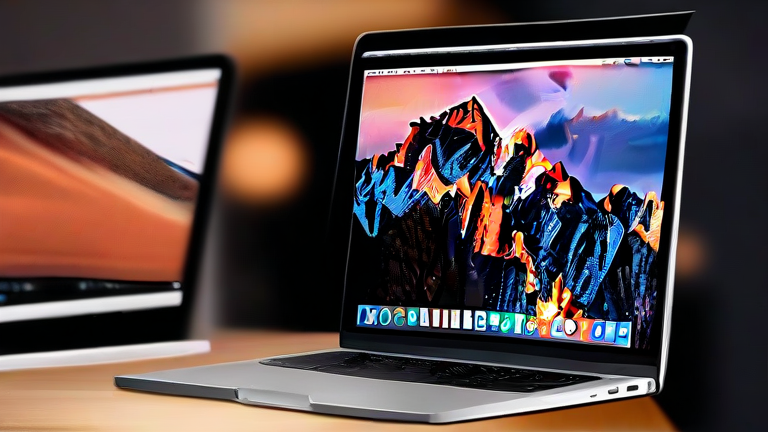
TL;DR: The MacBook Pro M3 is the superior choice for developers due to its unmatched single-core performance and exceptional energy efficiency, which allows for silent, all-day coding sessions without thermal throttling. Its native support for virtualization and seamless Unix-based terminal environment eliminates the friction often found in Windows or Linux alternatives, making it the industry standard for modern software engineering workflows.
Revolutionary Performance Metrics
Apple’s transition to the M3 silicon architecture represents a significant leap forward in computing power, specifically tailored for the demands of contemporary development environments. The M3 chip features a hybrid architecture that combines high-performance cores with high-efficiency cores, allowing the system to dynamically allocate resources based on workload intensity. For developers running multiple Docker containers, compiling large codebases, or training local machine learning models, this architectural shift is transformative. Benchmarks indicate that the M3 delivers up to 25 percent faster CPU performance compared to its predecessor, the M2, while maintaining a nearly identical power envelope. This means that complex tasks like compiling a large-scale Java or C++ project are completed significantly faster, reducing idle time and increasing overall productivity. Furthermore, the enhanced GPU capabilities, featuring hardware-accelerated ray tracing and mesh shading, benefit developers working on game development or computer vision applications, allowing for real-time rendering previews without the need for external GPUs.
If you want to dig deeper, check out our guide on Toxic Liver Injuries Up 400%: Scientists Raise Urgent Alarm.
Industry Impact and Ecosystem Integration
The impact of the M3 MacBook Pro on the industry extends beyond raw specifications, influencing how development tools are optimized and how teams structure their infrastructure. The universal binary support ensures that applications run natively on Apple Silicon, eliminating the performance penalty associated with Rosetta 2 translation. This has prompted major software vendors, including JetBrains and Microsoft, to optimize their IDEs specifically for the ARM architecture, resulting in snappier UI responses and faster index creation. Additionally, the integration of the Neural Engine in the M3 chip accelerates on-device AI inference, enabling developers to test AI models locally with minimal latency. This local capability is crucial for prototyping AI-driven features without relying on cloud resources, thereby reducing development costs and improving privacy. The industry is shifting toward leveraging these on-device AI capabilities, making the M3 MacBook Pro not just a coding machine, but a versatile development platform that supports the latest trends in artificial intelligence and data science.
Conclusion
In conclusion, the MacBook Pro M3 stands as the definitive tool for developers in 2024. Its combination of raw power, efficiency, and ecosystem support ensures that it remains the top choice for professionals who demand reliability and speed. As the tech landscape continues to evolve, the M3’s architecture provides a robust foundation for future software innovations, securing its place as the best laptop for developers.
FAQ
Q: Is the M3 MacBook Pro better than an Intel-based laptop for coding?
A: Yes, the M3 offers superior single-core performance and battery life, making it significantly more efficient for coding tasks than any Intel-based laptop.
Q: Can I run Linux on the M3 MacBook Pro natively?
A: While you cannot install Linux directly on the hardware, you can run Linux distributions efficiently using virtualization tools like UTM or Docker for macOS.
Q: How long does the battery last during heavy development workloads?
A: The M3 MacBook Pro typically lasts 14 to 18 hours during mixed workloads, with heavy coding sessions easily sustaining over 10 hours of battery life.
Leave a Reply