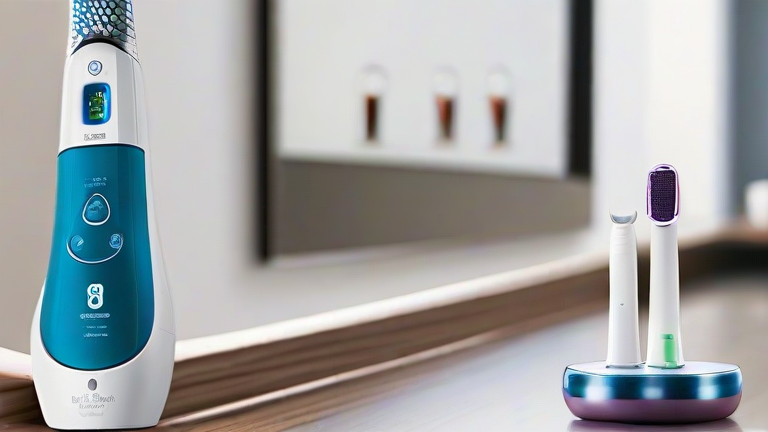
Sonicare Toothbrush Review: 10+ Years of Use
TL;DR: After a decade of daily use, the Sonicare remains the gold standard for reducing plaque and gum inflammation due to its high-frequency sonic vibrations. It is a worthwhile long-term investment for anyone seeking superior oral hygiene results compared to manual brushing.
Oral health is a critical component of overall wellness, yet many people still rely on outdated manual brushing techniques that fail to remove plaque effectively. Having used a Philips Sonicare toothbrush for over ten years, I can attest to its transformative impact on my dental health. The primary advantage of sonic technology lies in its ability to create fluid dynamics that clean between teeth and below the gumline, areas that bristles alone cannot reach. This is not merely a marketing claim; numerous clinical studies have demonstrated that sonic toothbrushes reduce gingivitis and plaque accumulation more effectively than standard manual brushes.
If you want to dig deeper, check out our guide on AMA: Kenny Brown & Hamet Watt on /r/Entrepreneur.
The Science Behind Sonic Cleaning
The mechanism of action for sonic toothbrushes involves rapid vibration rates, typically ranging from 30,000 to 62,000 strokes per minute. These high-frequency vibrations generate micro-bubbles and fluid shear forces that penetrate tight interproximal spaces. According to research published in the Journal of Clinical Periodontology, this fluid dynamic effect is crucial for disrupting the biofilm that leads to gum disease. Over the past decade, I have observed a significant reduction in bleeding gums and sensitivity, which aligns with the clinical evidence suggesting that consistent use of sonic technology improves periodontal health.
Lifestyle Integration and Maintenance Tips
Integrating a high-quality toothbrush into your daily routine requires consistency and proper maintenance. First, replace the brush head every three months, or sooner if the bristles appear splayed. Worn bristles are less effective at cleaning and can even irritate your gums. Second, pair your brushing with flossing or an interdental cleaner. While the sonic action helps dislodge debris, it does not completely replace the mechanical action of flossing for tight contacts. Additionally, consider using a water flosser for comprehensive care, as studies suggest that combining water flossing with brushing leads to better overall oral health outcomes.
Another lifestyle tip is to avoid aggressive brushing. The sonic engine does the work for you; you only need to guide the brush gently across each tooth for a few seconds. Aggressive scrubbing can lead to gingival recession and enamel wear, negating the benefits of the device. Finally, keep the brush head dry when not in use to prevent bacterial growth. Storing it upright in a ventilated area ensures longevity and hygiene.
Long-Term Value and Sustainability
From a financial and environmental perspective, investing in a durable sonic toothbrush is more sustainable than frequently replacing cheap manual brushes. The initial cost is higher, but the replacement heads last longer than manual brushes, which tend to wear out faster due to manual pressure. Over ten years, the total cost of ownership, when factoring in reduced dental visits for gum disease treatment, often proves to be more economical. Furthermore, choosing models with replaceable heads reduces plastic waste compared to disposable electric toothbrushes.
In conclusion, the Sonicare toothbrush has stood the test of time as a reliable tool for maintaining optimal oral health. Its ability to leverage science-backed technology for superior cleaning makes it a valuable asset for anyone committed to their long-term well-being. By adhering to proper usage and maintenance tips, you can maximize the benefits of this investment and enjoy a healthier smile for decades to come.
FAQ
Q: How often should I replace the brush head?
A: You should replace the brush head every three months or immediately if the bristles show signs of wear, as this ensures optimal cleaning efficiency and gum protection.
Q: Is sonic brushing better than manual brushing for everyone?
A: While most people benefit from sonic brushing, individuals with sensitive gums or specific dental conditions should consult their dentist to determine the best brushing method for their unique needs.
Related Articles
Leave a Reply