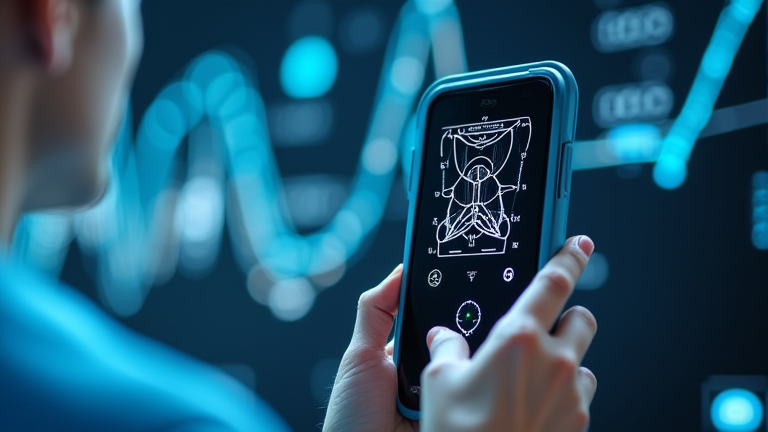
BCI Consumer Health Monitors: Latest Advances
TL;DR: Brain-Computer Interface (BCI) consumer monitors are rapidly evolving from experimental gadgets to practical wellness tools that track cognitive load and mental fatigue in real-time. These devices now offer seamless integration with popular health ecosystems, providing actionable insights for stress management and focus optimization without the need for invasive procedures.
The landscape of consumer health technology is undergoing a significant transformation with the rise of non-invasive BCI headsets. Unlike traditional wearables that rely solely on heart rate and step count, the latest BCI monitors decode electrical signals from the brain to provide a deeper understanding of mental states. This technological leap allows users to monitor their cognitive performance, detect early signs of burnout, and optimize their daily routines with unprecedented precision. As the hardware becomes smaller, lighter, and more comfortable, adoption rates are surging among professionals, students, and biohackers alike who seek a holistic view of their well-being.
If you want to dig deeper, check out our guide on Hollywood Creatives Train AI to Replace Them: Digging Our Ow.
Key Feature Highlights
Modern BCI devices, such as the latest iterations from established neurotech startups, feature advanced dry electrodes that eliminate the need for conductive gel, ensuring a hassle-free user experience. These sensors are designed for all-day comfort, making them suitable for both work environments and sleep tracking. The accompanying applications utilize machine learning algorithms to interpret EEG data, translating complex neural patterns into easy-to-understand metrics like focus scores, relaxation levels, and mental effort. Additionally, many new models support real-time biofeedback, enabling users to engage in mindfulness exercises or meditation with guided audio that adapts dynamically to their brainwave activity, thereby accelerating the learning process for mental control techniques.
Comparisons with Traditional Wearables
When compared to standard smartwatches, BCI monitors offer a distinct advantage by measuring internal mental states rather than just external physiological responses. While a smartwatch might detect an elevated heart rate during a stressful meeting, a BCI device can pinpoint the exact moment cognitive overload begins, allowing for proactive intervention. However, traditional wearables still hold the edge in battery life and overall physical activity tracking. The ideal solution for many consumers is a hybrid approach, using a BCI headset for deep work sessions or sleep optimization and a smartwatch for daily physical health monitoring. This complementary strategy provides a comprehensive health profile that neither device can achieve alone, bridging the gap between physical vitality and mental clarity.
The market is still maturing, and users should be mindful of data privacy concerns when selecting a provider. Choosing a company with robust encryption and clear data usage policies is essential. As these devices become more affordable and accessible, the boundary between clinical neuroscience and consumer wellness continues to blur, promising a future where mental health management is as routine and data-driven as physical fitness tracking.
If you are ready to take control of your cognitive performance and explore the frontier of personal health, now is the perfect time to invest in a BCI monitor. Check out the latest deals from trusted neurotech retailers to find the device that best fits your lifestyle and wellness goals. Start your journey toward mental clarity today.
FAQ
Q: Are BCI headsets safe for daily use?
A: Yes, consumer-grade BCI devices use non-invasive, passive sensors that do not emit radiation or stimulate the brain, making them safe for prolonged daily use.
Q: Do I need to be an expert to interpret the data?
A: No, modern applications translate complex brainwave data into simple metrics and actionable insights, making it accessible for beginners without technical expertise.
Q: Can BCI monitors replace therapy or medical treatment?
A: No, these devices are wellness tools for self-awareness and should not be used as a substitute for professional medical advice or mental health treatment.
Leave a Reply