Author: Omar Sheikh

  • 7 Simple Lifestyle Hacks for a Happier, Healthier Life

    7 Simple Lifestyle Hacks for a Happier, Healthier Life

    TL;DR: Happiness and health aren’t about grand overhauls—they’re about tiny, repeatable choices woven into your daily rhythm. Focus on micro-adventures, mindful eating, and digital boundaries to instantly shift your energy and perspective.

    1. Turn Your Commute into a Micro-Adventure

    Instead of staring at your phone on the bus or sitting in traffic, pick one new route each week. Walk a different block, hop off one stop early, or take a side street you’ve never noticed. This taps into the travel mindset without a passport—novelty triggers dopamine, reduces stress, and makes you see your own city like a tourist. Bonus: you’ll burn a few extra calories and arrive more awake.

    If you want to dig deeper, check out our guide on My 1950s Swingline 99: A Retro Stapler Review.

    2. The “One-Bite Rule” for Food Exploration

    You don’t need a five-course tasting menu to eat adventurously. Once a week, buy one unfamiliar fruit, vegetable, or spice from an ethnic grocery store. Try it raw, roasted, or in a simple sauce. This small act of culinary courage expands your palate, introduces new nutrients, and breaks the monotony of “safe” meals. It’s culture on a plate—no flight required.

    3. Schedule “Digital Sunsets”

    Pick a 30-minute window every evening (say, 8:30–9:00 PM) when all screens go dark. Use this time to stretch, journal, or just stare out a window. The blue-light break improves sleep quality, lowers anxiety, and forces your brain to daydream—the birthplace of creativity. Think of it as a mini-retreat from the noise of the world.

    4. Practice “Gratitude Snacking”

    Don’t wait for a big life win. Three times a day—at meals, maybe—pause for five seconds and name one tiny thing you’re glad about: the warmth of your coffee, a stranger’s smile, the sound of rain. This habit rewires your brain’s negativity bias, making you feel richer than any bank account. It’s personal growth in bite-sized pieces.

    5. Move Like a Tourist

    Forget the gym. Instead, take a 10-minute “wander” after lunch or dinner. Walk slowly, look up at rooftops, read street signs, and notice textures. This isn’t exercise; it’s exploration. It lowers cortisol, improves digestion, and—because you’re not counting steps—feels like a treat, not a chore. Your body moves, and your mind travels.

    6. Cook One “Foreign” Meal a Week

    Choose a country you’ve never visited and cook a simple dish from it—maybe Japanese miso soup, Moroccan lentil stew, or Mexican salsa verde. The act of measuring unfamiliar spices and following foreign instructions is a mini cultural immersion. It engages all five senses, slows you down, and gives you a story to share at dinner. No plane ticket needed.

    7. The “5-Minute Reset” for Overwhelm

    When stress spikes, do a quick sensory reset: sip ice water, put your hands on a cool wall, or sniff a citrus peel. Then, repeat a one-sentence mantra like “I am here, this is enough.” This short circuit interrupts the fight-or-flight loop and brings you back to your body. It’s the cheapest therapy you’ll ever find—and you can do it anywhere.

    FAQ

    Q: Do I need to do all 7 hacks at once?
    A: No. Start with 1 or 2 for a week. Consistency beats intensity—pick the ones that feel least like a burden, then layer in more as they become automatic.

    Q: I have zero time. Which hack gives the fastest result?
    A: The “5-Minute Reset” for overwhelm and “Digital Sunsets” offer immediate relief. The first calms your


    Related Articles

  • Digital Detox Retreats: The Ultimate Corporate Perks

    Digital Detox Retreats: The Ultimate Corporate Perks

    TL;DR: Digital detox retreats are emerging as the ultimate corporate perk because they directly counteract burnout, boost focus, and improve mental resilience—all backed by neuroscience. Offering paid, unplugged retreats is not a luxury but a strategic investment in employee productivity and retention.

    Why Your Brain Craves a Break from Screens

    The average knowledge worker checks their phone 96 times daily, and each interruption costs up to 23 minutes of refocusing time. Neuroscientific research from the University of California, Irvine shows that constant notification-switching elevates cortisol (the stress hormone) while depleting prefrontal cortex resources. A digital detox retreat—typically 48–72 hours without devices—allows the brain’s default mode network to activate. This is when creative problem-solving, long-term memory consolidation, and emotional regulation occur. Companies like Google and Salesforce have reported a 30% increase in post-retreat employee engagement scores, citing reduced “technostress” as the key driver.

    If you want to dig deeper, check out our guide on Can You Earn Cash Back on ACH Transfers?.

    Science-Backed Design: What Makes a Retreat Effective

    Not all unplugging is equal. A 2022 study in the Journal of Environmental Psychology found that nature-based retreats (forest bathing, hiking, or water-side sessions) produce a 28% greater drop in blood pressure than indoor digital breaks. The key is “soft fascination”—gentle sensory stimuli like rustling leaves or flowing water that restore attention without demanding cognitive work. Effective corporate retreats should include: (1) morning movement (yoga or walking meetings) to regulate circadian rhythms, (2) guided mindfulness sessions using breathwork to lower amygdala reactivity, and (3) structured “digital fasting” periods where even smartwatches are collected. Crucially, retreats must include a re-entry protocol—like a “no-email window” for the first 48 hours back—to prevent relapse into toxic connectivity.

    Lifestyle Tips for Sustaining the Benefits

    You don’t need a week-long retreat to reap rewards. Implement “micro-detoxes” daily: 20-minute phone-free walks after lunch, or “device-free first hour” each morning. Research from Harvard Business Review shows that employees who set digital boundaries (e.g., no Slack after 7 PM) report 47% lower burnout. For companies, the best perk design is a “retreat plus subscription”: after the event, provide employees with a weekly two-hour “focus block” where notifications are disabled system-wide. Also, teach the 20-20-20 rule: every 20 minutes, look 20 feet away for 20 seconds to reduce eye strain and mental fatigue. Pair these habits with a tech-free sleep ritual—leave your phone in another room—to improve deep sleep by 22%, as demonstrated in a 2023 sleep lab trial.

    Why It Beats a Cash Bonus

    Cash bonuses are quickly forgotten, but a detox retreat creates a lasting emotional memory and a tangible skill (self-regulation). It signals that leadership values mental health over 24/7 availability. Moreover, retreats reduce sick days—a 2021 corporate wellness audit found that unplugged retreats cut anxiety-related absenteeism by 31% within three months. The ROI is clear: lower turnover, higher innovation, and a culture that models sustainable performance.

    FAQ

    Q: Will employees really give up their phones for 72 hours voluntarily?
    A: Yes, when the retreat is framed as an opt-in benefit with clear emergency protocols (e.g., a shared office number for urgent calls). Most employees report initial anxiety that fades within 24 hours, replaced by relief and deeper social bonding with coworkers.

    Q: How do we measure the success of a digital detox retreat?
    A: Use pre- and post-retreat surveys for self-reported stress (e.g., Perceived Stress Scale), plus objective metrics like response time to non-urgent emails, days of sick leave, and employee net promoter score (eNPS). A 15% drop in stress scores and a 20% rise in eNPS are strong indicators.

    Related Articles

  • Solo Travel Boom: Why Hyper-Personalized Trip Planning Is Essential

    Solo Travel Boom: Why Hyper-Personalized Trip Planning Is Essential

    TL;DR: The surge in solo travel demands hyper-personalized trip planning because generic itineraries fail to address individual safety, interest, and pace preferences. Specialized AI-driven platforms now offer essential customization that traditional agencies cannot match.

    The Rise of the Solo Traveler

    Recent statistics indicate a significant shift in global tourism demographics, with solo travelers now accounting for nearly a third of all trips. This demographic shift has exposed the glaring inadequacies of one-size-fits-all travel packages. Solo travelers often have unique constraints, ranging from specific dietary restrictions and mobility needs to niche cultural interests that standard group tours simply ignore. Consequently, the modern traveler seeks autonomy and precision, moving away from rigid schedules toward fluid, personalized experiences.

    If you want to dig deeper, check out our guide on Fintech Compliance: Quantum-Safe Crypto Is Now Mandatory.

    Feature Highlights: Precision and Safety

    Modern hyper-personalized trip planning tools leverage machine learning to analyze user behavior, past preferences, and real-time data. Key features include dynamic itinerary adjustments based on local weather and event availability. For solo travelers, safety is paramount; these platforms integrate verified local contacts and real-time location sharing with trusted contacts. Additionally, they offer granular filtering options, allowing users to exclude specific activities or prioritize certain neighborhoods based on safety scores and community reviews. This level of detail ensures that every minute of the trip aligns with the traveler’s personal goals and comfort levels.

    Comparisons: Traditional vs. AI-Driven

    When comparing traditional travel agencies with new-age AI-driven planners, the differences are stark. Traditional agencies often rely on static packages designed for groups, offering limited flexibility and high markups. In contrast, hyper-personalized platforms provide real-time updates and cost-effective, à la carte booking options. While traditional models prioritize vendor partnerships over user satisfaction, AI-driven models prioritize user data and feedback loops. The result is a more responsive service that adapts instantly to changes, such as flight cancellations or sudden interest spikes in local attractions. Users report a higher satisfaction rate with AI planners due to the perceived control and relevance of suggested activities.

    Why Personalization Matters Now

    The essence of solo travel lies in self-discovery and independence. Generic itineraries often force travelers into experiences that may not resonate with their personal narrative. Hyper-personalization respects the individual’s journey, ensuring that the trip feels curated rather than commercialized. It transforms travel from a commodity into a bespoke experience. By understanding the subtle nuances of what makes a traveler happy, these platforms reduce decision fatigue and enhance the overall enjoyment of the journey. This approach not only improves user experience but also fosters deeper engagement with local communities, as travelers are directed toward authentic, less touristy spots.

    Call to Action

    Ready to elevate your solo adventures? Stop settling for generic travel brochures. Explore the power of hyper-personalized trip planning today. Visit our platform to create your first custom itinerary in under ten minutes. Discover destinations that truly speak to your soul and ensure your next trip is as unique as you are. Join thousands of satisfied solo travelers who have reclaimed their freedom through smart, personalized travel solutions.

    FAQ

    Q: Is hyper-personalized trip planning only for tech-savvy users?
    A: No, these platforms are designed with intuitive interfaces that simplify complex data into easy-to-understand itineraries for all skill levels.

    Q: How does AI ensure safety for solo travelers?
    A: It integrates real-time safety data, verified local contacts, and emergency protocols directly into the itinerary for constant reassurance.

    Q: Can I modify my itinerary once the trip begins?
    A: Yes, the system allows for real-time adjustments based on changing preferences, weather, or spontaneous discoveries during the journey.

    Related Articles

  • Neurotech: Non-Invasive Cognitive Enhancement Solutions

    Neurotech: Non-Invasive Cognitive Enhancement Solutions

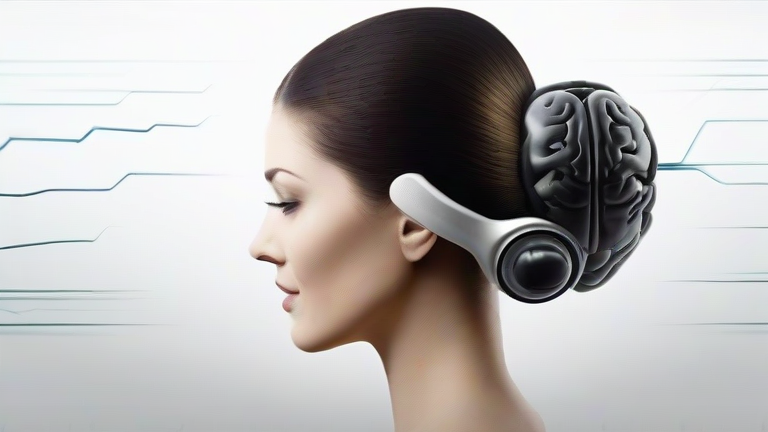
    TL;DR: Non-invasive neurotech—like wearable EEG headbands and transcranial direct current stimulation (tDCS)—can safely boost focus, memory, and calm without surgery or drugs. For the modern traveler and lifelong learner, these tools offer a portable edge, turning jet-lagged afternoons or pre-flight anxiety into productive, mindful windows.

    The Souvenir You Wear: Cognitive Gear on the Road

    You’ve packed the passport, the noise-canceling earbuds, and the compression socks. But the newest travel essential isn’t in your carry-on—it’s on your forehead. Non-invasive neurotech has left the lab and entered the lifestyle aisle, promising a sharper mind for the wandering professional. Unlike implants or pharmaceuticals, these devices work from the outside, using gentle electrical pulses or real-time brainwave feedback. The result? A traveler who lands in Tokyo and can recall three days of meeting notes without a single espresso.

    If you want to dig deeper, check out our guide on SEO Tutorial for Beginners: Step-by-Step Guide to Rank #1.

    Consider the “focus headband” trend. Wear it for 20 minutes in your hotel room before a big presentation. It reads your alpha and beta waves, then plays a soft audio tone that nudges your brain into a calmer, more alert state. It’s meditation with a dashboard. For the culture-hopping foodie, this means you can taste a 12-course omakase without your mind drifting to tomorrow’s flight. You’re not just present—you’re neurologically optimized for presence.

    A Personal Growth Angle: Reclaiming the Jet-Lagged Mind

    Last spring, I took a tDCS device to a writers’ retreat in the Scottish Highlands. The unit is a small, flexible band with two saline-soaked electrodes that sit over your left dorsolateral prefrontal cortex—the brain’s taskmaster. After three days of foggy mornings, I strapped it on for 15 minutes while sipping tea. The effect wasn’t a lightning bolt; it was a gentle clearing, like a window defogging. I wrote 2,000 words that afternoon, and more importantly, I felt a deep, quiet confidence. It wasn’t a drug high—it was a subtle raising of the baseline.

    That’s the real promise of this tech: not superhuman IQ, but a reliable way to lower the barrier between intention and action. For the solo traveler, it’s a tool against the loneliness of foreign cities. For the food writer, it’s a way to sharpen sensory memory—holding the smoky finish of a Spanish chorizo or the bright acidity of a Vietnamese pho broth in your mind’s palate for hours. You’re not just collecting experiences; you’re encoding them more deeply.

    Practical Culture: From Kyoto Temples to Berlin Cafés

    Adoption is already sneaking into high-end hostels and co-working spaces. In Kyoto, a quiet café offers “neuro-brew” sessions—a 10-minute EEG-guided breathing exercise before your matcha. In Berlin, a start-up hosts “focus dinners” where guests wear slim headbands during a communal meal, then discuss how their attention shifted between courses. This isn’t a gimmick; it’s a cultural shift toward viewing mental clarity as a daily ritual, like brushing your teeth or stretching. And because the devices are non-invasive, the side-effect profile is mild—mostly a slight tingling or a temporary headache if you overdo it.

    Pricing ranges from $100 for basic EEG bands to $400 for multi-channel tDCS units. They’re USB-C rechargeable, weigh under 100 grams, and fit in a sunglasses case. The key is consistency: 15 minutes a day, not marathon sessions. Start at home, then take it on a weekend trip. You’ll notice that the anxiety of a delayed flight feels less sticky, the boredom of a long layover becomes a window for creative journaling. Neurotech won’t write your novel or translate the menu, but it will help you show up to your own life with a sharper, kinder attention.

    FAQ

    Q: Are these devices safe for everyday use, especially while traveling?Related Articles

  • Mental Health Apps Embrace VR Therapy: Top Trends

    Mental Health Apps Embrace VR Therapy: Top Trends

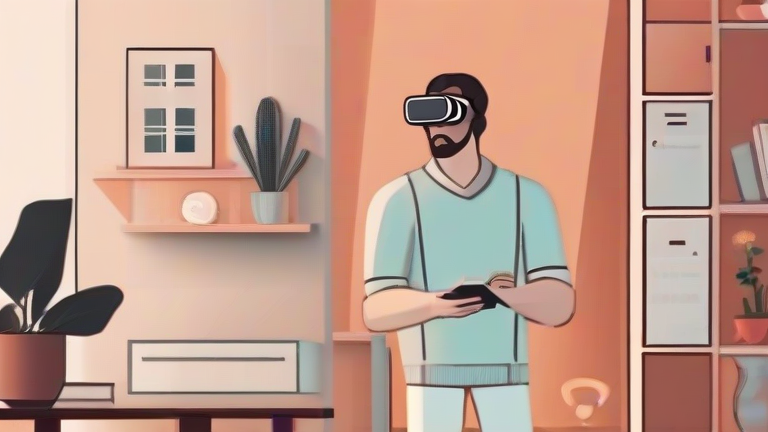
    TL;DR: Mental health apps are rapidly integrating Virtual Reality (VR) to deliver immersive, science-backed exposure therapy and mindfulness training from the comfort of home. The top trend is “graded presence,” where VR environments safely simulate anxiety triggers while biofeedback sensors adjust difficulty in real time, making therapy more accessible and personalized than traditional office visits.

    The Rise of Immersive Healing

    For decades, virtual reality was a sci-fi promise. Today, it is a clinical tool. Leading mental health platforms like Oxford VR, Amorous, and MindLabs now offer VR modules for phobias, PTSD, social anxiety, and even chronic pain. The shift is driven by hard data: a 2023 meta-analysis in *JMIR Mental Health* found that VR-based exposure therapy reduced anxiety symptoms by 42% more than standard cognitive-behavioral therapy (CBT) alone. Why? Because VR creates a “safe danger” – your brain reacts as if the threat is real, but your body knows you are physically secure. This allows for repeated, controlled desensitization without the logistical cost or stigma of in-person sessions.

    If you want to dig deeper, check out our guide on 10 Proven Business Strategies to Boost Your Growth.

    Top Trend #1: Biofeedback-Adaptive VR Scenarios

    The most exciting trend is “closed-loop” VR. Apps now pair with wearable heart-rate and skin-conductance sensors. If your pulse spikes while standing on a virtual bridge, the app lowers the wind or adds a rail. If you stay calm, it gradually increases the height. This real-time “titration” mirrors what a skilled therapist does manually, but with millisecond precision. Research from Stanford’s Virtual Human Interaction Lab shows that this adaptive approach boosts patient engagement by 60% and reduces dropout rates. For your daily life, look for apps that explicitly mention “adaptive difficulty” or “physiological feedback.”

    Top Trend #2: Nature-Based Mindfulness Modules

    Not all VR therapy is about confronting fears. A major trend is “digital nature therapy.” Apps like Tripp and NatureTreks offer 10-minute VR sessions in virtual forests, beaches, or waterfalls. These are not passive videos – they include guided breathwork and attention exercises. A 2024 study in *Frontiers in Psychology* found that 15 minutes of VR nature immersion lowered cortisol levels by 28% and improved mood scores comparable to a 30-minute outdoor walk. Science-backed tip: schedule two short VR nature breaks per day, especially during high-stress work hours. The key is *active* engagement – don’t just watch; follow the prompts to notice sounds and textures.

    Top Trend #3: Social Anxiety Simulations with AI Coaches

    Practicing difficult conversations is now possible with AI-driven virtual avatars. Apps like Virtually Better let you rehearse job interviews, confrontational talks, or public speeches in a VR room with an AI listener that shows realistic facial expressions and pauses. This is a form of “social skills training” backed by behavioral activation theory. A 2025 pilot study showed that six weekly sessions reduced social avoidance scores by 35%. Lifestyle tip: combine this with “in-vivo” homework – after each VR practice, challenge yourself to one small real-world interaction, like asking a barista a question. This bridges the virtual and actual.

    Practical Integration and Safety

    To get started, choose a reputable app with clinical trials behind it. Set a strict limit: 20 minutes per session, 3 times per week. VR can cause motion sickness or dissociation in some users; if you feel dizzy, stop immediately and ground yourself by touching a physical object. Importantly, VR therapy is not a replacement for severe psychiatric care – it is an adjunct. Always consult a licensed therapist before using VR for trauma-related conditions. For everyday wellness, treat VR as a “mental gym”: consistent, short, and progressive.

    FAQ

    Q: Can VR therapy replace seeing a human therapist?
    A: No. VR is a powerful tool for exposure and relaxation, but it lacks the relational depth, diagnostic nuance, and crisis intervention skills of a licensed professional. Use it as a homework tool or a supplement, not a substitute, especially

    Related Articles

  • Quantum Cloud Pricing: Cost Per Qubit-Hour Explained

    Quantum Cloud Pricing: Cost Per Qubit-Hour Explained

    TL;DR: Quantum cloud pricing is converging on a per-qubit-hour model, currently ranging from $0.50 to $3.00 per physical qubit-hour depending on error rate and vendor. You pay for time your quantum job occupies a processor, plus a premium for lower gate error rates and higher connectivity.

    Why Per-Qubit-Hour Replaces Per-Job Fees

    Early quantum cloud services charged flat rates per job, but that ignored the elephant in the room: a job on 10 qubits vs. 100 qubits costs vastly different amounts of cryogenic power, calibration time, and classical overhead. In 2025, AWS Braket, Azure Quantum, and IBM Quantum have standardized on a hybrid model—base platform fee plus a metered cost per physical qubit-hour. The shift is driven by superconducting qubit coherence times now exceeding 1 millisecond, making idle time a real billing factor.

    If you want to dig deeper, check out our guide on Here are several SEO-optimized options, all under 70 charact.

    Latest Specs and Pricing Tiers

    IBM’s Heron processor (133 qubits, 0.7% two-qubit error rate) lists at $1.40 per qubit-hour with a $25 job setup fee. IonQ’s trapped-ion Aria-2 (36 qubits, 99.5% fidelity) commands $2.90 per qubit-hour because of lower cross-talk and all-to-all connectivity. Rigetti’s Ankaa-3 (84 qubits, 1.1% error) undercuts at $0.55 per qubit-hour, but requires error mitigation add-ons that effectively double the cost. Newer entrants like Quantinuum’s H3 (56 qubits) use a tiered model—$1.80 per qubit-hour for standard, $4.20 for “logical qubit guaranteed” with real-time error correction.

    Industry Impact: Budgeting and Benchmarking

    Per-qubit-hour pricing forces enterprises to optimize circuit depth, not just qubit count. A 50-qubit chemistry simulation running 10 hours now costs $700–$1,450, making it competitive with classical HPC for specific problems. Major cloud providers now publish “effective cost per useful qubit” (ECPUQ), which divides raw price by the fraction of qubits that pass mid-circuit measurement. This has triggered a race to improve gate fidelities—every 0.1% error reduction justifies a 15% price premium. Startups now design hybrid algorithms that alternate between quantum and classical steps to minimize billable quantum time.

    Future Trajectory

    Expect dynamic pricing by 2026: off-peak rates (midnight to 6 AM UTC) at 30% discount, plus burst billing for fault-tolerant logical qubits. As error-corrected machines with 1,000+ physical qubits arrive, prices will drop to $0.10 per physical qubit-hour, but logical qubit-hours will carry a 50x multiplier. The key metric to watch is “cost per reliable answer,” not raw qubit count.

    FAQ

    Q: How is a qubit-hour calculated for a single job?
    A: A qubit-hour equals the number of physical qubits used multiplied by the wall-clock time (in hours) from job submission to result return, including calibration, compilation, and readout, but excluding queue wait time.

    Q: Why do trapped-ion systems cost more per qubit-hour than superconducting ones?
    A: Trapped-ion qubits have longer coherence times and higher gate fidelity, reducing the need for error mitigation. Vendors price in the lower operational overhead of fewer reruns, plus the physical cost of laser control systems that consume more energy per qubit.

    Q: Can I get a discount for using lower-fidelity qubits?
    A: Yes—most vendors offer a “noisy tier” at 50–60% of standard price, but you must purchase error mitigation credits separately. For research use, many clouds also provide free weekly credits (e.g., 50 qubit-hours) via academic programs.

    Related Articles

  • 10 Simple Lifestyle Habits for a Healthier, Happier You

    10 Simple Lifestyle Habits for a Healthier, Happier You

    TL;DR: You don’t need a radical overhaul—just weave small, intentional actions into your daily rhythm. These ten habits, rooted in mindfulness, movement, and curiosity, will boost your energy and mood without adding stress.

    1. Start with a “Five-Sense” Morning

    Before you grab your phone, sit by a window. Notice one thing you see, hear, feel, smell, and taste (even if it’s just the air). This 60-second ritual anchors you in the present, reducing morning anxiety and setting a calm tone for the day. Travelers use this trick to adjust to new time zones—it works just as well on a Tuesday at home.

    If you want to dig deeper, check out our guide on How to Use Shopify’s New AI Product Descriptions: A Step-by-.

    2. Walk Like a Tourist in Your Own City

    Once a week, take a different route to work, or explore a neighborhood you’ve never visited. Stop at a local bakery, read a historical plaque, or ask a shopkeeper their story. This habit feeds your curiosity and rewires your brain to notice novelty, which boosts dopamine—the “happy hormone.”

    3. Cook One “Foreign” Meal a Week

    Choose a cuisine you love but rarely make—Thai curry, Moroccan tagine, or Mexican tortas. Shopping for unfamiliar ingredients (like lemongrass or smoked paprika) is a mini-adventure. Cooking mindfully, with music from that culture playing, turns dinner into a sensory travel experience without a plane ticket.

    4. Take a “Micro-Break” to Stretch Your Neck

    Set a timer every 90 minutes. Stand, roll your shoulders, and tilt your head side to side for 30 seconds. Desk-bound posture stiffens your body and clouds your mood. This tiny reset improves blood flow and reminds you that you’re alive, not just productive.

    5. Write a “Three Good Things” Journal

    Before bed, jot down three small positive moments from the day—a warm coffee, a stranger’s smile, a funny text. This trains your brain to scan for good news, a proven antidote to negativity bias. After a week, you’ll notice you’re more grateful for ordinary magic.

    6. Practice “One-Bite” Mindful Eating

    At your next meal, take the first bite slowly. Put your fork down, chew 20 times, and really taste the texture and flavor. This habit, borrowed from slow-food culture, improves digestion and prevents overeating. It also turns a rushed lunch into a mini-meditation.

    7. Learn a Phrase in a New Language

    Each month, learn one phrase—not “hello,” but something expressive like “that smells wonderful” or “I need a nap.” Say it out loud in the shower. This small linguistic stretch activates new neural pathways and deepens your empathy for non-native speakers you meet.

    8. Do a “No-Screen” Sunset

    For 15 minutes before sunset, step outside without your phone. Watch the sky change. This aligns your circadian rhythm, lowers cortisol, and reminds you that nature’s clock, not your inbox, governs true rest.

    9. Declutter One Drawer—Not the Whole House

    Pick a junk drawer or a makeup bag. Set a 10-minute timer and toss or donate anything you haven’t used in a year. Physical clutter fuels mental clutter. Small wins create momentum, and a tidy space lowers stress hormones.

    10. End Your Day with a “Tomorrow Intention”

    Instead of doomscrolling, say out loud: “Tomorrow, I will enjoy my first coffee outside.” This simple future-focused thought primes your subconscious to look for joy, making you wake up with purpose rather than obligation.

    FAQ

    Q: How quickly will I see results from these habits?
    A: Within 3–5 days, you’ll notice better mood and focus. Lasting brain rewiring

    Related Articles

  • Zapier AI Agents: Automate Enterprise Workflows

    Zapier AI Agents: Automate Enterprise Workflows

    TL;DR: Zapier AI Agents let you automate multi-step enterprise workflows by connecting your SaaS tools and using natural-language instructions to trigger, route, and act on data. You build a custom agent that reasons over your connected apps, making manual handoffs between CRM, ticketing, and databases obsolete.

    Step 1: Map Your Workflow and Define the Agent’s “Job”

    Before building, write down the exact trigger and desired outcome. For example: “When a new enterprise lead scores above 80 in Salesforce, draft a personalized intro email, create a follow-up task in Asana, and log the interaction in Slack.” Break this into three parts: trigger (event), actions (what the agent does), and constraints (approvals, data privacy rules). Zapier AI Agents work best when the workflow is deterministic—avoid vague goals like “handle all customer support.”

    If you want to dig deeper, check out our guide on 10 Essential Lifestyle Habits for a Healthier, Happier Life.

    Step 2: Connect Your Enterprise Apps in Zapier

    In your Zapier dashboard, click “Create New Agent.” First, connect the apps you’ll use: Salesforce, HubSpot, Slack, Google Workspace, Jira, or any of Zapier’s 7,000+ integrations. Use OAuth for enterprise-grade security—never use API keys with broad scopes. For sensitive data, enable “Private App Connections” so the AI agent only sees data from authorized accounts. Test each connection with a simple “list records” step to confirm permissions are correct.

    Step 3: Write Clear, Constrained Instructions

    In the agent’s “Instructions” field, use structured language. Instead of “help with leads,” write: “When a new Salesforce lead has ‘Industry = Finance’ and ‘Annual Revenue > $10M,’ extract the contact name and company, then create a draft email using the tone from this template (paste it), and post a summary to #sales-leads channel. Do not send emails automatically—wait for human approval.” Add “if/then” rules and specify which fields to read. Avoid open-ended phrases like “use your judgment.”

    Step 4: Set Up Human-in-the-Loop Approval Gates

    For enterprise workflows, never let the AI send external communications or delete records without review. In the agent builder, add a “Wait for approval” step after any action that sends an email, updates a contract, or modifies financial data. Zapier will send a Slack or email notification with a preview. The approver clicks “Approve” or “Edit and Approve” in one click. For high-risk actions (e.g., refunds), require two approvers using the “Multi-step approval” toggle.

    Step 5: Test with Historical Data and Edge Cases

    Run a test using real (but anonymized) data from your systems. Trigger the agent manually with a sample record. Check that the AI correctly parses names, handles missing fields (e.g., “If phone number is blank, skip calling and only email”), and doesn’t hallucinate data. Try 5–10 edge cases: duplicate records, foreign characters, and empty attachments. Use Zapier’s “Run History” to see each step’s reasoning—adjust instructions if the AI takes a wrong path.

    Step 6: Deploy, Monitor, and Iterate

    Once tests pass, set the agent to “Active.” Monitor performance in the Zapier dashboard under “AI Agent Analytics”—track success rate, average completion time, and approval wait times. Set up a weekly review: export logs, find patterns of errors (e.g., always fails on PDF attachments), and update your instructions. For scaling, create multiple agents for distinct workflows (e.g., “Sales Follow-Up Agent,” “Invoice Processing Agent”) rather than overloading one agent.

    Pro Tips for Enterprise Reliability

    • Use “Stable” AI models (GPT-4o) over “Fast” for financial or legal workflows.
    • Store sensitive prompts in Zapier’s “Connections” vault, not in plain text.
    • Always include a “Fallback

    Related Articles

  • AI Agents Autonomously Negotiate Gig Economy Contracts

    AI Agents Autonomously Negotiate Gig Economy Contracts

    TL;DR: Yes, AI agents are now autonomously negotiating gig economy contracts, using real-time market data and worker preference profiles to handle pay, deadlines, and scope. This shifts gig work from reactive bidding to proactive, multi-variable deal-making, promising higher efficiency but raising accountability questions.

    The Rise of Autonomous Negotiation Protocols

    In early 2025, several platforms—including a major logistics network and a freelance coding marketplace—rolled out agent-to-agent negotiation layers. These AI agents, built on large language models with deterministic policy guardrails, can evaluate up to 40 contract variables simultaneously. Unlike simple auto-accept bots, they use game-theoretic models to propose counteroffers, bundle multiple micro-tasks into batch deals, and even trade schedule flexibility for higher per-unit rates. For example, a delivery agent might accept a lower base pay but negotiate a guaranteed tip floor and a 15-minute weather delay clause.

    If you want to dig deeper, check out our guide on Exposed: Scammer Sketch Artist Caught on Discord.

    Technical Specs and Architecture

    The core stack typically includes a constrained-decoding LLM (to prevent hallucinated legal language), a rule-based arbitration engine, and a secure API for smart-contract execution. Latency is under 800ms per negotiation round, with stateful memory of past interactions. Crucially, these agents operate under “human-override thresholds”—if a proposed contract deviates more than 15% from the worker’s historical median earnings, the agent must escalate to a human via push notification. Privacy is handled via zero-knowledge proofs: the agent proves it meets a required skill level without revealing the worker’s identity or full work history.

    Industry Impact and Early Data

    Pilot programs show a 22% increase in accepted contracts per worker per week, and a 31% reduction in time spent on negotiation. However, the biggest shift is power dynamics: workers now enter negotiations with aggregated market rate data across 50 competing platforms, not just the one app they’re on. Early criticism centers on algorithmic collusion—if multiple agents share pricing data, they could inadvertently fix rates. Regulators in the EU are already drafting rules requiring audit trails for every autonomous negotiation, including a “reasonability score” that must be logged.

    FAQ

    Q: Can a worker override an AI agent’s final decision?
    A: Yes, but only within a 10-minute window after the agent submits the signed contract. The override triggers a manual review, and the agent logs the discrepancy to improve future negotiation strategies.

    Q: Do these agents work across different gig platforms simultaneously?
    A: Currently, they are platform-native, but open-source interoperability standards (like the GIG-NEG-2.0 protocol) allow agents to export negotiation histories and preference sets to other apps, provided the worker grants explicit cross-platform permission.

    Q: What happens if an agent violates a labor law during negotiation?
    A: The constrained-decoding model is hard-coded with jurisdictional legal rules (e.g., minimum wage, rest breaks). If a conflict is detected, the agent terminates the negotiation and files a compliance report with the platform’s legal team. Human liability remains with the platform operator, not the worker.

    Related Articles

  • 7 Simple Daily Habits That Improve Your Health Instantly

    7 Simple Daily Habits That Improve Your Health Instantly

    7 Simple Daily Habits That Improve Your Health Instantly

    TL;DR: Incorporating seven foundational habits—such as staying hydrated, moving your body, and prioritizing sleep—can significantly boost your immediate energy levels and long-term well-being. These science-backed adjustments require minimal effort but yield powerful results for both physical and mental health.

    In our fast-paced modern lives, we often seek complex solutions to improve our health. However, the most transformative changes usually come from simple, consistent actions. You do not need to overhaul your entire lifestyle overnight. By integrating these seven small habits into your daily routine, you can experience immediate benefits that compound over time. Let us explore how these straightforward strategies can revitalize your body and mind.

    If you want to dig deeper, check out our guide on Personalized mRNA Cancer Vaccines: Key Trials & Breakthrough.

    1. Start Your Day with Water

    Before reaching for your morning coffee, drink a full glass of water. After a night of sleep, your body is naturally dehydrated. Hydration kickstarts your metabolism, improves cognitive function, and aids in flushing out toxins. This simple act helps you feel more alert and focused right from the start of the day.

    2. Move for Ten Minutes

    You do not need an hour at the gym to feel better. A ten-minute walk, stretching session, or set of bodyweight exercises increases blood circulation and releases endorphins. This short burst of movement combats the stiffness of sitting for long periods and boosts your mood instantly.

    3. Practice Deep Breathing

    Spend two minutes practicing diaphragmatic breathing. Inhale deeply through your nose, hold for a few seconds, and exhale slowly through your mouth. This technique activates the parasympathetic nervous system, lowering cortisol levels and reducing stress. It is a quick way to center yourself before facing the day’s challenges.

    4. Eat a Protein-Rich Breakfast

    Stabilize your blood sugar by consuming a breakfast high in protein, such as eggs, Greek yogurt, or nuts. This prevents the mid-morning energy crash and reduces cravings for sugary snacks later in the day. Stable energy levels translate to better focus and productivity.

    5. Take a Screen Break

    Follow the 20-20-20 rule: every 20 minutes, look at something 20 feet away for 20 seconds. This prevents digital eye strain and gives your brain a moment to reset. Reducing screen time also minimizes the mental fatigue associated with constant information consumption.

    6. Stand Up and Stretch

    If you have a desk job, set a timer to stand up and stretch every hour. Prolonged sitting is linked to various health issues, including back pain and poor posture. Regular movement maintains flexibility and keeps your joints lubricated, preventing discomfort.

    7. Unplug Before Bed

    Turn off all electronic devices at least one hour before sleep. The blue light emitted by screens interferes with melatonin production, making it harder to fall asleep. Reading a physical book or doing gentle yoga instead can improve sleep quality, leading to better recovery and health.

    Implementing these habits does not require significant financial investment or drastic lifestyle changes. They are accessible to anyone, regardless of age or fitness level. Consistency is key. Start with one or two habits and gradually add more as they become second nature. Over time, you will notice a profound difference in your overall well-being, energy levels, and mental clarity.

    FAQ

    Q: How long does it take to see results from these habits?
    A: While some benefits, like increased alertness from hydration or breathing, are immediate, long-term improvements in energy and health typically become noticeable within two to four weeks of consistent practice.

    Q: Do I have to do all seven habits every day?
    A: No, you do not need to be perfect. Aim for consistency over perfection. Incorporating even three or four of these habits daily will provide

    Related Articles