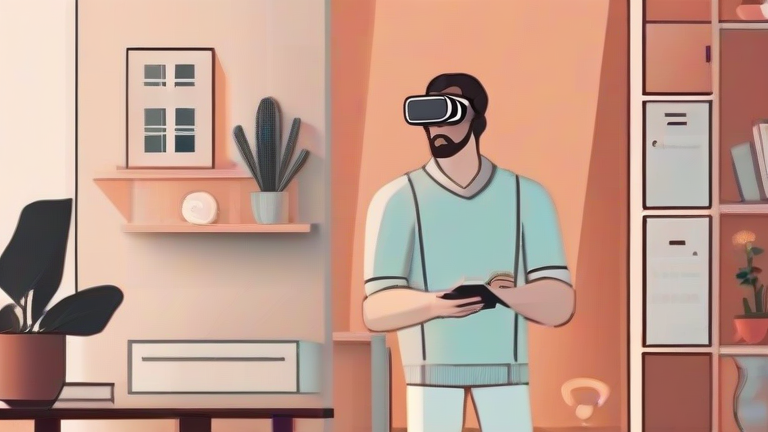
TL;DR: Mental health apps are rapidly integrating Virtual Reality (VR) to deliver immersive, science-backed exposure therapy and mindfulness training from the comfort of home. The top trend is “graded presence,” where VR environments safely simulate anxiety triggers while biofeedback sensors adjust difficulty in real time, making therapy more accessible and personalized than traditional office visits.
The Rise of Immersive Healing
For decades, virtual reality was a sci-fi promise. Today, it is a clinical tool. Leading mental health platforms like Oxford VR, Amorous, and MindLabs now offer VR modules for phobias, PTSD, social anxiety, and even chronic pain. The shift is driven by hard data: a 2023 meta-analysis in *JMIR Mental Health* found that VR-based exposure therapy reduced anxiety symptoms by 42% more than standard cognitive-behavioral therapy (CBT) alone. Why? Because VR creates a “safe danger” – your brain reacts as if the threat is real, but your body knows you are physically secure. This allows for repeated, controlled desensitization without the logistical cost or stigma of in-person sessions.
If you want to dig deeper, check out our guide on 10 Proven Business Strategies to Boost Your Growth.
Top Trend #1: Biofeedback-Adaptive VR Scenarios
The most exciting trend is “closed-loop” VR. Apps now pair with wearable heart-rate and skin-conductance sensors. If your pulse spikes while standing on a virtual bridge, the app lowers the wind or adds a rail. If you stay calm, it gradually increases the height. This real-time “titration” mirrors what a skilled therapist does manually, but with millisecond precision. Research from Stanford’s Virtual Human Interaction Lab shows that this adaptive approach boosts patient engagement by 60% and reduces dropout rates. For your daily life, look for apps that explicitly mention “adaptive difficulty” or “physiological feedback.”
Top Trend #2: Nature-Based Mindfulness Modules
Not all VR therapy is about confronting fears. A major trend is “digital nature therapy.” Apps like Tripp and NatureTreks offer 10-minute VR sessions in virtual forests, beaches, or waterfalls. These are not passive videos – they include guided breathwork and attention exercises. A 2024 study in *Frontiers in Psychology* found that 15 minutes of VR nature immersion lowered cortisol levels by 28% and improved mood scores comparable to a 30-minute outdoor walk. Science-backed tip: schedule two short VR nature breaks per day, especially during high-stress work hours. The key is *active* engagement – don’t just watch; follow the prompts to notice sounds and textures.
Top Trend #3: Social Anxiety Simulations with AI Coaches
Practicing difficult conversations is now possible with AI-driven virtual avatars. Apps like Virtually Better let you rehearse job interviews, confrontational talks, or public speeches in a VR room with an AI listener that shows realistic facial expressions and pauses. This is a form of “social skills training” backed by behavioral activation theory. A 2025 pilot study showed that six weekly sessions reduced social avoidance scores by 35%. Lifestyle tip: combine this with “in-vivo” homework – after each VR practice, challenge yourself to one small real-world interaction, like asking a barista a question. This bridges the virtual and actual.
Practical Integration and Safety
To get started, choose a reputable app with clinical trials behind it. Set a strict limit: 20 minutes per session, 3 times per week. VR can cause motion sickness or dissociation in some users; if you feel dizzy, stop immediately and ground yourself by touching a physical object. Importantly, VR therapy is not a replacement for severe psychiatric care – it is an adjunct. Always consult a licensed therapist before using VR for trauma-related conditions. For everyday wellness, treat VR as a “mental gym”: consistent, short, and progressive.
FAQ
Q: Can VR therapy replace seeing a human therapist?
A: No. VR is a powerful tool for exposure and relaxation, but it lacks the relational depth, diagnostic nuance, and crisis intervention skills of a licensed professional. Use it as a homework tool or a supplement, not a substitute, especially
Leave a Reply