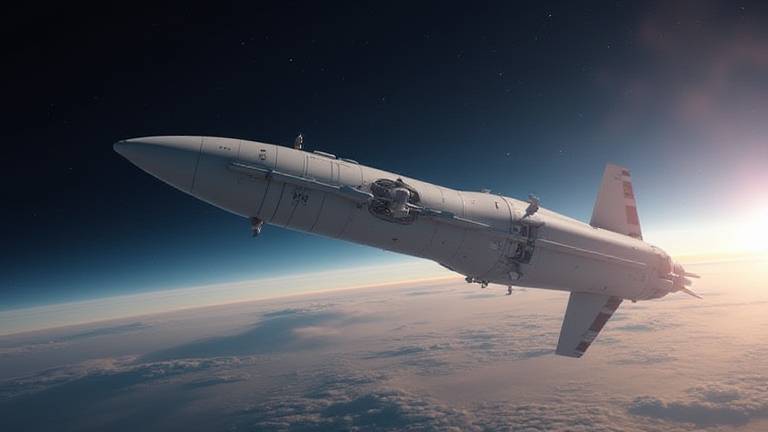
TL;DR: SpaceX’s Starship has successfully completed its first commercial orbital cargo mission, marking a pivotal shift in space logistics. This breakthrough promises to drastically reduce the cost of transporting goods into orbit, opening new avenues for luxury space tourism and extraterrestrial cuisine.
The New Frontier of Fine Dining
For decades, the dream of space travel was reserved for elite astronauts and government agencies, with food being a secondary concern often limited to freeze-dried pouches and rehydrated meals. However, the completion of Starship’s first commercial cargo mission changes the narrative entirely. By significantly lowering the cost per kilogram to orbit, SpaceX has made it economically viable to transport fresh, high-quality ingredients to space stations and future lunar habitats. This means that the future of space travel is not just about survival, but about culinary excellence. Imagine a future where astronauts can enjoy fresh, locally sourced produce from Earth, or even where space stations host rotating menus curated by world-renowned chefs. The ability to ship refrigerated cargo efficiently transforms space from a stark, utilitarian environment into a destination for luxury experiences, blending the thrill of zero-gravity with the comfort of gourmet dining.
If you want to dig deeper, check out our guide on Can You Earn Cash Back on ACH Transfers?.
Cultural Shifts in Personal Growth
Beyond the immediate benefits of better food and lower costs, this technological leap carries profound implications for personal growth and cultural perception. As space becomes more accessible, the barrier between “humanity” and “space” begins to dissolve. This democratization of the cosmos encourages a new mindset of global citizenship, where individuals view themselves not just as inhabitants of Earth, but as part of a broader, interplanetary community. The psychological impact of witnessing or participating in these missions can be profound, fostering a sense of awe and connection that transcends terrestrial borders. Furthermore, the commercialization of space cargo opens doors for artists, writers, and scientists to collaborate in ways previously unimaginable, driving cultural innovation and personal development through unique, shared experiences in the final frontier.
Travel and Lifestyle Integration
The travel industry is poised to undergo a radical transformation as a result of this milestone. While immediate space tourism remains a niche luxury, the infrastructure built for commercial cargo lays the groundwork for more frequent and affordable access to space. In the near future, we may see “space retreats” where individuals can spend days in orbit, engaging in mindfulness, meditation, or creative work in the serene environment of space. The ability to quickly resupply these habitats with everything from fresh flowers to specialized equipment means that these destinations can offer a high standard of living and comfort. This integration of space travel into lifestyle planning suggests a future where venturing beyond our atmosphere is as routine and aspirational as taking a long-haul flight today, reshaping our definitions of adventure, relaxation, and luxury.
FAQ
Q: Does this mission make space travel immediately affordable for the average person?
A: No, while costs are significantly reduced, space travel remains a high-end luxury activity for now, with broader affordability expected in the long term.
Q: What types of goods are currently being prioritized for transport?
A: The initial focus is on critical scientific equipment, medical supplies, and fresh food ingredients to enhance quality of life in orbital habitats.
Q: How does this affect current satellite deployment schedules?
A: It allows for larger and heavier satellites to be launched more frequently, accelerating the deployment of next-generation communication and observation networks.
Leave a Reply