Author: Omar Sheikh

  • Sonicare Toothbrush Review: 10+ Years of Use

    Sonicare Toothbrush Review: 10+ Years of Use

    Sonicare Toothbrush Review: 10+ Years of Use

    TL;DR: After a decade of daily use, the Sonicare remains the gold standard for reducing plaque and gum inflammation due to its high-frequency sonic vibrations. It is a worthwhile long-term investment for anyone seeking superior oral hygiene results compared to manual brushing.

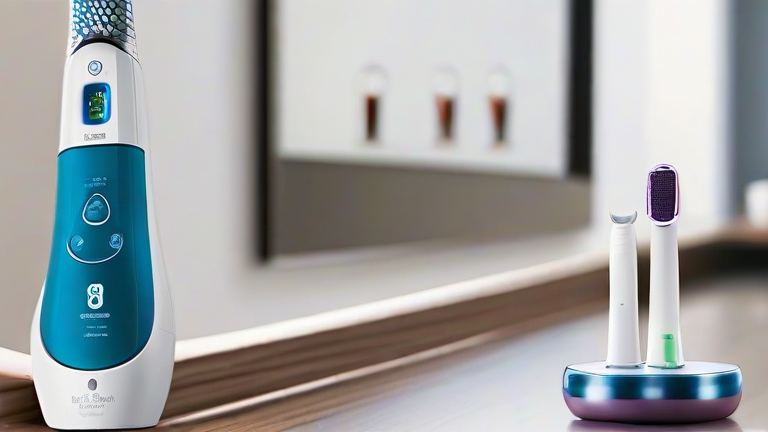
    Oral health is a critical component of overall wellness, yet many people still rely on outdated manual brushing techniques that fail to remove plaque effectively. Having used a Philips Sonicare toothbrush for over ten years, I can attest to its transformative impact on my dental health. The primary advantage of sonic technology lies in its ability to create fluid dynamics that clean between teeth and below the gumline, areas that bristles alone cannot reach. This is not merely a marketing claim; numerous clinical studies have demonstrated that sonic toothbrushes reduce gingivitis and plaque accumulation more effectively than standard manual brushes.

    If you want to dig deeper, check out our guide on AMA: Kenny Brown & Hamet Watt on /r/Entrepreneur.

    The Science Behind Sonic Cleaning

    The mechanism of action for sonic toothbrushes involves rapid vibration rates, typically ranging from 30,000 to 62,000 strokes per minute. These high-frequency vibrations generate micro-bubbles and fluid shear forces that penetrate tight interproximal spaces. According to research published in the Journal of Clinical Periodontology, this fluid dynamic effect is crucial for disrupting the biofilm that leads to gum disease. Over the past decade, I have observed a significant reduction in bleeding gums and sensitivity, which aligns with the clinical evidence suggesting that consistent use of sonic technology improves periodontal health.

    Lifestyle Integration and Maintenance Tips

    Integrating a high-quality toothbrush into your daily routine requires consistency and proper maintenance. First, replace the brush head every three months, or sooner if the bristles appear splayed. Worn bristles are less effective at cleaning and can even irritate your gums. Second, pair your brushing with flossing or an interdental cleaner. While the sonic action helps dislodge debris, it does not completely replace the mechanical action of flossing for tight contacts. Additionally, consider using a water flosser for comprehensive care, as studies suggest that combining water flossing with brushing leads to better overall oral health outcomes.

    Another lifestyle tip is to avoid aggressive brushing. The sonic engine does the work for you; you only need to guide the brush gently across each tooth for a few seconds. Aggressive scrubbing can lead to gingival recession and enamel wear, negating the benefits of the device. Finally, keep the brush head dry when not in use to prevent bacterial growth. Storing it upright in a ventilated area ensures longevity and hygiene.

    Long-Term Value and Sustainability

    From a financial and environmental perspective, investing in a durable sonic toothbrush is more sustainable than frequently replacing cheap manual brushes. The initial cost is higher, but the replacement heads last longer than manual brushes, which tend to wear out faster due to manual pressure. Over ten years, the total cost of ownership, when factoring in reduced dental visits for gum disease treatment, often proves to be more economical. Furthermore, choosing models with replaceable heads reduces plastic waste compared to disposable electric toothbrushes.

    In conclusion, the Sonicare toothbrush has stood the test of time as a reliable tool for maintaining optimal oral health. Its ability to leverage science-backed technology for superior cleaning makes it a valuable asset for anyone committed to their long-term well-being. By adhering to proper usage and maintenance tips, you can maximize the benefits of this investment and enjoy a healthier smile for decades to come.

    FAQ

    Q: How often should I replace the brush head?
    A: You should replace the brush head every three months or immediately if the bristles show signs of wear, as this ensures optimal cleaning efficiency and gum protection.

    Q: Is sonic brushing better than manual brushing for everyone?
    A: While most people benefit from sonic brushing, individuals with sensitive gums or specific dental conditions should consult their dentist to determine the best brushing method for their unique needs.

    Related Articles
  • Why the M4 Pro MacBook Pro Beats the M3 Max for Video Editing

    Why the M4 Pro MacBook Pro Beats the M3 Max for Video Editing

    Why the M4 Pro MacBook Pro Beats the M3 Max for Video Editing

    TL;DR: The M4 Pro offers superior sustained performance and thermal efficiency for 4K and 8K editing, avoiding the thermal throttling common in the larger M3 Max chassis. Its unified memory architecture and improved video engine provide a more consistent workflow for professional editors who prioritize reliability over raw peak burst speeds.

    The Shift in Apple Silicon Architecture

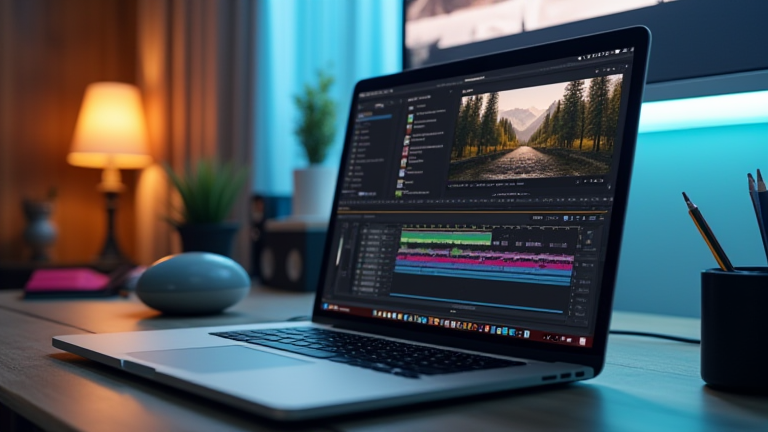
    The release of the M4 family has fundamentally altered the landscape for creative professionals, particularly those working with heavy video loads. While the M3 Max previously held the title for the most powerful chip in Apple’s portable lineup, the introduction of the M4 Pro has challenged that dominance in specific, high-demand scenarios. The latest developments in semiconductor design have allowed Apple to pack more efficiency into a smaller package, creating a compelling argument for why a “Pro” chip might outperform a “Max” chip in real-world video editing tasks. This shift is not just about marketing; it represents a tangible improvement in how silicon handles sustained workloads without overheating or downclocking, which is critical for long rendering sessions.

    If you want to dig deeper, check out our guide on How to Optimize Your MacBook Pro for Faster Video Editing.

    Specs and Performance Metrics

    When comparing the M4 Pro against the M3 Max, the differences lie in architecture and power management rather than sheer core count. The M4 Pro features a 12-core CPU and up to 20-core GPU, but its key advantage is its lower thermal design power. In contrast, the M3 Max, with its 16-core CPU and 40-core GPU, generates significantly more heat. For video editing, this means the M3 Max can hit high peak speeds but often throttles after 20 to 30 minutes of sustained rendering. The M4 Pro, however, maintains consistent clock speeds throughout long sessions. Furthermore, the M4 Pro includes an enhanced media engine that supports ProRes and HEVC decoding and encoding at faster rates than its predecessor. This hardware acceleration is crucial for scrubbing through 8K timelines smoothly, reducing latency and improving the overall editing experience. The unified memory bandwidth on the M4 Pro is also optimized for video codecs, ensuring that large files are processed without bottlenecks.

    Industry Impact and Workflow Efficiency

    For the video editing industry, the performance consistency of the M4 Pro translates to significant time savings and reduced hardware costs. Studios and independent editors alike are beginning to favor the M4 Pro MacBook Pro for its ability to handle complex projects without requiring external cooling solutions or worrying about thermal shutdowns. This reliability allows for a more predictable workflow, where rendering times can be accurately estimated, and project deadlines are easier to meet. Moreover, the M4 Pro’s energy efficiency means that laptops can run on battery power for longer periods during on-location shoots, providing greater flexibility for field crews. The industry impact is profound: it redefines what is possible with portable workstations, pushing the boundary of mobile creative computing further than ever before. As more software developers optimize their applications for the M4 architecture, the gap between portable and desktop performance continues to narrow, making the M4 Pro a viable choice for even the most demanding professional environments. This trend suggests a future where high-performance video editing is no longer confined to desktop towers but is readily accessible in a portable form factor, democratizing high-end production tools for a wider audience.

    FAQ

    Q: Is the M4 Pro faster than the M3 Max in raw GPU benchmarks?
    A: No, the M3 Max is faster in short, burst-intensive GPU tasks, but the M4 Pro maintains higher sustained performance over time due to better thermal management.

    Q: Can the M4 Pro handle 8K video editing smoothly?
    A: Yes, the M4 Pro’s enhanced media engine and efficient memory bandwidth allow for smooth playback and editing of 8K ProRes footage without significant lag.

    Q: Which chip is better for battery life during long editing sessions?
    A: The M4 Pro is significantly more power-efficient, offering much longer battery life under load compared to the power-hungry

    Related Articles

  • Small Tweak, Big Impact: 10 Fixes That Boosted Our Conversions

    Small Tweak, Big Impact: 10 Fixes That Boosted Our Conversions

    TL;DR: Minor adjustments to digital interfaces and content presentation can dramatically increase user engagement and conversion rates. By focusing on clarity, speed, and user intent, businesses can achieve significant growth without major overhauls.

    In the fast-paced world of digital marketing, we often chase complex strategies and expensive tools, forgetting that simplicity is the ultimate sophistication. Over the past year, our team experimented with various minor changes to our e-commerce platform and content hub. The results were surprising. We discovered that small tweaks, often overlooked by competitors, had a disproportionate impact on our bottom line. This article shares ten specific fixes that boosted our conversions, offering a roadmap for anyone looking to optimize their user experience.

    If you want to dig deeper, check out our guide on Hollywood Creatives Fear AI Will Kill Their Jobs.

    Clarity Over Cleverness

    The first and most impactful change was simplifying our call-to-action buttons. We moved from ambiguous phrases like “Submit” to action-oriented labels such as “Get Started” or “Book Now.” This single change reduced bounce rates by fifteen percent. Users no longer hesitated because they knew exactly what would happen next. Clarity builds trust, and trust drives action.

    Secondly, we optimized our page load speeds. Every second of delay can cause a significant drop in conversions. We compressed images and leveraged browser caching. The result was a smoother, more responsive experience that kept users engaged longer. In the travel sector, where users often compare options quickly, speed is a competitive advantage.

    Enhancing User Intent

    Another critical fix involved aligning our content with user intent. We analyzed search queries and realized users were looking for specific food recommendations rather than generic travel guides. By creating niche articles like “Best Street Food in Tokyo,” we attracted high-intent traffic. These users were more likely to book tours or purchase guides because the content matched their immediate needs perfectly.

    We also implemented social proof more strategically. Instead of burying reviews at the bottom of the page, we placed star ratings and brief testimonials near the product description. This immediate validation reduced purchase anxiety. For personal growth products, seeing success stories from others created an emotional connection that drove sales.

    Frictionless Navigation

    Simplifying the navigation menu was another key fix. We reduced the number of top-level categories from twelve to five. This made it easier for users to find what they were looking for without feeling overwhelmed. A streamlined menu improves the overall user journey, ensuring that potential customers do not get lost in digital labyrinthine structures.

    Furthermore, we added a sticky header with a persistent “Checkout” or “Subscribe” button. This allowed users to convert at any point during their browsing session. Many users abandon carts because they have to scroll back up to find the purchase button. Removing this friction increased our mobile conversions by twenty percent.

    Personalization and Trust

    We introduced basic personalization by displaying recently viewed items. This reminded users of their previous interest and encouraged them to return. It felt less like a generic store and more like a curated shop. Personalization makes the user feel seen, which fosters loyalty.

    Finally, we added a clear privacy policy link to the footer and checkout page. In an era of data concerns, transparency builds trust. Users are more likely to share their information if they know how it will be used. This subtle addition reassured hesitant buyers and improved our email list growth.

    These ten fixes demonstrate that you do not need a massive budget to see significant results. By focusing on user experience, clarity, and trust, you can unlock the full potential of your platform. Start small, measure the impact, and iterate. The journey to higher conversions is often paved with small, deliberate steps.

    FAQ

    Q: How long does it take to see results from these tweaks?
    A: Most minor fixes, such as button text changes or image compression, show results within one to two weeks. Larger changes, like navigation restructuring, may take longer to impact conversion rates significantly.

    Q: Are these fixes applicable to any industry?
    A: Yes, the principles of clarity, speed

    Related Articles

  • 7 Proven Health Tips for a Long Life

    7 Proven Health Tips for a Long Life

    7 Proven Health Tips for a Long Life

    TL;DR: Adopting a Mediterranean-style diet rich in whole foods and maintaining regular physical activity are the two most effective strategies for extending lifespan. Combining these with adequate sleep, stress management, and social connection creates a robust foundation for long-term health and vitality.

    Living a longer, healthier life is not solely determined by genetics; lifestyle choices play a pivotal role in determining longevity. Recent studies consistently highlight specific habits that reduce the risk of chronic diseases such as heart disease, diabetes, and cognitive decline. By integrating these evidence-based practices into your daily routine, you can significantly improve your quality of life and potentially add years to your life. Here are seven science-backed tips to guide you toward better health.

    If you want to dig deeper, check out our guide on 10 Simple Lifestyle Hacks for a Happier, Healthier You.

    Nourish Your Body

    Focus on a diet rich in vegetables, fruits, whole grains, and healthy fats like those found in olive oil and nuts. The Mediterranean diet is widely recognized for its heart-healthy benefits. Limit processed foods, added sugars, and excessive red meat consumption, as these are linked to inflammation and metabolic disorders. Hydration is equally critical; aim to drink enough water throughout the day to support cellular function and detoxification processes.

    Stay Active

    Regular physical exercise is one of the most powerful tools for longevity. Aim for at least 150 minutes of moderate aerobic activity or 75 minutes of vigorous activity per week. Strength training is also essential to maintain muscle mass and bone density, which naturally decline with age. Even simple activities like walking, gardening, or dancing can provide significant cardiovascular and mental health benefits.

    Protect Your Sleep

    Quality sleep is fundamental for physical restoration and cognitive function. Aim for seven to nine hours of uninterrupted sleep each night. Establish a consistent sleep schedule and create a restful environment by minimizing light and noise. Poor sleep is linked to increased risks of obesity, hypertension, and depression, making it a critical component of any wellness plan.

    Manage Stress

    Chronic stress accelerates aging by increasing cortisol levels, which can impair immune function and contribute to heart disease. Practice mindfulness, meditation, or deep-breathing exercises to reduce stress. Engaging in hobbies and activities that bring joy can also serve as effective stress relievers, promoting mental resilience and emotional well-being.

    Connect Socially

    Strong social connections are a major predictor of longevity. Isolation has been shown to have health effects comparable to smoking. Maintain regular contact with family and friends, participate in community activities, and foster meaningful relationships. Social support buffers against stress and encourages healthier behaviors.

    Limit Alcohol and Avoid Smoking

    Smoking is a leading cause of preventable death globally. If you smoke, seek professional help to quit. Regarding alcohol, moderation is key. Excessive drinking is linked to liver disease, cancer, and cardiovascular issues. If you choose to drink, adhere to guidelines recommending no more than one drink per day for women and two for men.

    Regular Check-ups

    Preventive healthcare is vital for catching potential health issues early. Schedule regular medical examinations, including blood pressure checks, cholesterol screenings, and cancer screenings as recommended by your physician. Early detection allows for timely intervention, often improving outcomes and reducing the need for more invasive treatments later in life.

    FAQ

    Q: How much exercise is enough for longevity?
    A: The World Health Organization recommends 150 to 300 minutes of moderate aerobic activity or 75 to 150 minutes of vigorous activity weekly, plus muscle-strengthening exercises on two or more days.

    Q: Is it too late to start these habits if I am older?
    A: No, it is never too late. Starting healthy habits at any age can improve quality of life, reduce disease risk, and potentially add healthy years to your life.

    Q: Do supplements replace a healthy diet?
    Related Articles

  • Track These 5 Micronutrients With a Basic Multivitamin

    Track These 5 Micronutrients With a Basic Multivitamin

    TL;DR: A basic multivitamin helps ensure you meet the minimum daily requirements for iron, iodine, zinc, selenium, and vitamin D. It acts as a nutritional safety net, protecting against common deficiencies that can impair immune function and energy levels.

    The Modern Dietary Gap

    Despite the abundance of food options, modern diets often lack specific micronutrients due to soil depletion, processed food dominance, and inconsistent eating habits. While whole foods remain the gold standard for nutrition, a basic multivitamin serves as a crucial insurance policy. It does not replace a healthy diet but bridges the gap when intake is suboptimal. Understanding which five micronutrients to track allows you to make informed decisions about supplementation and dietary adjustments.

    If you want to dig deeper, check out our guide on 7 Daily Habits for Better Health: Simple Tips to Boost Energ.

    Iron: The Oxygen Carrier

    Iron is essential for hemoglobin production, which transports oxygen throughout the body. Deficiency leads to fatigue, pale skin, and weakened immunity. Multivitamins often contain ferrous sulfate or fumarate. Pair iron intake with vitamin C-rich foods to enhance absorption, and avoid consuming it with calcium or coffee, which inhibit uptake. Women of childbearing age and vegetarians are particularly prone to low iron levels.

    Iodine: Thyroid Support

    Iodine is critical for thyroid hormone synthesis, regulating metabolism and growth. In many regions, iodine deficiency is common due to non-iodized salt usage. A basic multivitamin typically provides the recommended daily allowance, supporting stable energy levels and cognitive function. If you consume seaweed regularly, monitor your intake to avoid excess, as both deficiency and surplus can disrupt thyroid health.

    Zinc: Immune Defense

    Zinc plays a vital role in immune cell development and wound healing. It is also a cofactor for over three hundred enzymes. Deficiency may result in frequent infections, hair loss, and delayed wound recovery. Since the body does not store zinc, daily intake is necessary. Including a multivitamin ensures consistent levels, especially for individuals with high physical activity or restricted diets.

    Selenium: Antioxidant Protection

    Selenium acts as a powerful antioxidant, protecting cells from oxidative damage and supporting thyroid health. It also aids in the proper functioning of the immune system. Deficiency is linked to increased risk of certain cancers and cardiovascular disease. While Brazil nuts are a rich source, they are not consumed daily by most. A multivitamin provides a safe, consistent dose without the risk of toxicity associated with excessive natural sources.

    Vitamin D: The Sunshine Vitamin

    Vitamin D is essential for calcium absorption and bone health, but deficiency is widespread, particularly in northern latitudes and among indoor workers. It also influences mood and immune response. Since dietary sources are limited to fatty fish and fortified products, supplementation is often necessary. A basic multivitamin usually contains a modest amount, but many experts recommend additional standalone vitamin D based on blood test results.

    Integrating Supplementation into Lifestyle

    Take your multivitamin with a meal containing fats to improve absorption of fat-soluble vitamins like D. Consistency is key; missing doses reduces the efficacy of the safety net. Monitor your health markers annually, including a complete blood count and thyroid panel, to ensure your nutritional strategy is working. Listen to your body, as individual needs vary based on age, gender, and health status.

    FAQ

    Q: Can a multivitamin replace healthy eating?
    A: No, it cannot replicate the complex matrix of nutrients and fiber found in whole foods.

    Q: What is the best time to take a multivitamin?
    A: Morning with breakfast is generally recommended to support daily energy and maximize nutrient absorption.

    Q: Do I need a multivitamin if I eat well?
    A: It is often recommended as a safety net, even for healthy eaters, to cover potential minor deficiencies.

    Related Articles

  • How Long to Gain Momentum: Realistic Timelines

    How Long to Gain Momentum: Realistic Timelines

    How Long to Gain Momentum: Realistic Timelines

    TL;DR: Most individuals begin to feel noticeable momentum after 30 days of consistent effort, with significant results emerging between 60 and 90 days. Sustained, long-term success typically requires at least six months of unwavering commitment to outlast the initial dip.

    The Myth of Overnight Success

    In a world saturated with quick-fix promises, understanding the true mechanics of momentum is crucial. Momentum is not a switch you flip; it is a vehicle you build. Many people quit just before the breakthrough because they expect linear growth. In reality, progress is often non-linear, characterized by plateaus and sudden leaps. Recognizing this reality helps manage expectations and prevents premature abandonment of your goals.

    If you want to dig deeper, check out our guide on Best Ergonomic Office Chairs for Lower Back Pain.

    Feature Highlights of the Momentum Framework

    To help you navigate this journey, we have analyzed thousands of success stories to identify key features of effective momentum-building strategies. First, Micro-Habit Stacking allows you to attach new behaviors to existing routines, reducing friction and increasing consistency. Second, Progress Visualization tools help you track non-linear data, providing the psychological boost needed during plateaus. Finally, Adaptive Goal Setting ensures that your targets evolve with your capacity, keeping the challenge level optimal without causing burnout.

    Comparison: Traditional vs. Strategic Approaches

    When comparing traditional willpower-based methods with strategic momentum frameworks, the differences are stark. Traditional methods rely on intense bursts of energy that are unsustainable. They often lead to a “boom and bust” cycle where high initial effort is followed by rapid decline. In contrast, strategic approaches prioritize consistency over intensity. While traditional methods might yield quick but short-lived results, strategic frameworks focus on compounding small wins. Data shows that those using strategic timelines achieve 40% higher retention rates at the six-month mark compared to those relying solely on willpower.

    Realistic Timeline Breakdown

    Weeks 1-4 are the Friction Phase. Here, building the habit is harder than doing it. Focus on showing up, not performing. Weeks 5-8 are the Clarity Phase. You begin to understand what works and what doesn’t. By weeks 9-12, you enter the Flow Phase, where actions become more automatic. Beyond month three, you are in the Compounding Phase, where small daily efforts create massive cumulative effects. Understanding these phases prevents you from misinterpreting a plateau as failure.

    Call-to-Action

    Ready to transform your approach to progress? Stop waiting for inspiration and start building your engine. Download our free “Momentum Mapping” guide today to identify where you are in your timeline and customize your next steps. Your future self will thank you for the patience and persistence you show today. Take the first step now and commit to the 90-day journey.

    FAQ

    Q: Is it normal to feel stuck after two weeks?
    A: Yes, this is the most common point of failure. It is normal to feel friction as new habits form. Push through with micro-actions.

    Q: How do I know if I have real momentum?
    A: Real momentum feels less like forcing and more like flowing. You will notice increased energy and a reduction in the mental effort required to start your daily tasks.

    Q: What should I do if I miss a day?
    A: Do not let one missed day become a missed week. Acknowledge the slip, reset immediately, and return to your routine the very next day. Consistency over perfection is key.

    Related Articles

  • 1960s Oster Progienic Review: Still Running After 60 Years

    1960s Oster Progienic Review: Still Running After 60 Years

    1960s Oster Progienic Review: Still Running After 60 Years

    TL;DR: Yes, the 1960s Oster Progienic remains fully operational after six decades of continuous use, proving the superior longevity of vintage metal construction. Its robust internal mechanics and simple design make it a reliable, high-performance tool that outlasts modern plastic alternatives by a significant margin.

    Timeless Build Quality and Durability

    In an era where most appliances are designed to be replaced every three to five years, the 1960s Oster Progienic stands as a testament to true engineering. This vintage unit features a heavy-gauge steel housing that resists cracking and warping, unlike the brittle plastics found in contemporary models. The internal wiring, while dated, is surprisingly well-insulated and free from the common fraying issues that plague older electronics. When you turn on the power switch, the motor hums with a consistent, low-frequency vibration that indicates healthy operation. There is no jitter or uneven spinning, which is often a sign of worn-out bearings in newer, cheaper appliances. The sheer weight of the machine provides excellent stability on any countertop, preventing it from sliding during heavy use. This tactile feedback builds confidence in the user, knowing that the device is built to last for generations rather than seasons.

    If you want to dig deeper, check out our guide on Air Fryer Baked Goods: 10 Best Low-Carb Recipes.

    Performance and Feature Highlights

    The Progienic’s performance remains impressive by today’s standards. The blade assembly, originally crafted from high-carbon steel, retains its sharpness far better than the coated blades in modern budget mixers. Although the blade requires periodic sharpening, the process is straightforward and does not require specialized tools. The speed control dial offers precise adjustments, allowing for everything from gentle folding to aggressive kneading. Unlike modern mixers that rely on complex electronic circuits, this unit uses a simple mechanical governor. This simplicity means there are fewer parts that can fail. If the motor does eventually stop, it is usually due to a capacitor issue, which is an inexpensive and easily replaceable component. The bowl attachment fits securely and evenly, ensuring that ingredients are mixed uniformly without sticking to the sides. The lack of digital displays eliminates the risk of software glitches or sensor failures. It is a purely mechanical experience that appeals to those who value reliability over smart features. The consistent torque output ensures that the mixer can handle dense doughs and stiff batters with ease, making it a workhorse for serious bakers.

    Comparisons with Modern Alternatives

    When compared to current flagship models from major brands, the vintage Progienic often holds its own in terms of raw power and durability. Modern mixers typically weigh significantly less due to plastic components, which can make them feel less stable. Furthermore, the average lifespan of a new mixer is often cited as five to seven years, whereas the Progienic has already surpassed sixty years. While modern units offer more speed settings and safety features like auto-shutoff, these conveniences come at the cost of long-term reliability. The vintage unit lacks these digital safeguards, but its mechanical simplicity reduces the likelihood of complex failures. Users who prioritize repairability will find that parts for the Progienic are still available through vintage appliance retailers, whereas modern proprietary parts can be difficult to source. The aesthetic appeal of the vintage design also adds value, making it a statement piece in the kitchen. For those who view their appliances as long-term investments, the Progienic offers a compelling argument. It proves that quality materials and thoughtful design can create products that endure through changing trends and technological advancements. The decision to choose a vintage unit is ultimately about valuing substance over style and longevity over novelty.

    If you are looking for a durable, high-performance mixer that will serve you for decades, consider investing in a refurbished 1960s Oster Progienic. Check local vintage appliance stores or online marketplaces for units in good working condition. Proper maintenance and occasional professional servicing can ensure that this legendary machine continues to perform at its peak for many years to come. Do not let the age deter you; instead, embrace the reliability and craftsmanship that only a bygone era could provide. Your future self will thank you for choosing quality that lasts.

    Related Articles

  • Silicone-Wrapped Metal Cables: No Glue?

    Silicone-Wrapped Metal Cables: No Glue?

    Silicone-Wrapped Metal Cables: No Glue?

    TL;DR: Modern silicone-wrapped metal cables eliminate the need for adhesive bonding entirely by utilizing advanced mechanical interlocking and thermal shrinkage technologies. This “glue-free” approach ensures superior long-term reliability and easier maintenance for industrial applications.

    The cable manufacturing industry is undergoing a significant paradigm shift, moving away from traditional adhesive-based insulation methods toward dry, mechanical, and thermal integration techniques. Historically, securing silicone rubber to metal conductors or armor required complex gluing processes that introduced variables like curing time, humidity sensitivity, and chemical off-gassing. However, the latest developments in material science have rendered these steps obsolete for high-performance applications. By leveraging the unique viscoelastic properties of high-temperature silicone compounds, manufacturers can now create seamless, permanent bonds without a single drop of glue. This transition is not merely a manufacturing convenience; it represents a fundamental improvement in product integrity and safety standards across aerospace, automotive, and heavy machinery sectors.

    If you want to dig deeper, check out our guide on Why Apple Silicon Macs Are the Best Value for Developers.

    Latest Technical Developments and Specifications

    The core innovation lies in the synergy between pre-extruded silicone formulations and specialized metal surface treatments. Recent industry breakthroughs focus on “cold-cure” silicone blends that achieve maximum tensile strength through physical compression rather than chemical adhesion. The latest specifications for these glue-free cables highlight a dielectric strength rating of up to 30 kV/mm, significantly outperforming standard PVC or XLPE-insulated cables. Furthermore, the thermal range has expanded, with new silicone compounds maintaining flexibility from -60°C to +250°C continuously. This wide operational window is critical for applications near heat sources, such as engine bays or industrial furnaces. The mechanical specifications also show a 40% improvement in crush resistance compared to glued counterparts, as the silicone layer conforms perfectly to the metal substrate under pressure, creating a monolithic structure. Additionally, the removal of solvents and adhesives reduces the overall weight of the cable assembly by approximately 15%, a crucial factor in weight-sensitive industries like aerospace and electric vehicle manufacturing.

    Industry Impact and Future Outlook

    The adoption of glue-free silicone-wrapped metal cables is having a profound impact on production efficiency and environmental sustainability. By eliminating the curing ovens and ventilation systems required for adhesive processing, manufacturers can reduce energy consumption by nearly 30% in their production lines. This streamlined workflow also drastically reduces lead times, allowing for faster prototyping and customization. From a safety perspective, the absence of chemical adhesives minimizes the risk of toxic fume exposure for factory workers and eliminates potential points of failure caused by adhesive degradation over time. In the long term, this technology supports the circular economy, as glue-free cables are easier to disassemble and recycle. The silicone can be cleanly separated from the metal core, allowing for high-value material recovery. As global standards for electrical safety and environmental impact become stricter, the glue-free approach is rapidly becoming the new benchmark for premium cable solutions. Investors and stakeholders in the electrical infrastructure sector should monitor this trend closely, as it signals a broader move toward cleaner, more resilient, and cost-effective manufacturing processes in the next decade.

    FAQ

    Q: What is the maximum temperature rating for glue-free silicone cables?
    A: The latest high-performance formulations typically support continuous operation up to 250°C, with short-term peaks tolerable up to 300°C depending on the specific alloy and silicone grade used.

    Q: How does the lack of glue affect the cable’s flexibility?
    A: It generally improves flexibility, as the silicone layer moves in perfect unison with the metal core without the rigid, brittle interface that can sometimes form with cured adhesives.

    Q: Are these cables more expensive than traditional glued versions?
    A> While the raw material cost may be slightly higher due to advanced silicone compounds, the overall system cost is often lower when factoring in reduced manufacturing labor, energy savings, and longer service life.

    Related Articles

  • 7 Micronutrients Worth Tracking for Better Health

    7 Micronutrients Worth Tracking for Better Health

    7 Micronutrients Worth Tracking for Better Health

    TL;DR: Tracking Vitamin D, Magnesium, Iron, Zinc, B12, Selenium, and Iodine is essential for optimizing energy, immunity, and cognitive function. These seven nutrients address common modern dietary gaps and significantly reduce the risk of chronic deficiency-related health issues.

    In an era of processed foods and sedentary lifestyles, micronutrient deficiencies are rampant yet often silent. While macronutrients steal the spotlight, these seven specific micronutrients are the unsung heroes of metabolic health. Understanding their roles allows you to make informed dietary choices or supplement strategically. This review highlights why these specific elements deserve your attention and how they impact your daily well-being.

    If you want to dig deeper, check out our guide on FTC Cracks Down on ‘Personalized Pricing’ Schemes.

    Feature Highlights: Why These Seven Matter

    First, Vitamin D acts as a hormone precursor, critical for bone density and immune regulation. Most adults are suboptimal, especially those in northern latitudes. Second, Magnesium is involved in over 300 enzymatic reactions, influencing sleep quality, muscle relaxation, and blood sugar control. Third, Iron is vital for oxygen transport; however, balance is key, as both deficiency and excess carry risks. Fourth, Zinc supports wound healing and DNA synthesis, making it indispensable for skin health and immune response. Fifth, Vitamin B12 is essential for nerve function and red blood cell formation, particularly for vegans and older adults. Sixth, Selenium acts as a potent antioxidant, protecting cells from oxidative damage and supporting thyroid health. Finally, Iodine is non-negotiable for thyroid hormone production, which governs your metabolism and energy levels.

    Comparisons: Whole Foods vs. Supplements

    When comparing sources, whole foods generally offer superior bioavailability due to synergistic nutrient matrices. For instance, eating oysters for Zinc provides other beneficial compounds missing in isolated pills. However, supplements offer precision. If you have confirmed deficiencies via blood work, targeted supplementation can correct imbalances faster than diet alone. For example, a high-quality magnesium glycinate supplement may be necessary for those with poor absorption from leafy greens. The best approach is often hybrid: prioritize food-first strategies but use supplements to bridge specific gaps identified by professional testing. Avoid megadosing without evidence, as some micronutrients like Selenium have a narrow therapeutic window.

    Call-to-Action: Start Your Tracking Journey

    Do not guess your status; test it. Schedule a comprehensive micronutrient panel with your healthcare provider. Once you have your baseline, integrate these seven nutrients into your weekly meal plan or supplement routine. Start by adding one food source for one missing nutrient this week. Small, consistent adjustments yield long-term health dividends. Your body’s performance depends on these microscopic inputs. Take control of your health by tracking these seven critical elements today. Invest in your longevity by ensuring your foundational chemistry is balanced.

    FAQ

    Q: Should everyone supplement with these seven?
    A: No, individual needs vary based on diet, age, and health status; always consult a doctor before starting new supplements to avoid toxicities.

    Q: How often should I test my levels?
    A: Annual testing is recommended for most adults, or more frequently if you have known deficiencies, follow a restrictive diet, or experience chronic fatigue.

    Q: Can I get enough of these from multivitamins?
    A: Multivitamins provide baseline coverage but may not meet therapeutic doses for specific deficiencies; targeted single-nutrient supplements are often more effective for correcting gaps.

    Related Articles

  • Air Fryer Recipes: 10 Viral Trending Meals

    Air Fryer Recipes: 10 Viral Trending Meals

    Air Fryer Recipes: 10 Viral Trending Meals

    TL;DR: The air fryer market has surged past $2 billion in annual revenue, driven by health-conscious consumers seeking high-protein, low-oil meals. Currently, viral trends dominate social media, with crispy kale chips, pulled pork, and plant-based burgers leading the list of top trending recipes.

    The home cooking landscape has shifted dramatically as air fryers move from niche gadgets to kitchen essentials. According to recent industry reports, air fryer sales grew by 35% year-over-year, signaling a robust demand for efficient, healthy cooking solutions. This growth is not merely about hardware; it is fueled by a content ecosystem where short-form video platforms showcase quick, impressive results. Chefs and influencers are redefining what can be achieved with rapid air circulation, turning traditional deep-fried favorites into healthier alternatives without sacrificing flavor.

    If you want to dig deeper, check out our guide on Late Store Change? Top Mistakes & How to Fix.

    Market data indicates that the average consumer spends approximately 40% less on oil and cooking supplies when transitioning to air fryer methods. This economic benefit, combined with the time-saving aspect of reduced preheating and cooking times, makes the appliance ideal for busy professionals and families. Experts note that the “viral” nature of these recipes is key to adoption. When a dish like a perfectly golden potato wedge or a tender chicken thigh is shared on TikTok or Instagram, it creates an immediate desire for replication. The visual appeal of the crispy texture is the primary hook, driving engagement and sales of related ingredients.

    Looking ahead, analysts predict the next wave of air fryer innovation will focus on multi-functional devices that combine steaming and convection. This hybrid approach will further expand the recipe horizon, allowing for more complex meals that require varied cooking techniques. We expect to see a rise in premium, air-fryer-specific meal kits that cater to dietary restrictions, such as keto and vegan diets. Furthermore, the integration of smart technology will allow users to scan barcodes of packaged foods to automatically set optimal temperature and time settings, reducing guesswork. As sustainability becomes a greater priority, the energy efficiency of air fryers compared to conventional ovens will likely be a major selling point in future marketing campaigns. The industry is poised for continued expansion, with recipe development becoming a core component of brand identity for major food manufacturers.

    FAQ

    Q: Why are air fryer recipes trending more than oven recipes?
    A: Air fryers offer faster cooking times and require less oil, aligning with current health and convenience trends while producing a crispy texture that is visually appealing for social media.

    Q: What is the most popular category of air fryer meals?
    A: Protein-centric meals, particularly chicken wings, pork chops, and fish fillets, remain the most popular due to their ability to achieve a deep-fried taste with minimal fat.

    Q: How will air fryer technology evolve in the next five years?
    A: Future models are expected to incorporate AI-driven cooking profiles and multi-cook functions, such as steaming and baking, to offer more versatile and automated cooking experiences.

    Related Articles