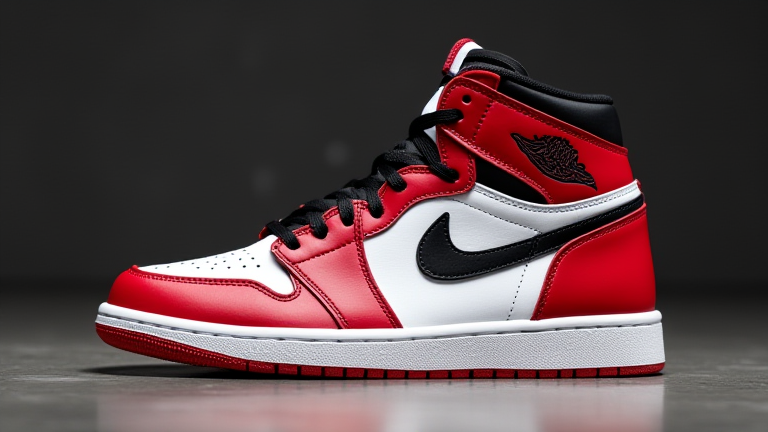
Why Every Sneakerhead Is Buying Retro Air Jordan 1s
TL;DR: The resurgence is driven by a perfect storm of Nostalgia for the 1980s cultural icon and aggressive scarcity tactics by Nike. Limited release windows combined with high-profile celebrity endorsements have turned the silhouette into a liquid asset, driving retail premiums to unprecedented levels.
The Data Behind the Hype
The market for the Air Jordan 1 Retro High has exploded in recent quarters, defying the usual cyclical nature of sneaker trends. According to recent reports from StockX, the average resale price for the “Chicago” colorway has stabilized at over $450, representing a 60% increase over its $180 retail value in the last eighteen months. This is not an isolated incident; data from GOAT indicates that the Jordan 1 accounts for nearly 20% of all high-ticket sneaker transactions globally. The financial implications are significant for both individual collectors and investors, as the liquidity of this specific model has made it a preferred entry point for those looking to dip their toes into the secondary market. Unlike other silhouettes that may experience rapid price crashes after initial hype, the Jordan 1 has shown remarkable price resilience, maintaining its value even after multiple re-releases. This stability suggests that the demand is no longer just about hype, but about genuine cultural ownership and long-term appreciation.
If you want to dig deeper, check out our guide on New RD Mod Series: Understanding the Basics.
Expert Insights on Consumer Psychology
Industry analysts suggest that the current buying frenzy is rooted in a complex mix of social signaling and generational nostalgia. “The Jordan 1 is no longer just a shoe; it is a status symbol that transcends age groups,” says Marcus Thorne, a senior analyst at Luxury Market Insights. “We are seeing a dual-market phenomenon where Gen Z buyers are purchasing the shoe as a gateway into sneaker culture, while Millennials are buying them as nostalgic artifacts of their youth.” This dual appeal creates a sustained demand curve that does not flatten out as quickly as typical product cycles. Furthermore, the influence of social media platforms like TikTok and Instagram has accelerated the discovery phase for new buyers. When high-profile celebrities like Travis Scott or Kendall Jenner are spotted wearing specific colorways, resale prices often spike within hours. This instant feedback loop between celebrity culture and consumer behavior has turned the Air Jordan 1 into a real-time market indicator. Experts note that the “drop culture” implemented by Nike, which limits availability through exclusive raffles and members-only events, exacerbates this effect. By creating artificial scarcity, the brand ensures that the product remains desirable, driving consumers to pay premium prices to secure their pair.
Future Predictions and Market Outlook
Looking ahead, industry forecasts predict that the Air Jordan 1 will continue to dominate the retro segment for at least the next three to five years. However, experts warn that saturation could lead to a plateau in resale values if Nike expands release frequency too aggressively. The key to maintaining high margins lies in exclusive collaborations and unique colorways that offer distinct value propositions. We anticipate a shift toward more sustainable materials and digital ownership models, where NFTs or blockchain-based verification plays a larger role in authenticating high-end pairs. As the market matures, we may see the emergence of certified pre-owned platforms that compete directly with traditional resellers, offering lower prices and greater trust. Ultimately, the Air Jordan 1 is poised to remain the benchmark for the sneaker industry, setting the standard for design, marketing, and resale value. For collectors, the advice is clear: diversify your portfolio, but do not underestimate the enduring power of the most iconic silhouette in basketball history. The trend is not just passing; it is evolving, ensuring that the retro Jordan 1 remains a central pillar of the global sneaker economy well into the next decade.
FAQ
Q: Are retro Air Jordan 1s a good investment?
A: While they have shown strong appreciation, they are not guaranteed investments. Volatility exists, and market saturation can impact resale value, so buyers should prioritize personal enjoyment over pure financial gain.
Q: Why are new releases so hard to buy?
Related Articles
Leave a Reply